A new expression of luxury through self hospitality
seven x seven was developed as a fully integrated hospitality platform in partnership with FHG Hotels and Kasumigaseki Capital. From the outset, I approached it as a system, not a hotel aligning concept, spatial design, guest journey, brand architecture, and operational logic into a single, cohesive framework. The objective was to redefine modern luxury through structure rather than styling. Instead of relying on traditional service hierarchies, I focused on building an experience that gives the guest greater control, flexibility, and independence within a highly considered environment.
Every layer of the platform from architectural detailing and interior layouts to in-room functionality and service touchpoints was designed to operate together, ensuring consistency across all interactions. The intent is clarity, not excess. Precision, not performance. seven x seven is built around a model of self-directed hospitality, where privacy, autonomy, and intuitive use of space replace conventional definitions of luxury. At its core, the brand represents a shift toward a more contemporary hospitality system one that aligns with how people actually want to move, stay, and engage today.
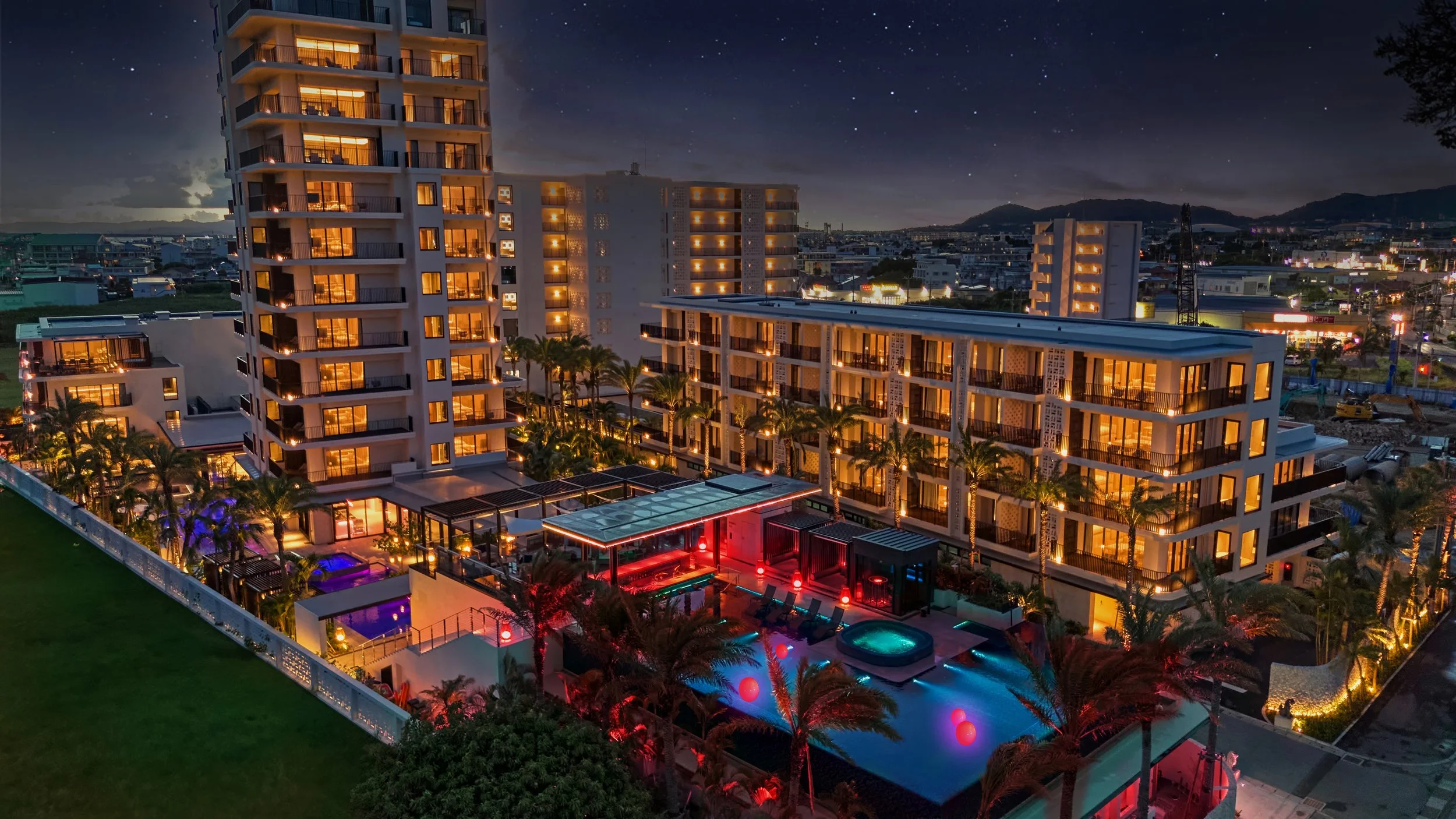

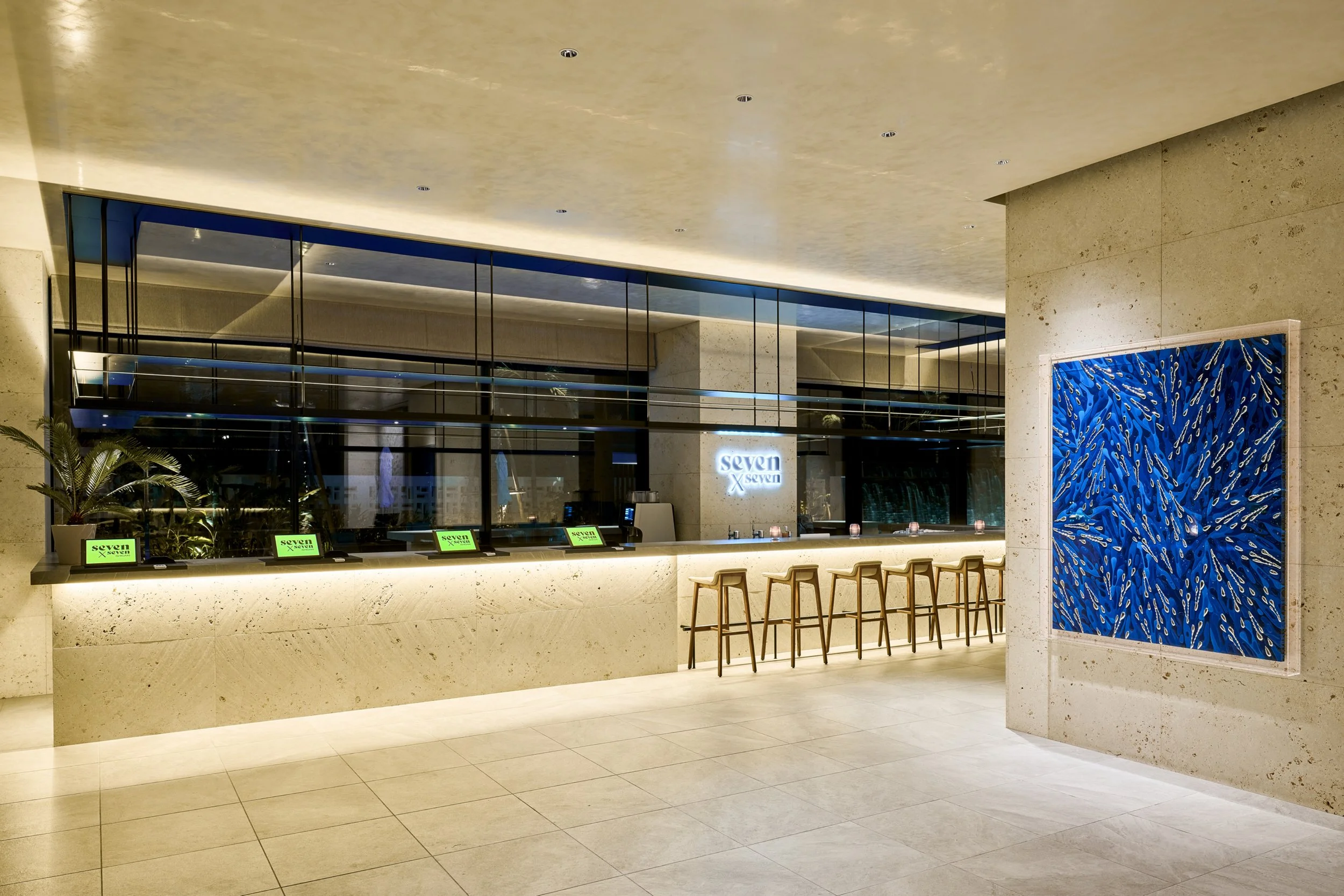
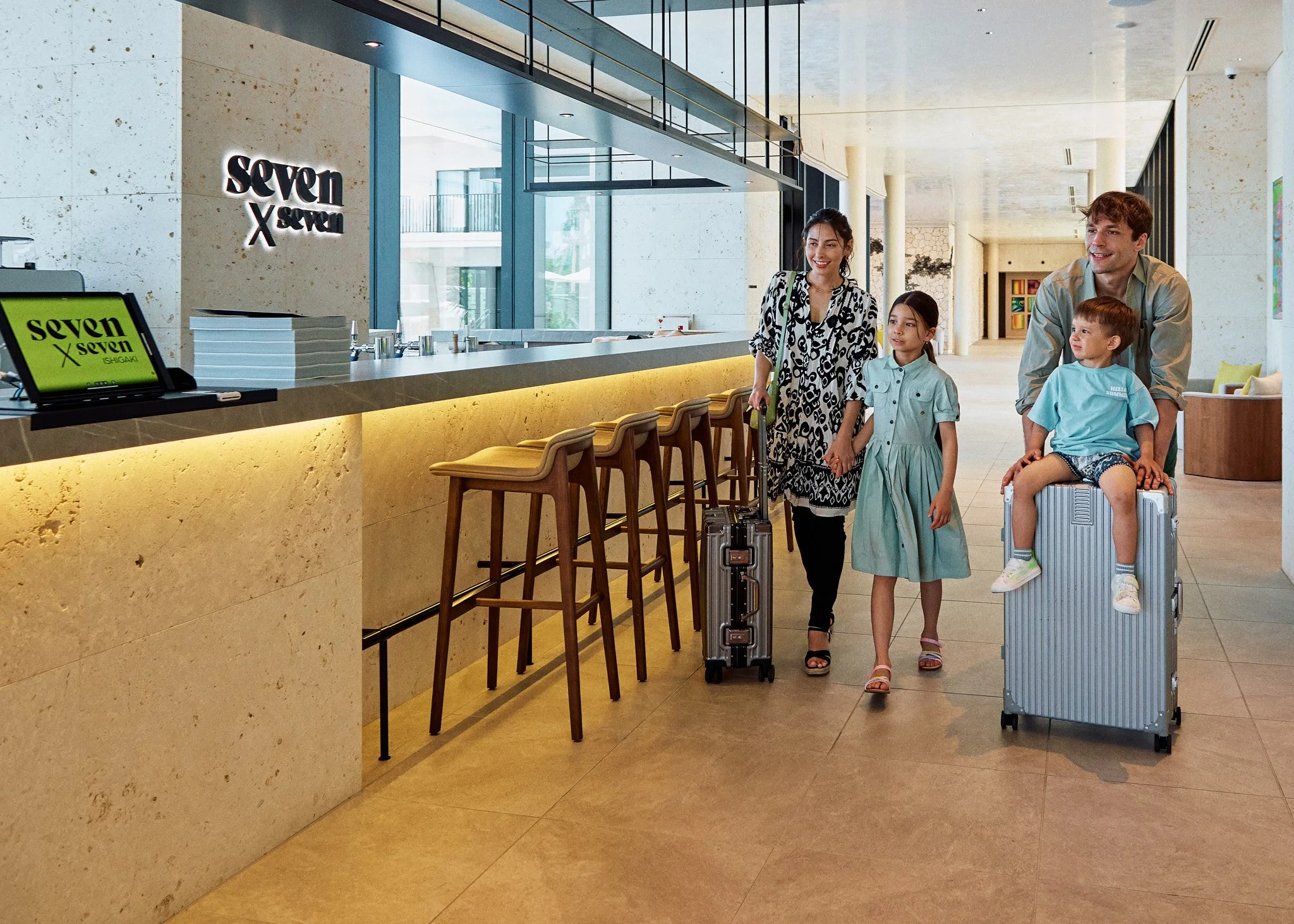
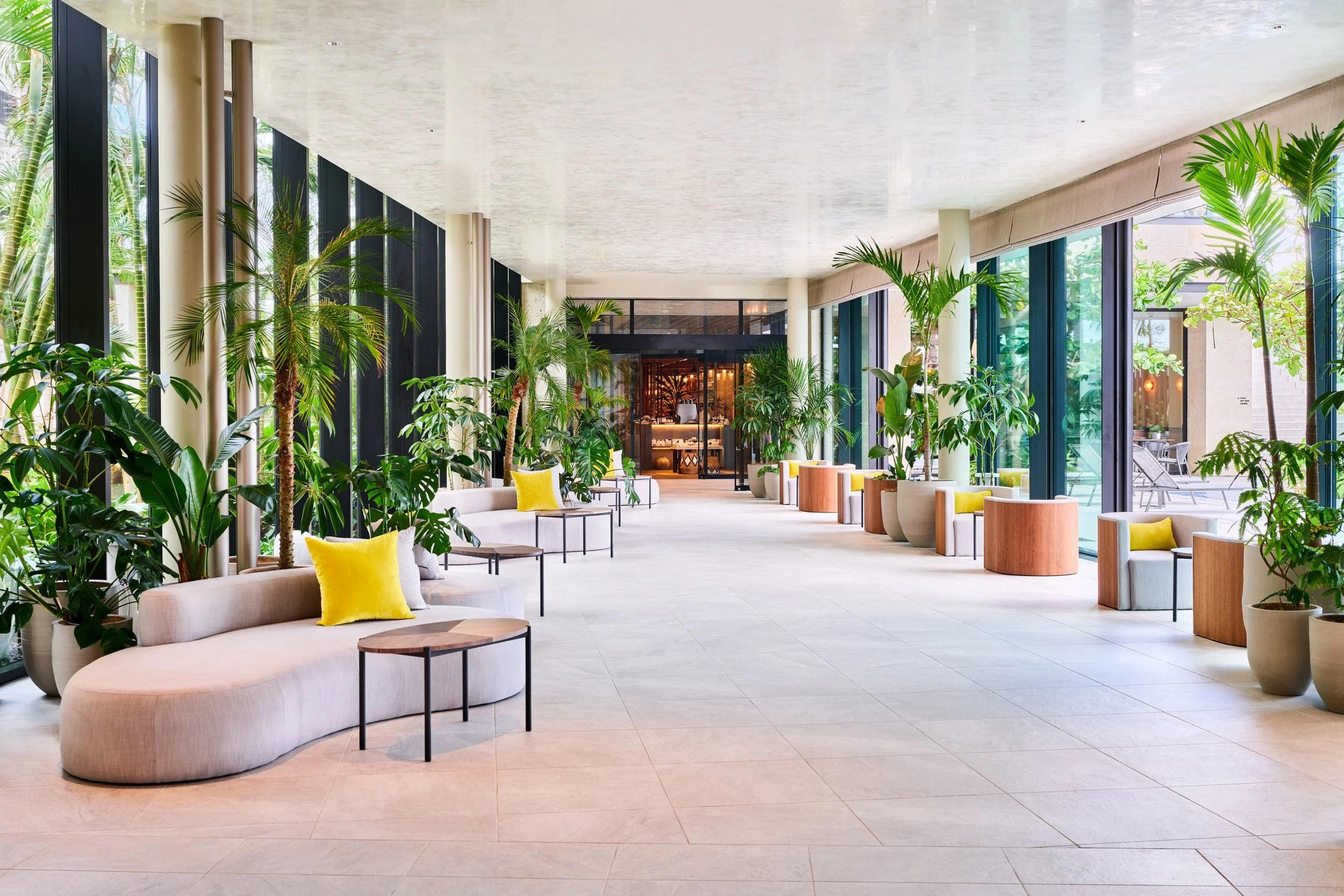
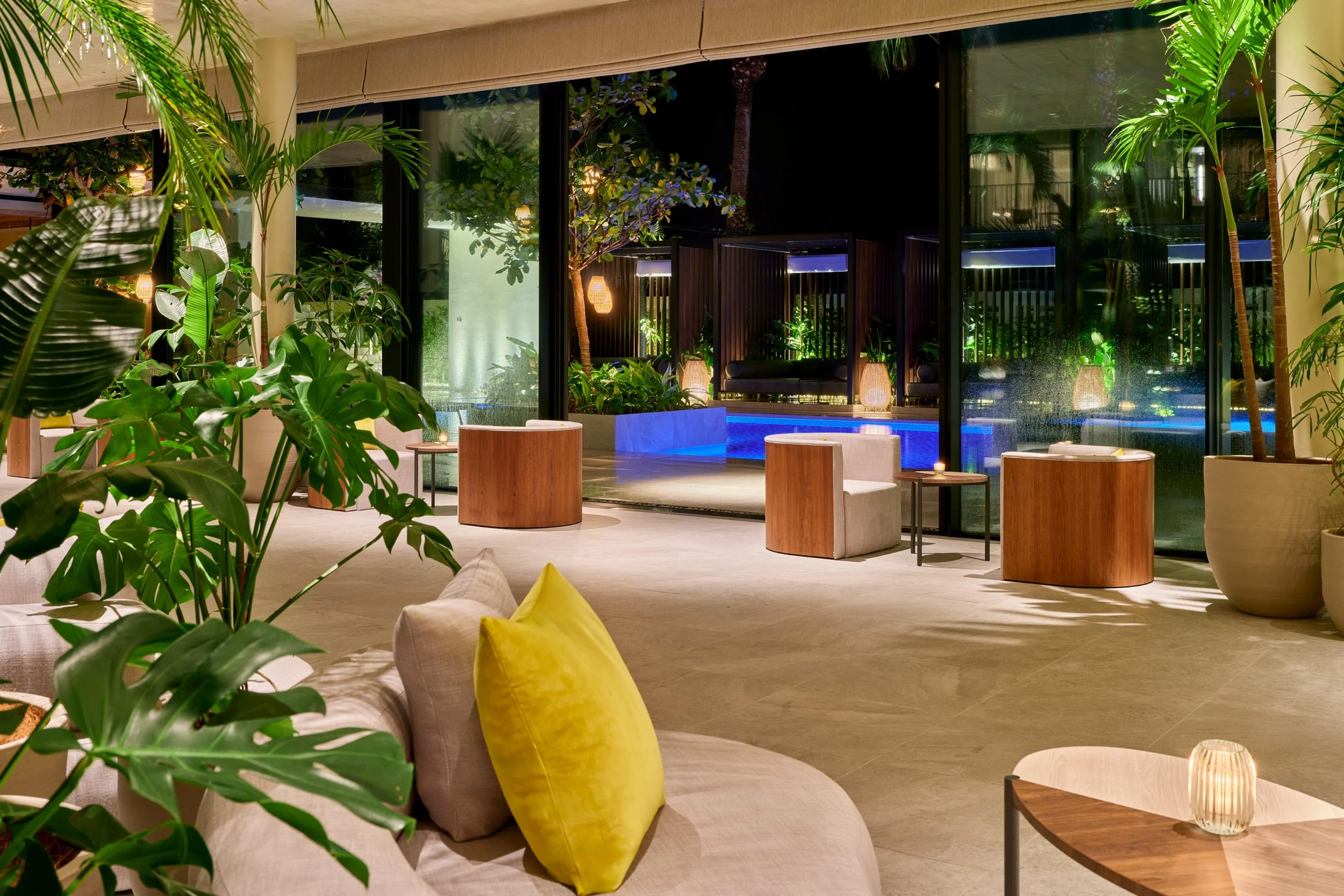
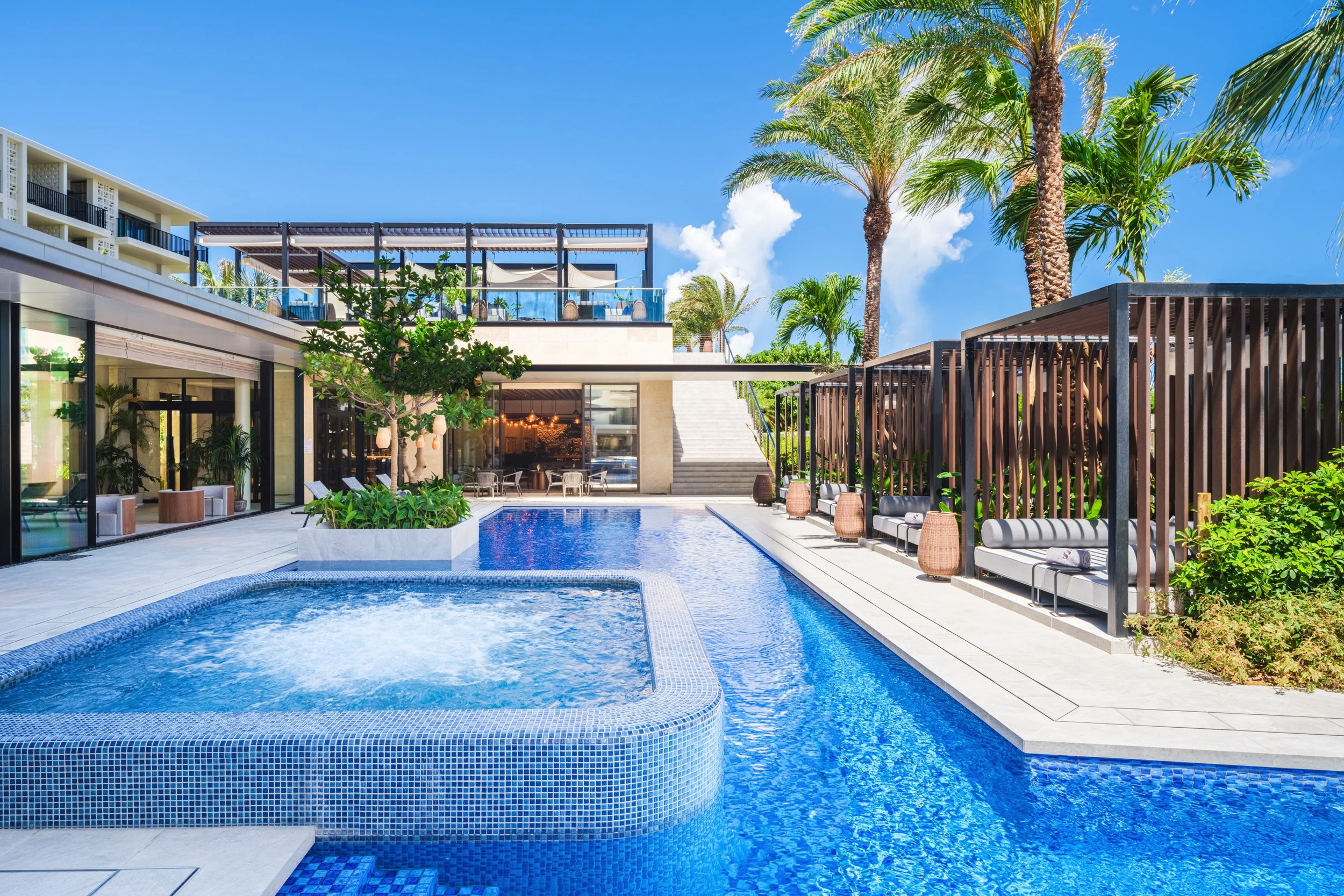
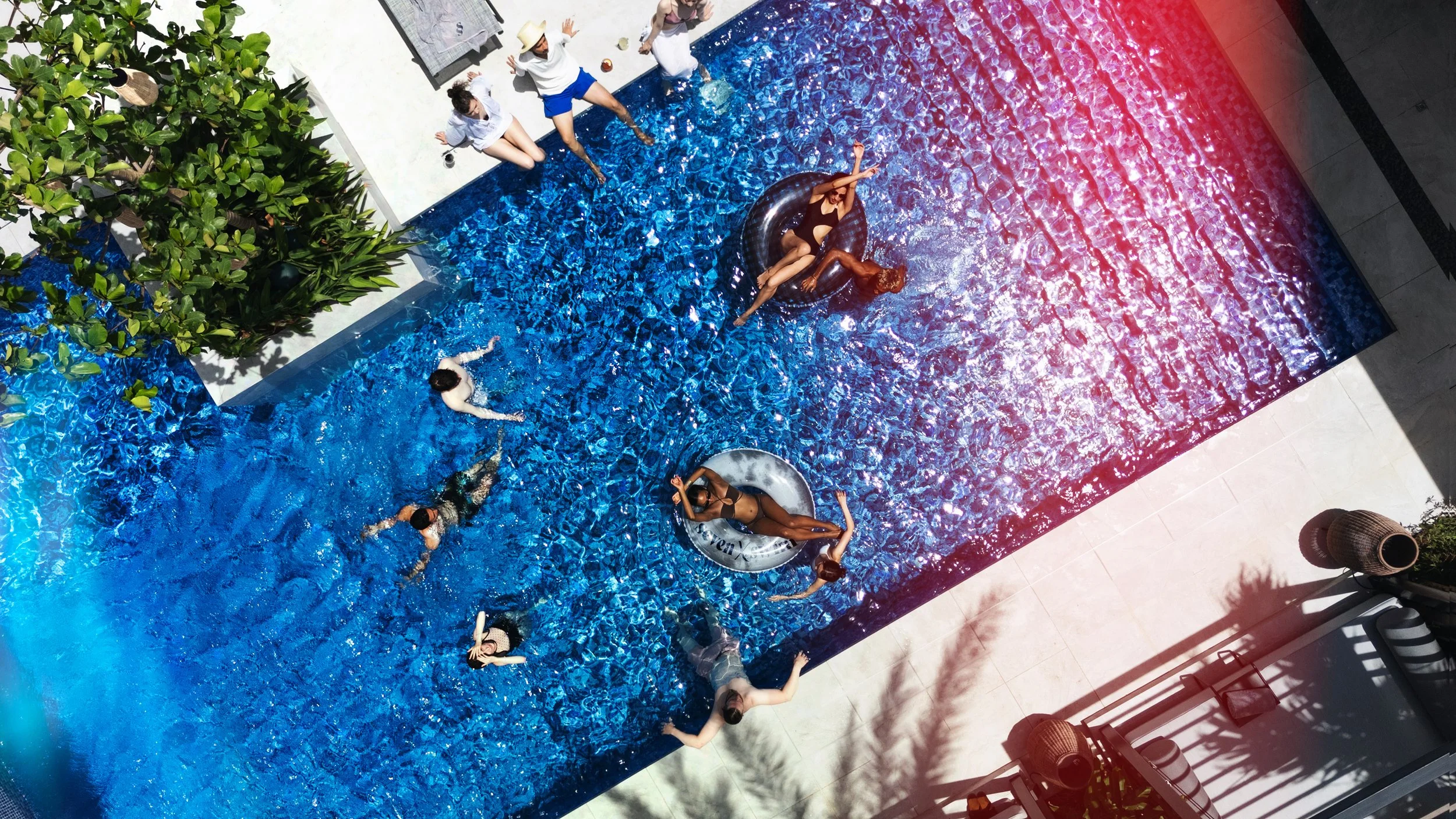
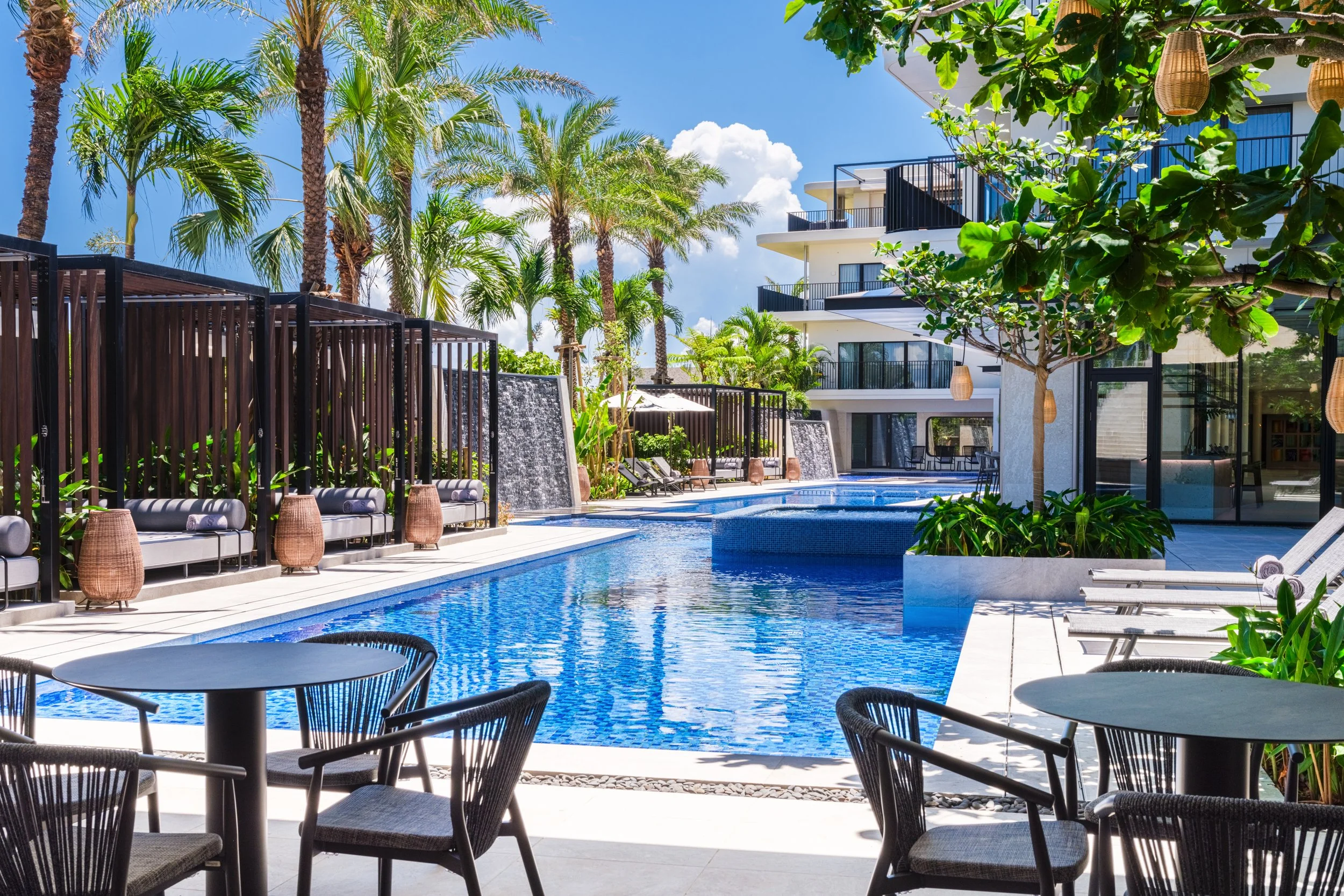
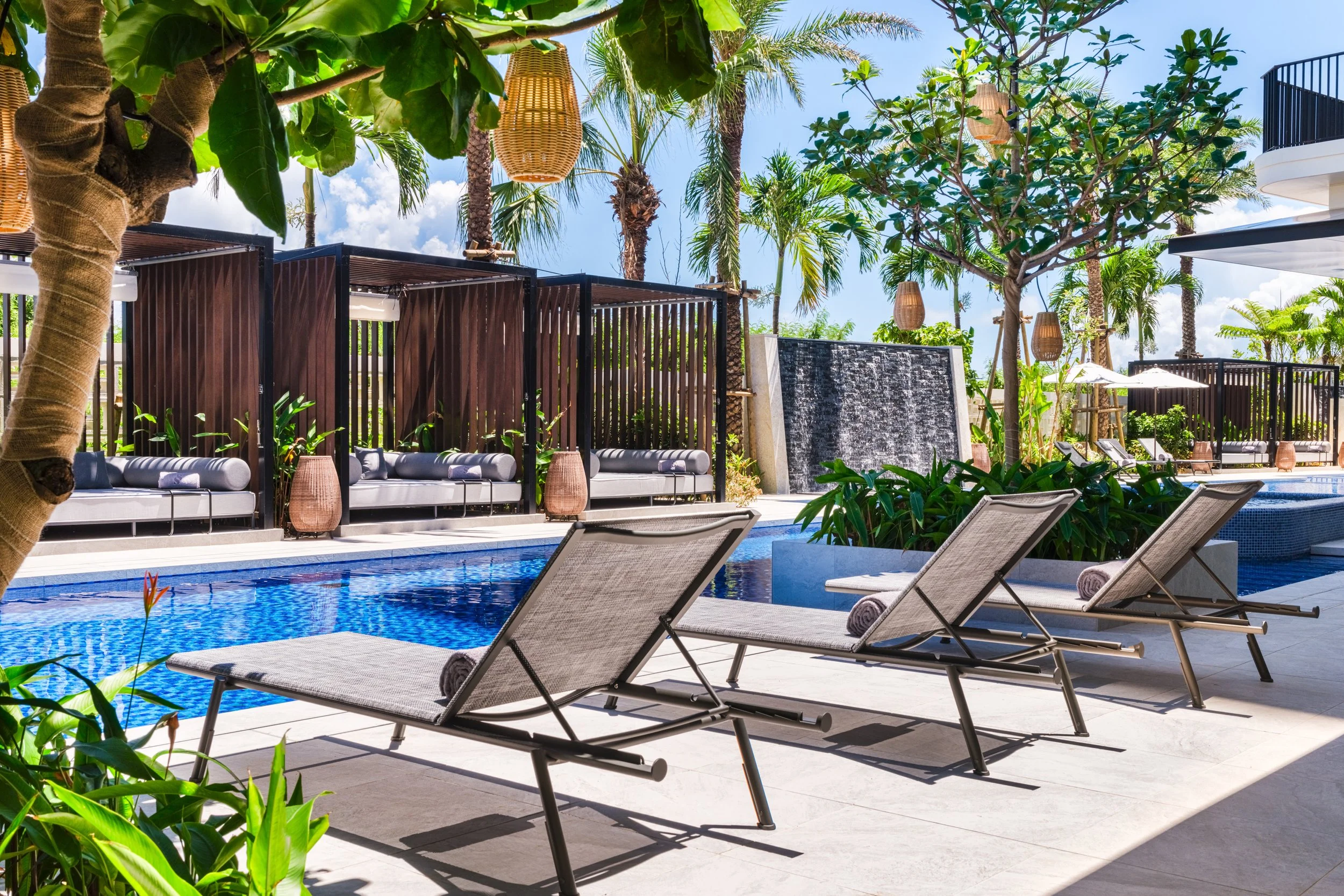
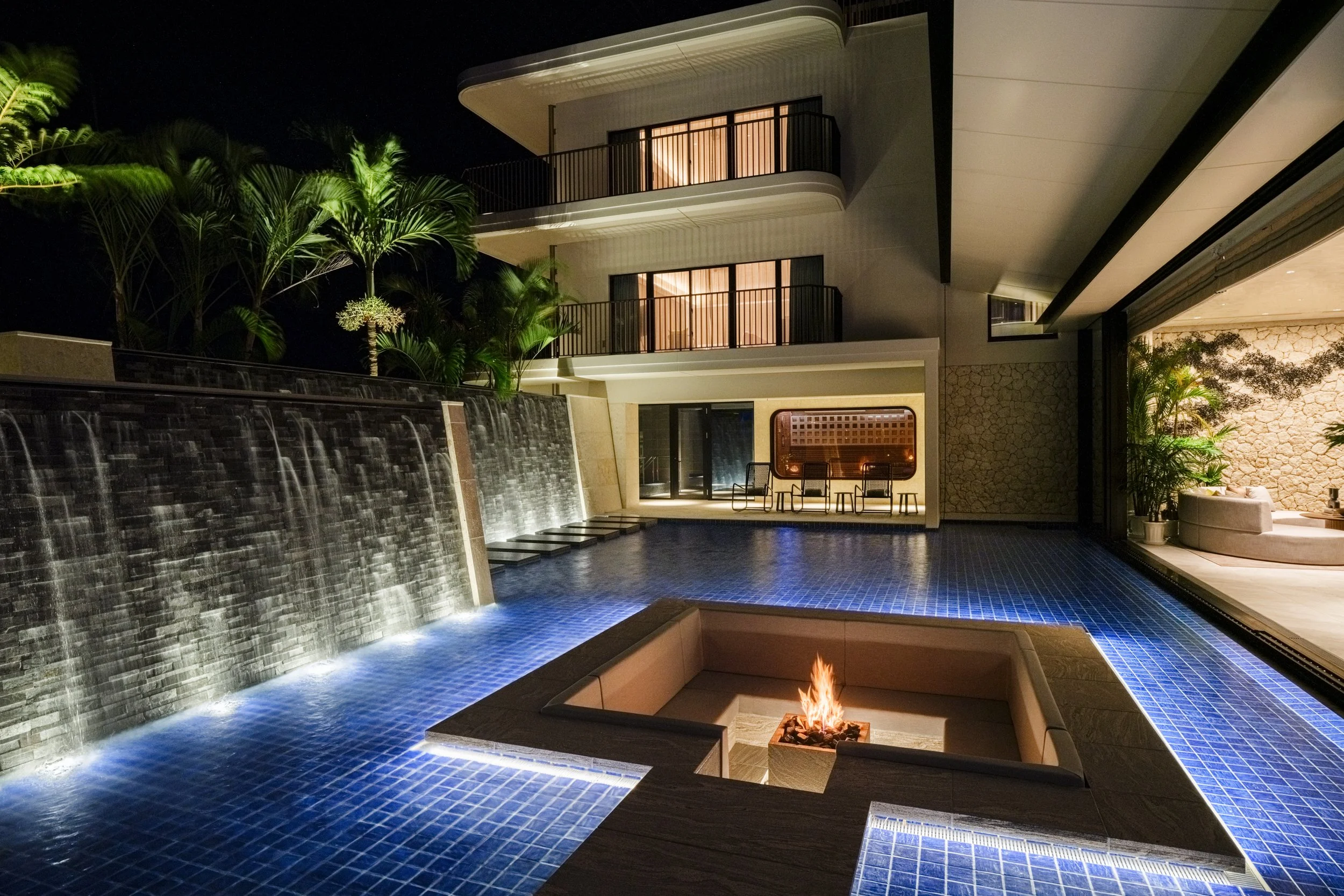
seven x seven Ishigaki is the first full-scale realization of the platform, developed as a resort ecosystem rather than a standalone hotel. Located on Ishigaki Island in Okinawa, I used this property to implement the complete operating model across architecture, interiors, guest journey, and all on-property experiences.
The objective was to create a cohesive environment where every component operates within the same system. This extends beyond rooms into wellness, food and beverage, and social spaces ensuring the entire property functions as a unified platform rather than a collection of amenities.
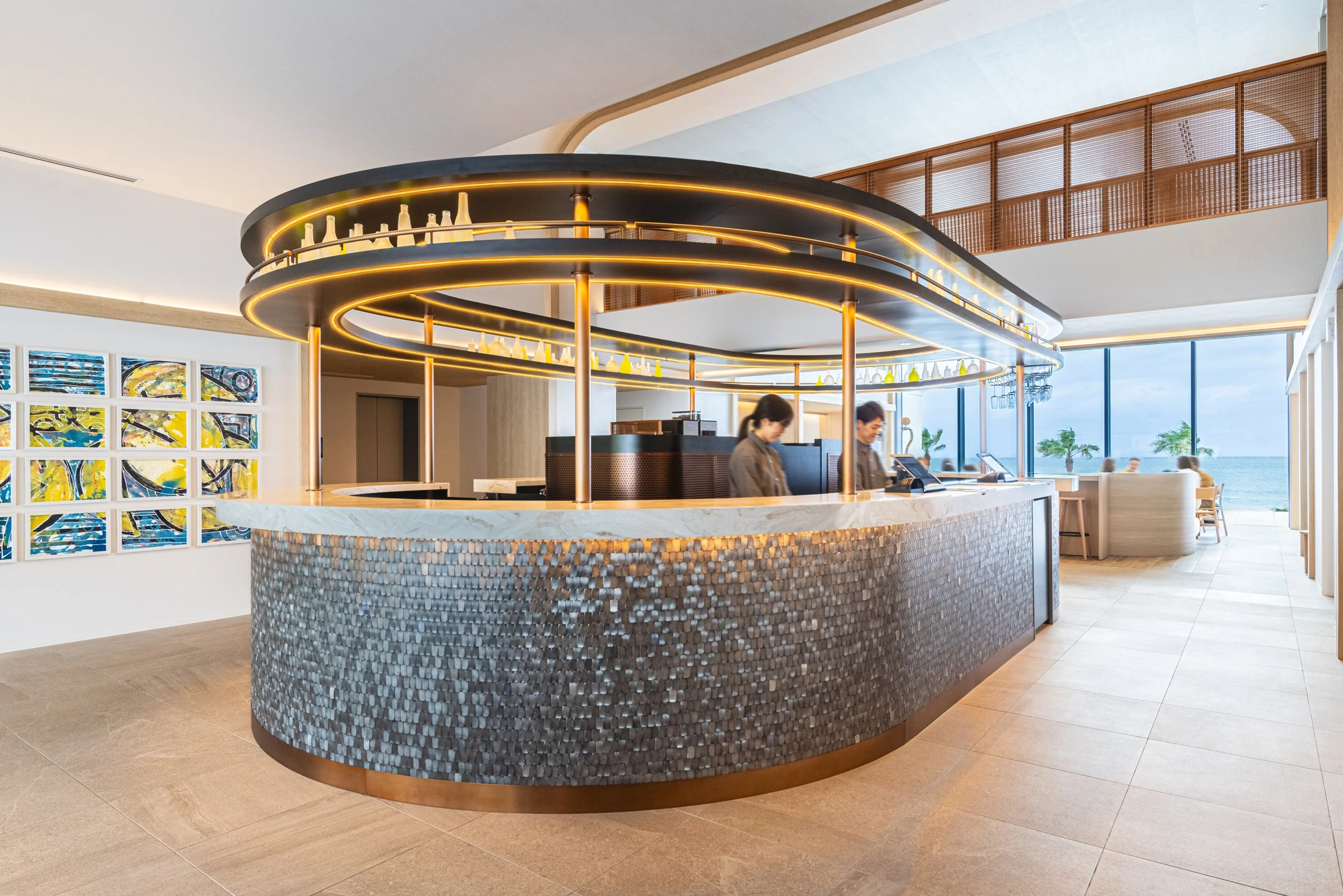
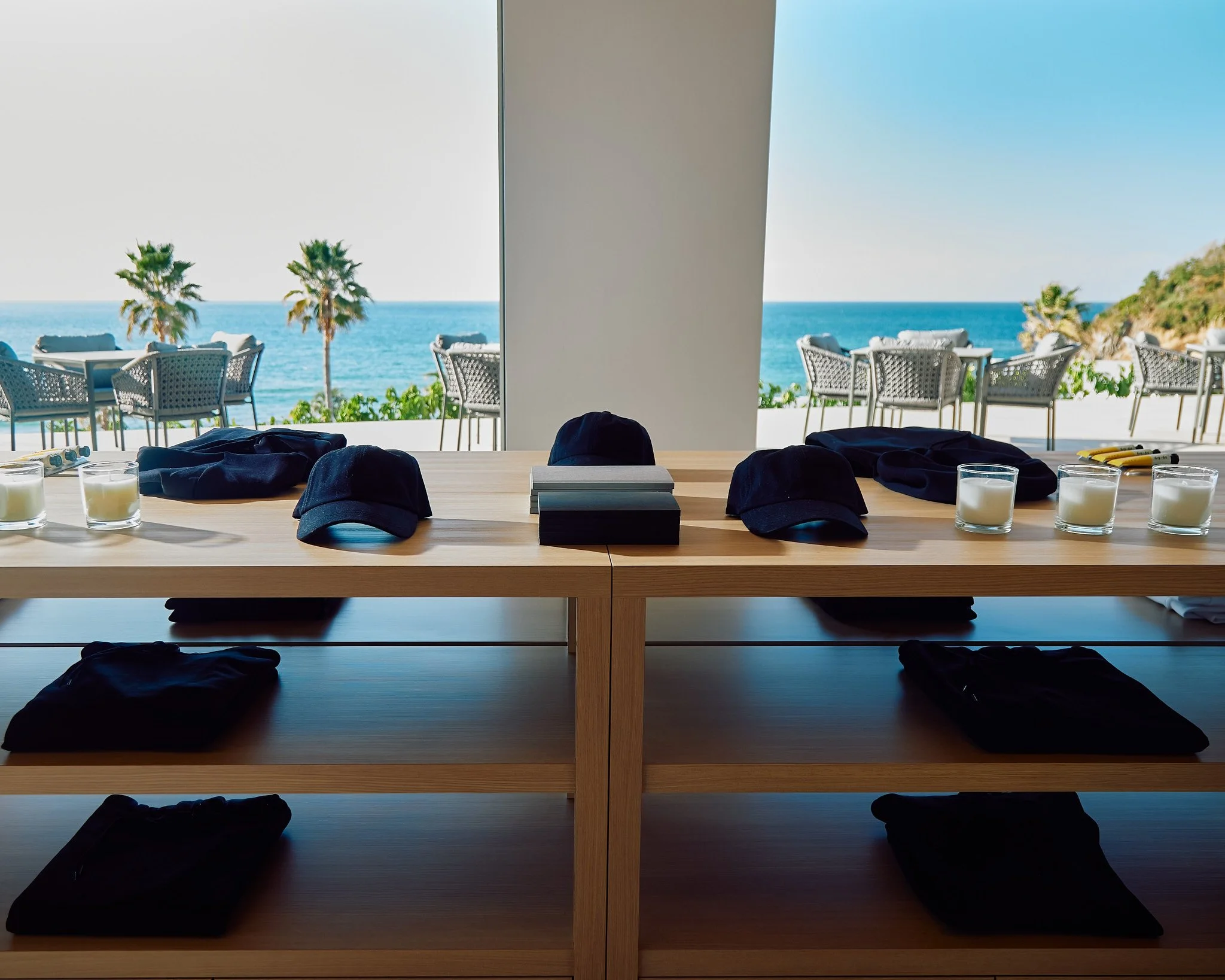
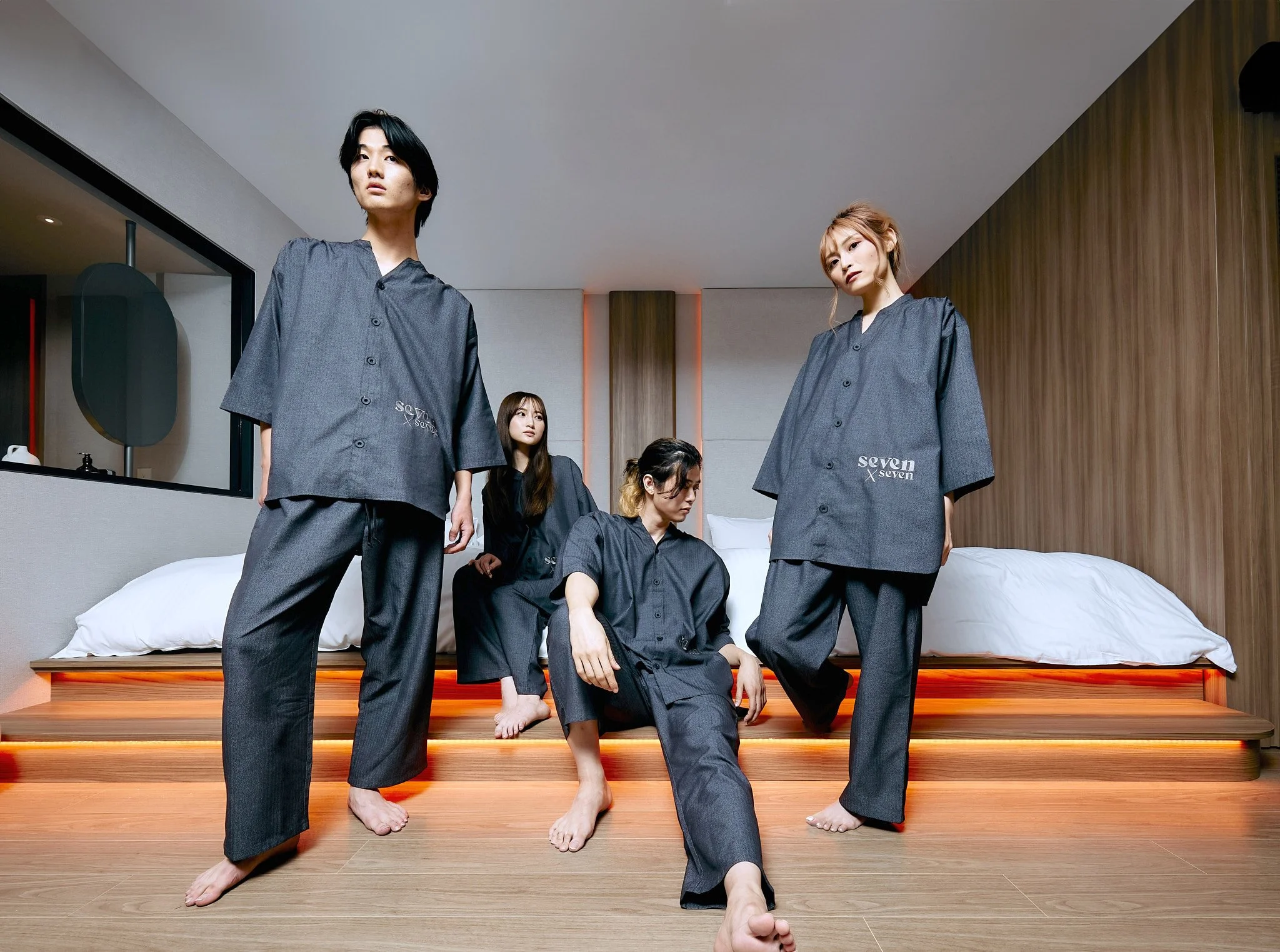
The guest experience is structured around autonomy and ease of use. Arrival, check-in, and movement through the property are designed to be frictionless and largely self-directed, with staff integrated as support rather than control. This allows guests to engage with the environment on their own terms.
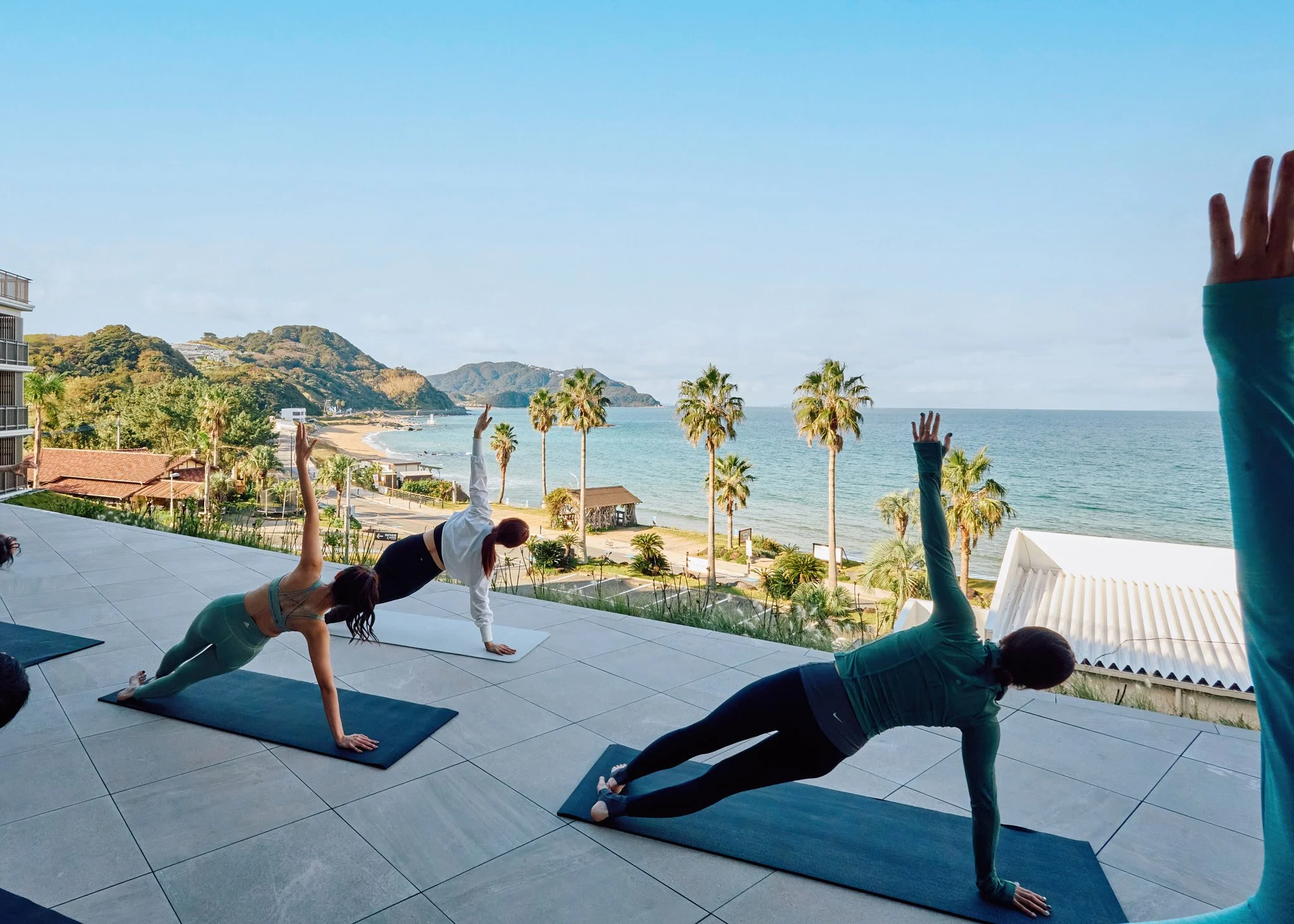
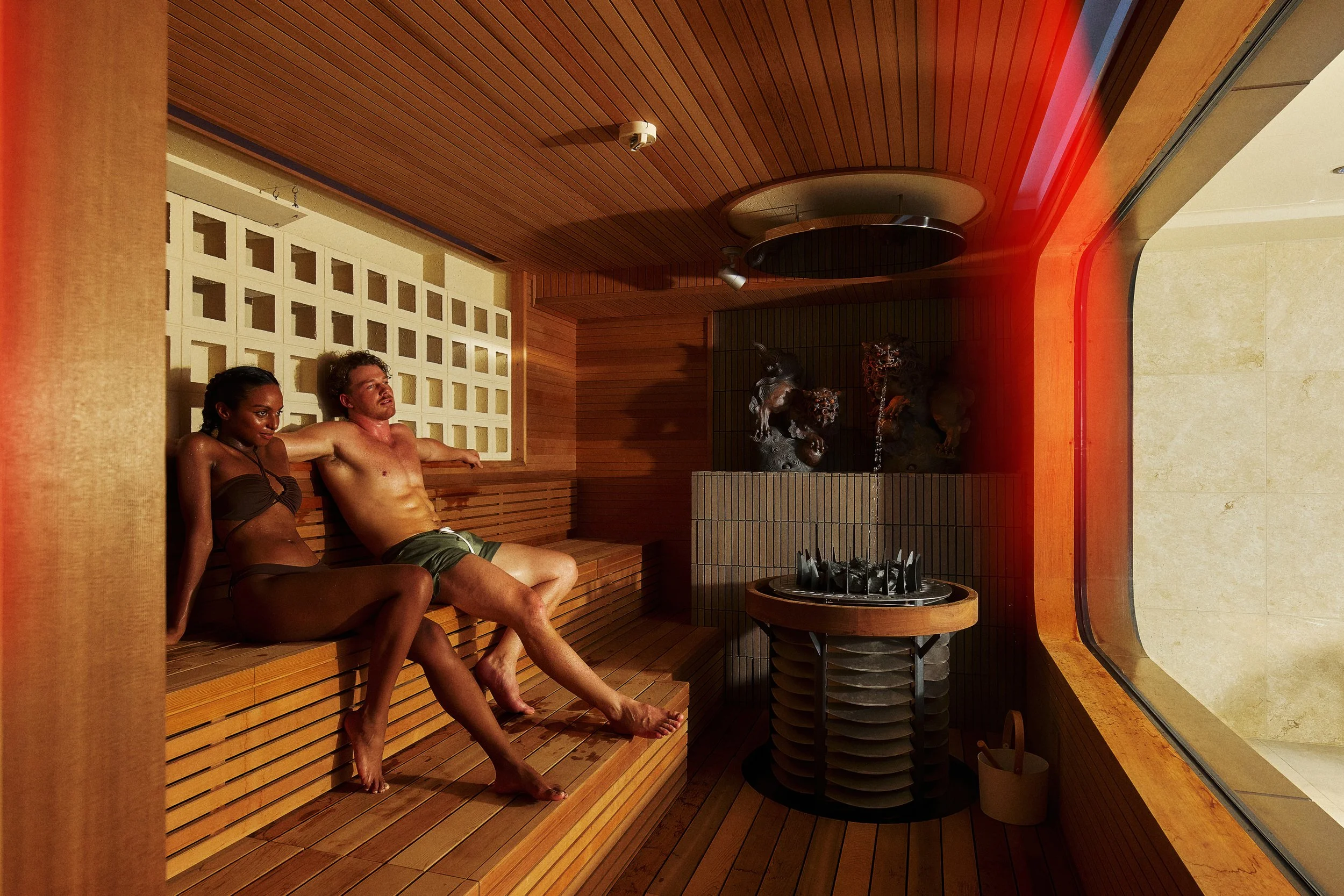
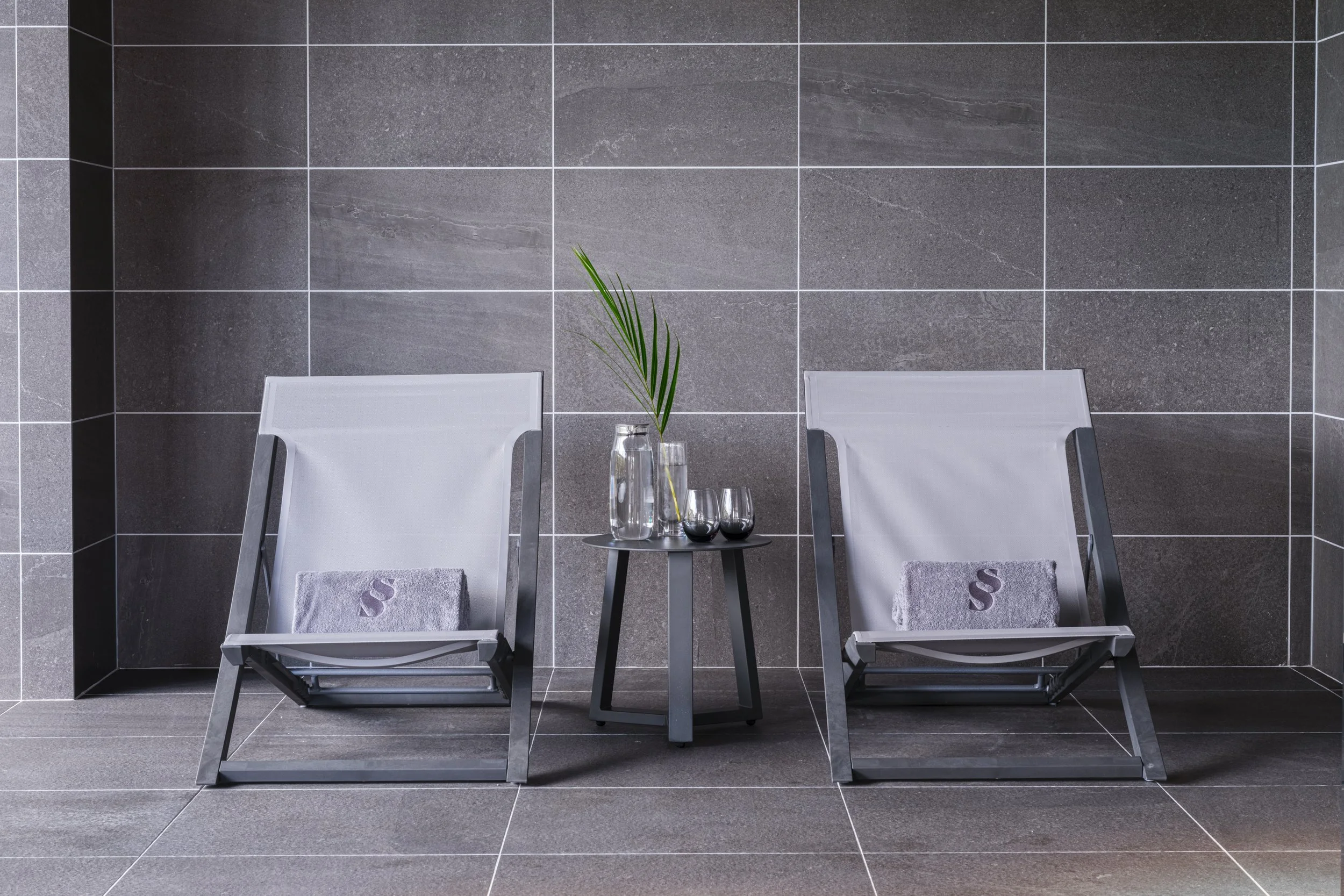
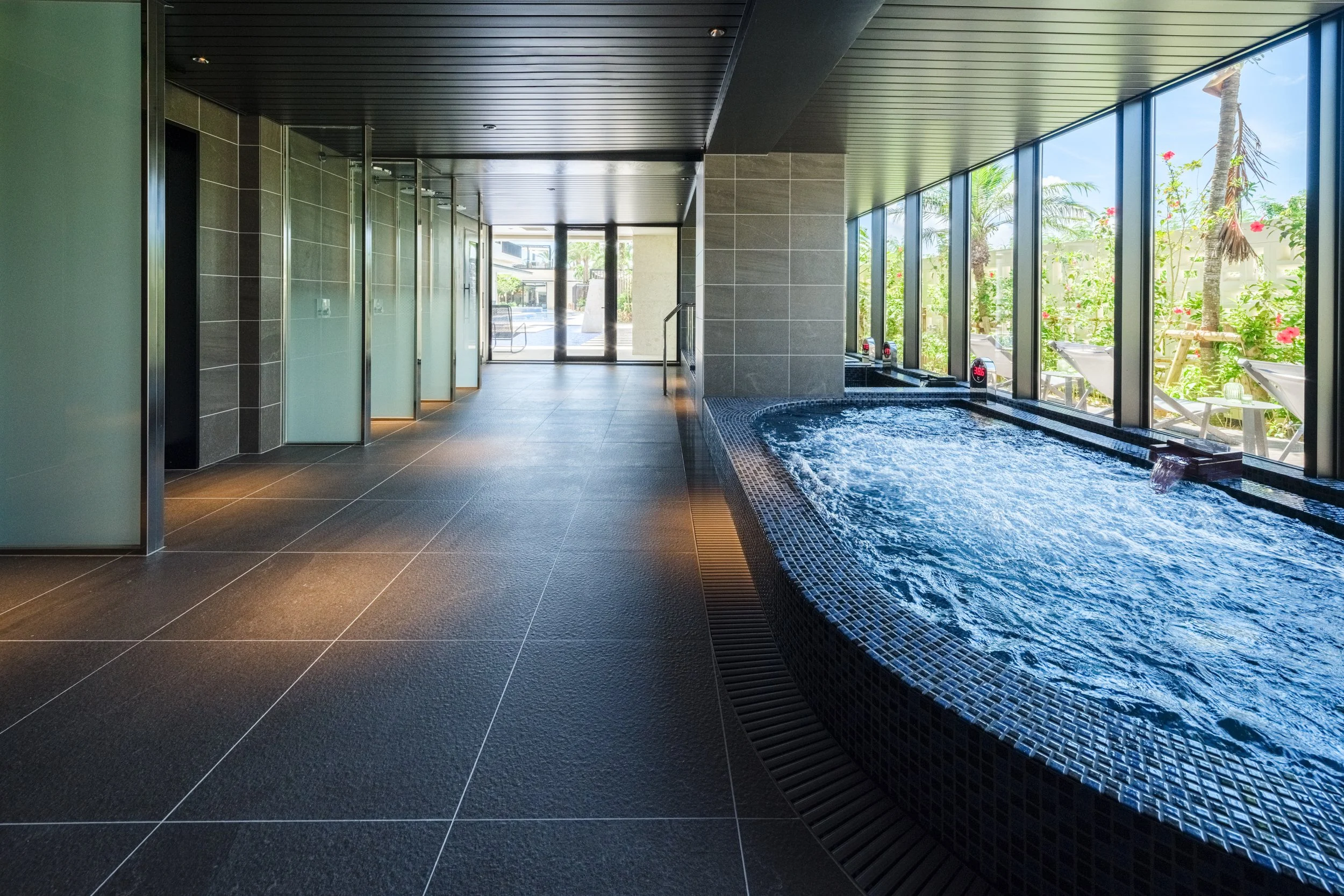
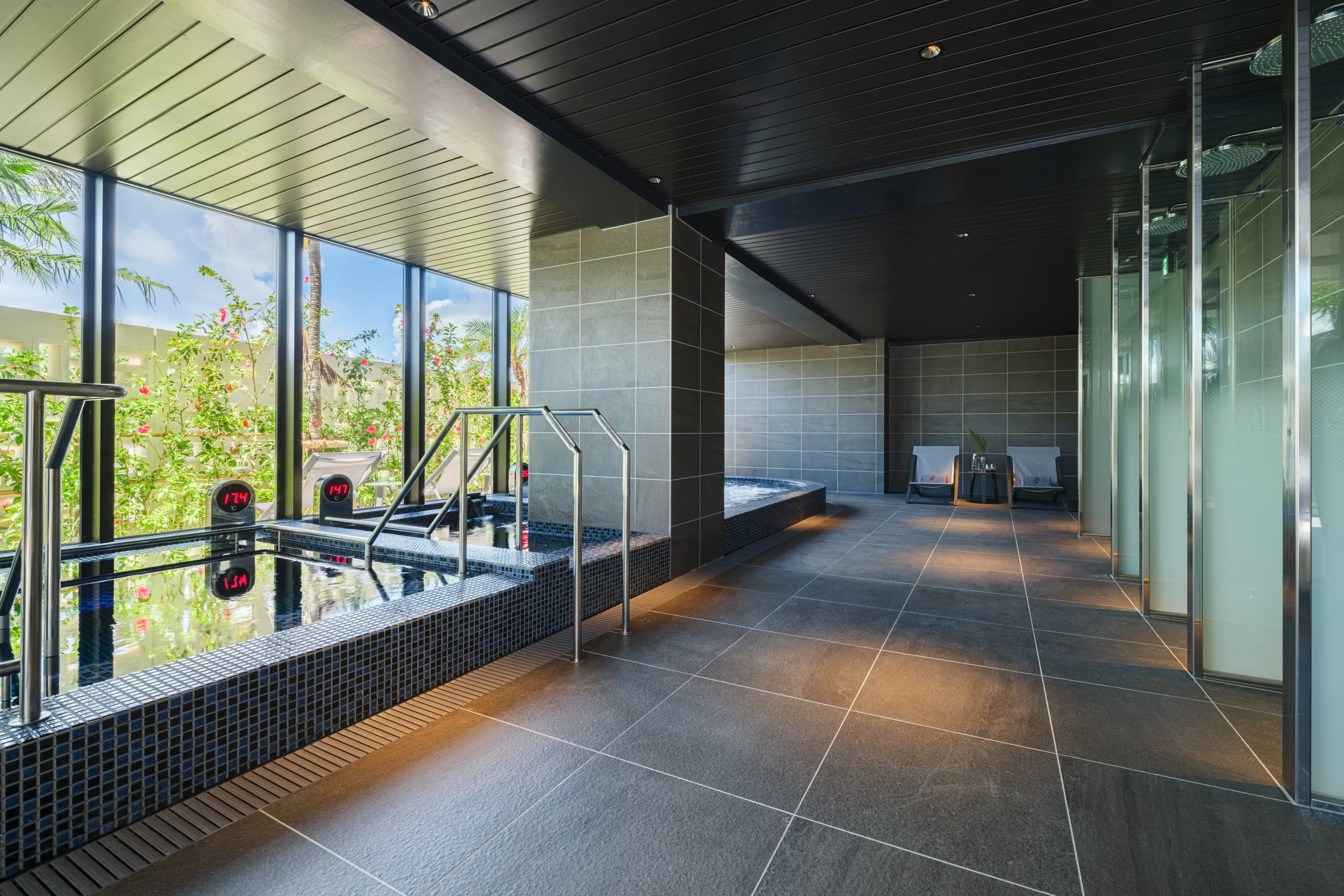
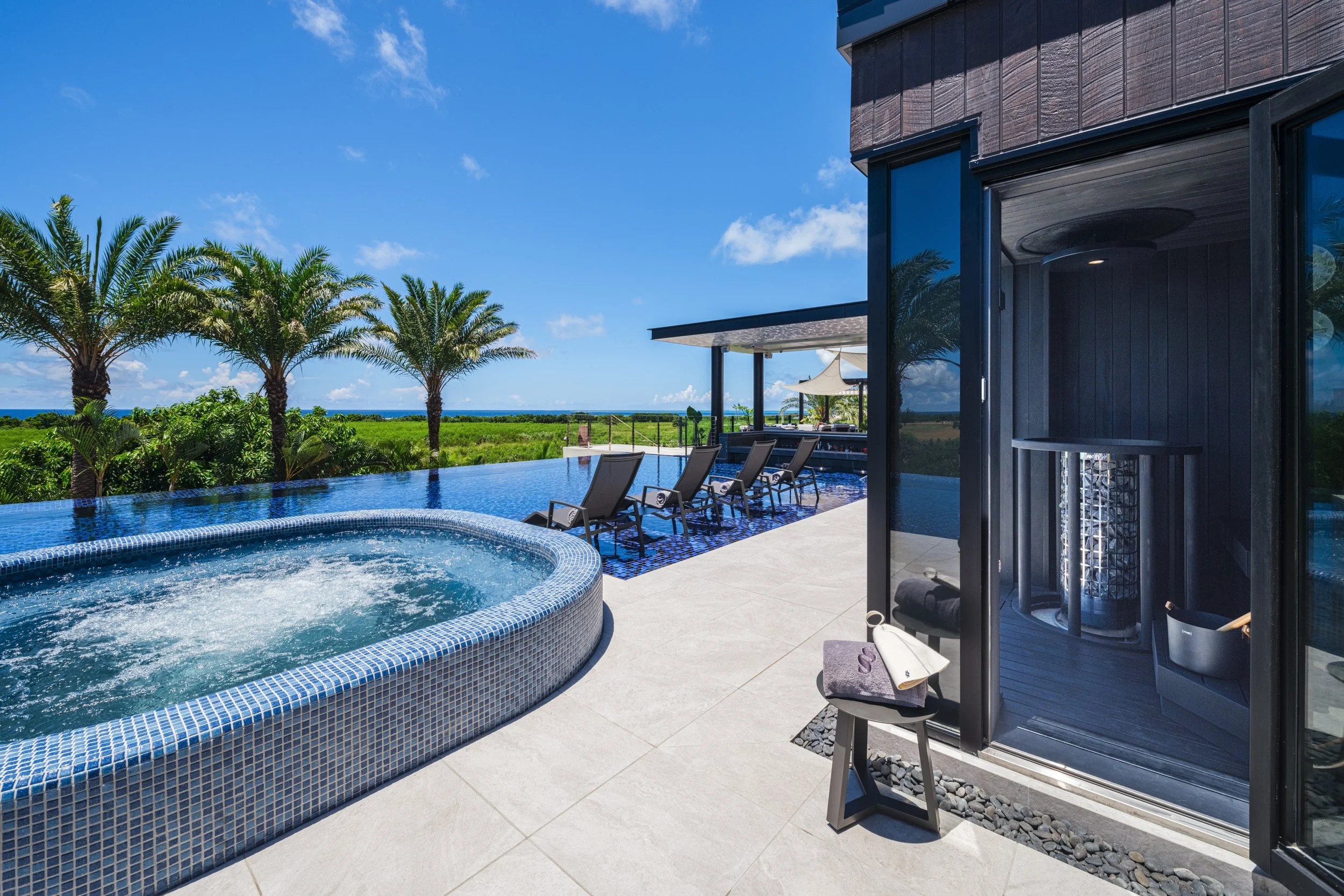
Wellness and recovery are embedded as core use cases, not secondary features. The sauna and spa facilities are positioned as functional resets within the guest journey. Similarly, each F&B concept operates with a clear identity and role within the overall system.
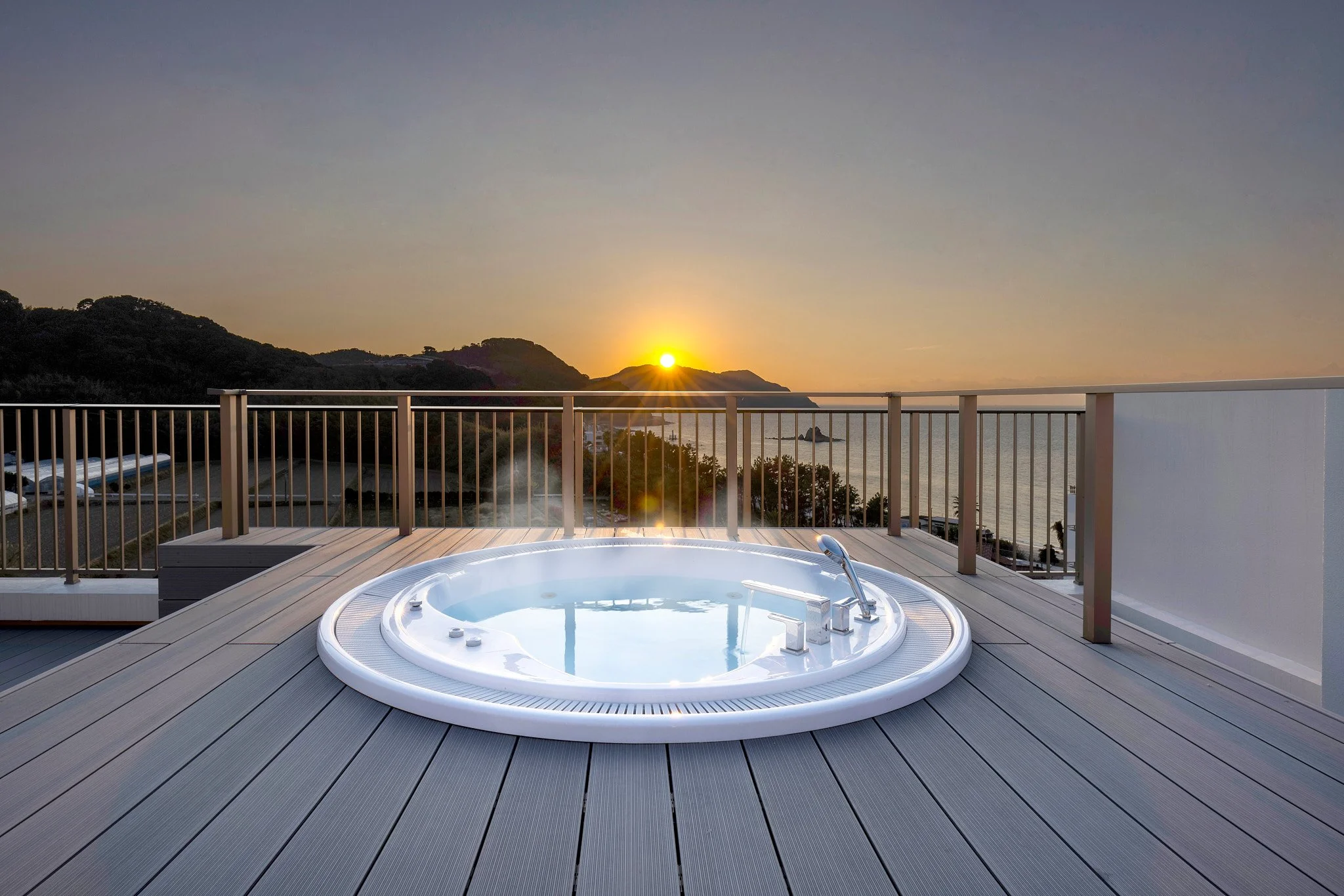
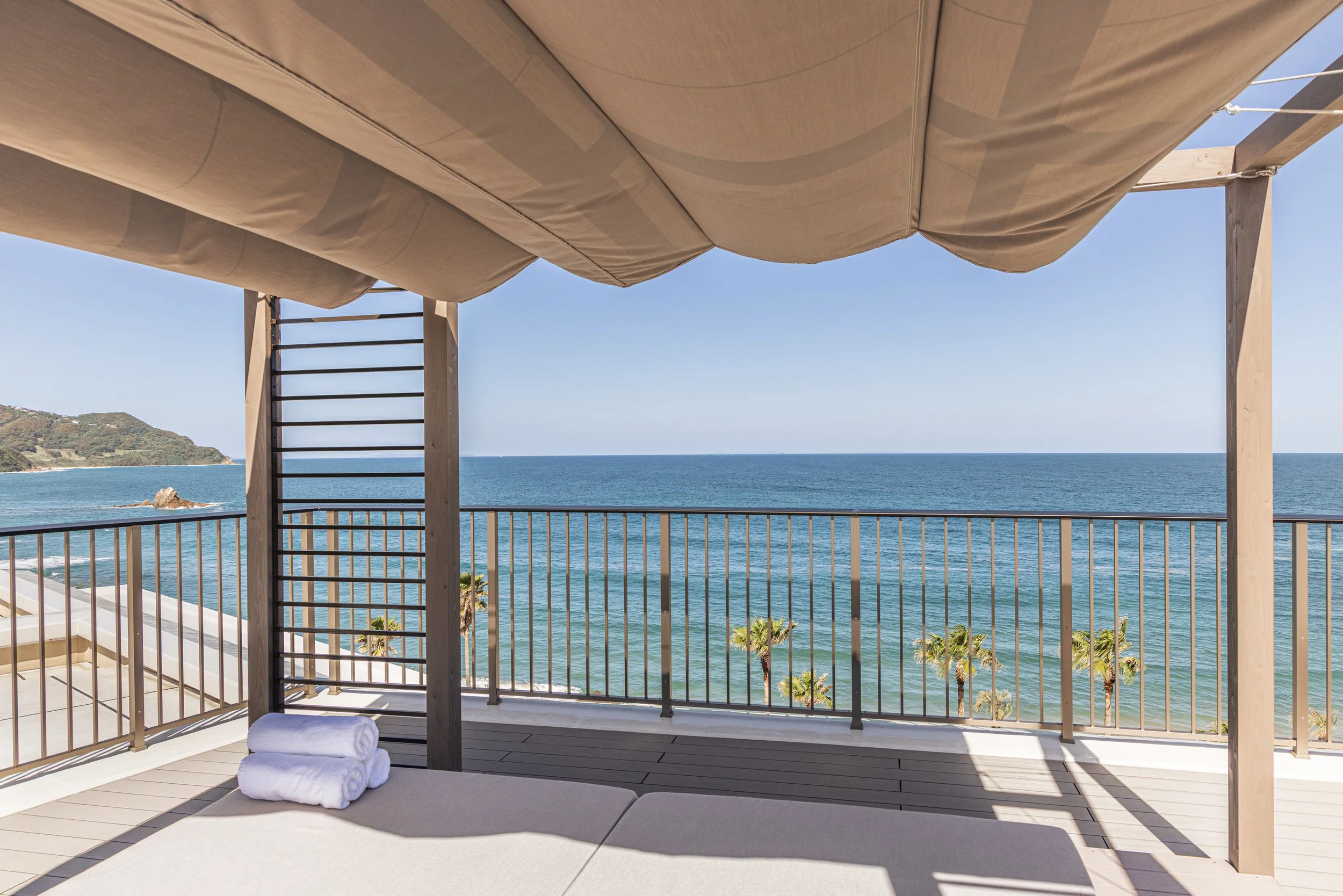
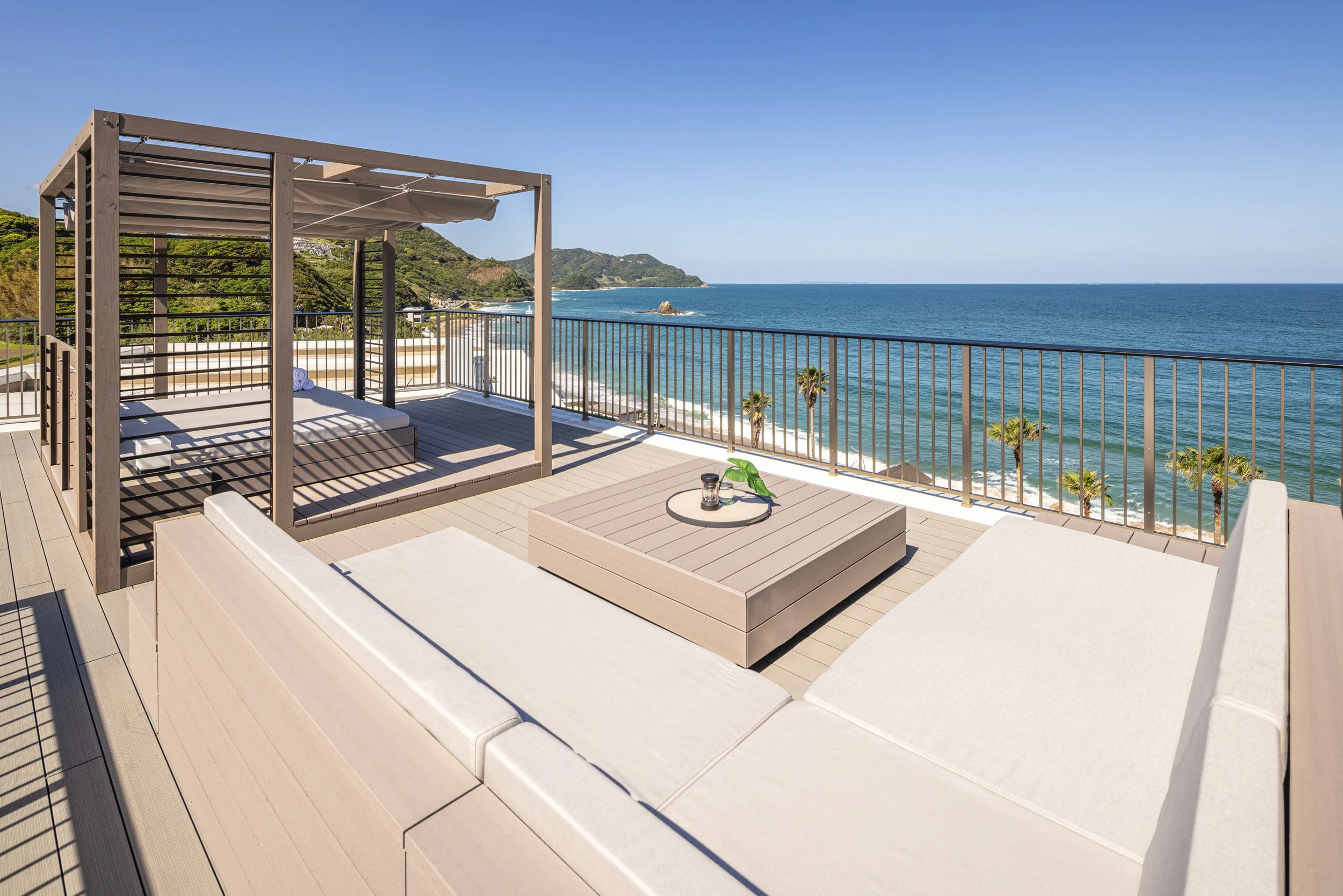
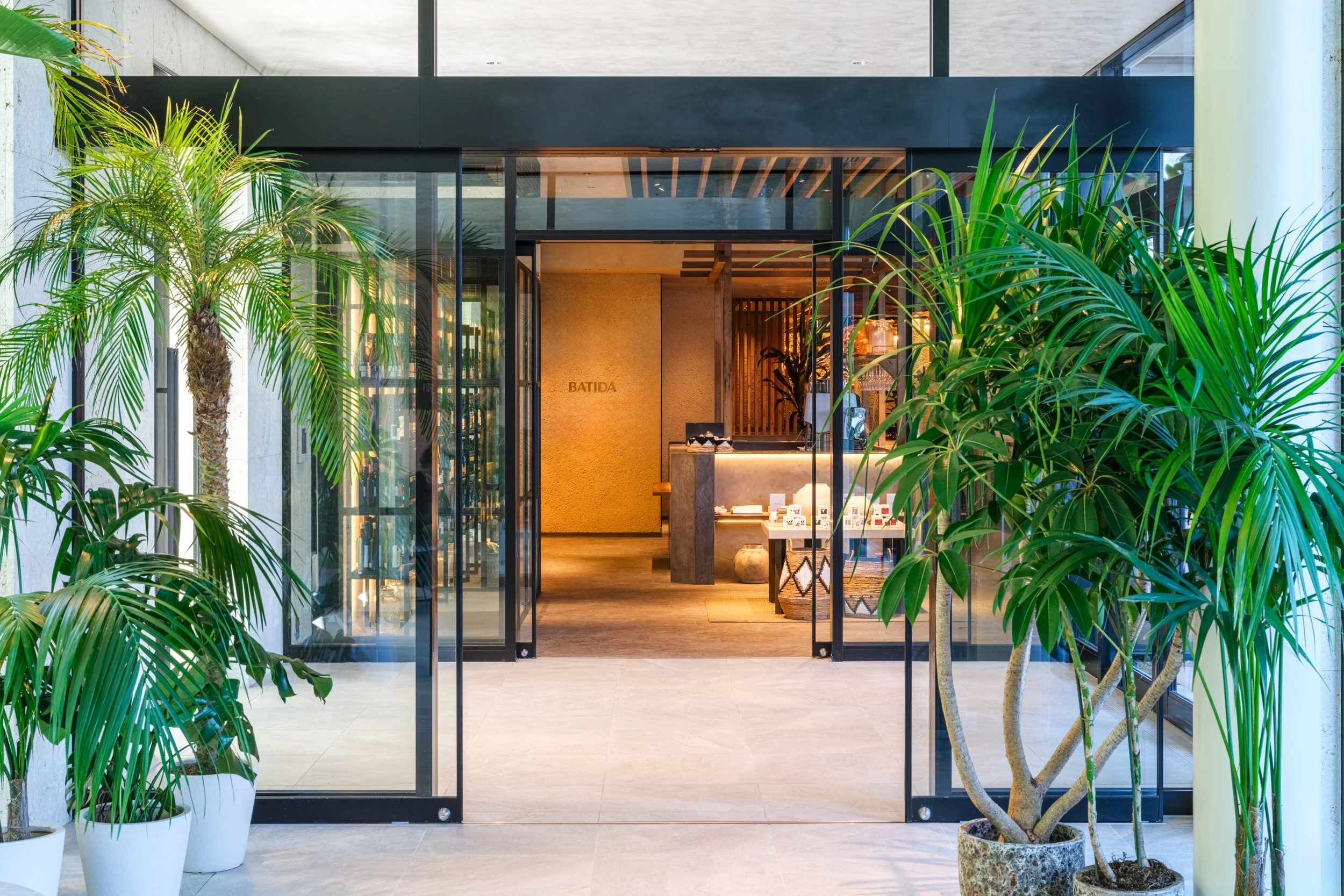
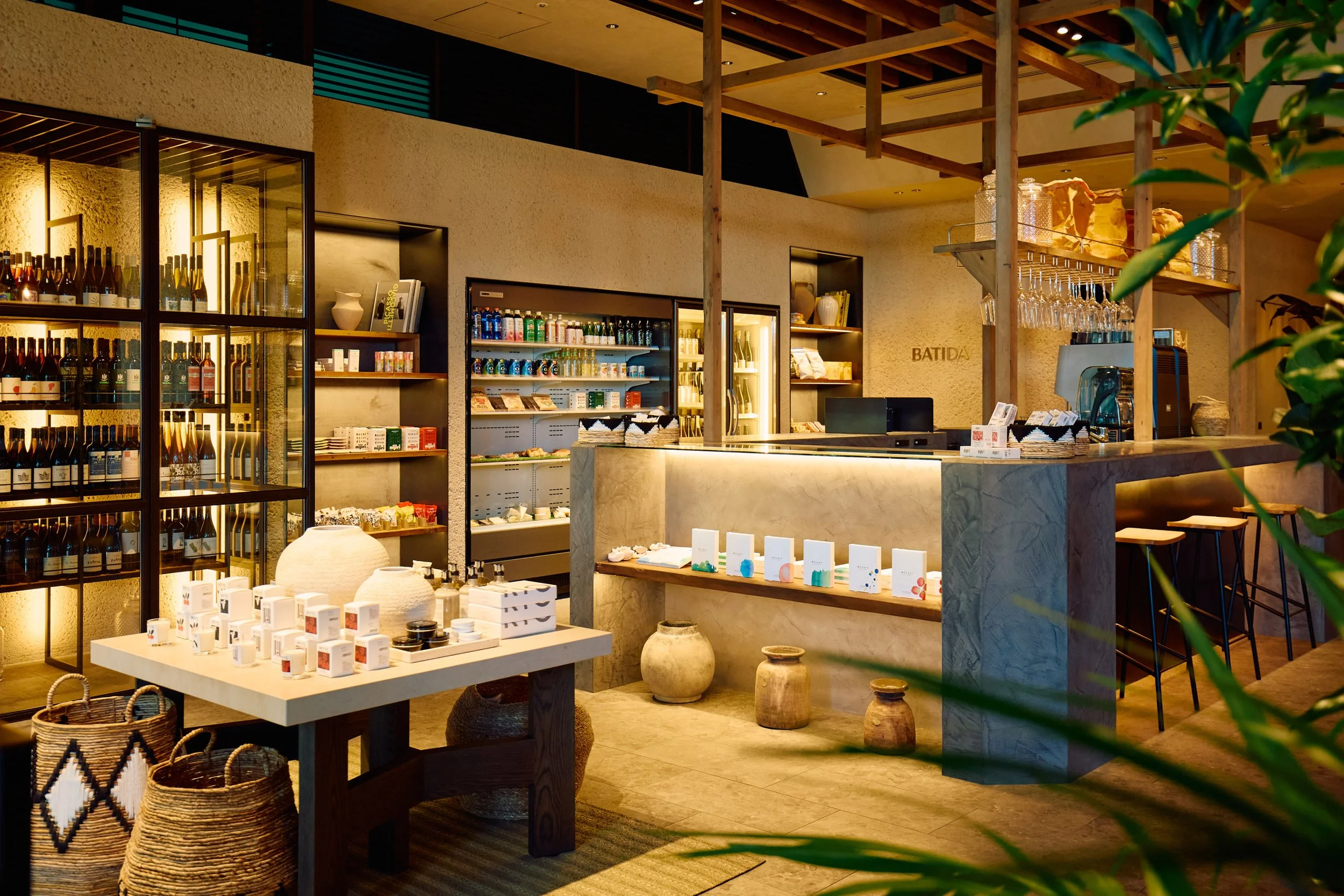
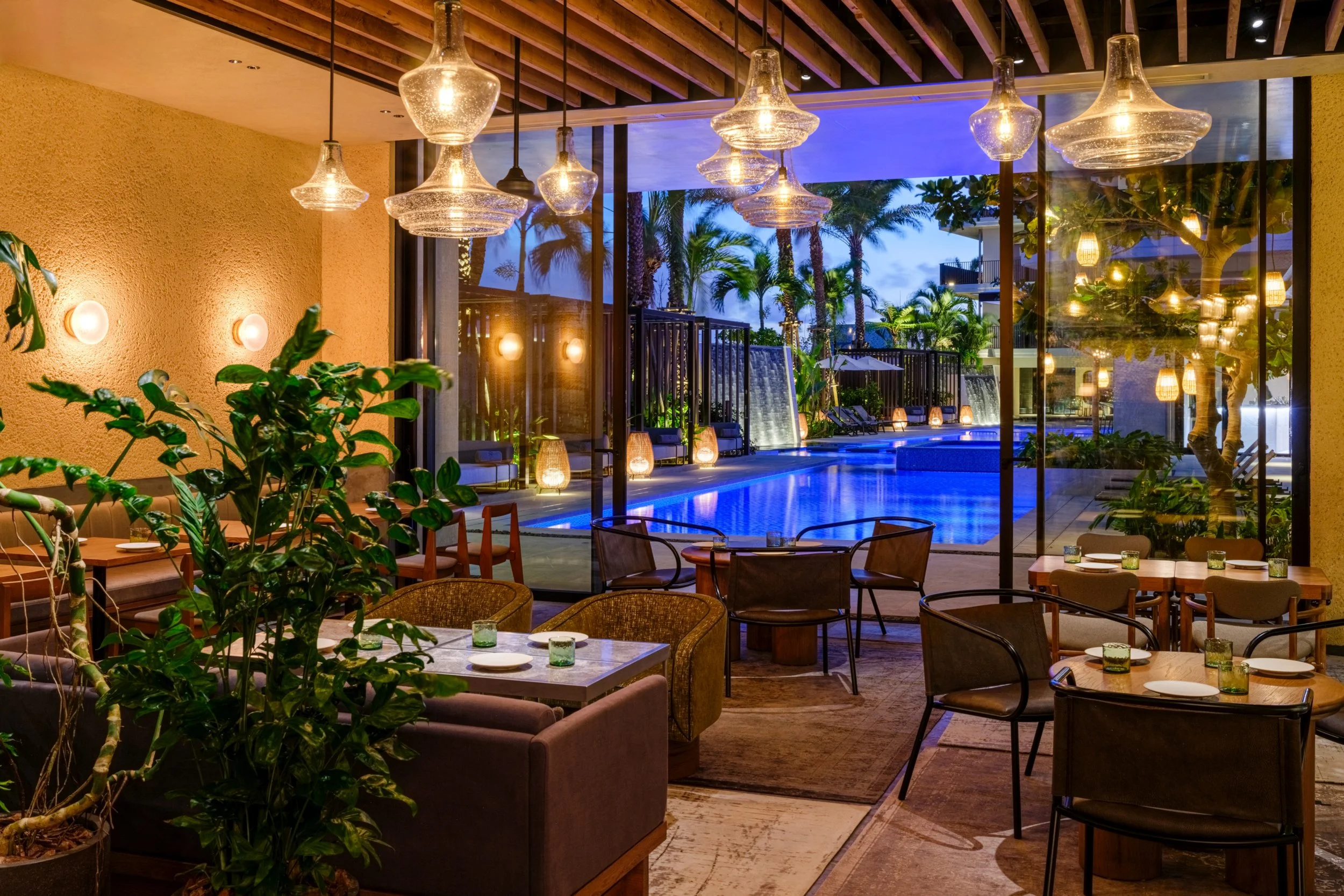
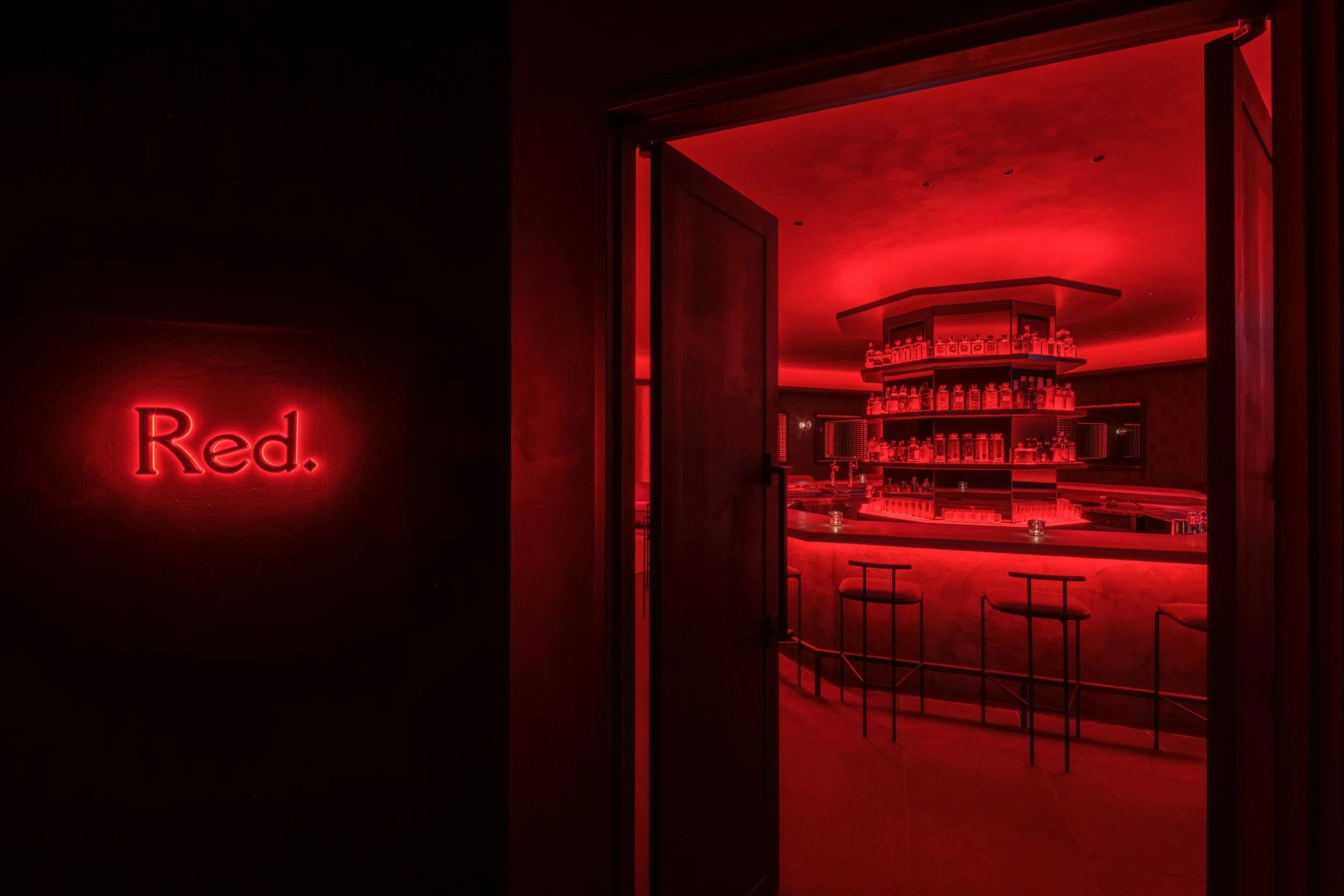
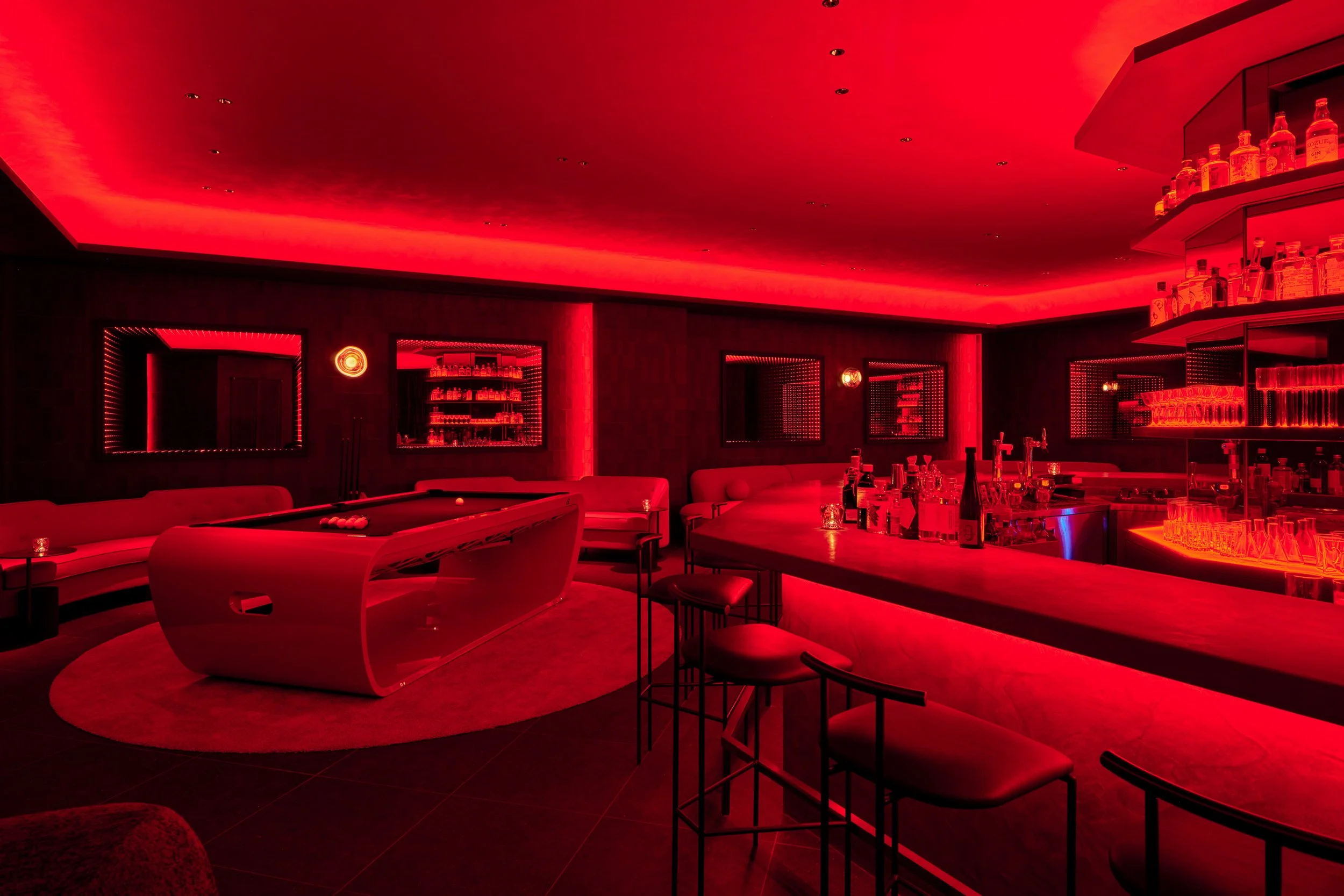
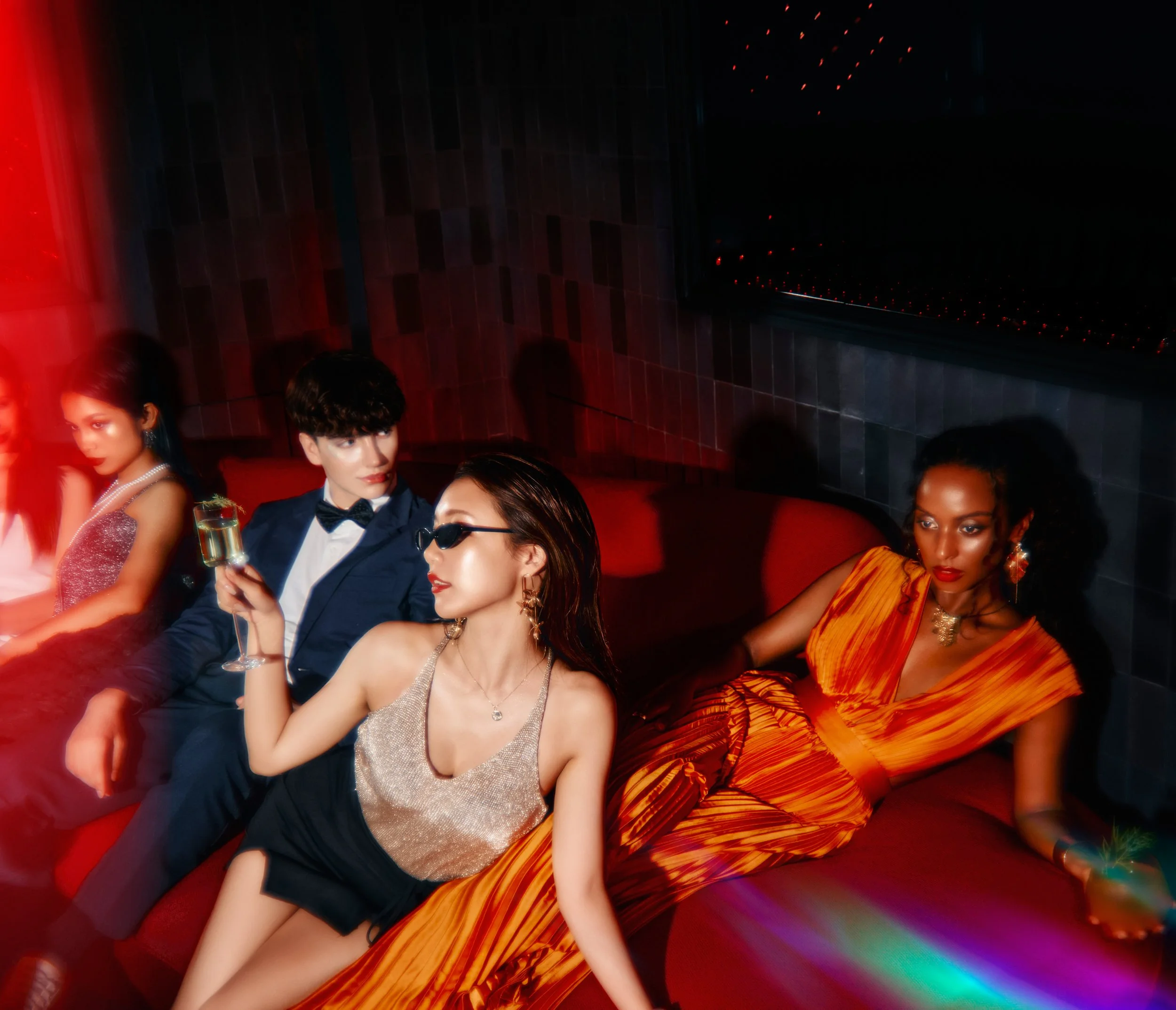
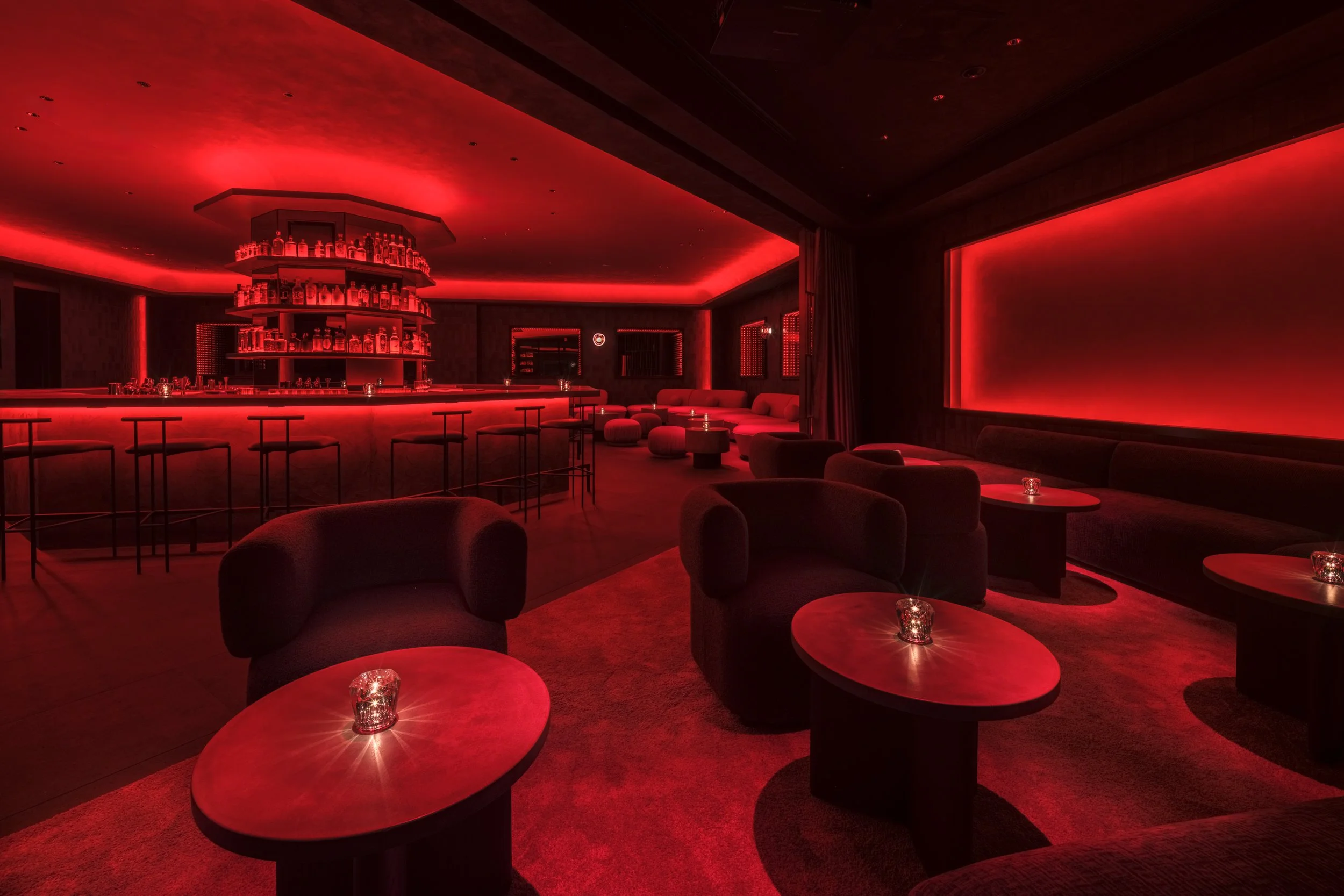
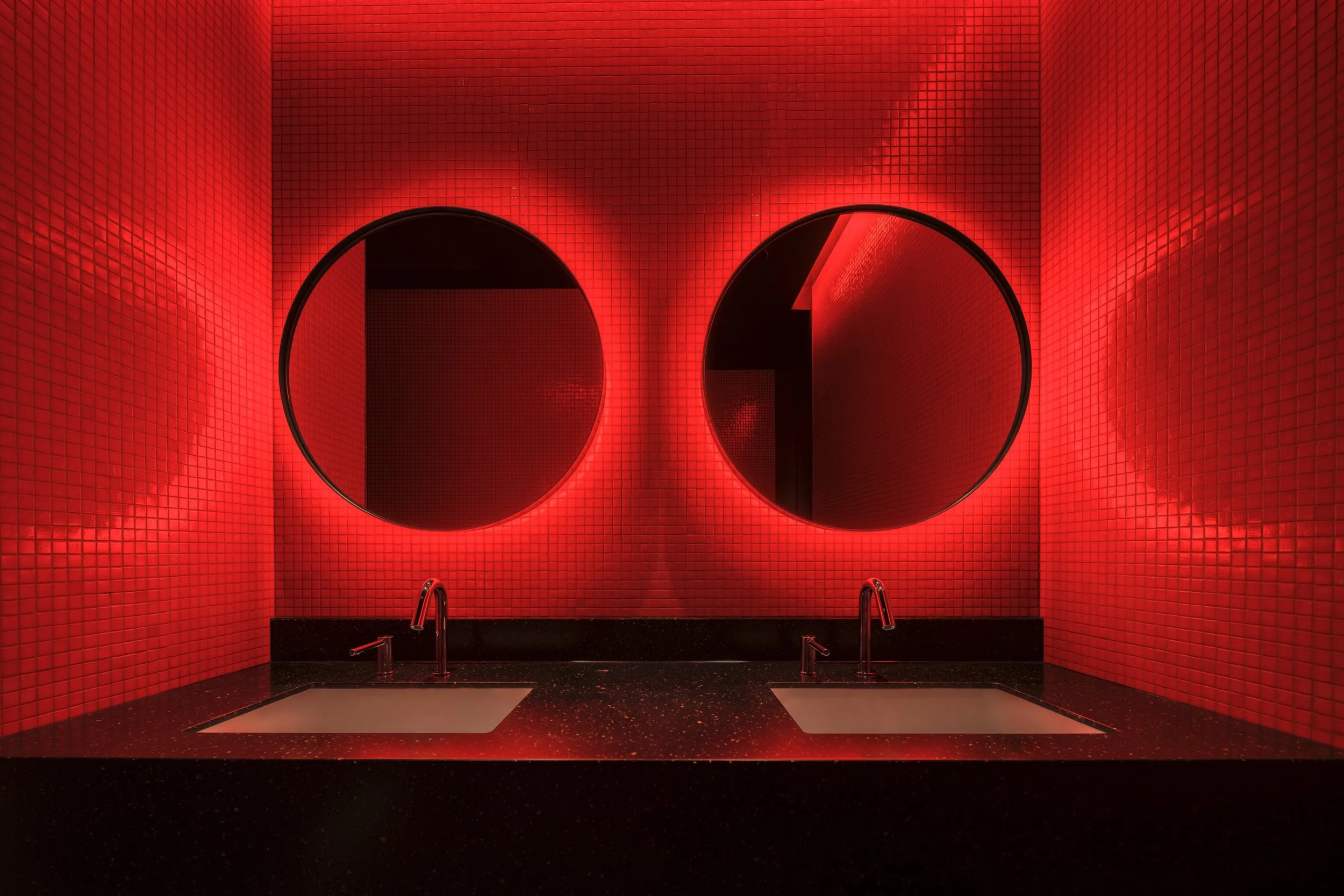
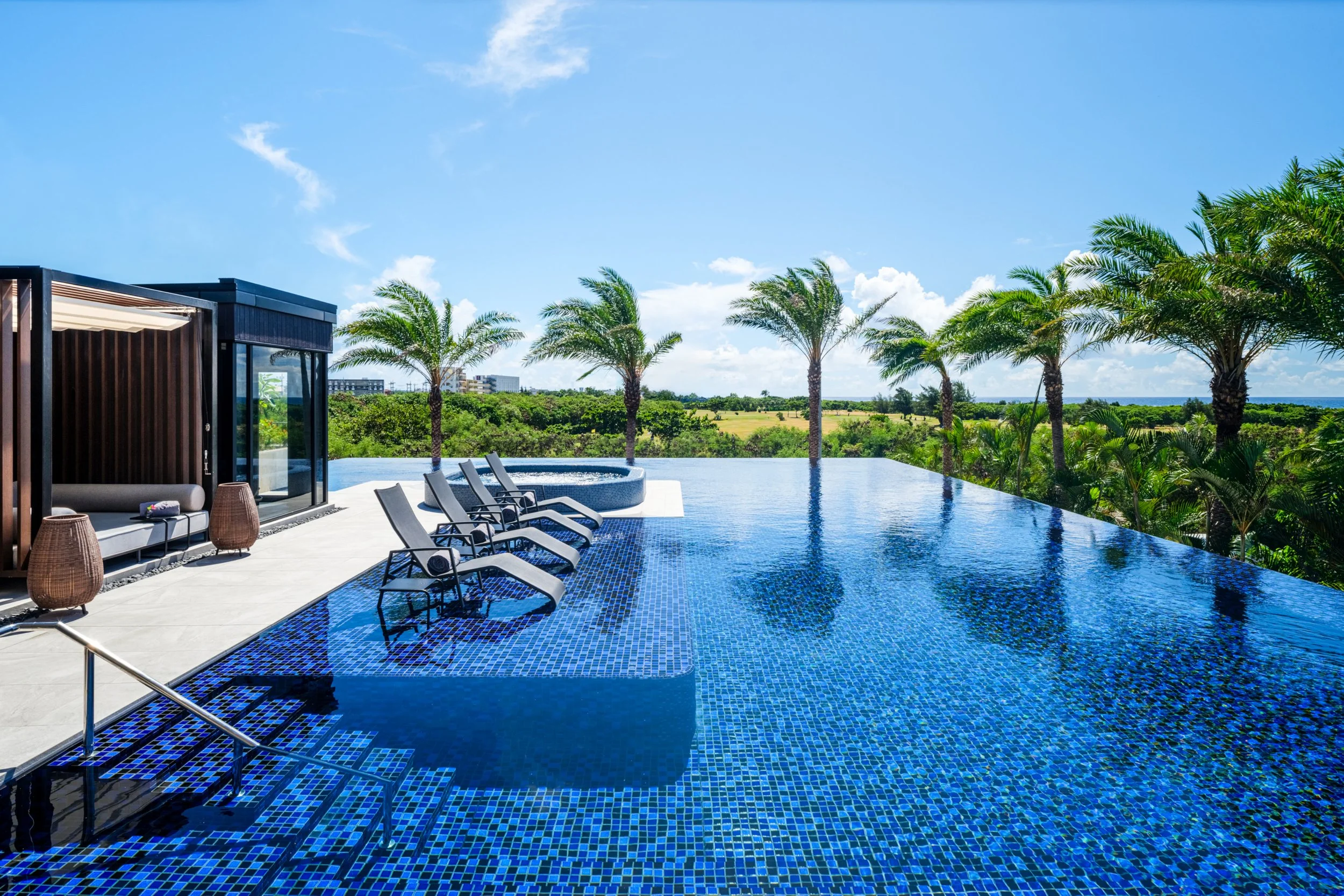
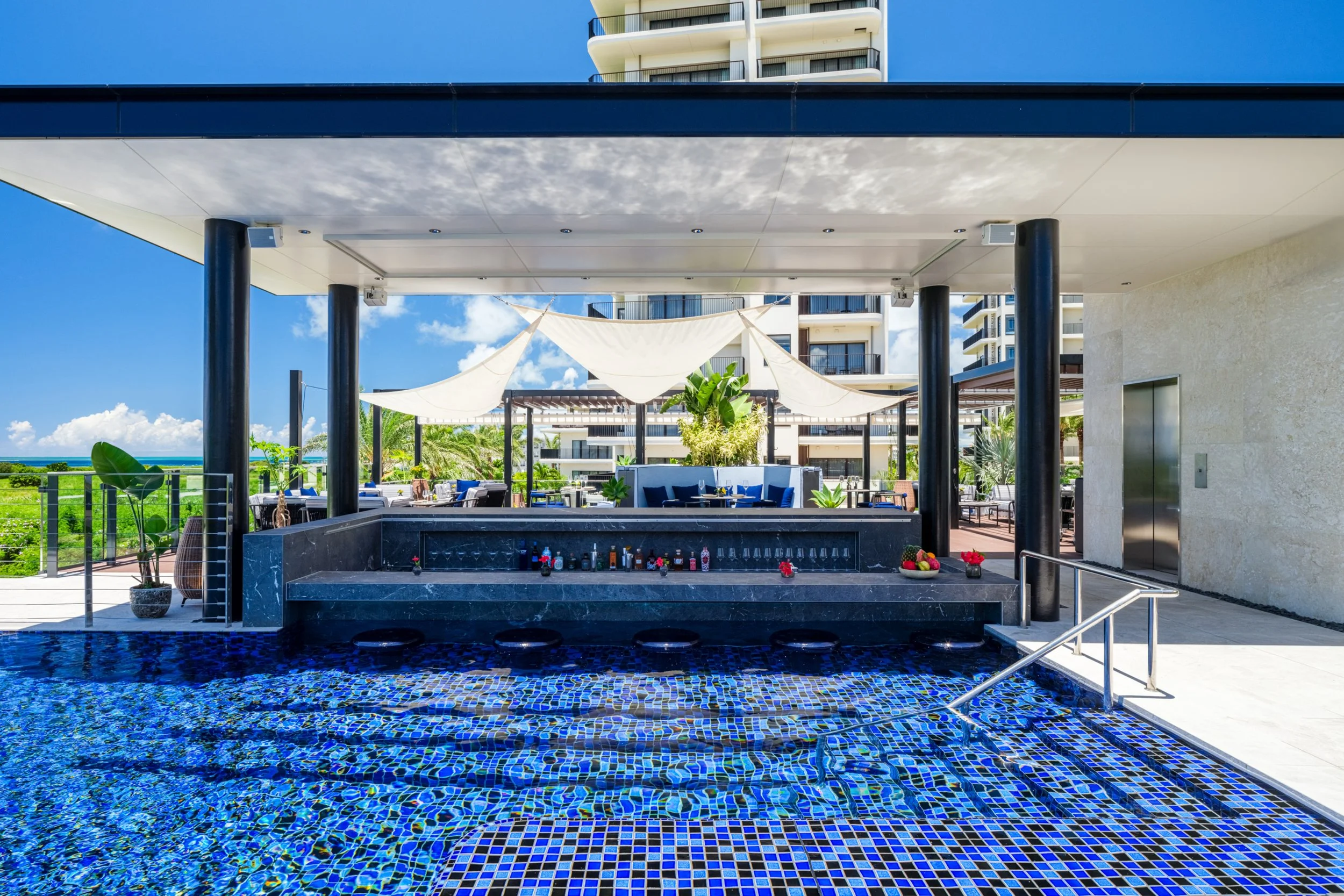
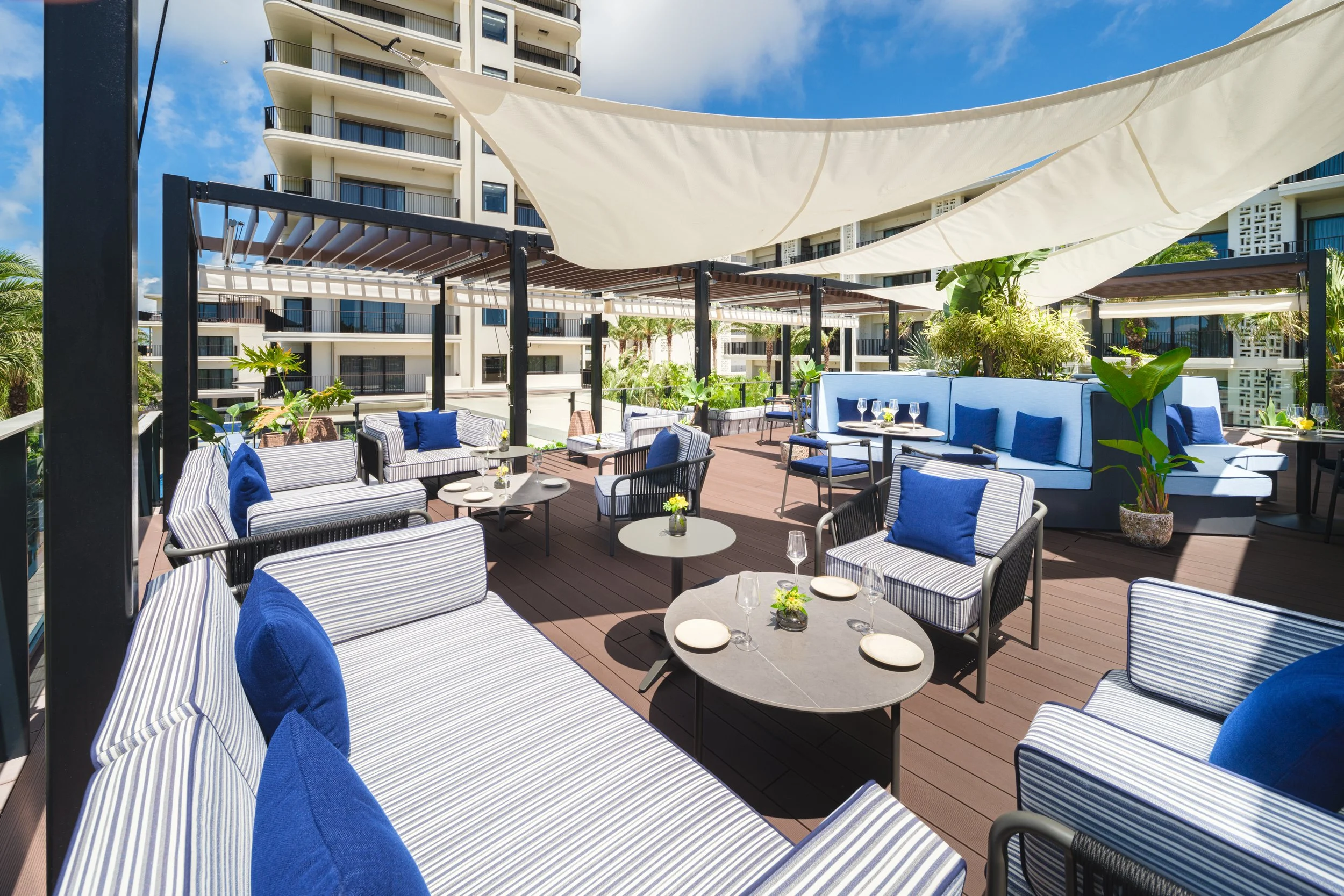
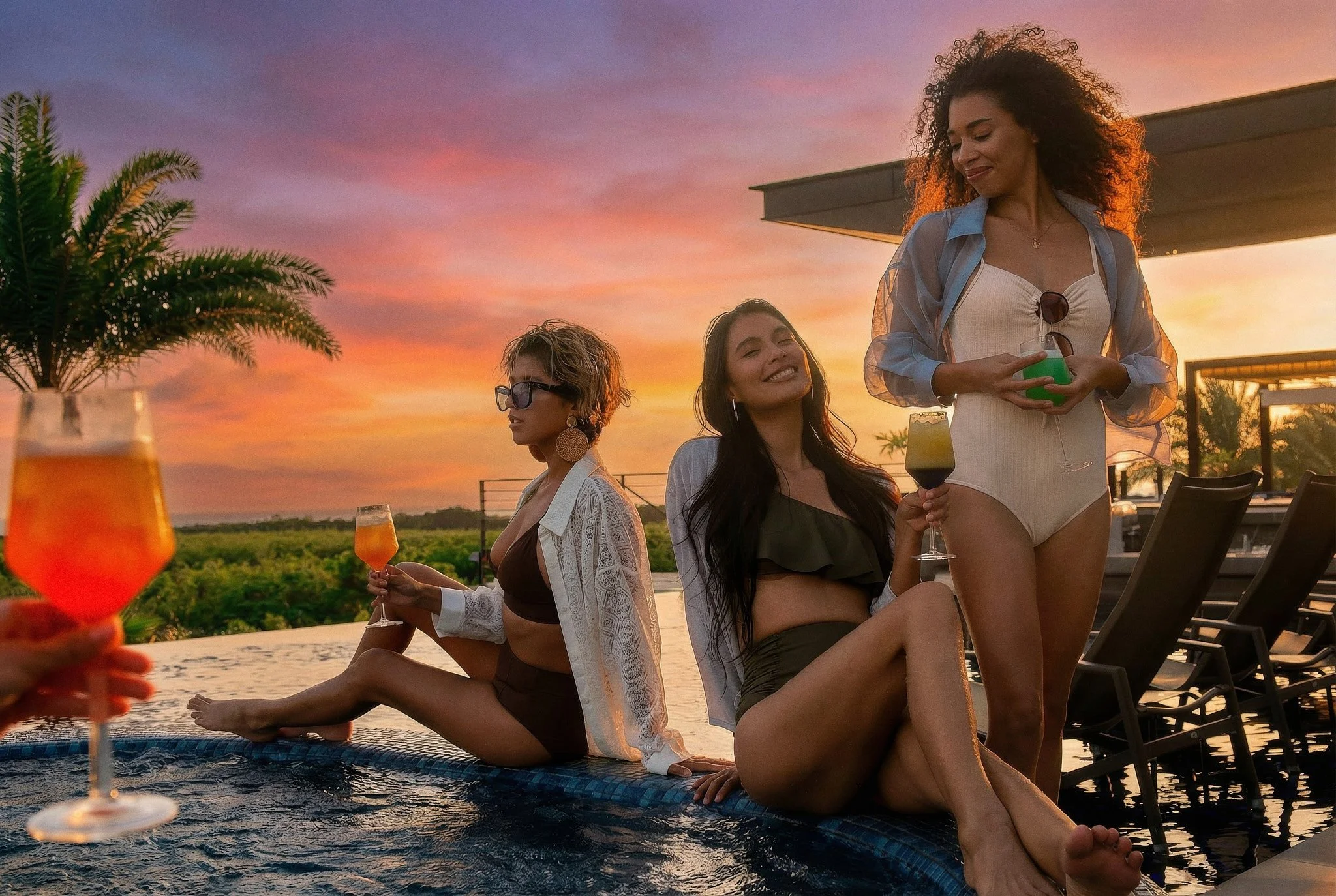
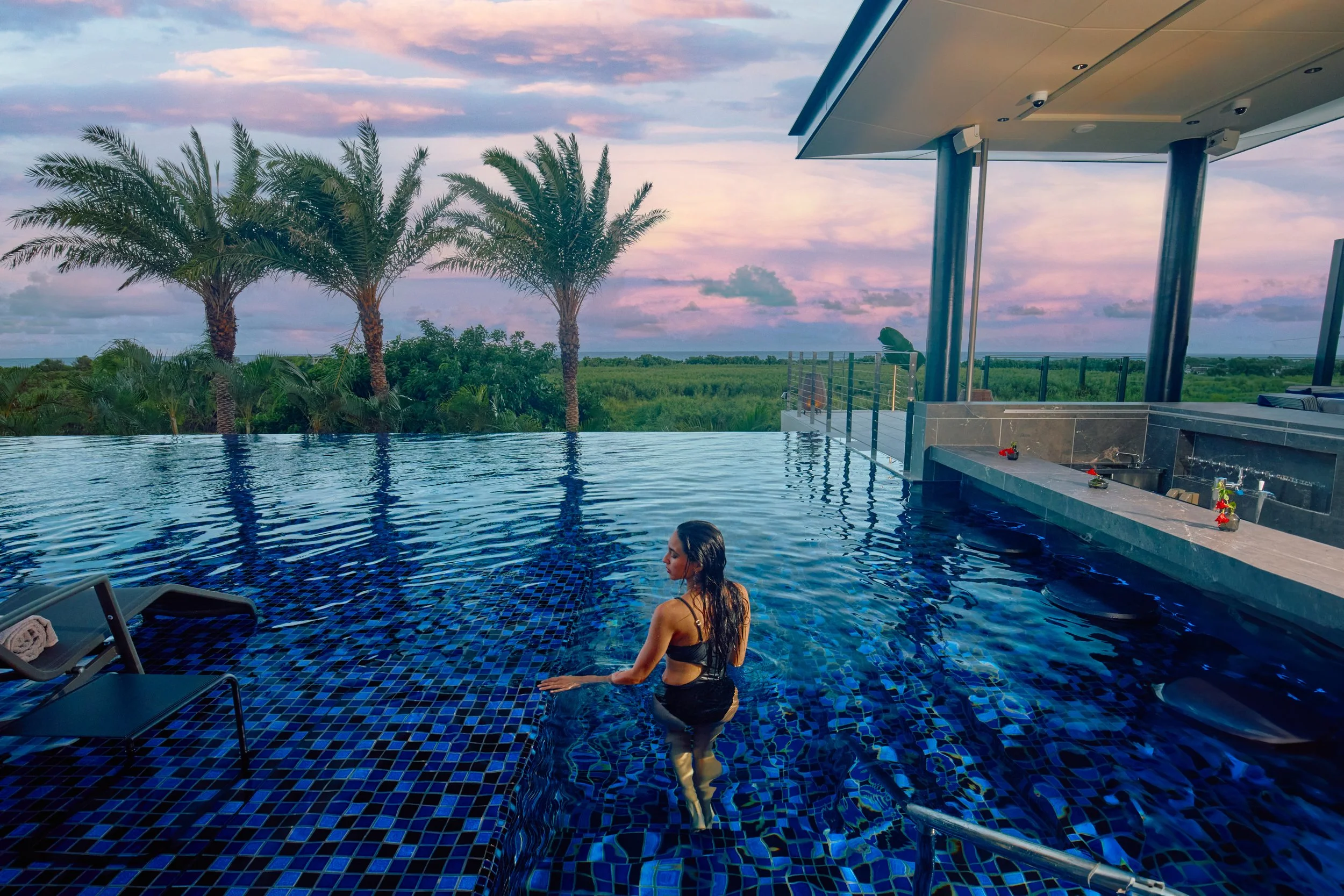
Batida establishes a high-energy, Latin-Italian dining environment designed for social activation. RED., the basement lounge, introduces a more intimate, nightlife-driven layer with a strong focus on atmosphere and depth of experience. The Skybar and rooftop infinity pool operate as a daytime-to-sunset transition point, combining leisure, view orientation, and social interaction.
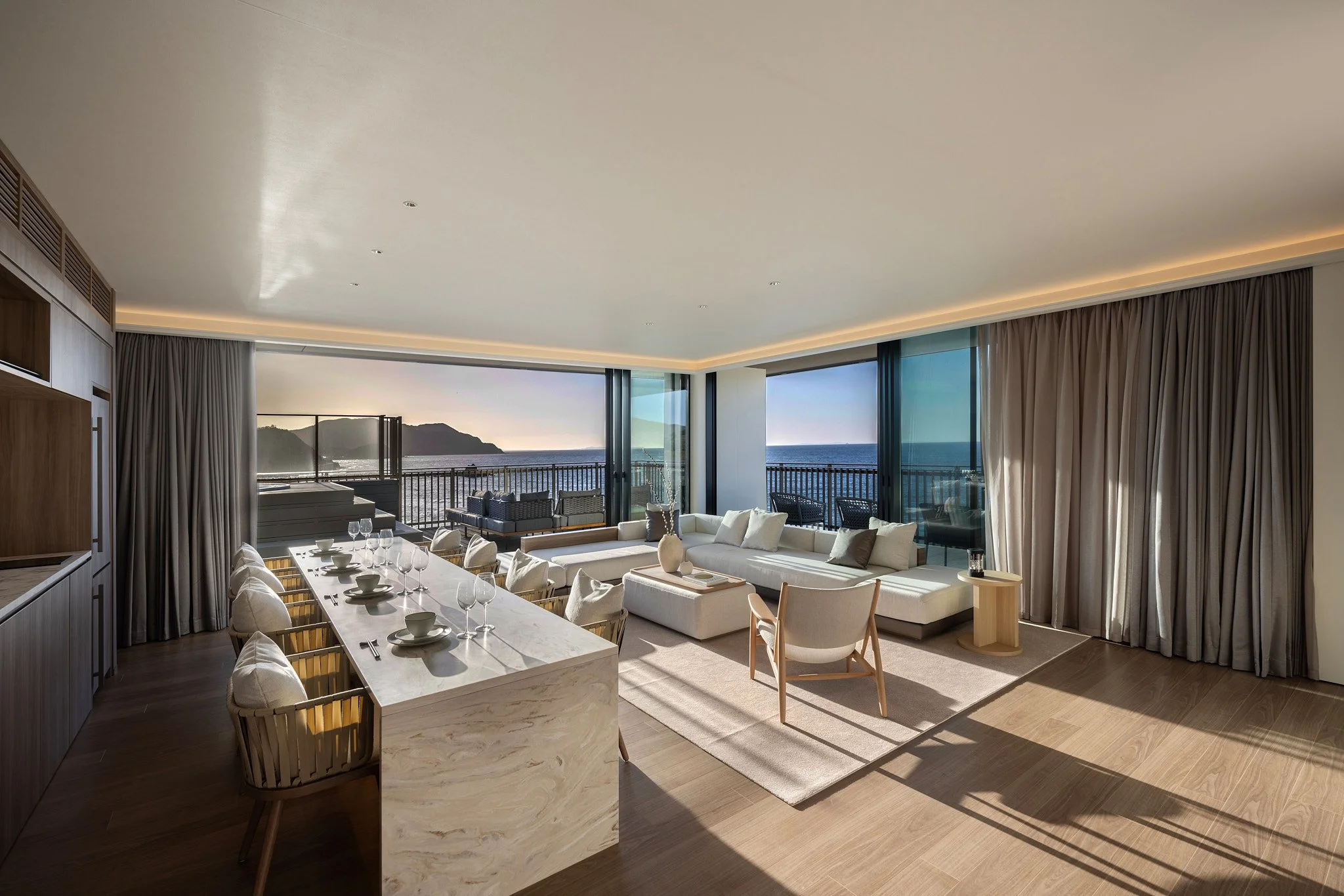
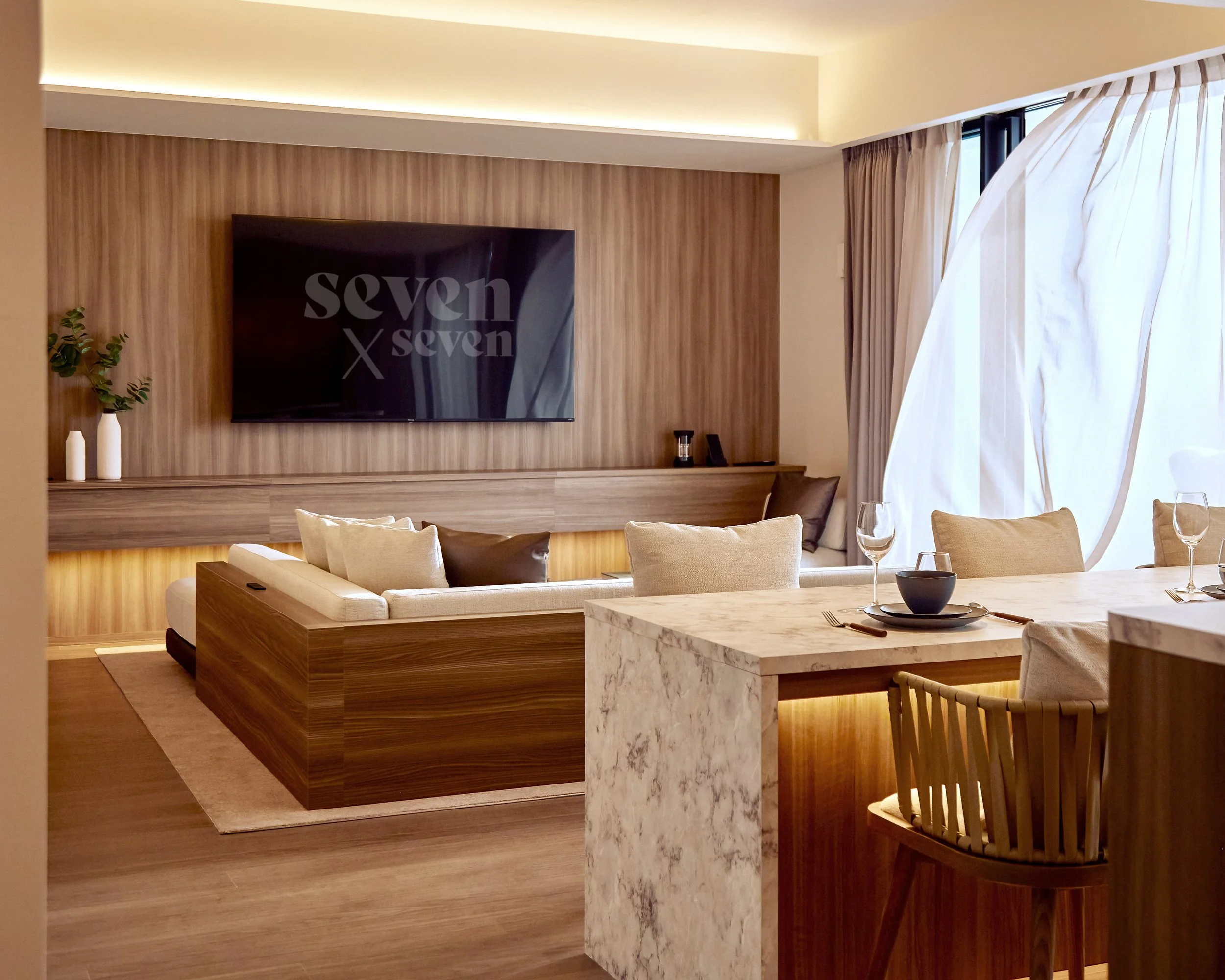
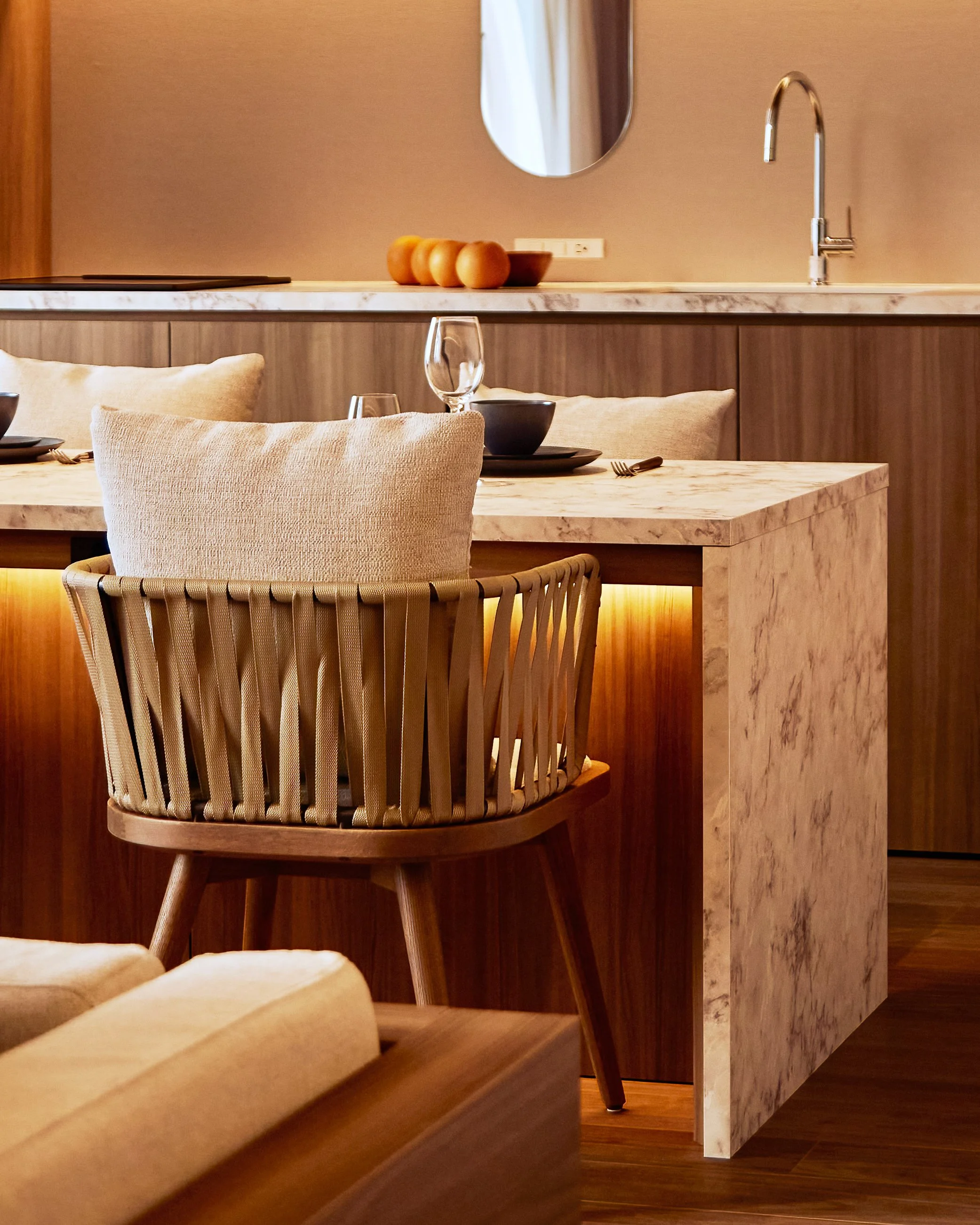
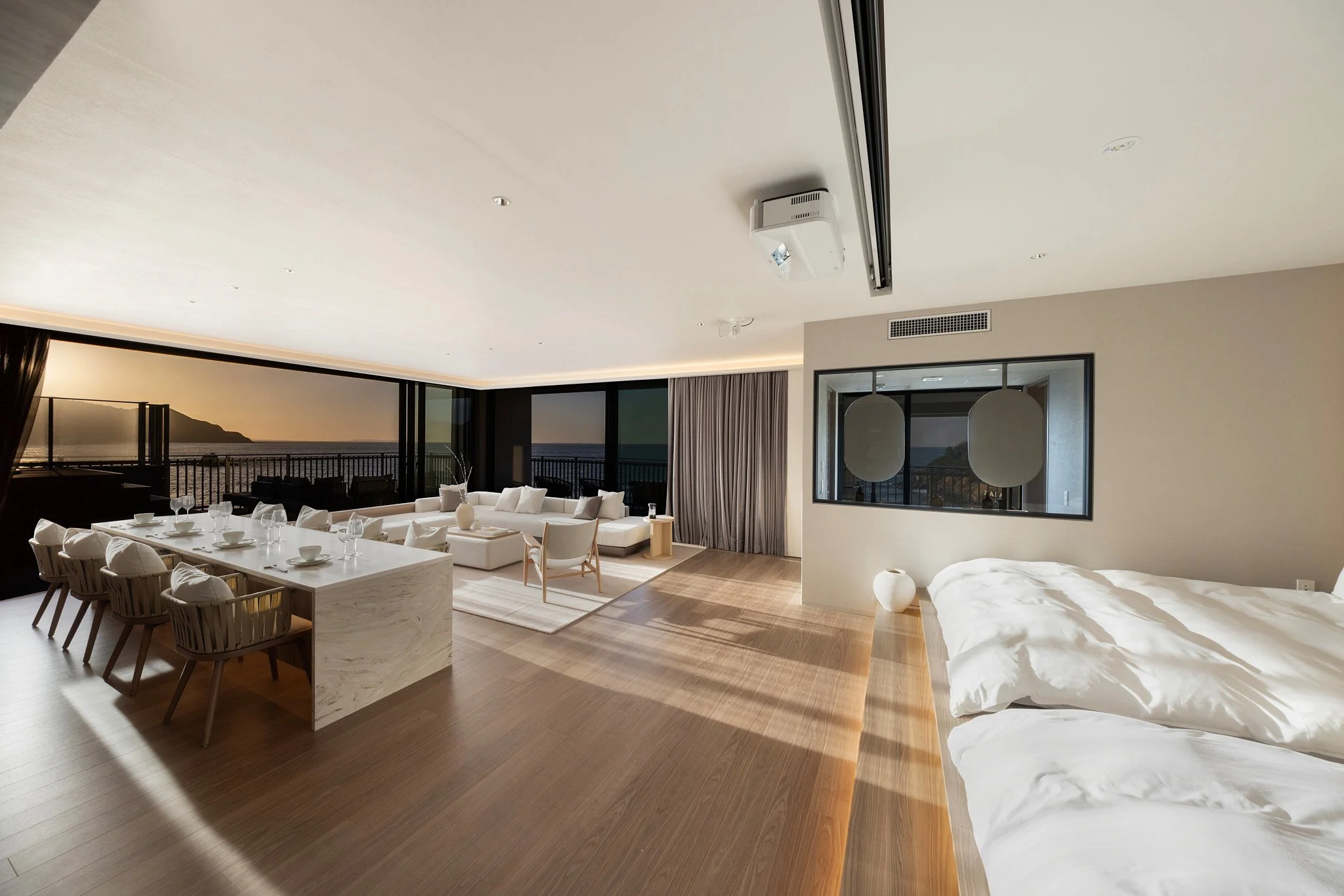
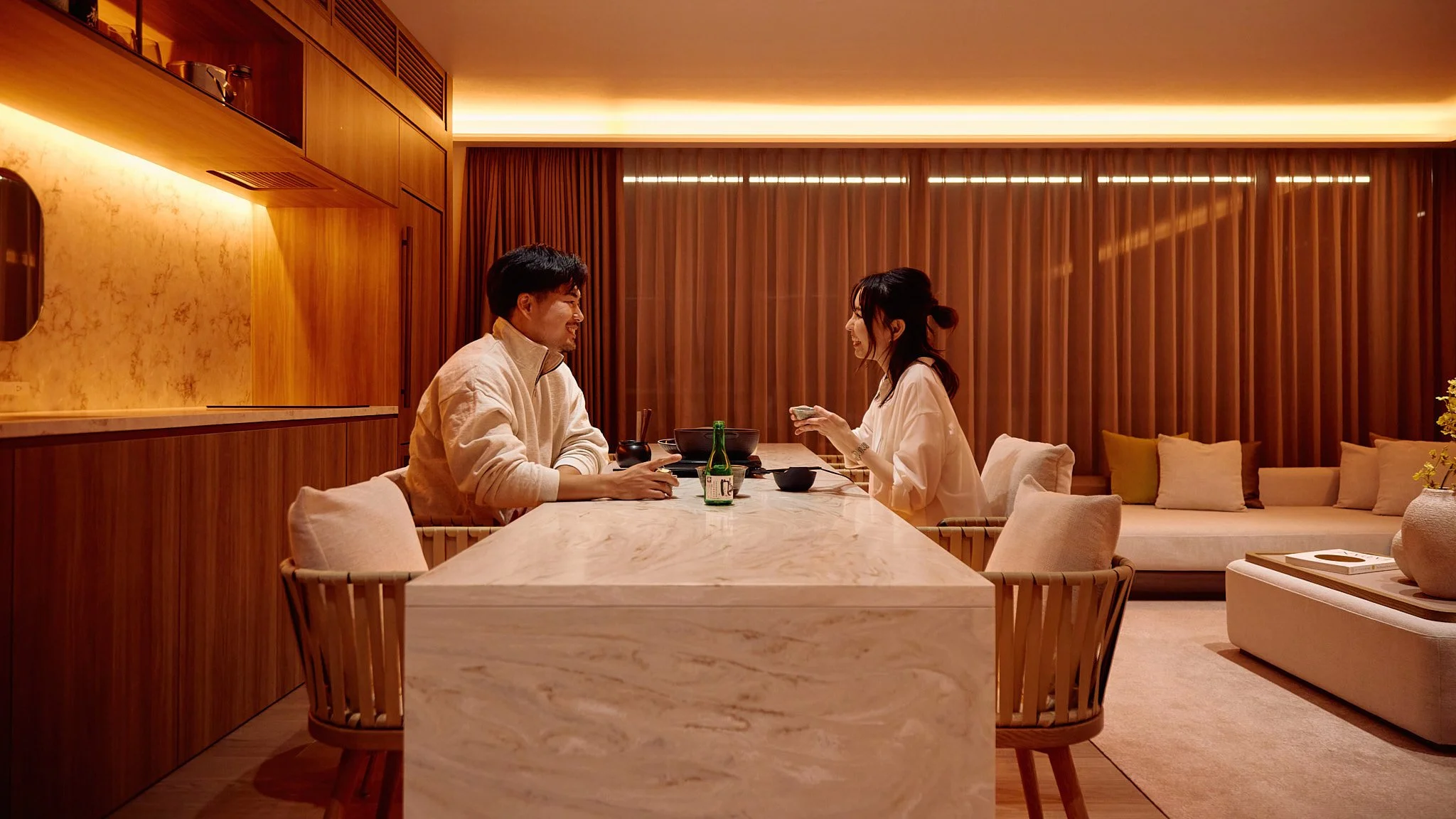
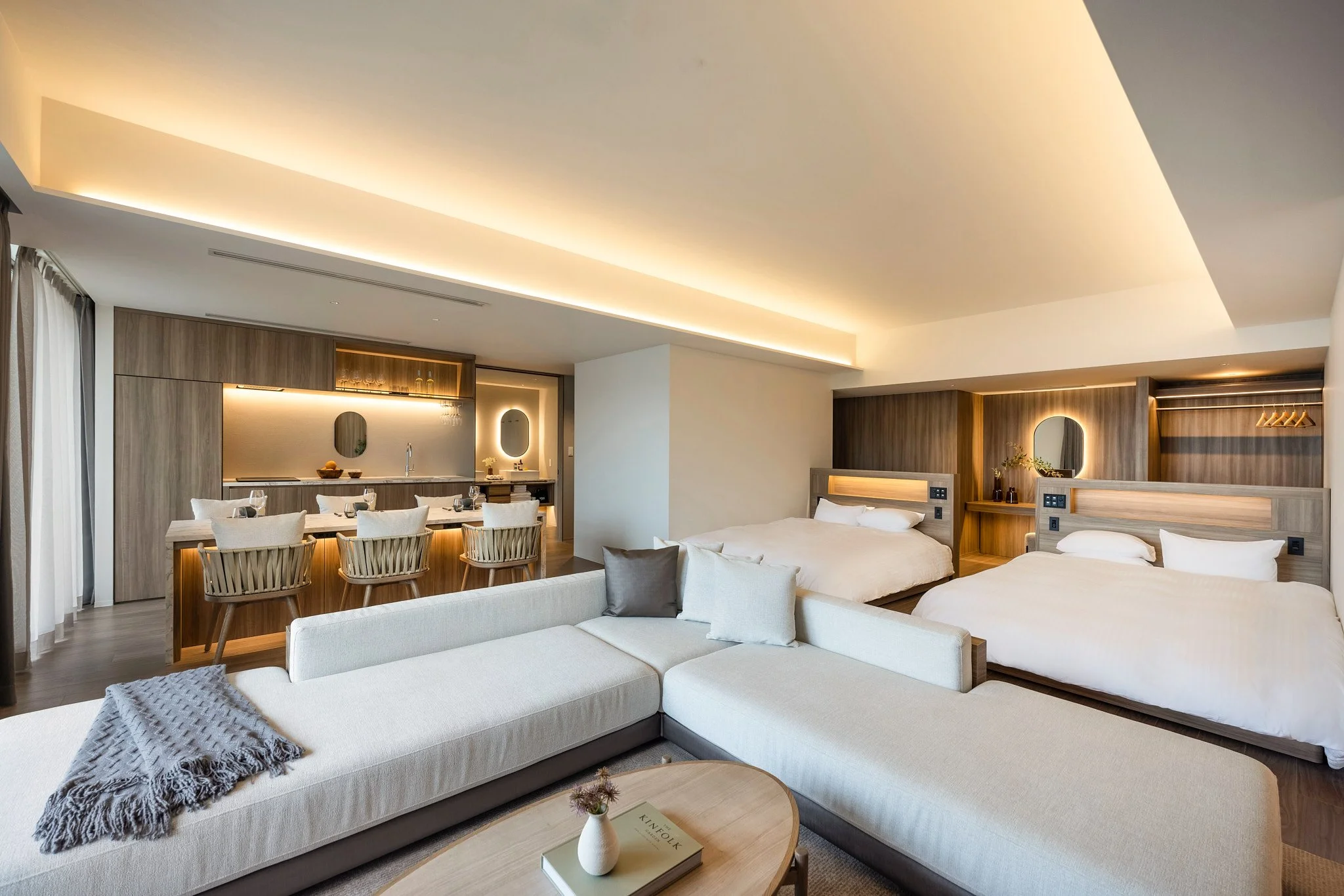
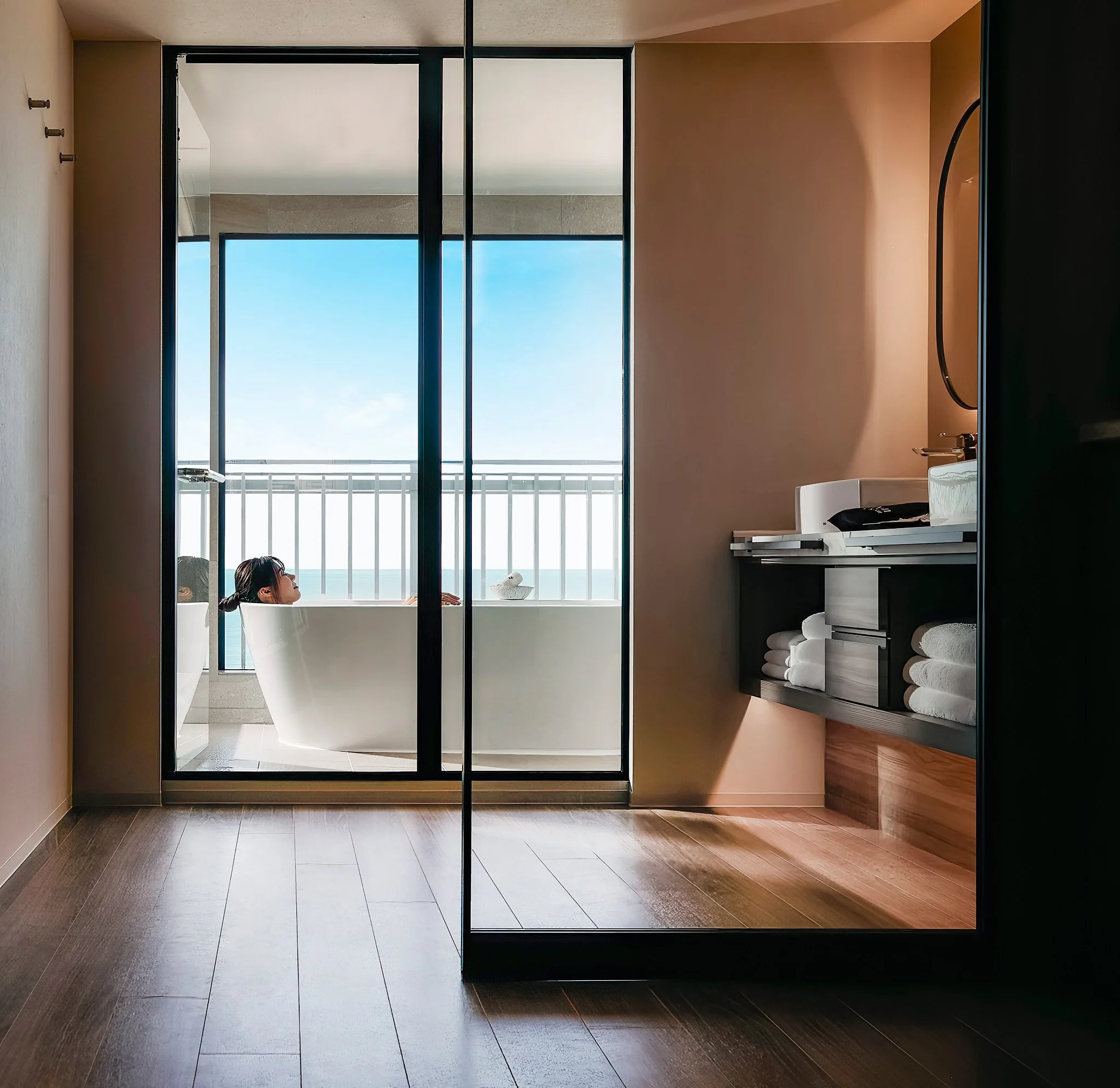
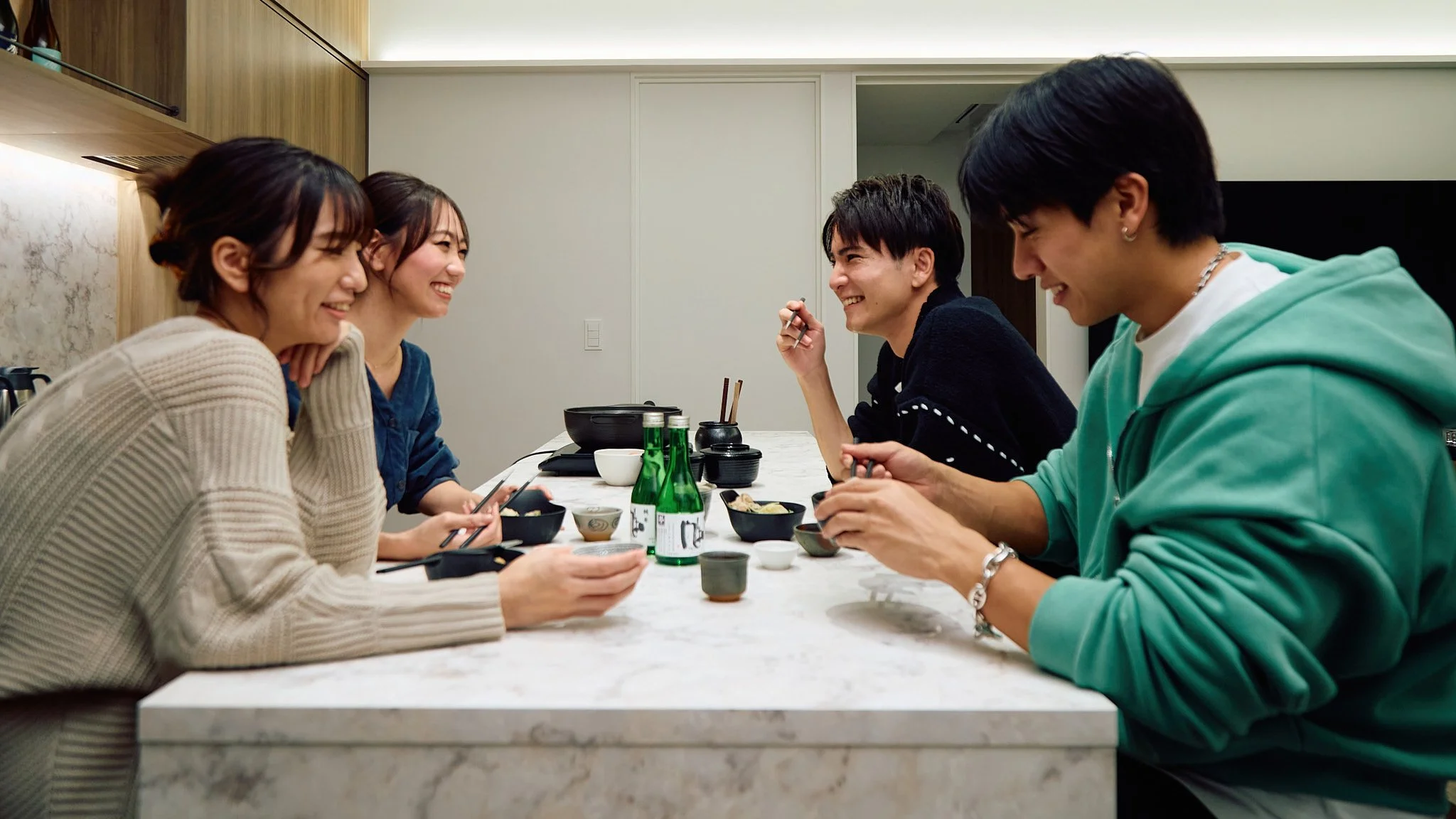
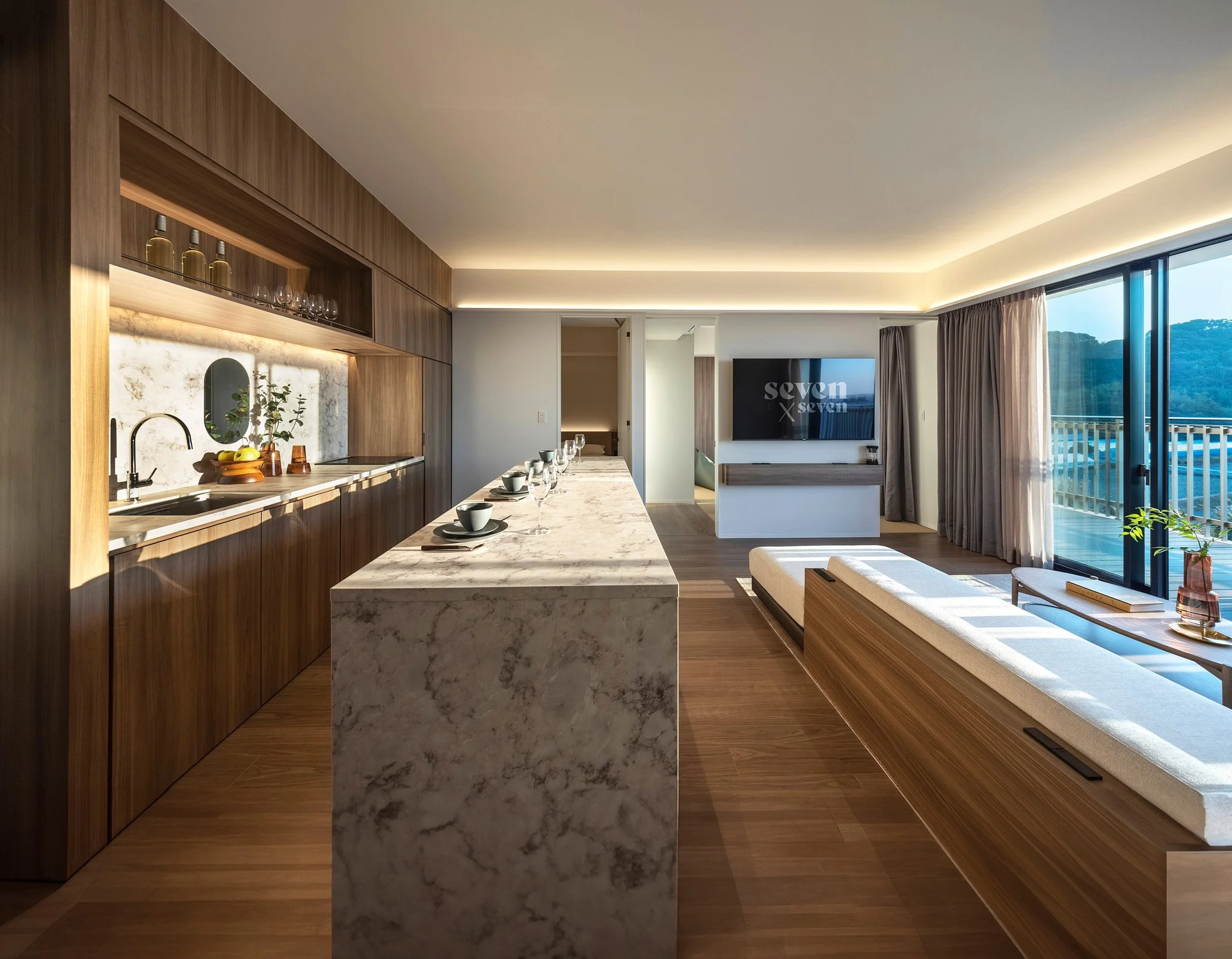
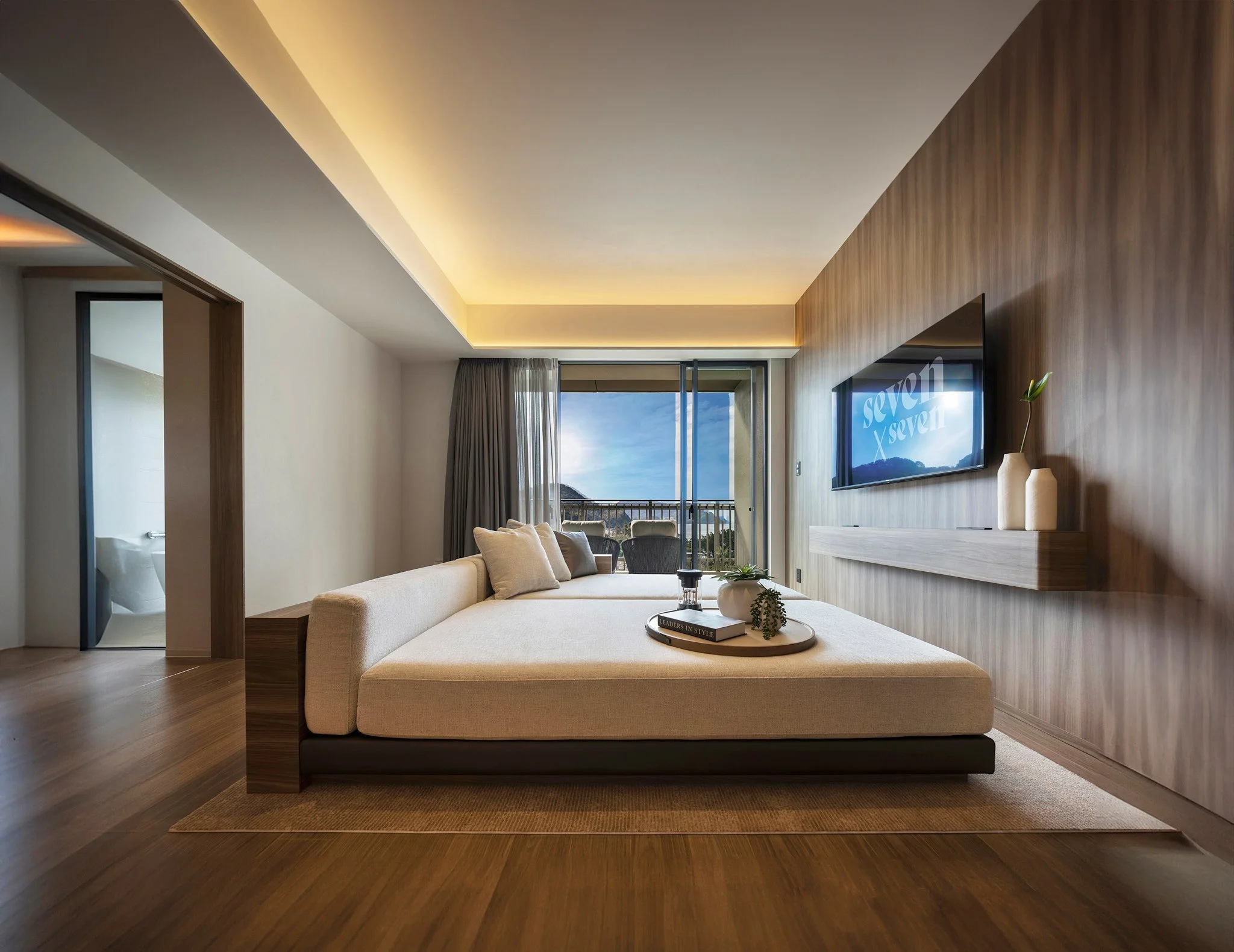
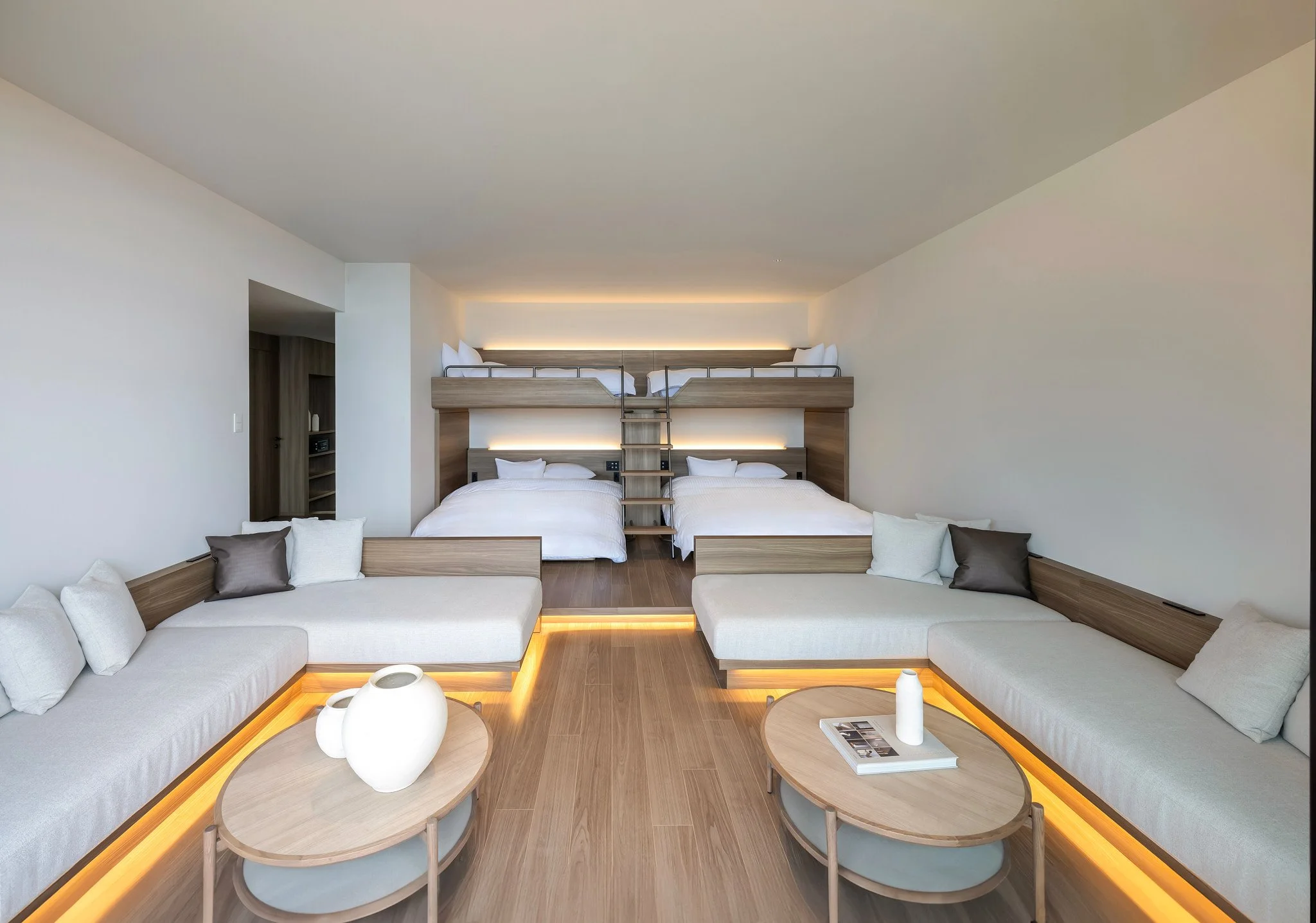
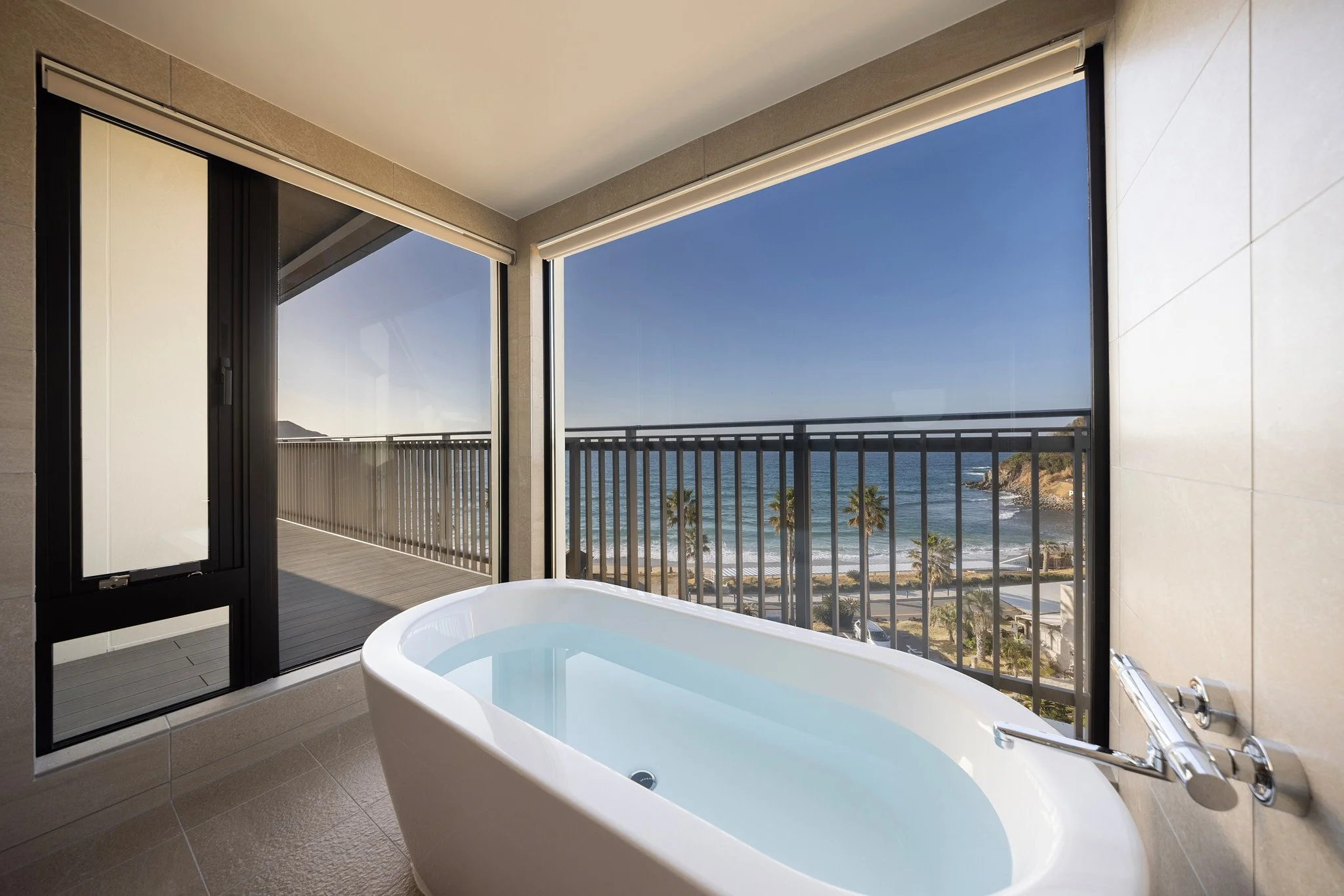
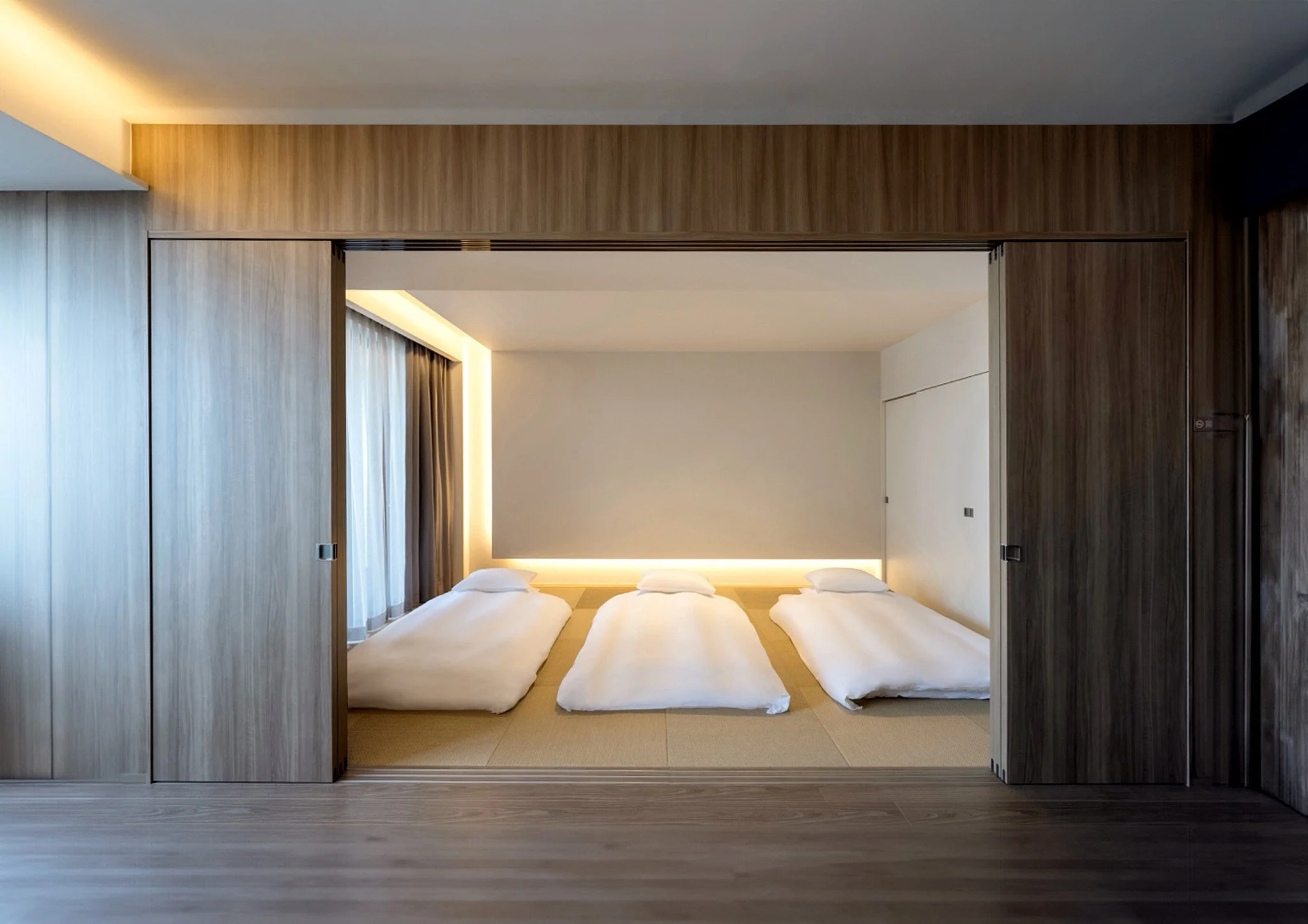
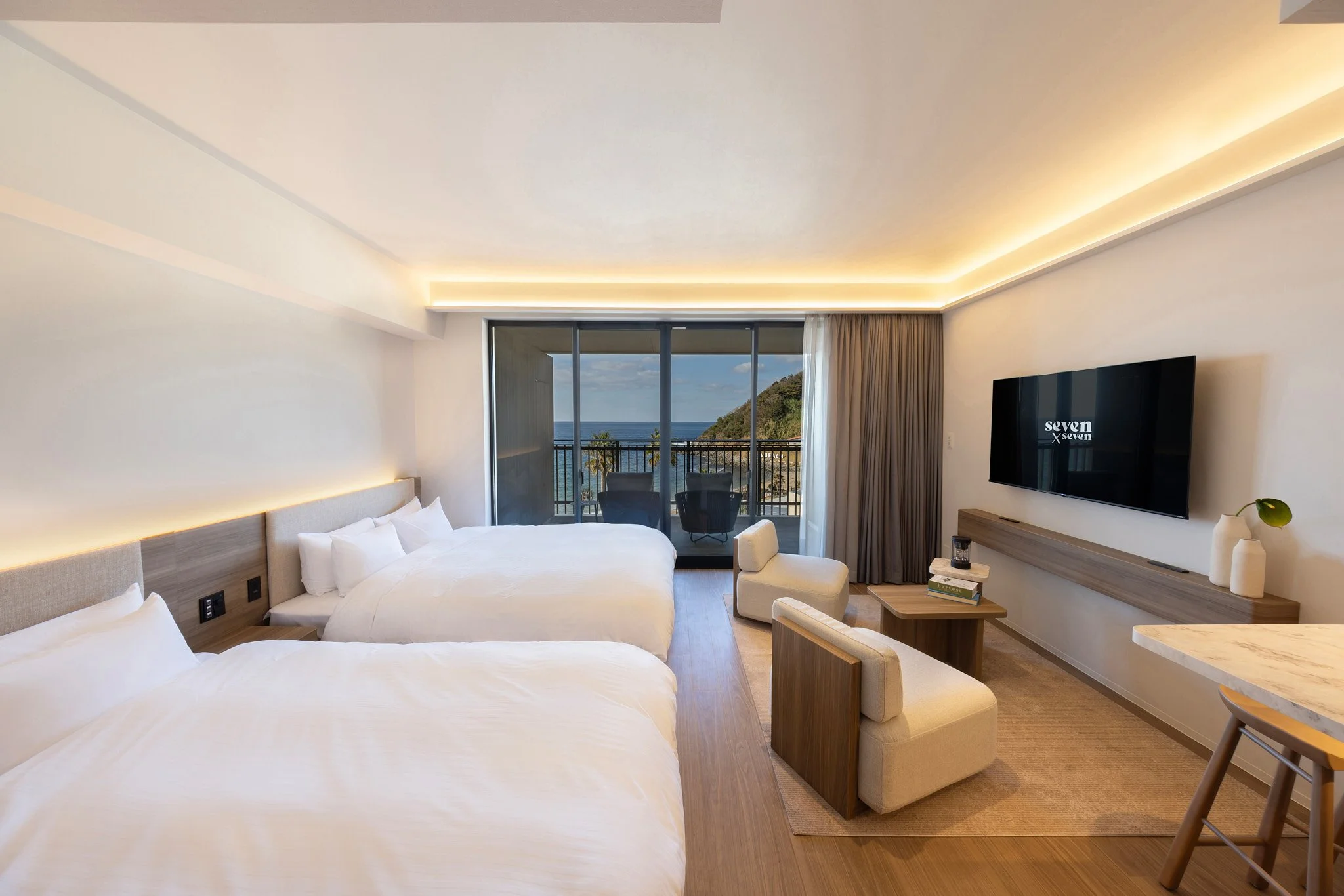
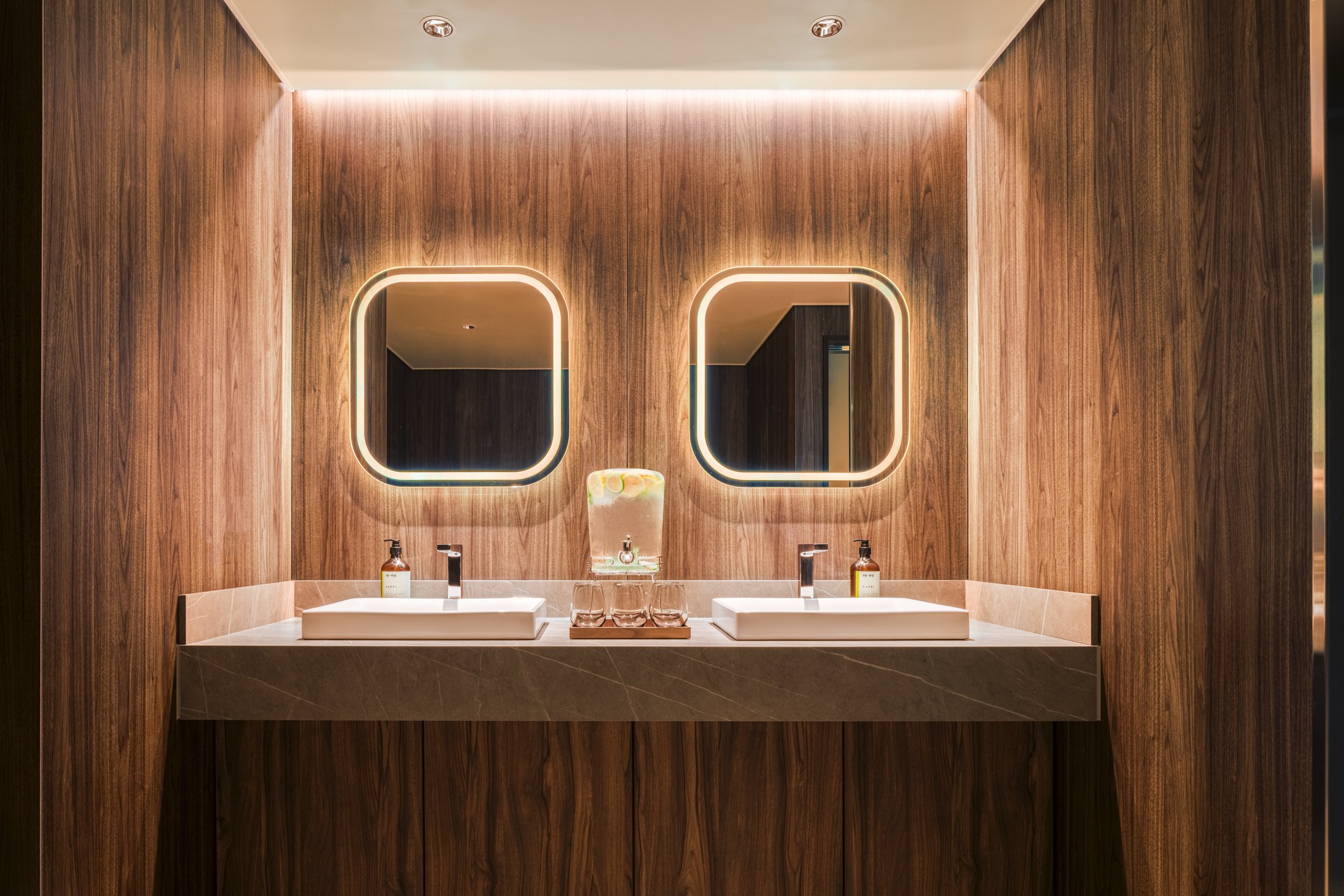
Accommodation is designed as a flexible living environment. Suites with private pools, kitchens, and spa-style bathrooms allow guests to shift between private retreat and shared experience without dependency on external services.
Ishigaki is not just a location it’s a working model of how the platform scales. It demonstrates how spatial design, operational logic, and brand positioning integrate to deliver a consistent yet locally responsive experience.
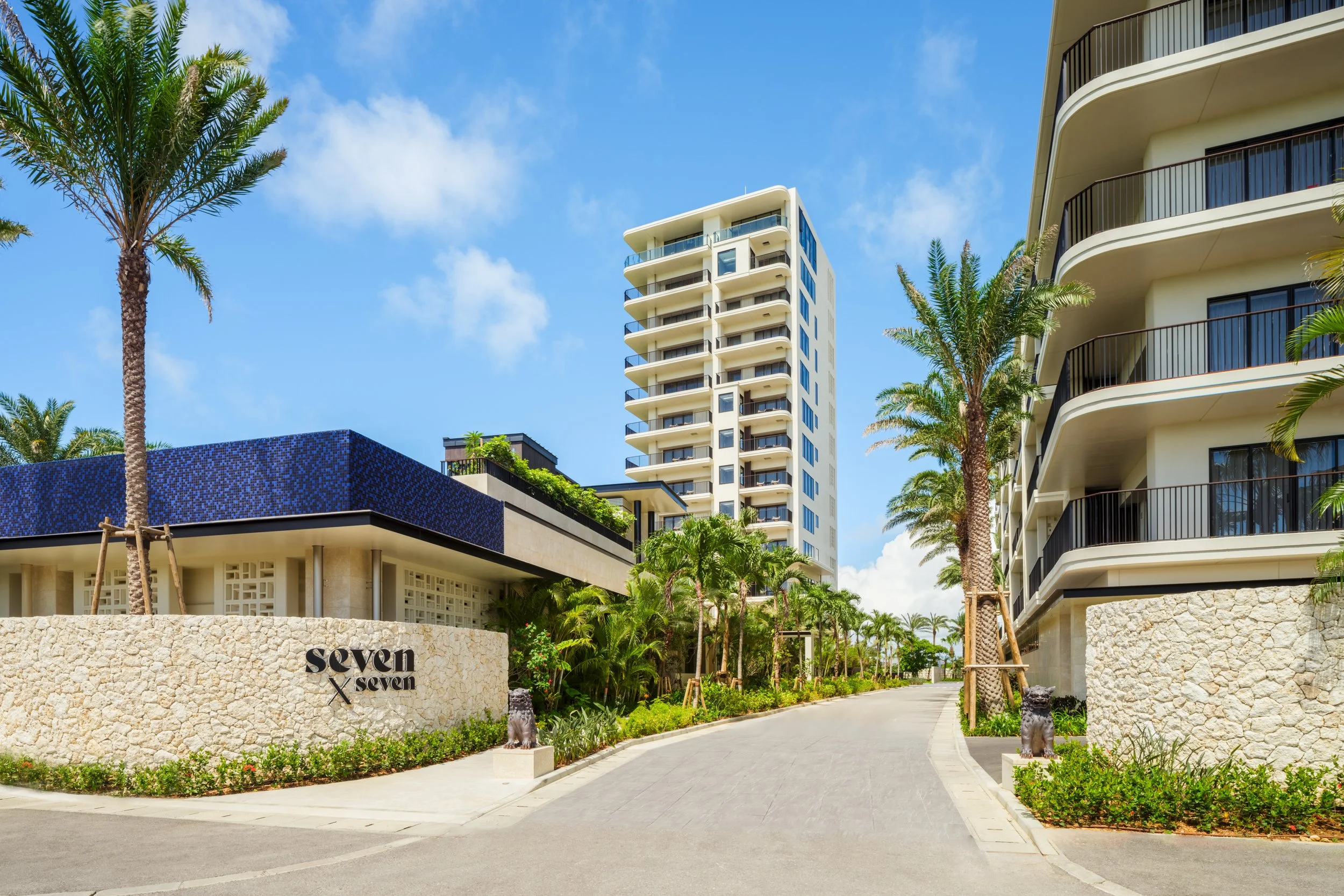
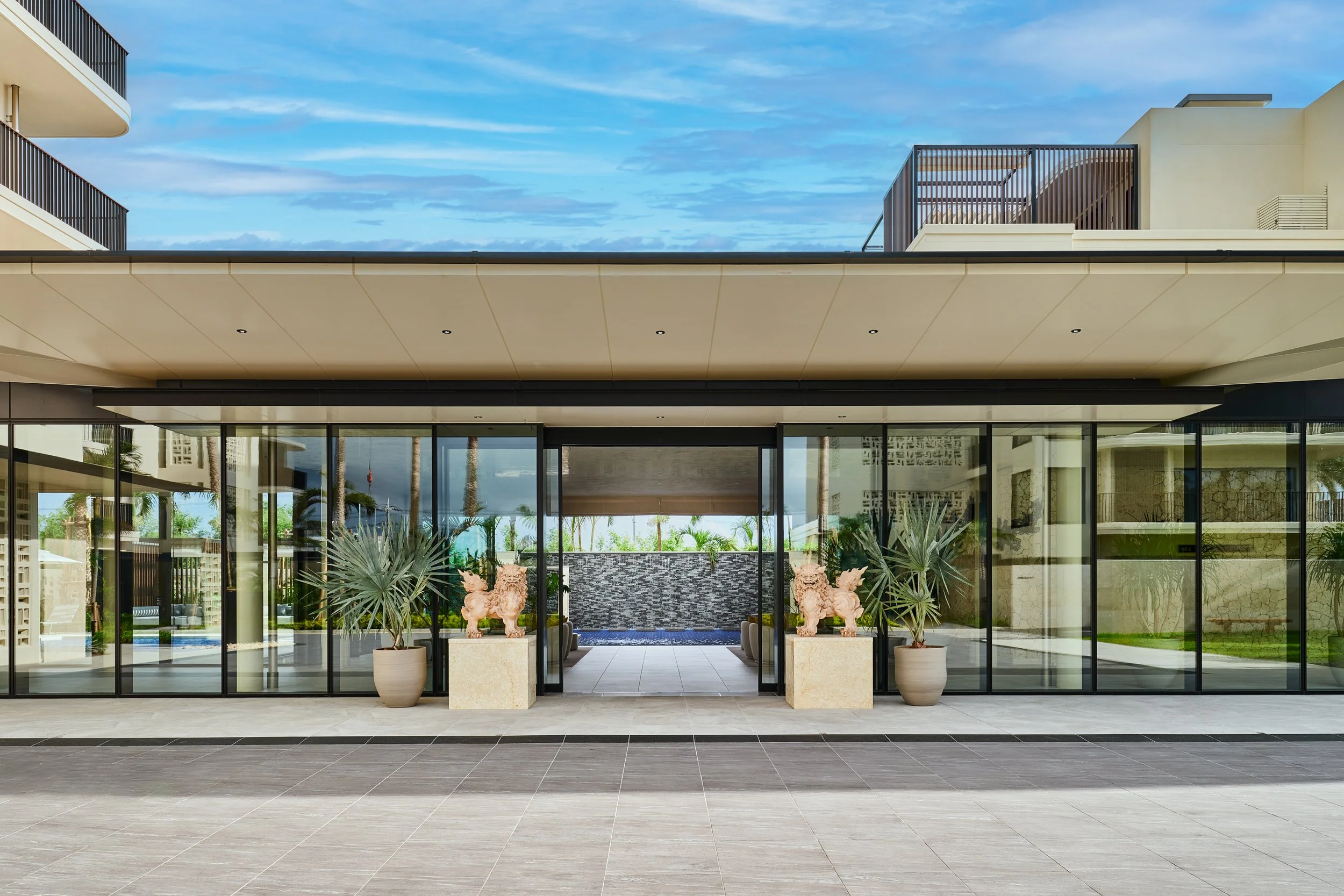
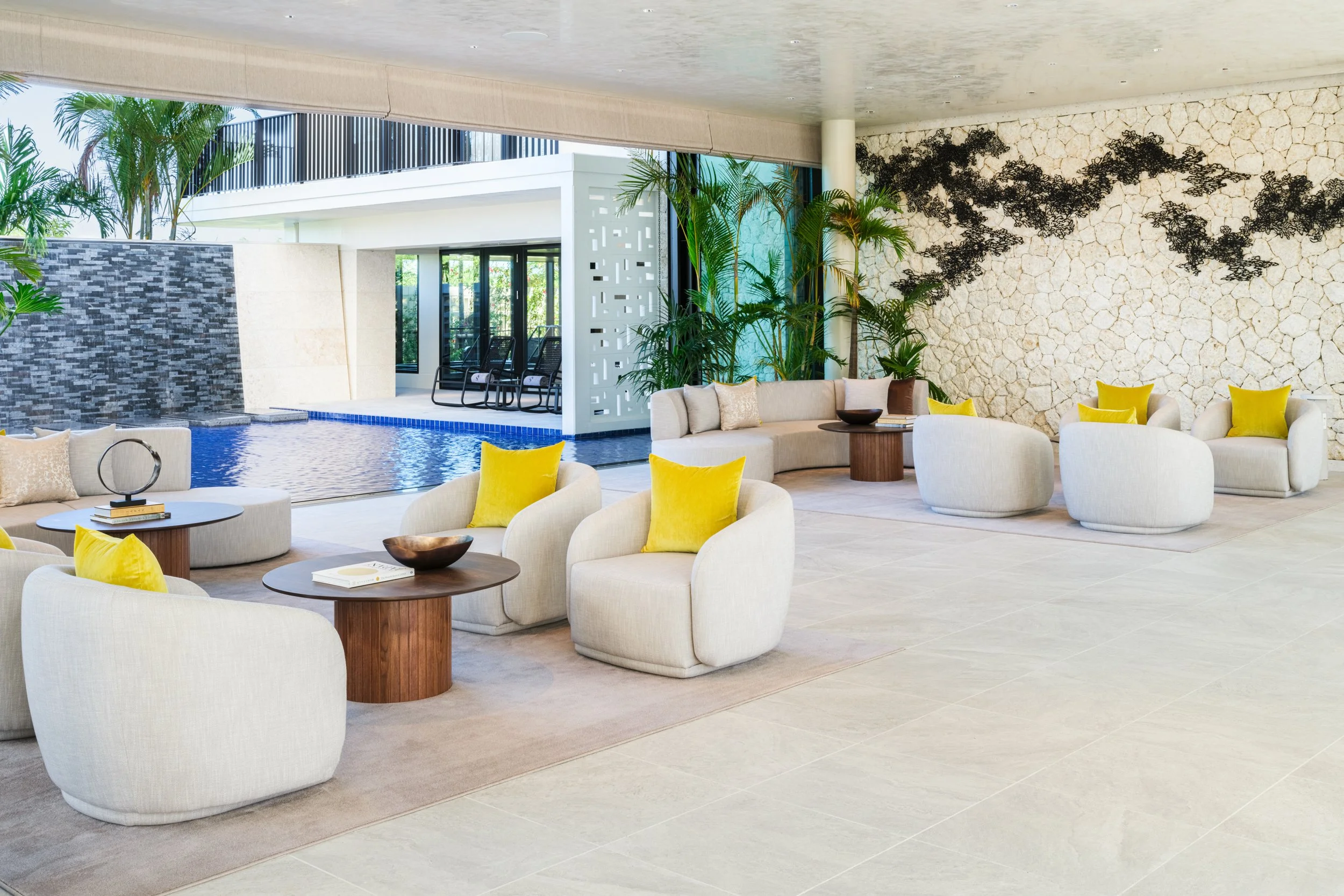
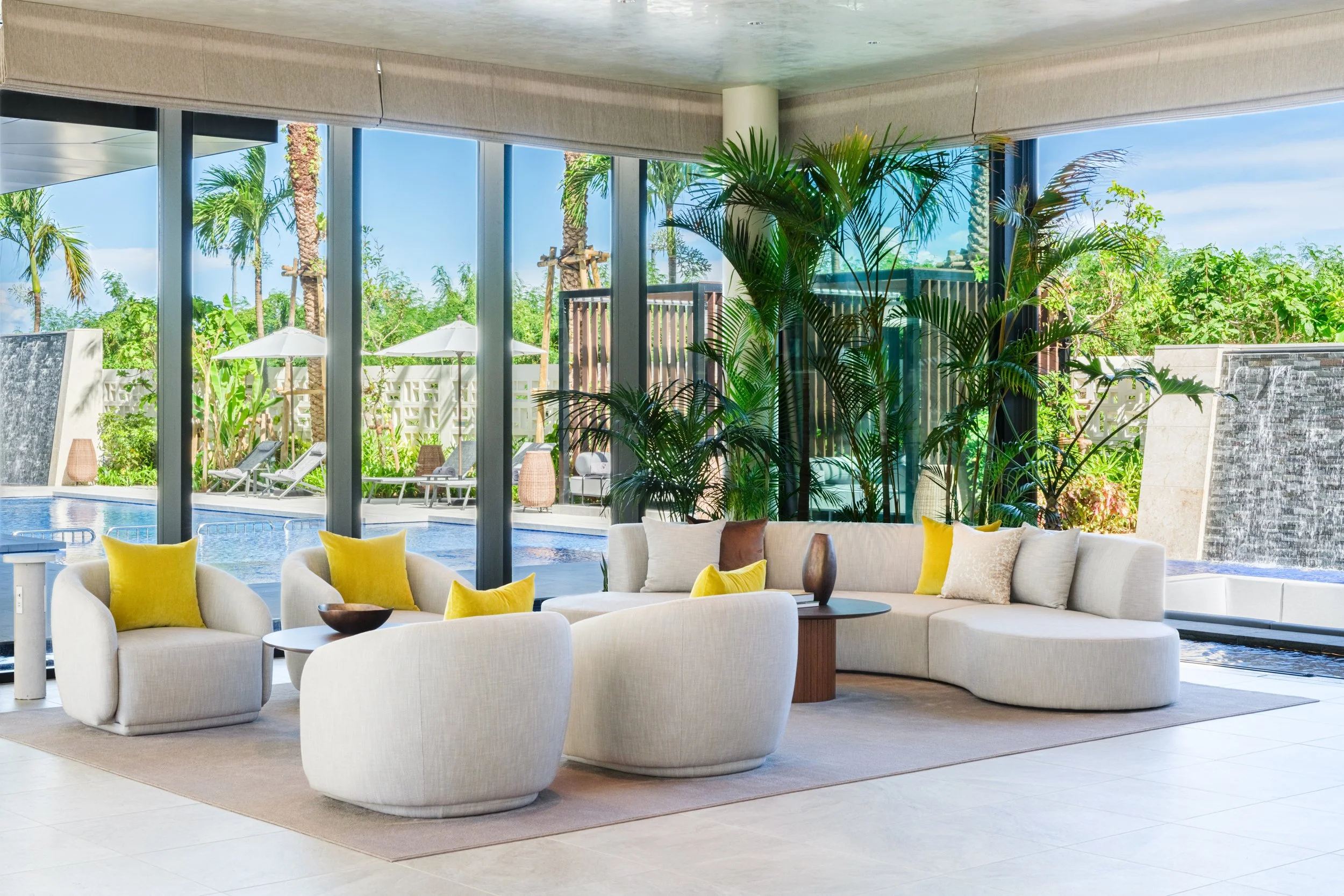

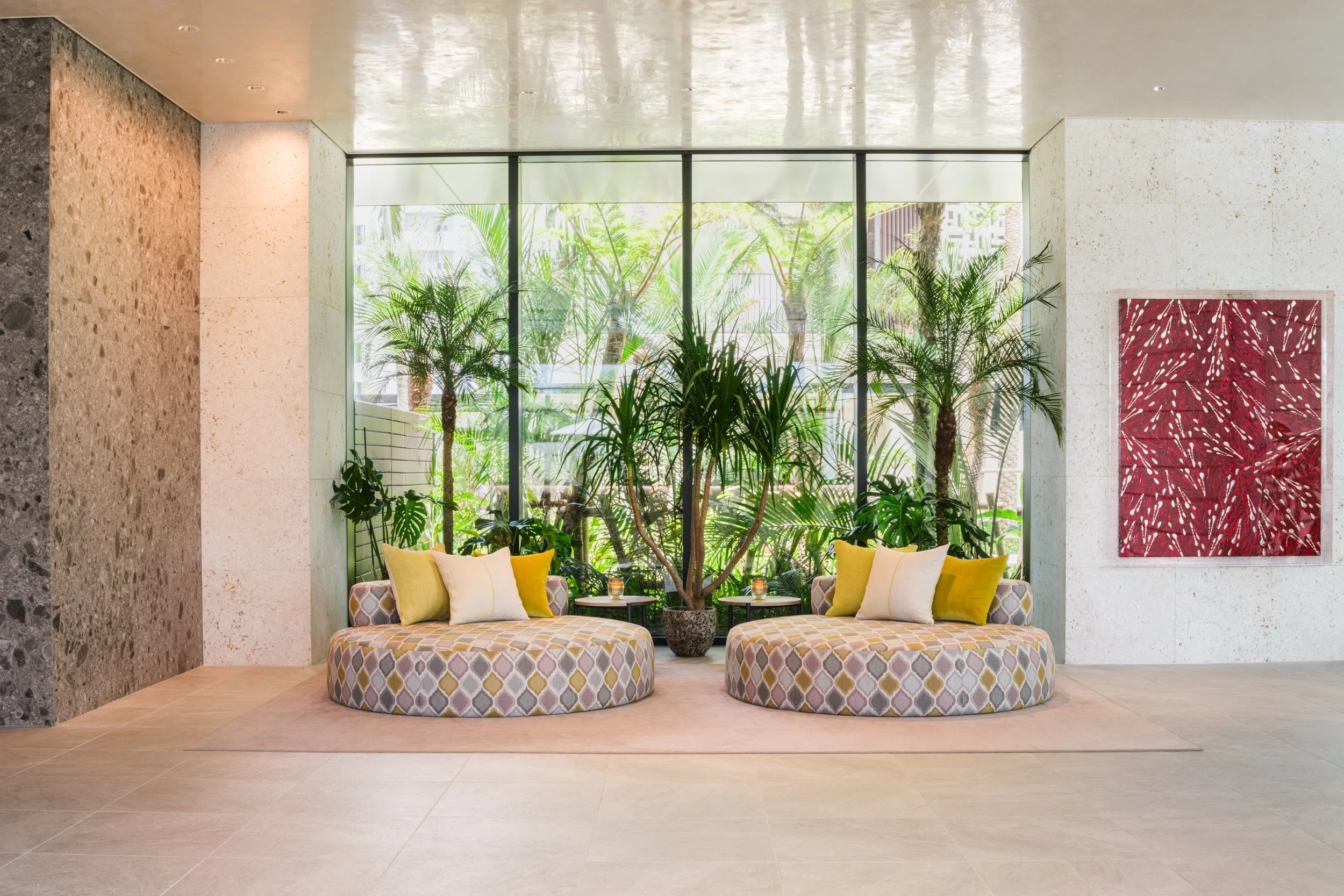
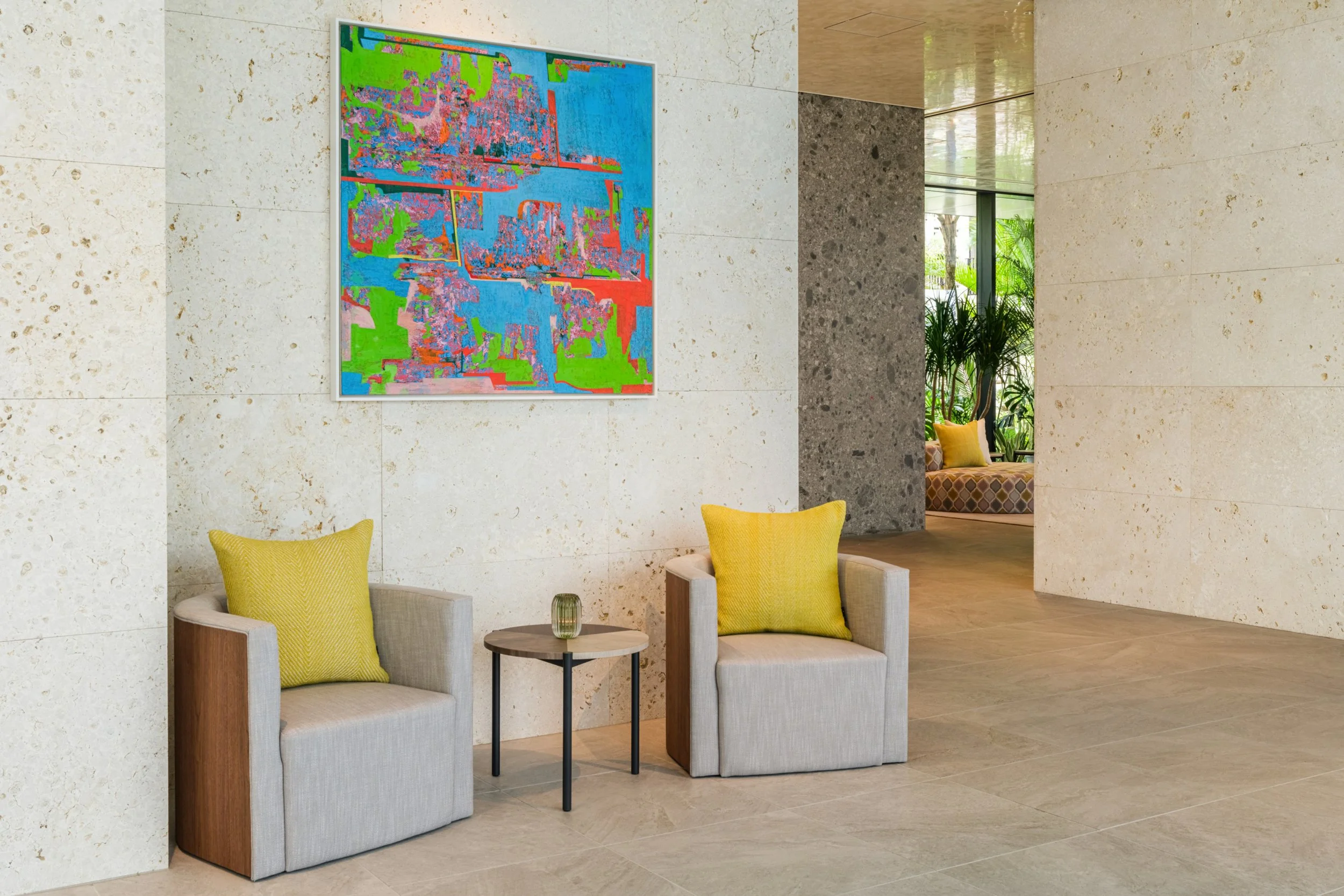
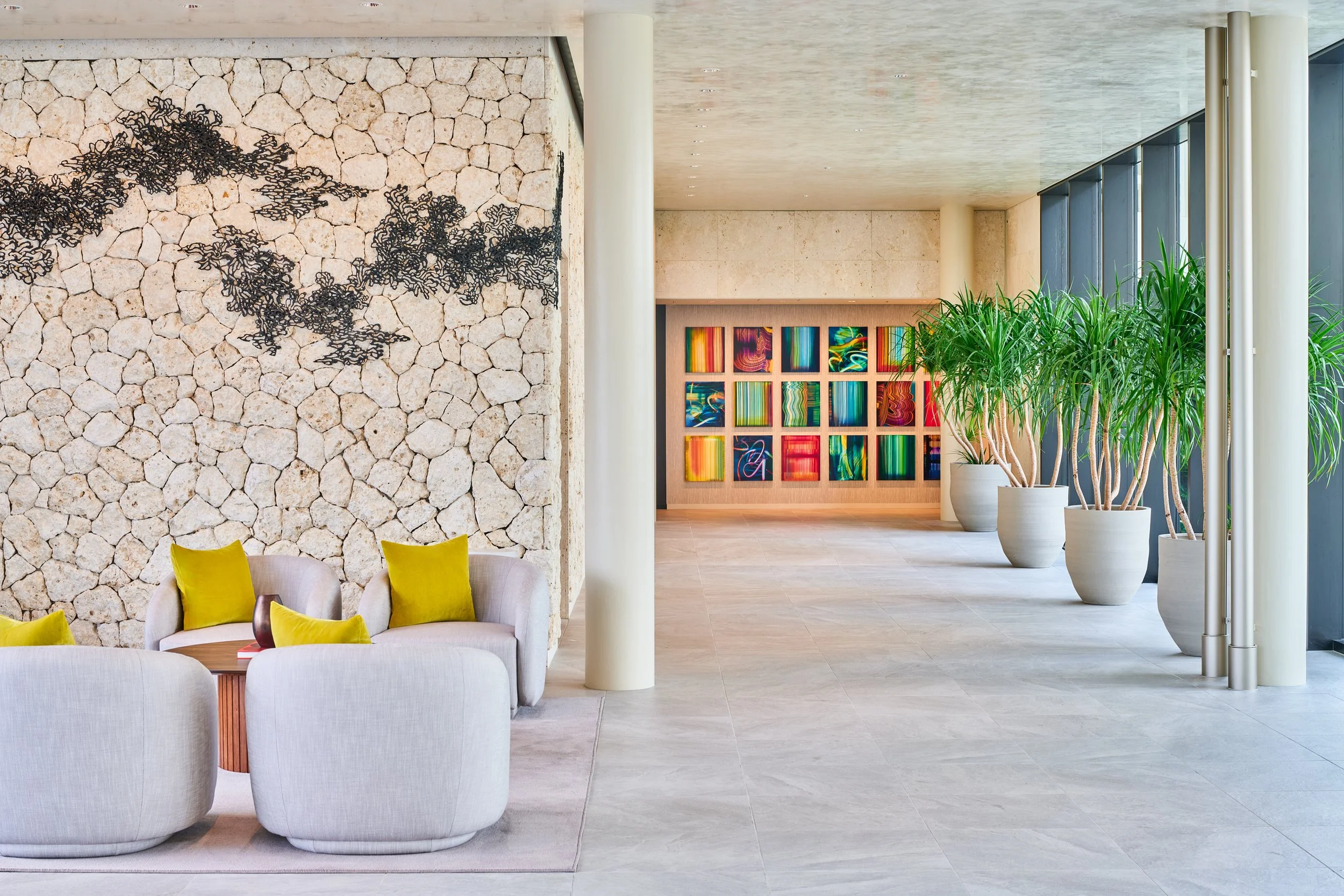
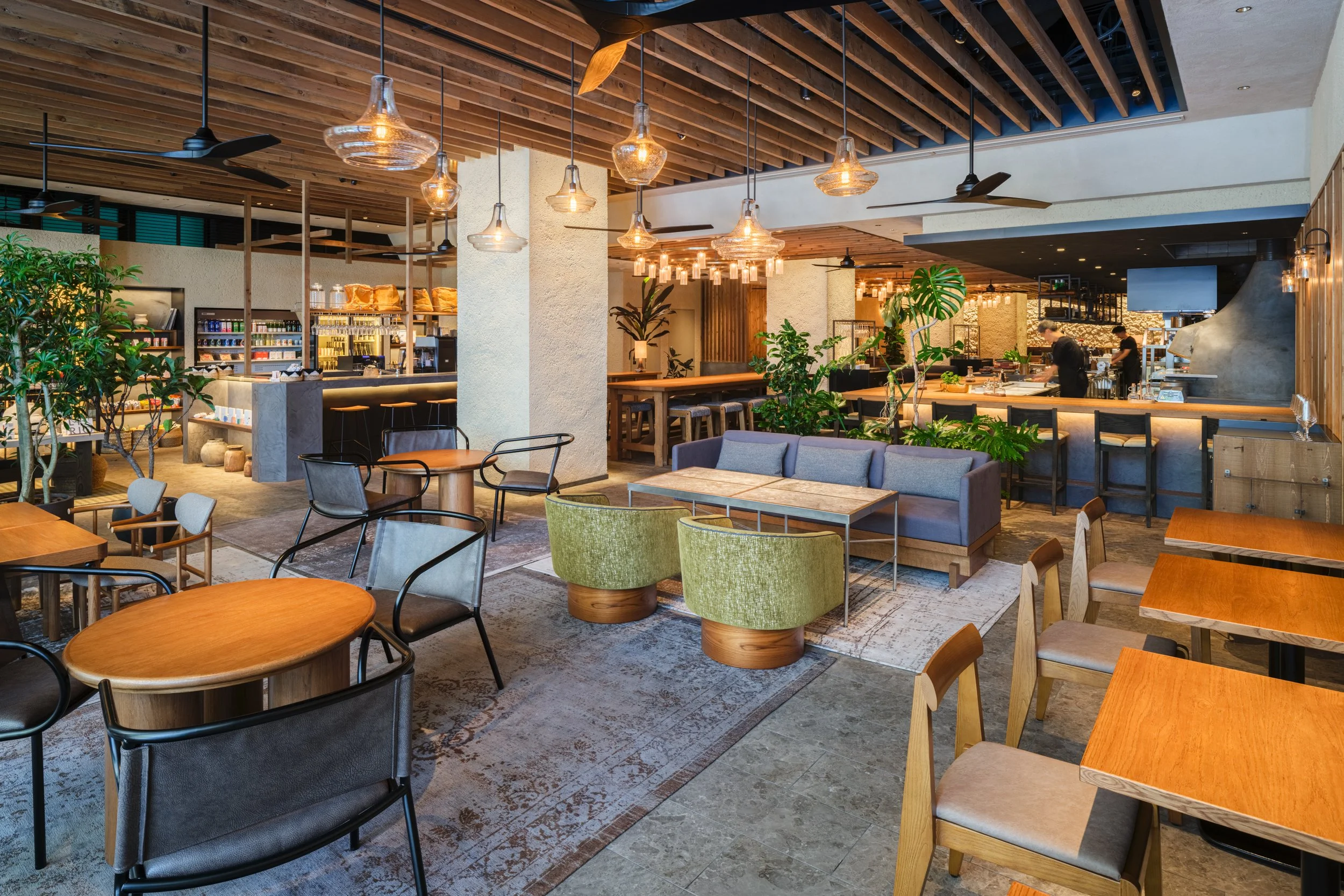
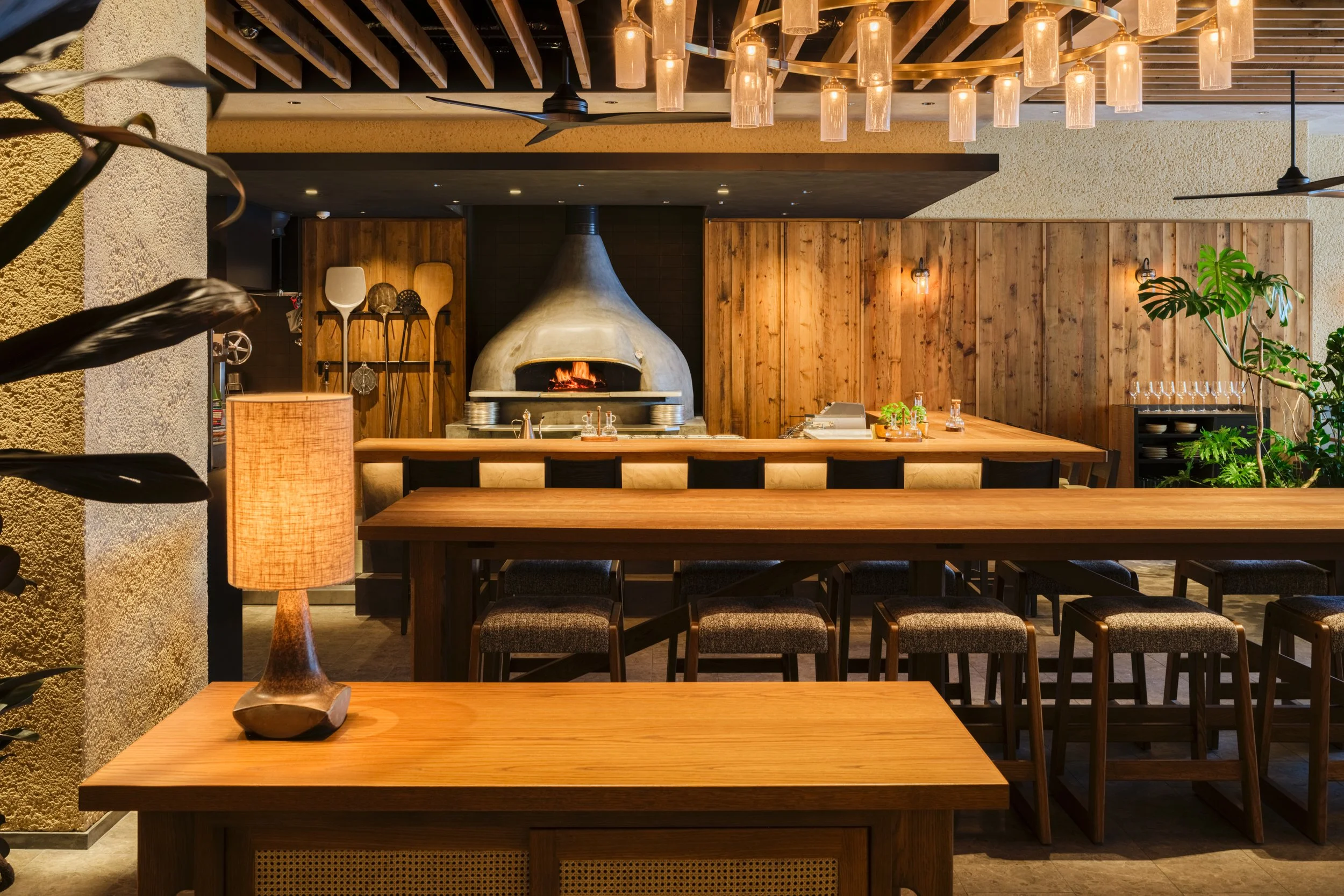
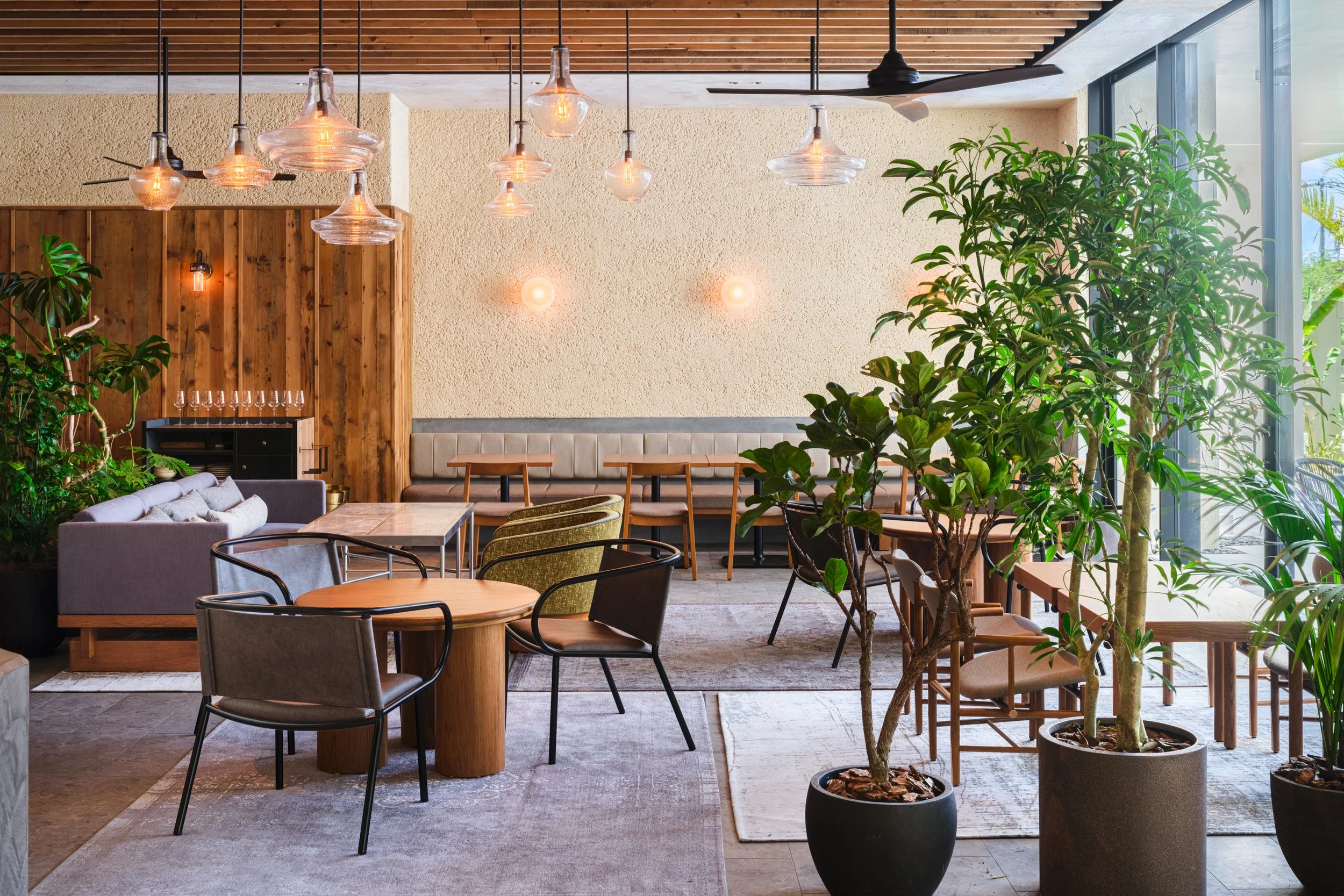
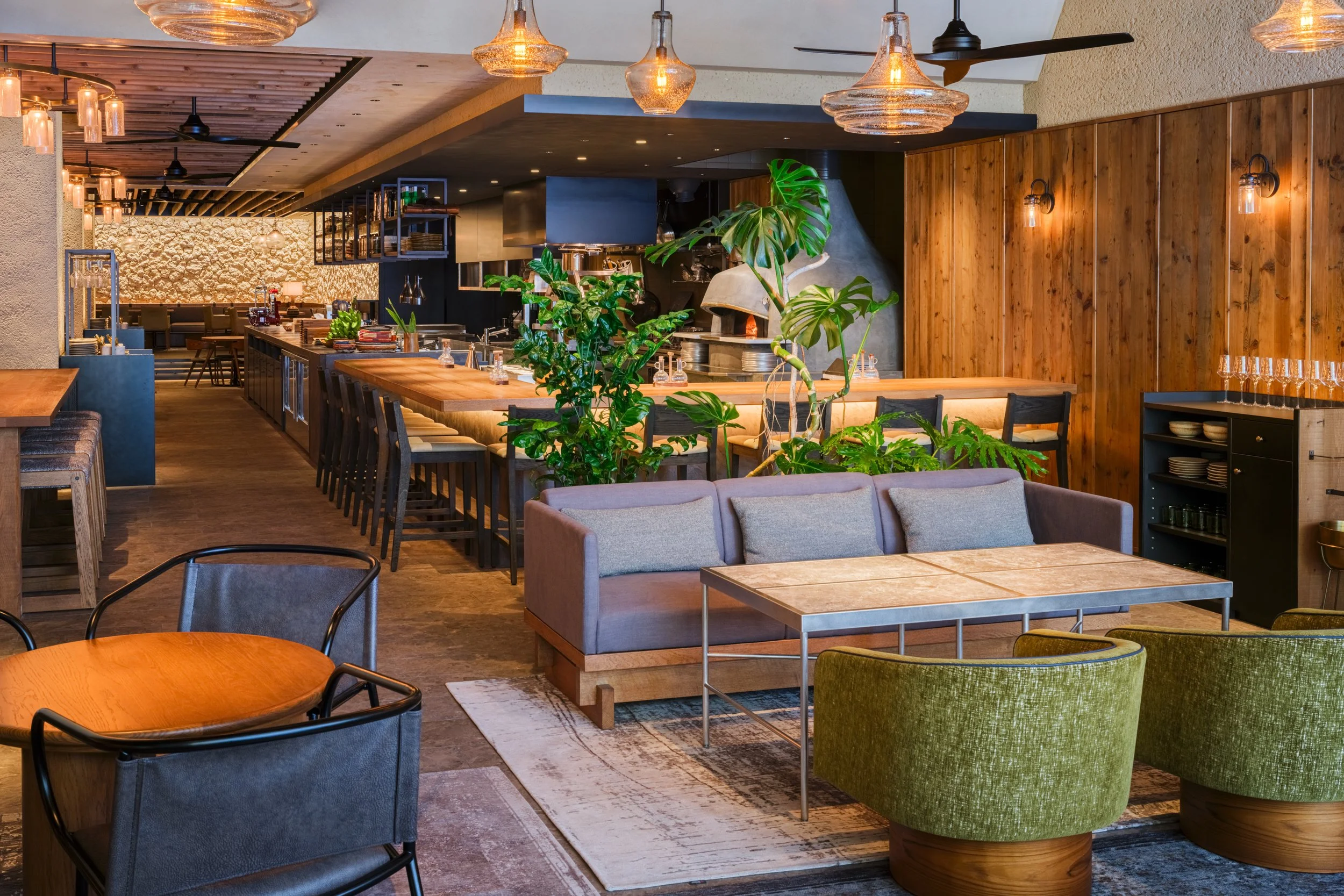
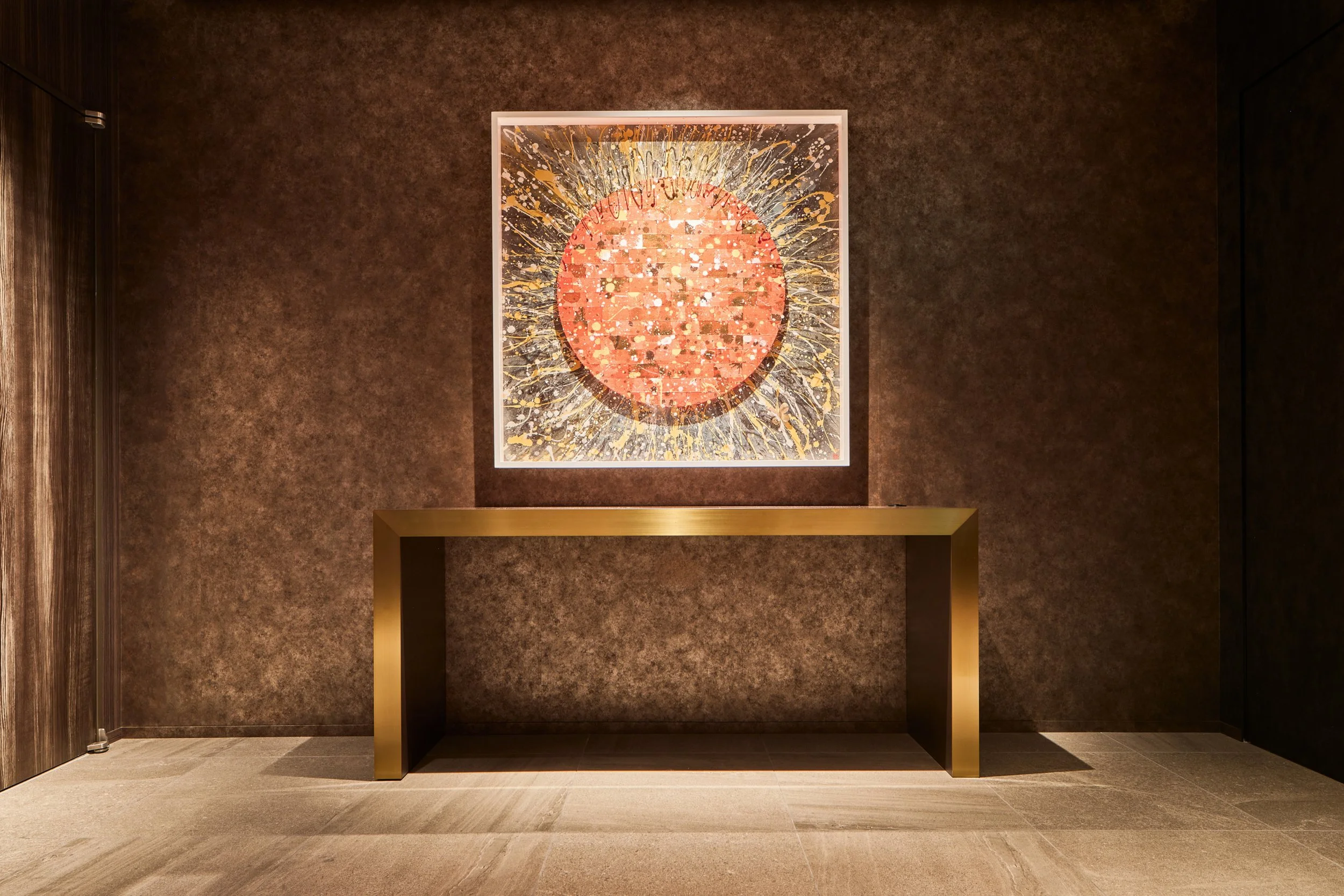
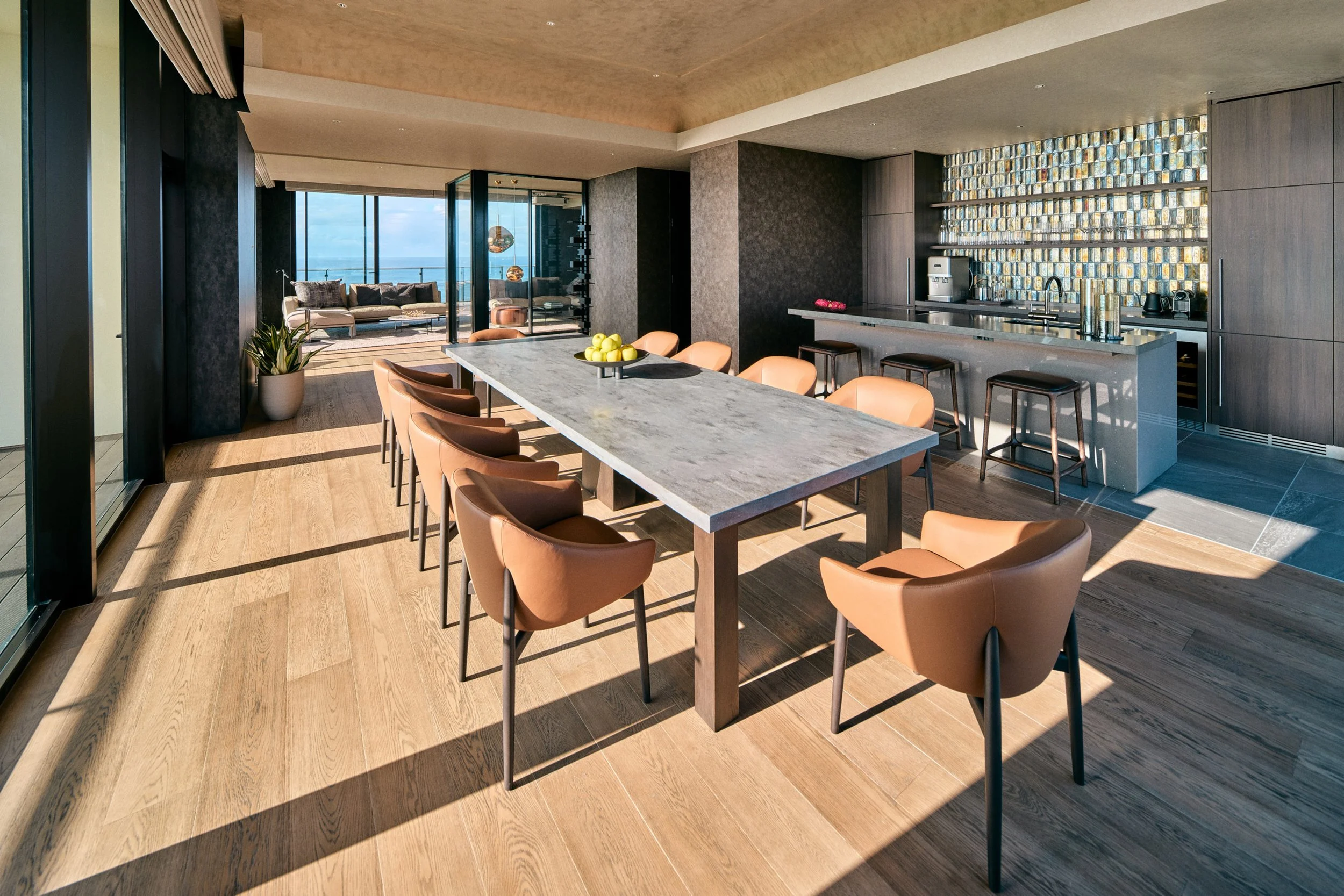
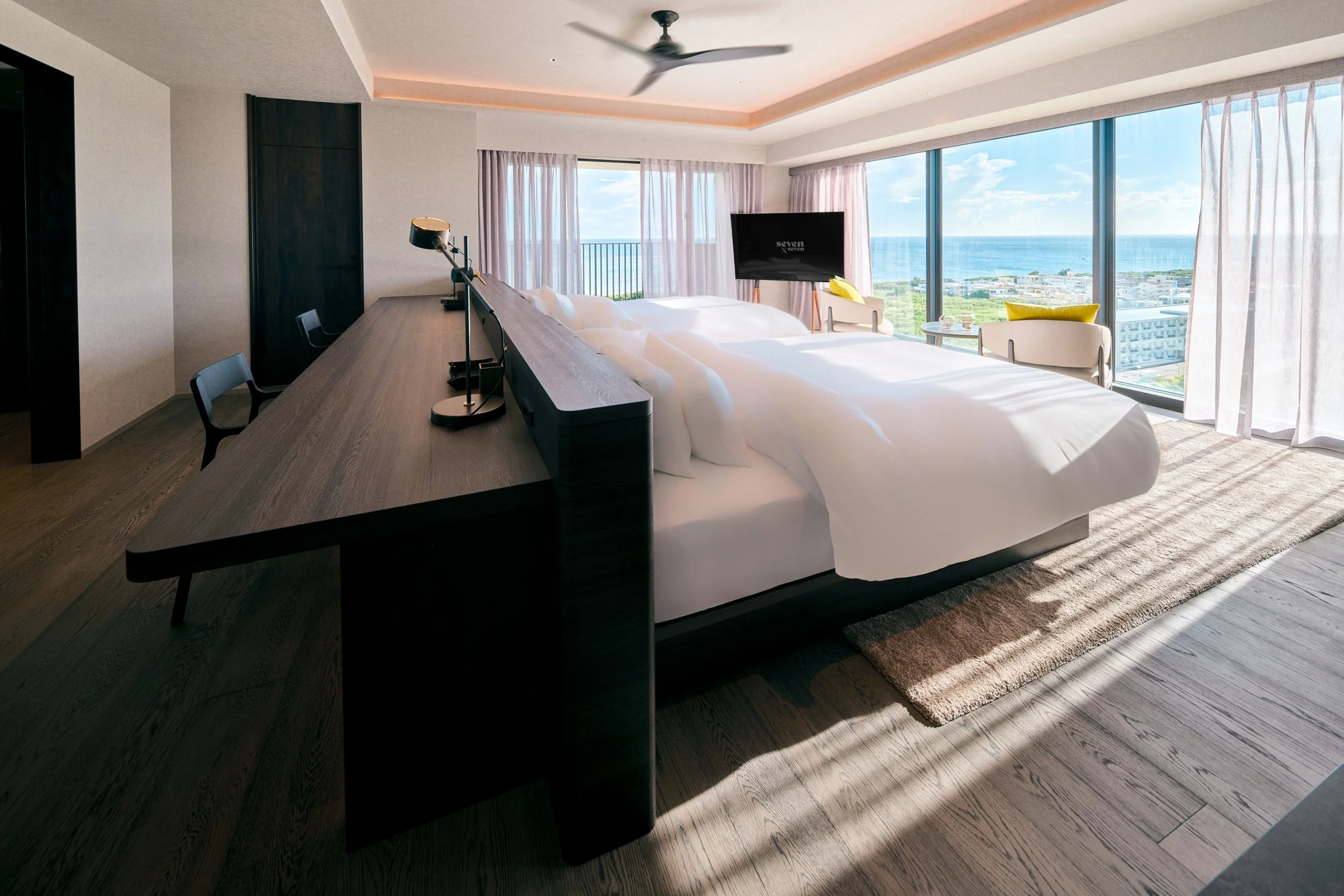
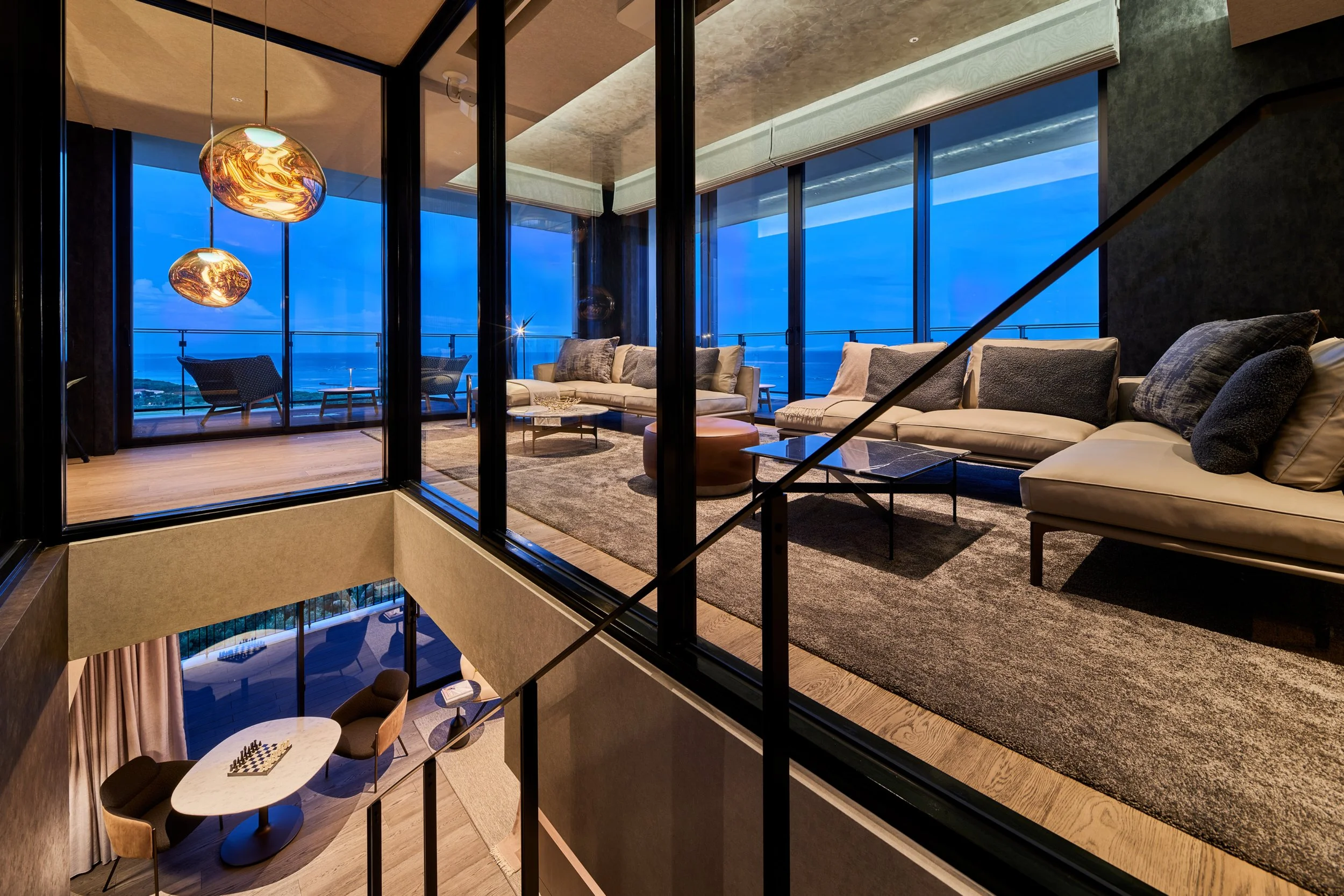
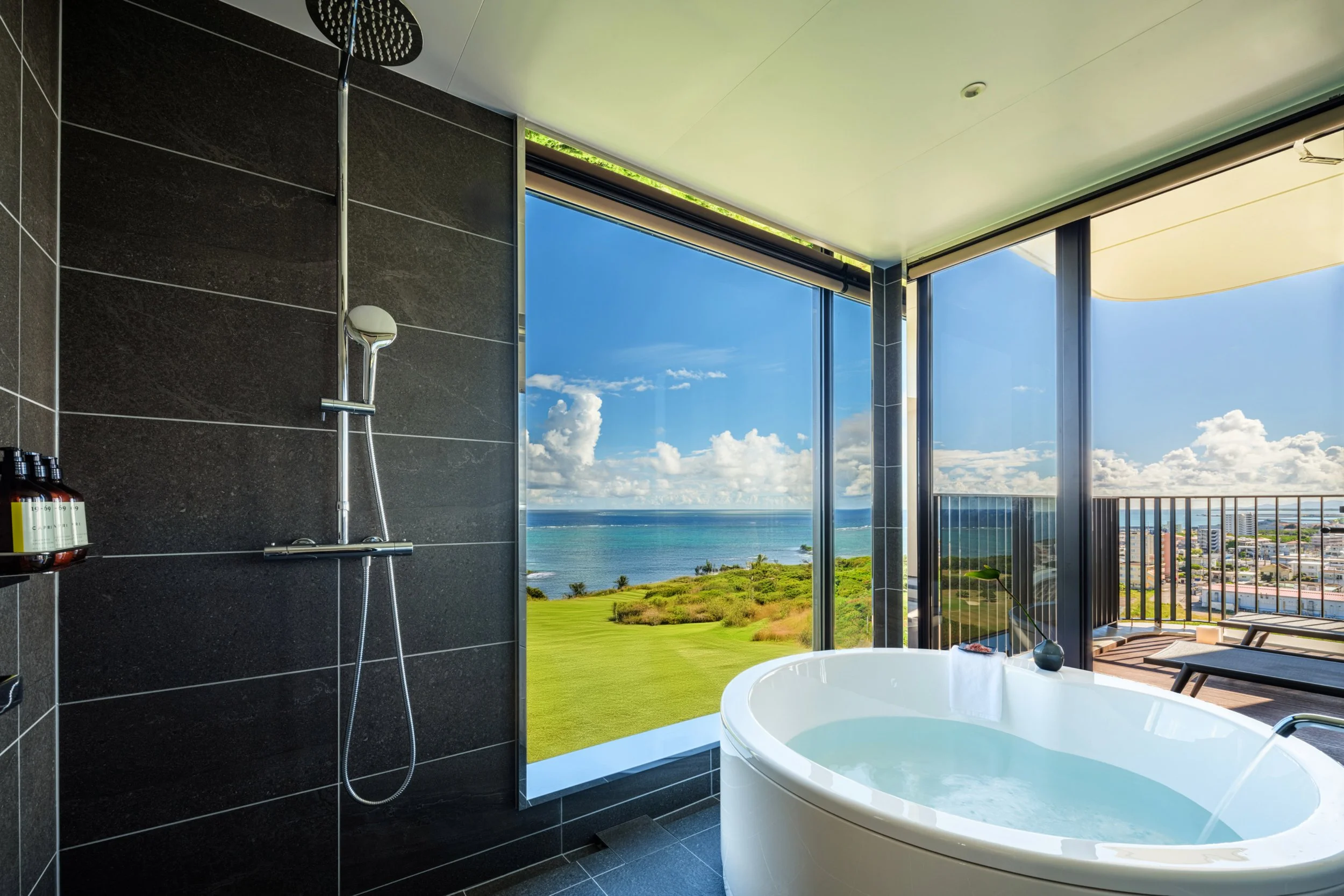
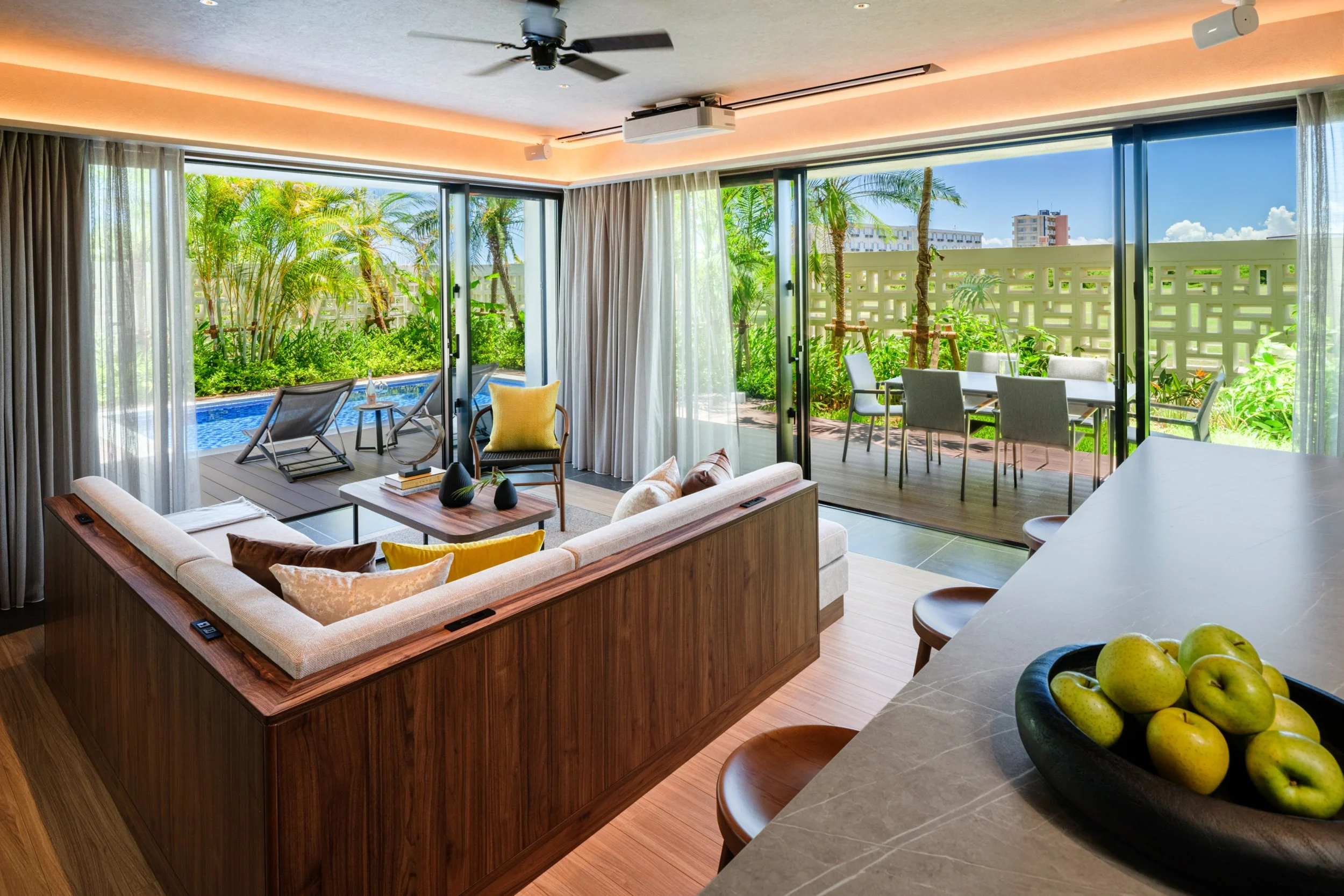
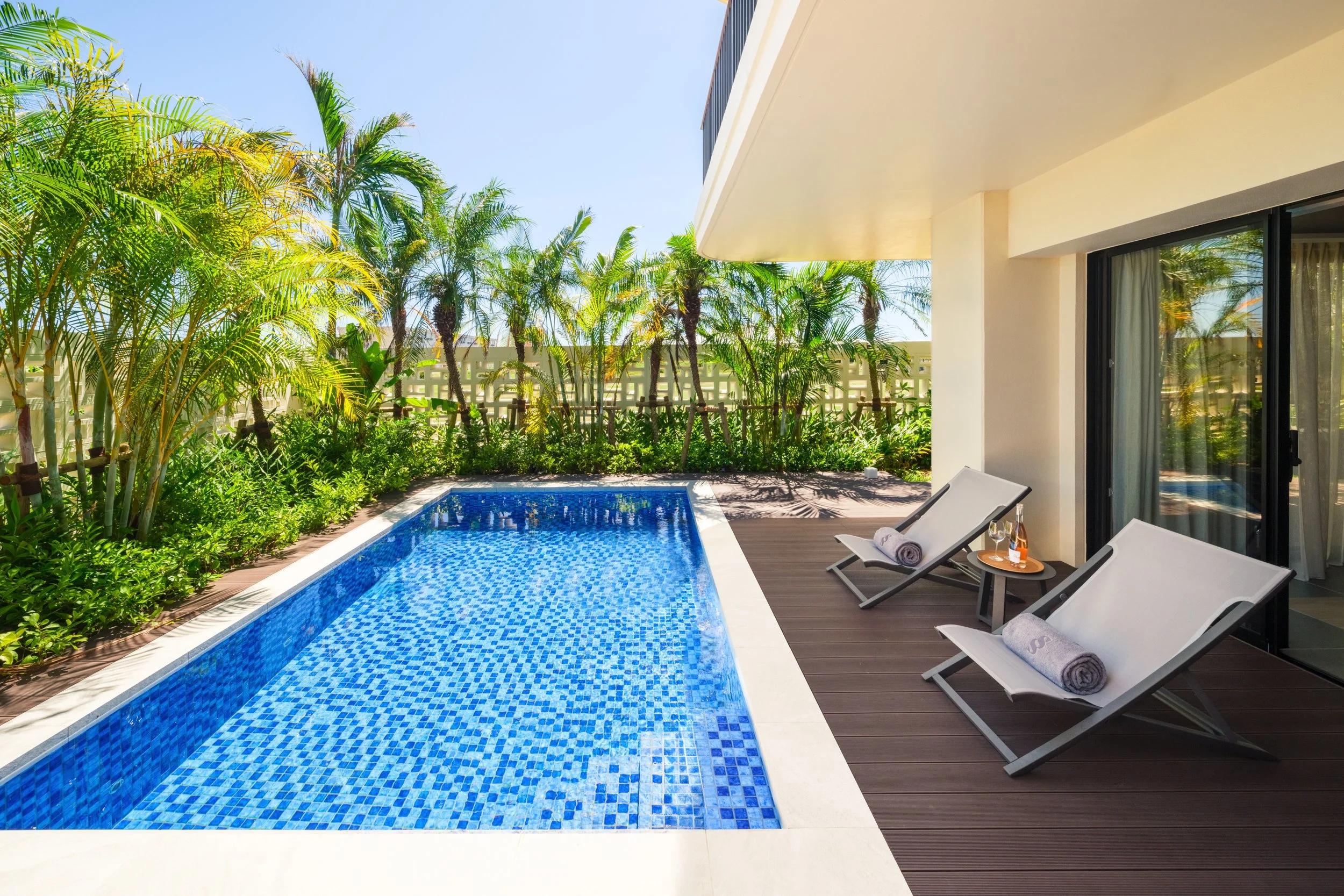

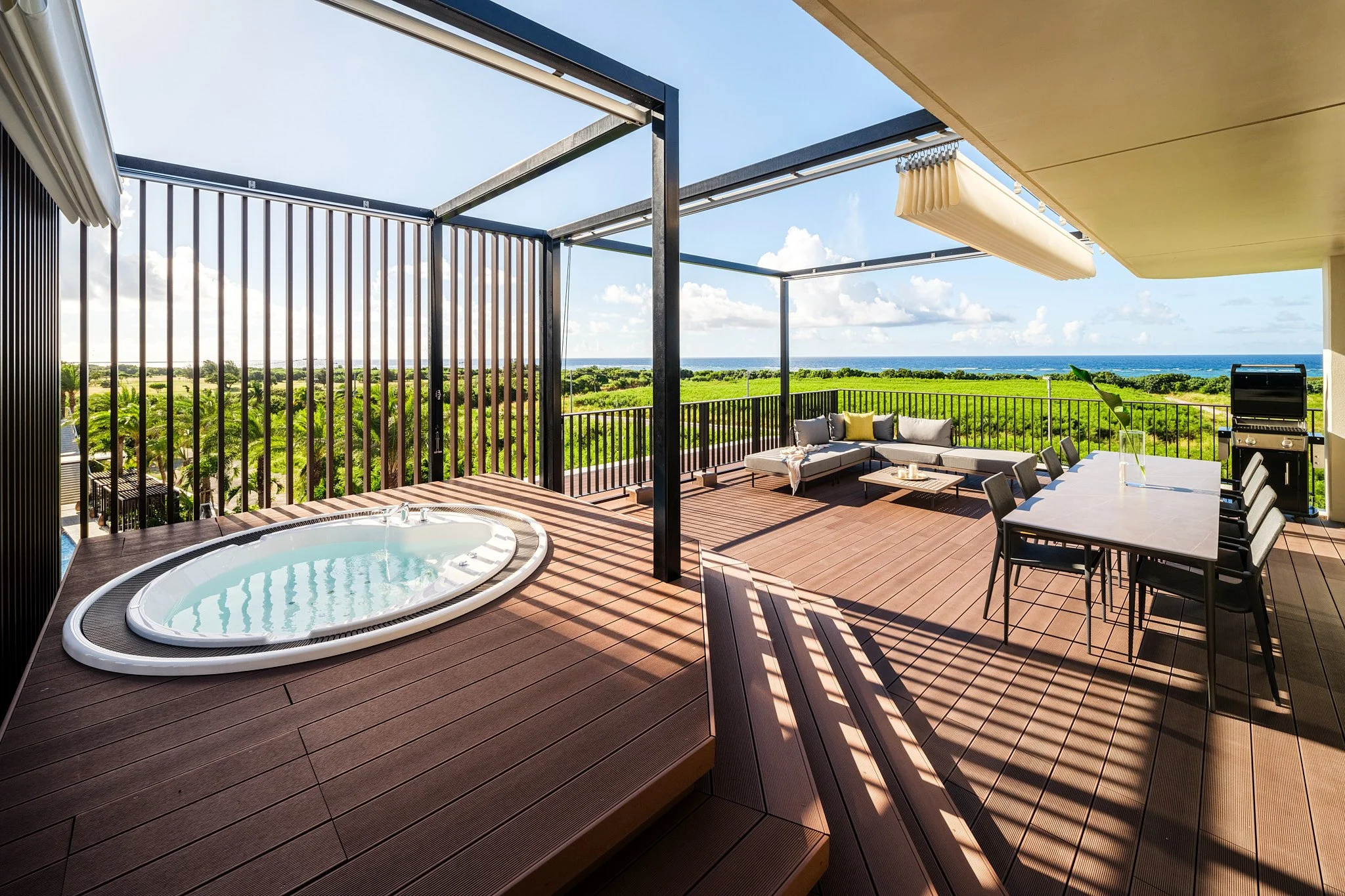
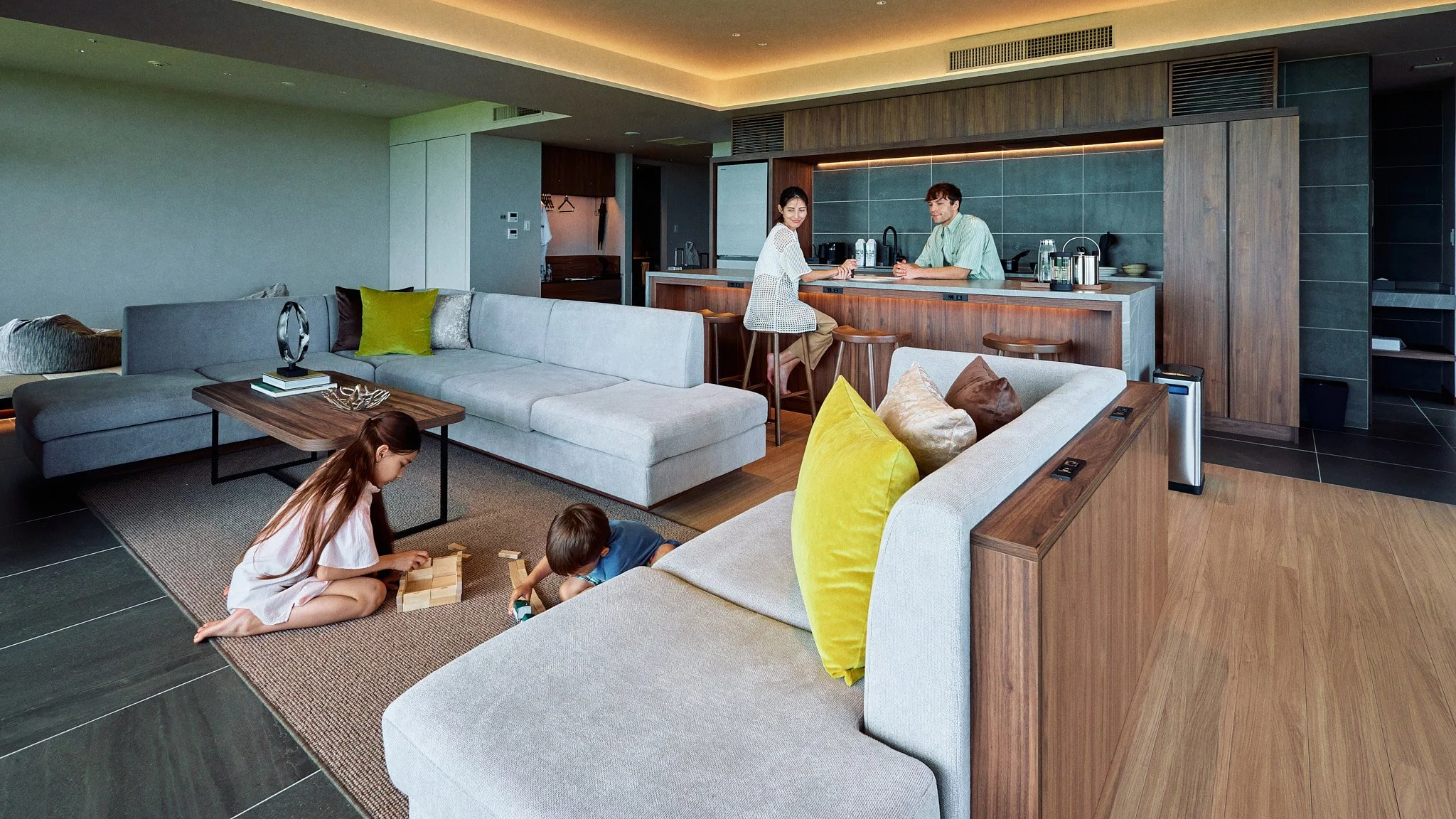
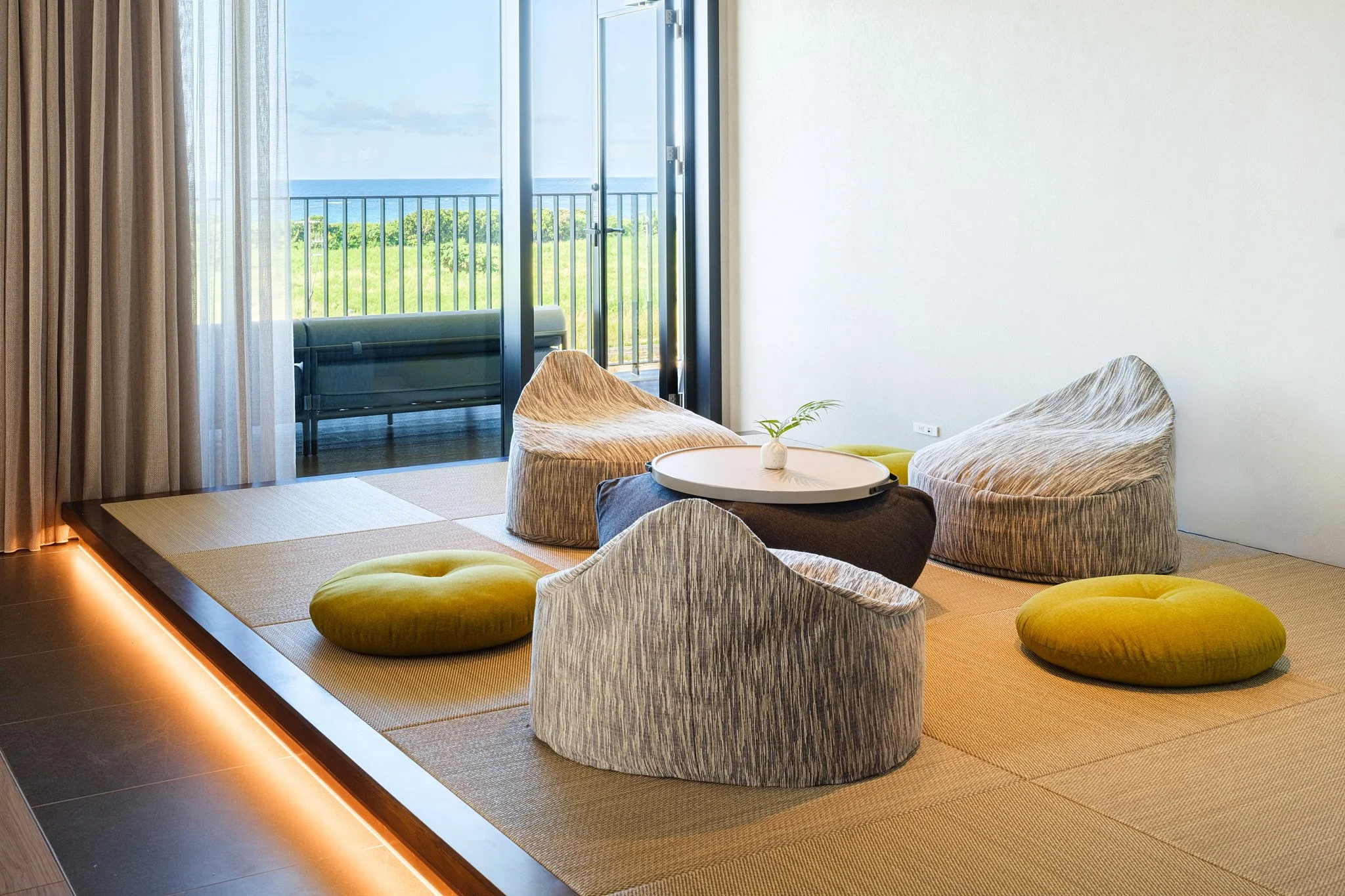
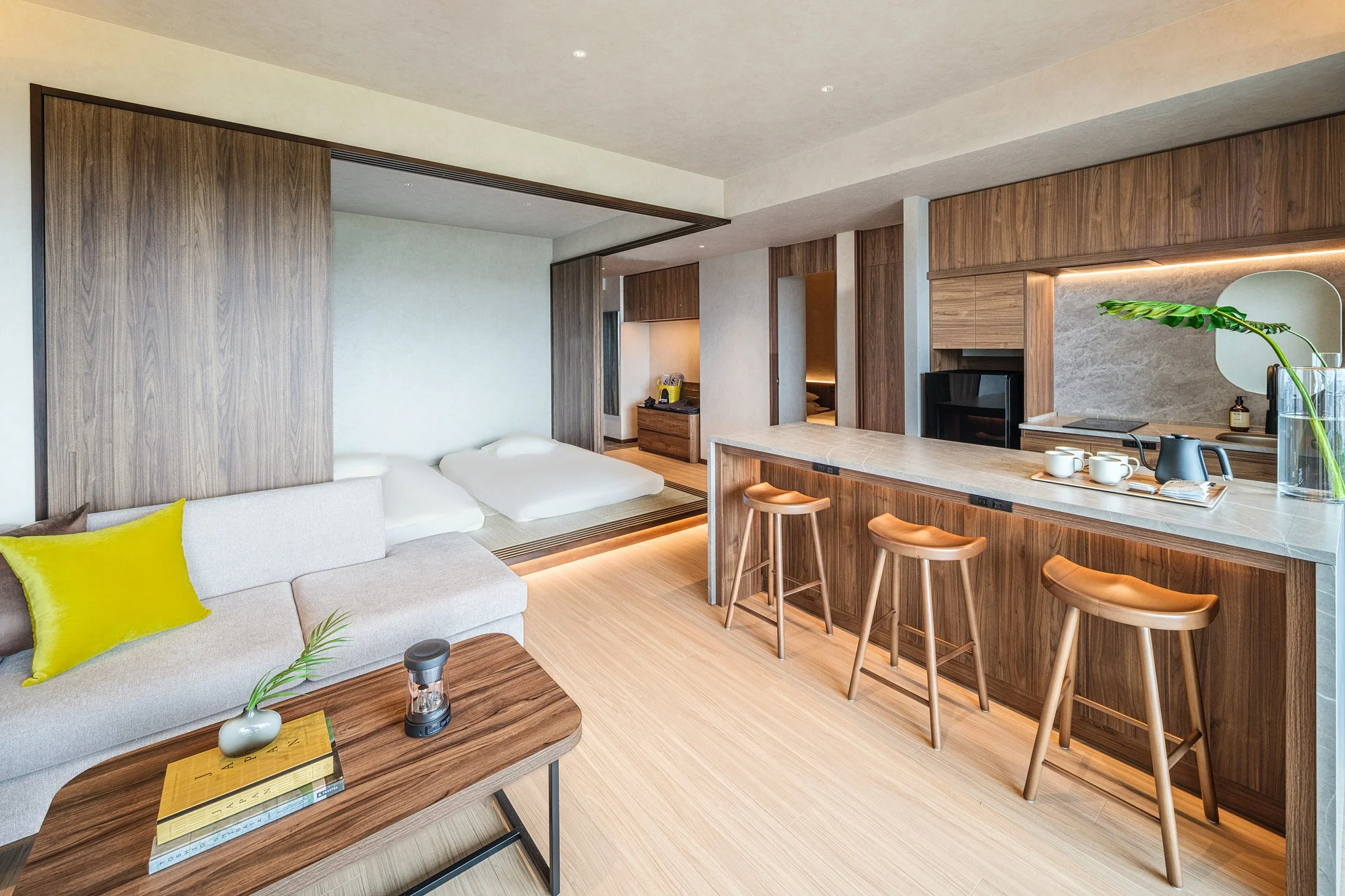
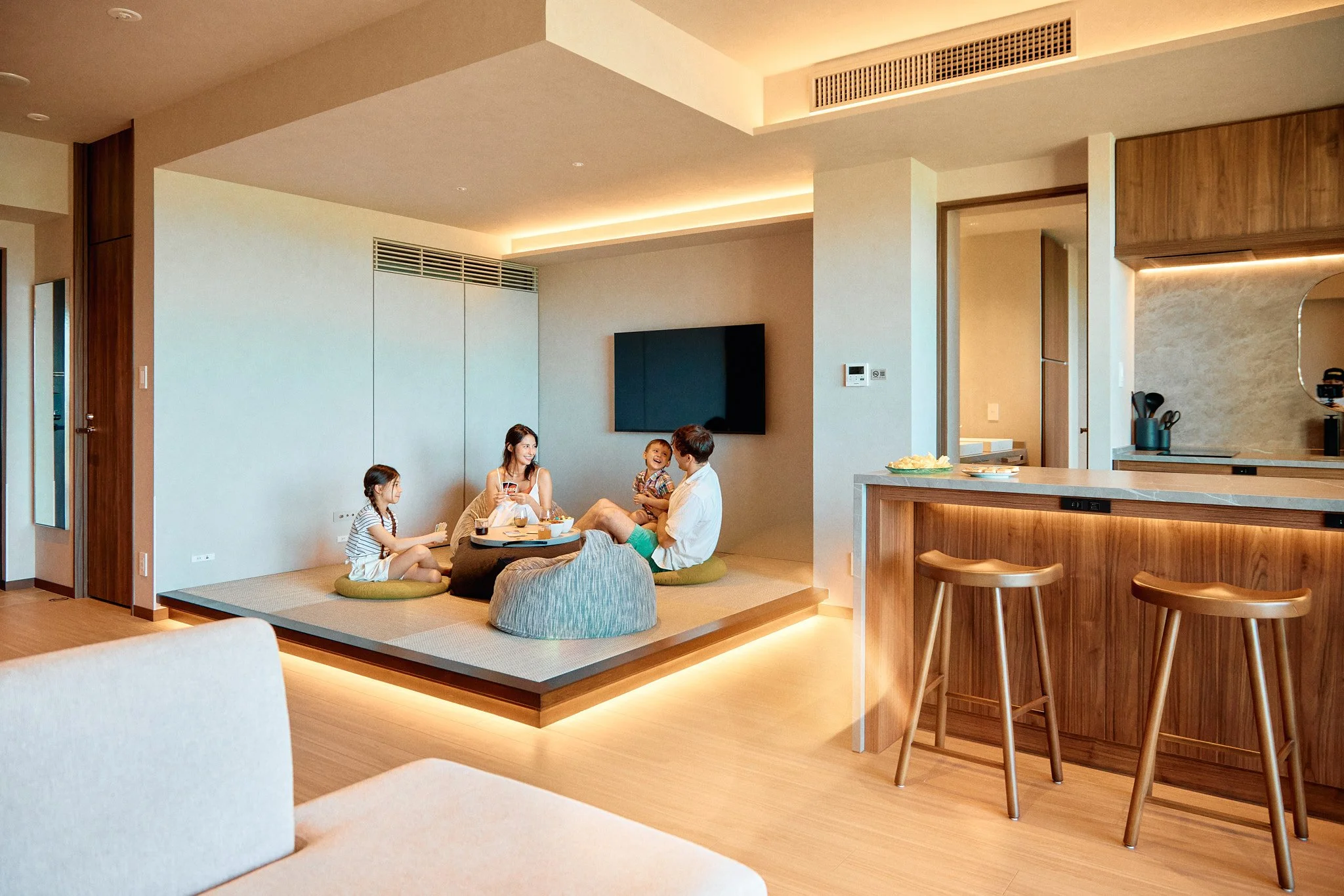
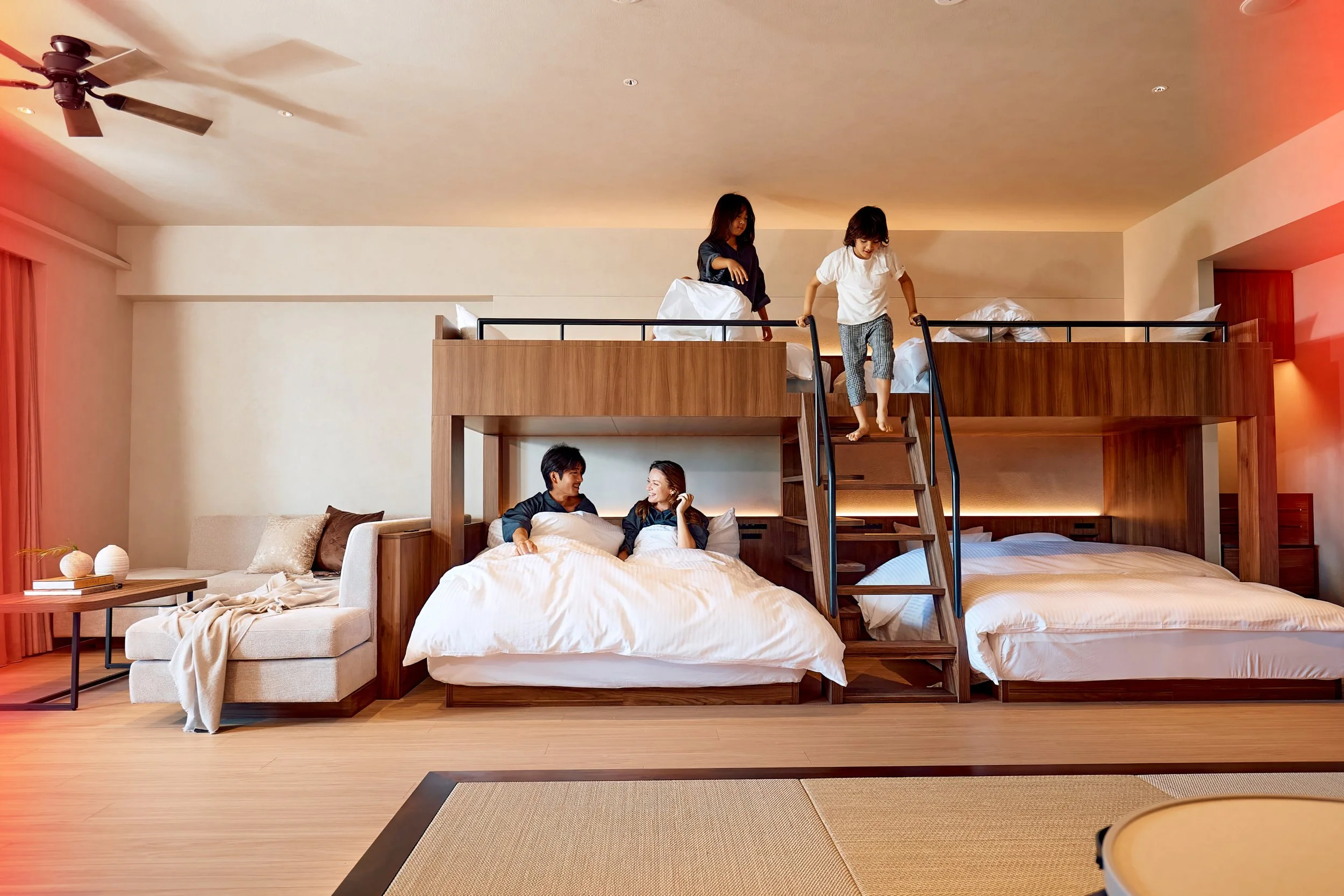

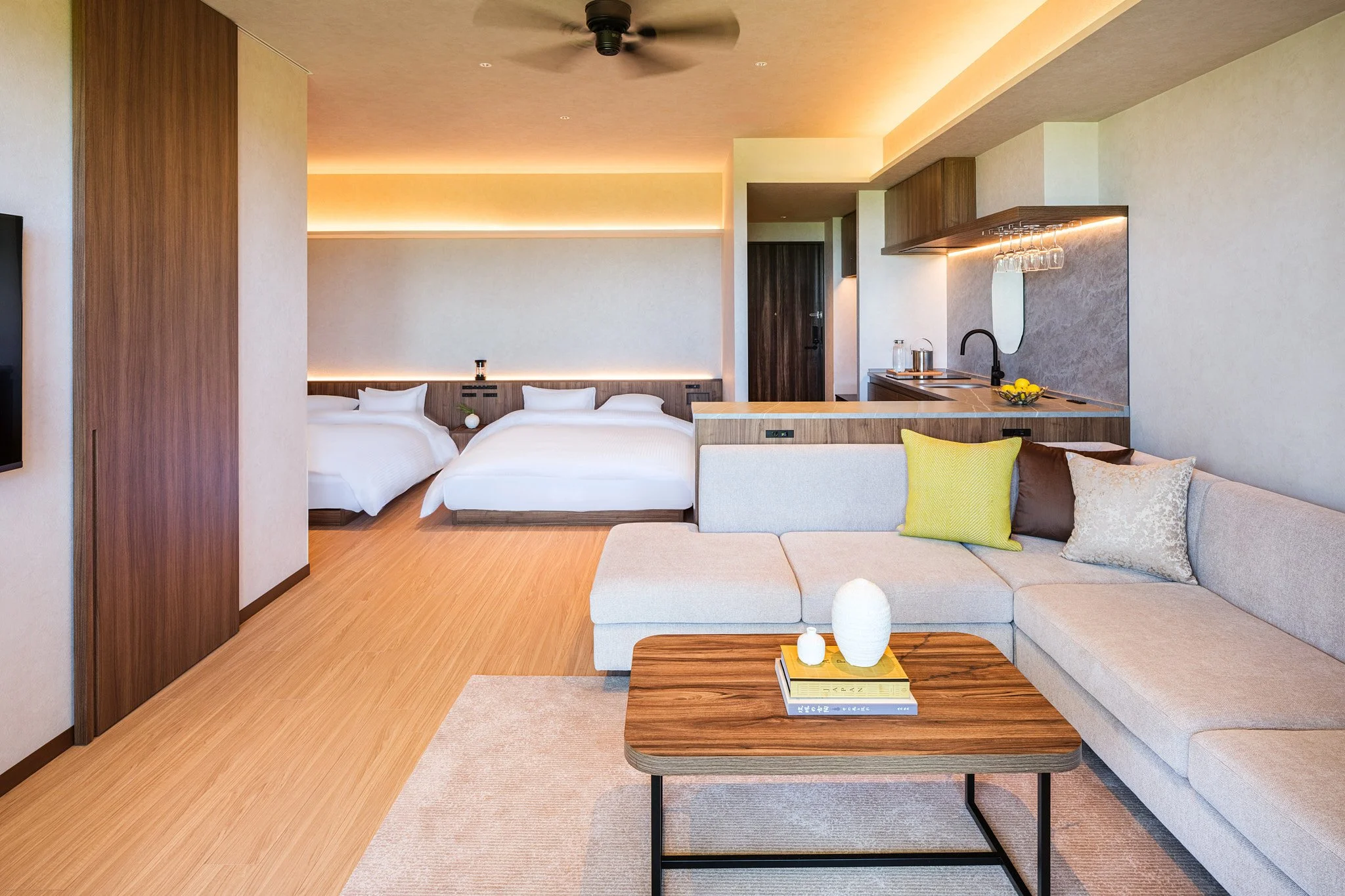
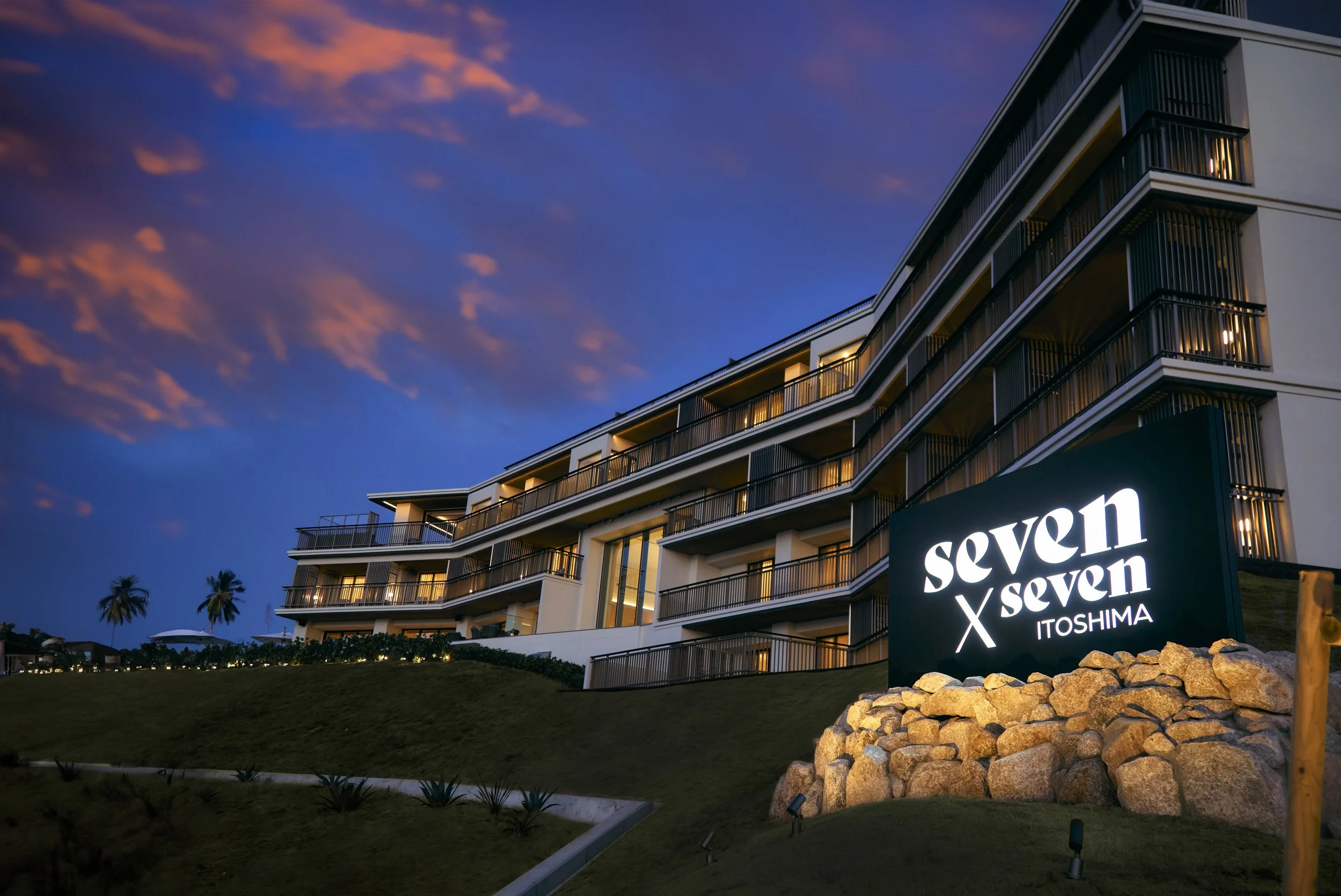

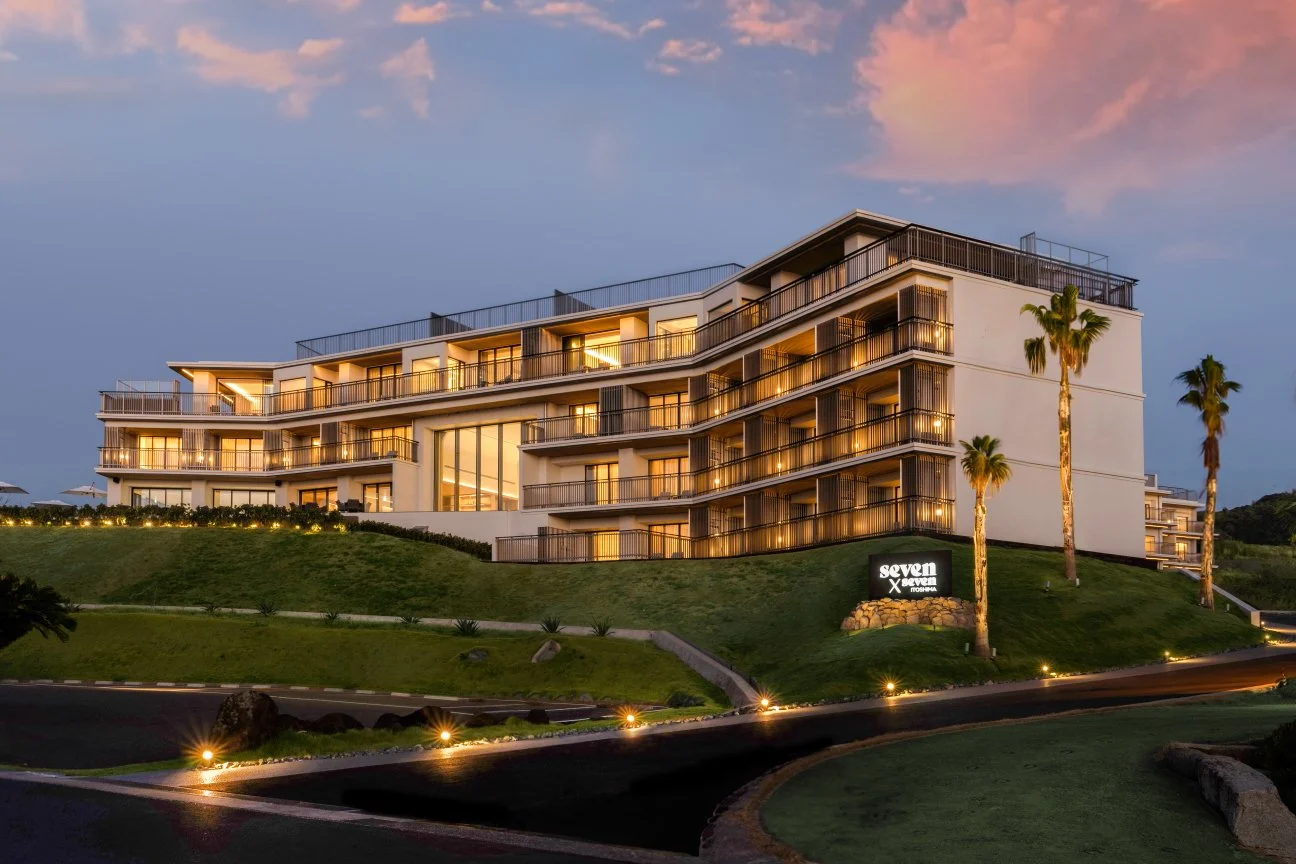
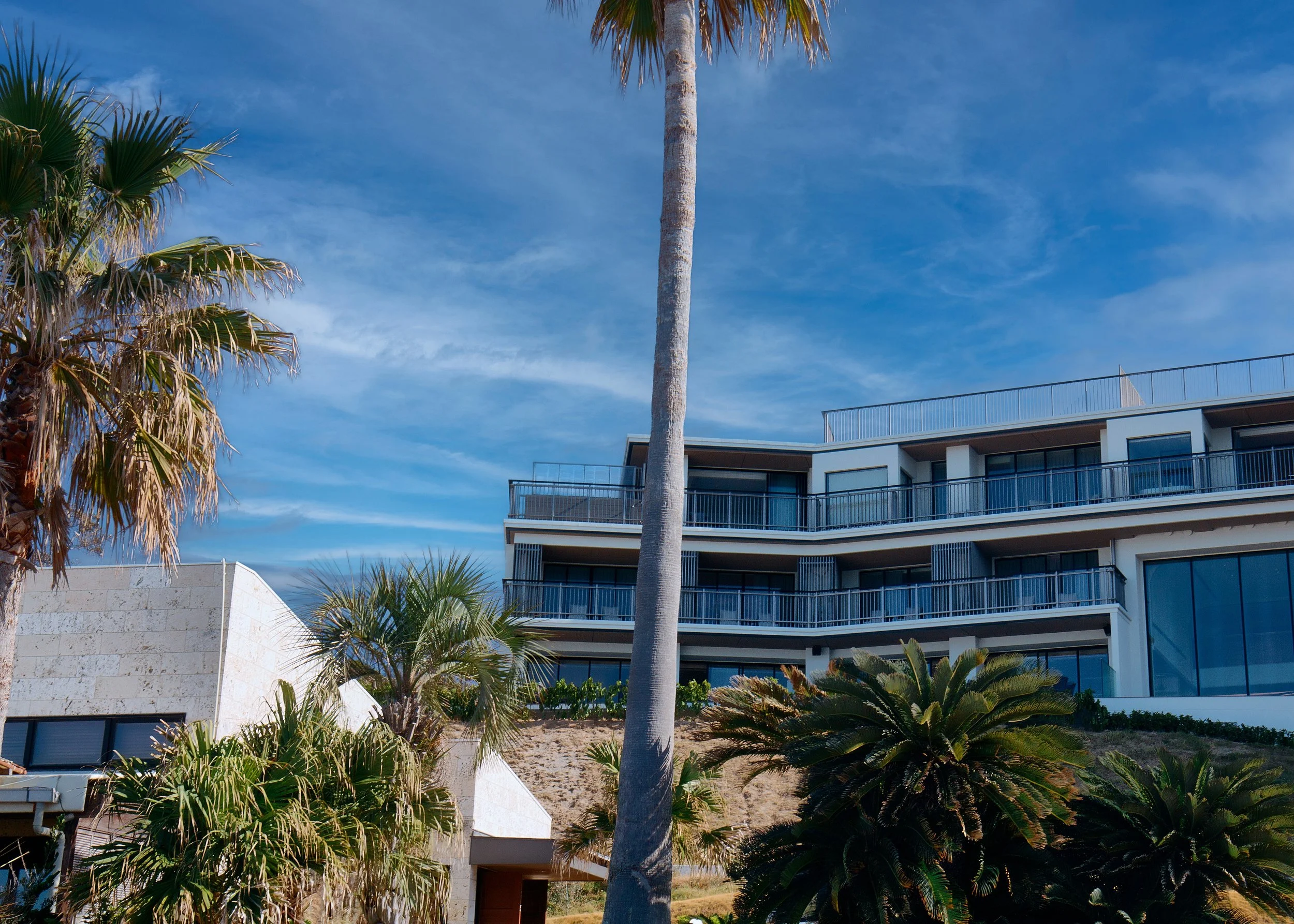
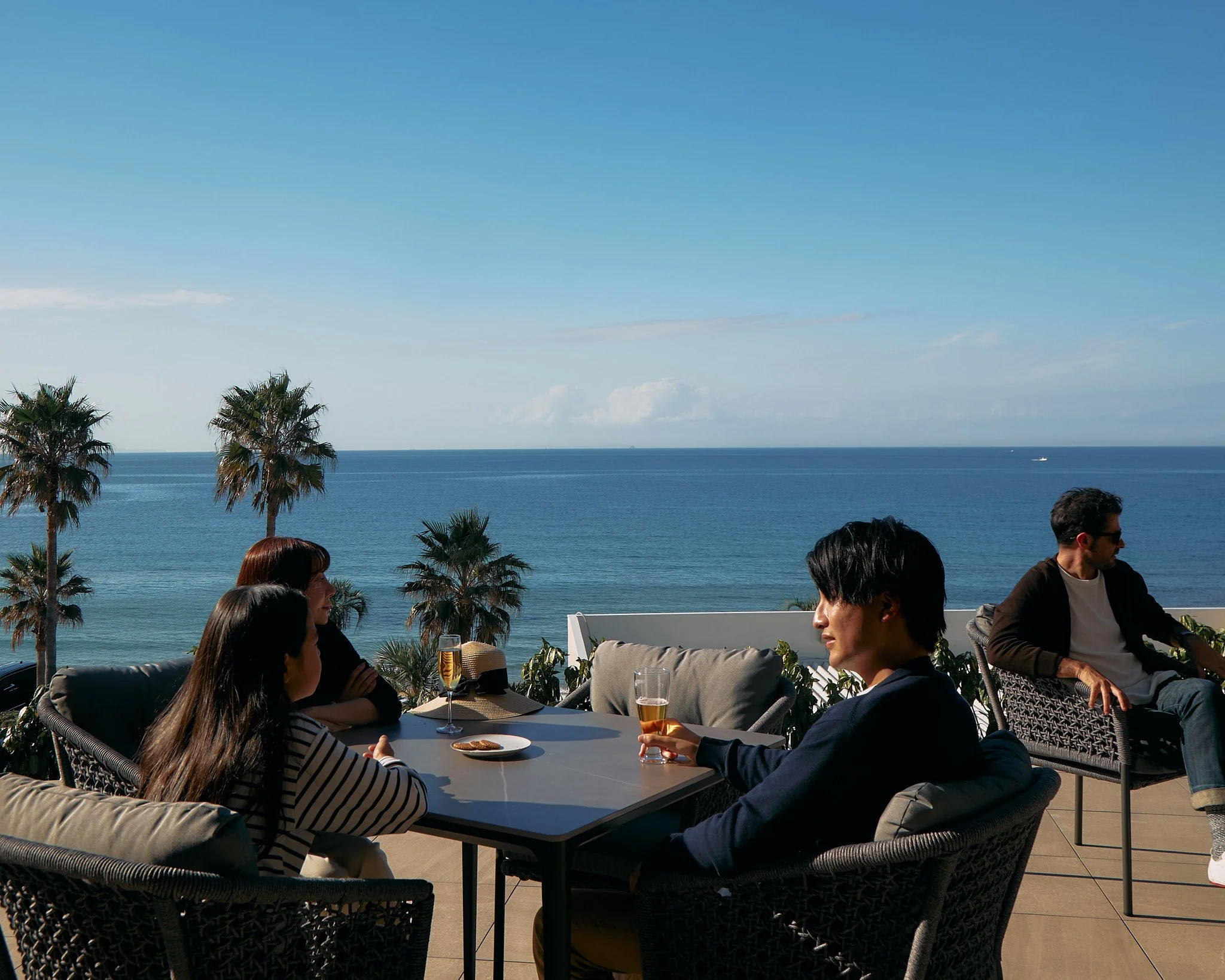
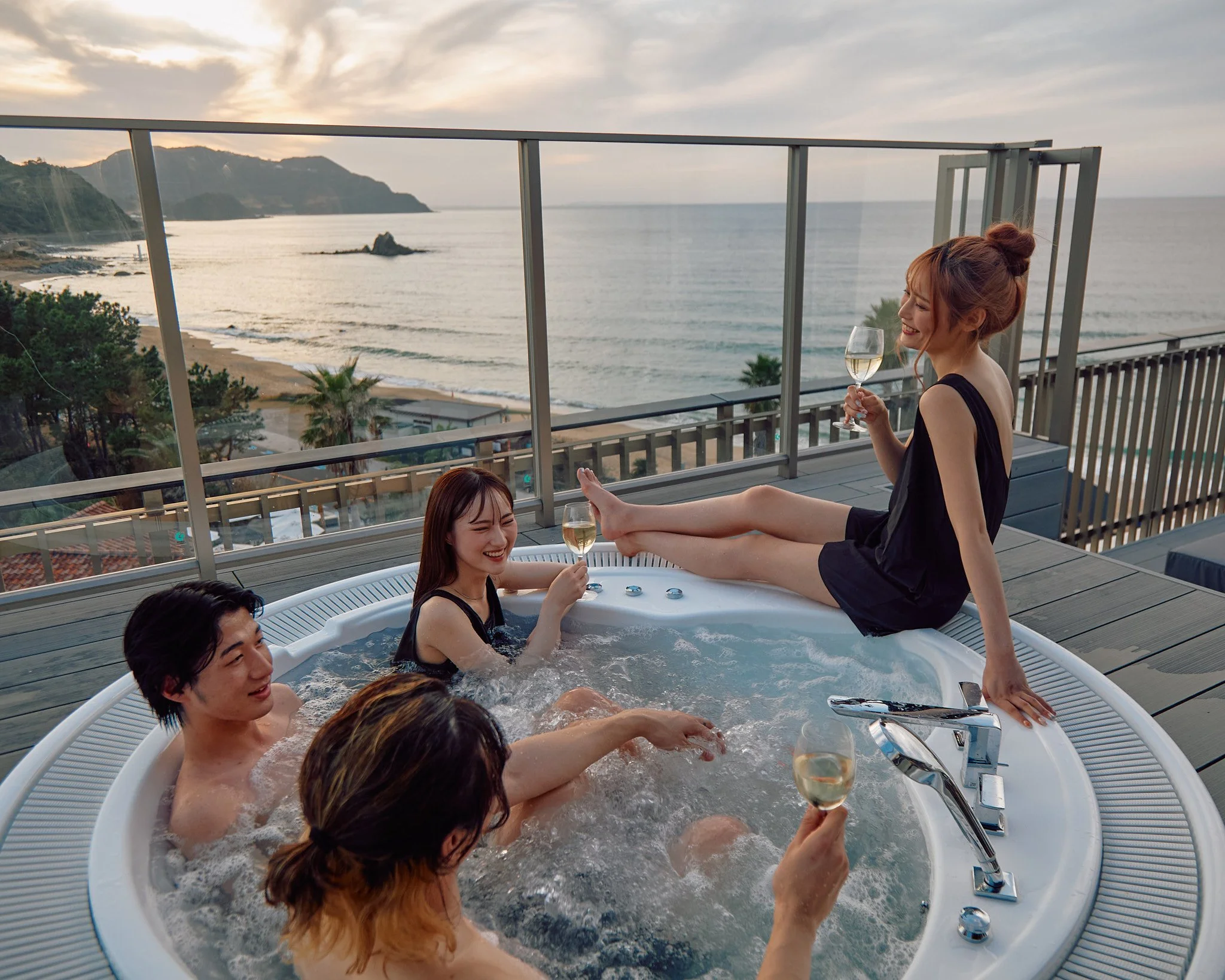
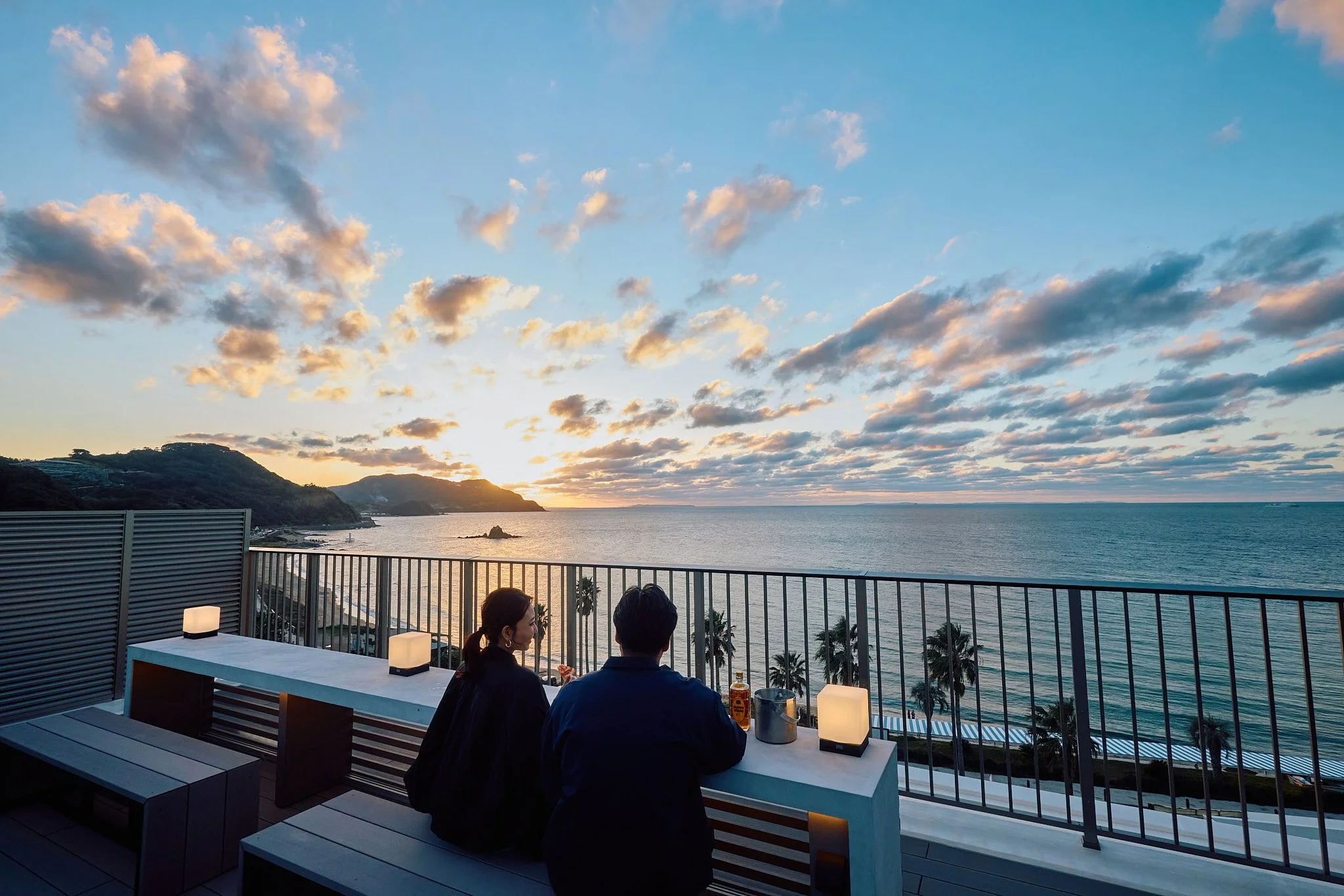
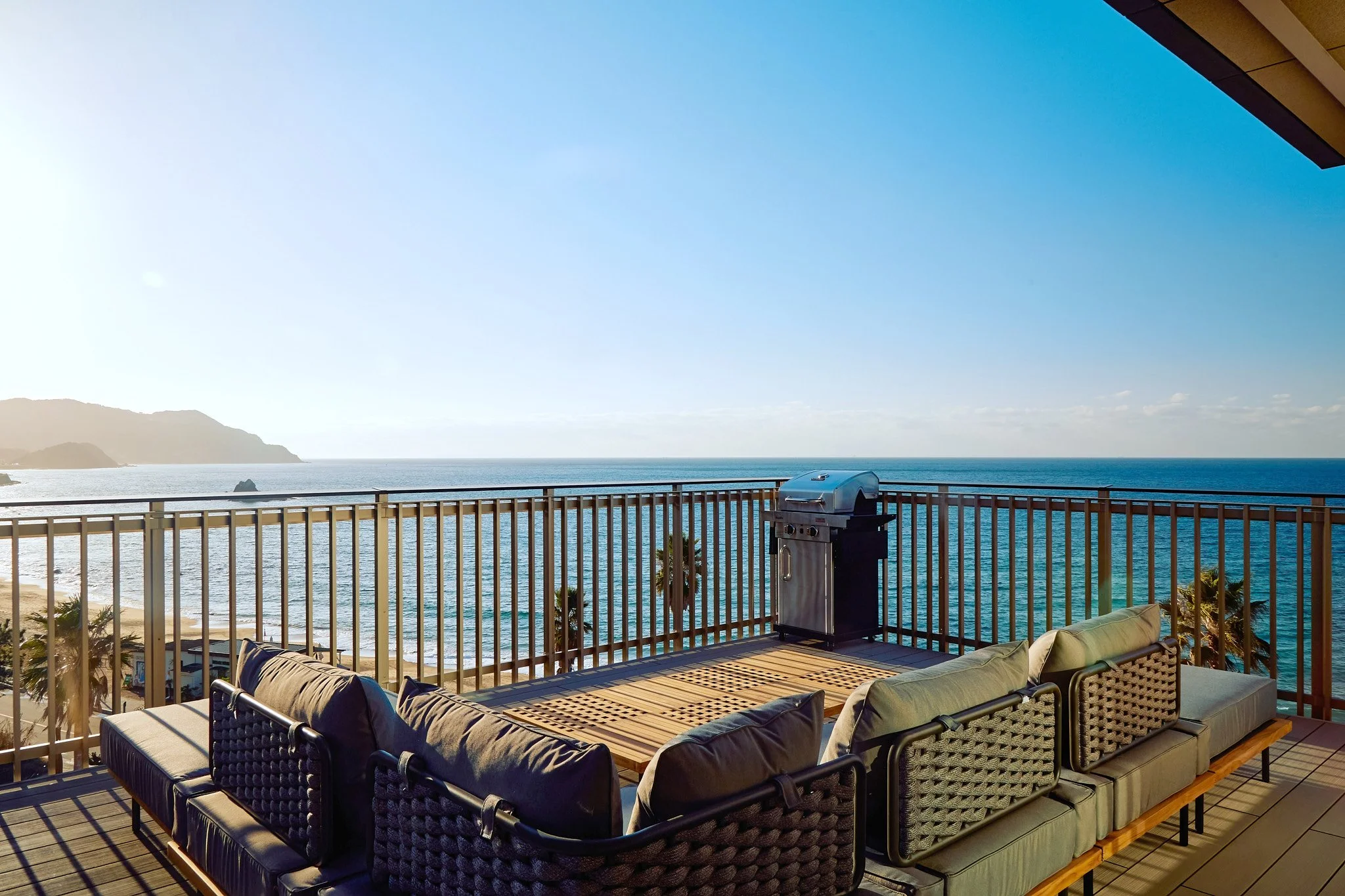
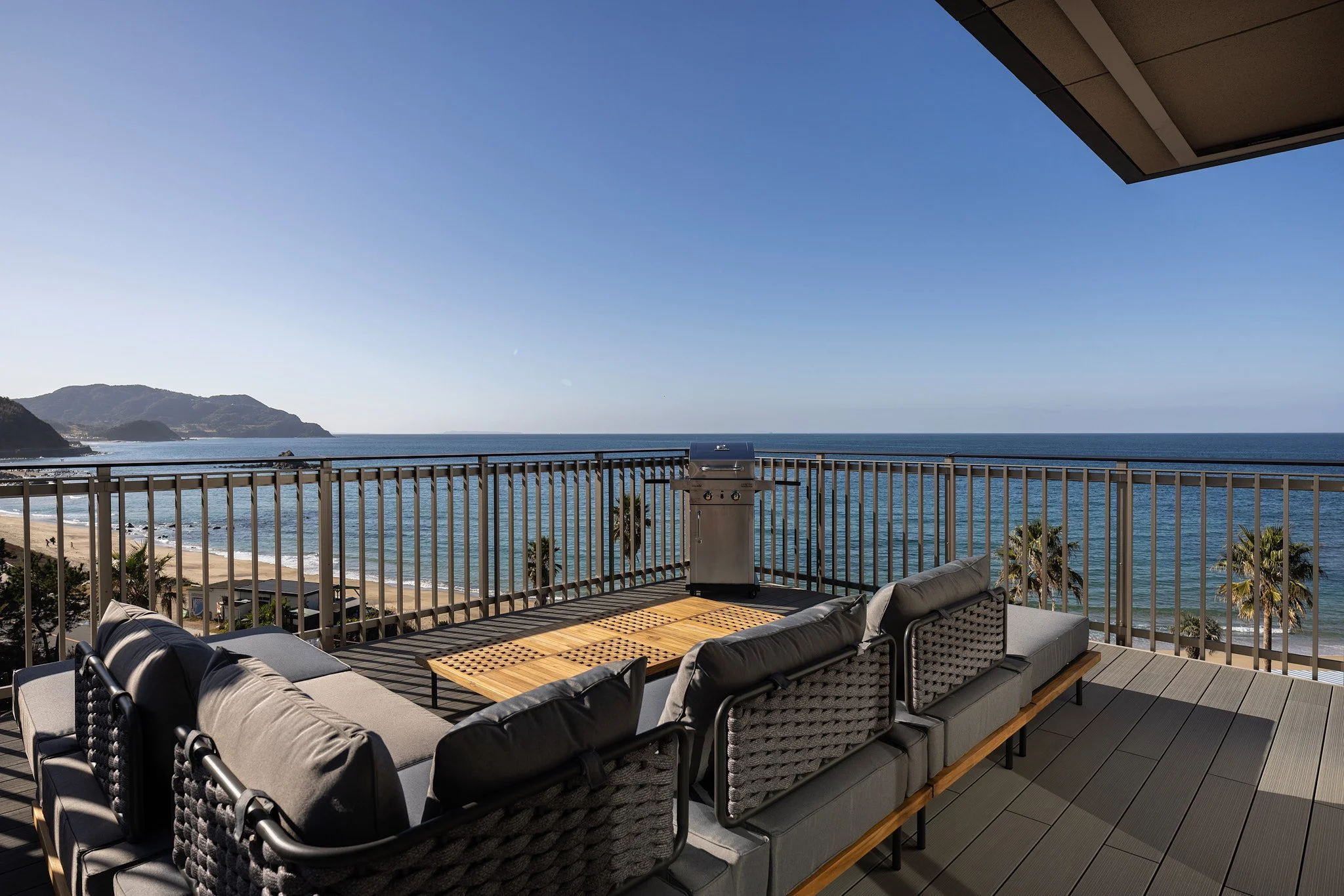
seven x seven Itoshima was developed as the prototype of the seven x seven platform, set on a coastal expression, designed to operate in direct alignment with its natural surroundings rather than compete with them. Located along the Itoshima shoreline in Kyushu, I positioned the property as a slower, more calibrated environment where space, light, and horizon define the experience.
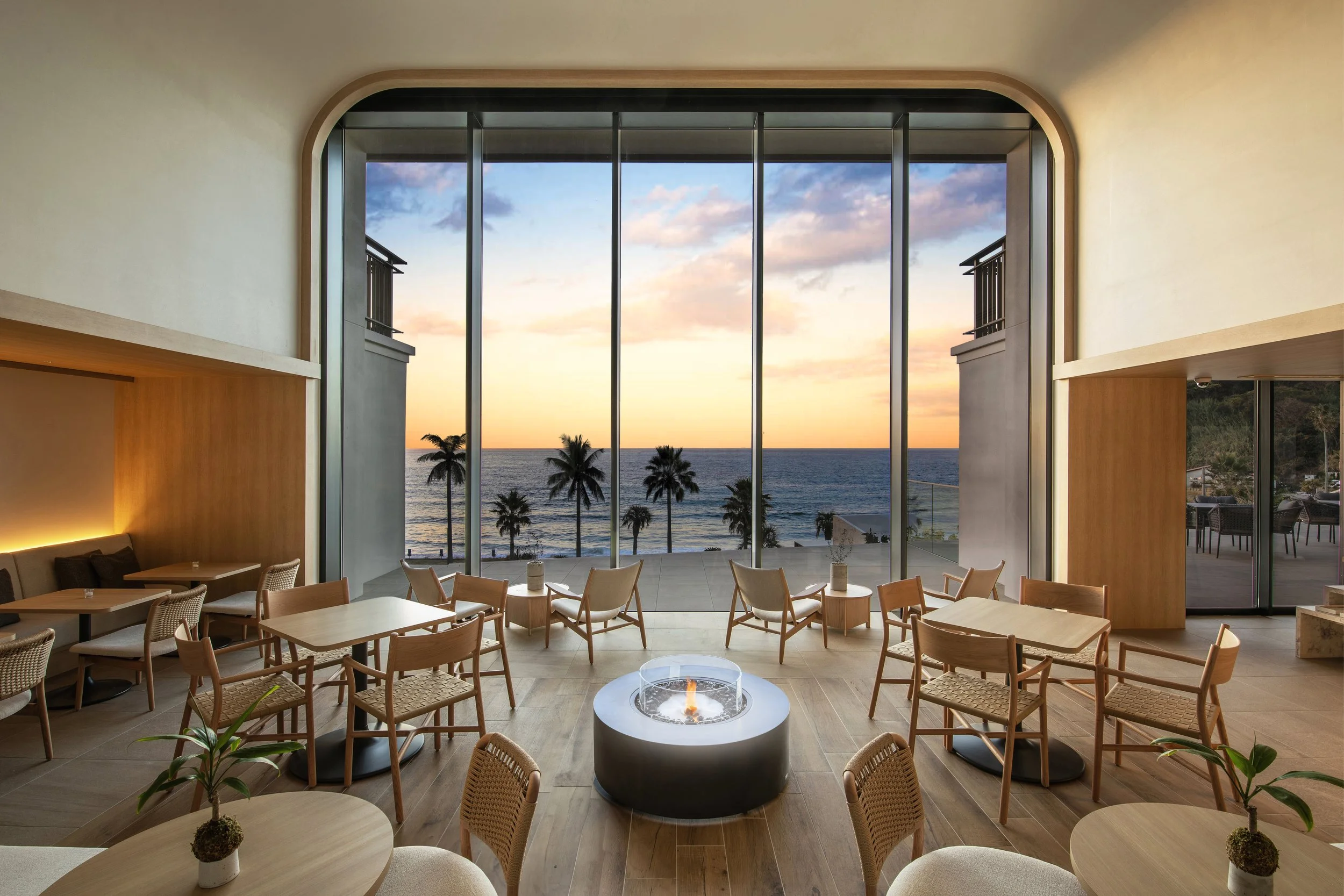
The objective here was restraint. Instead of building density or program-heavy activation, I focused on clarity of space and continuity between interior and exterior. The architecture and interiors are structured to frame the ocean, control sightlines, and allow natural elements light, wind, and sound to become part of the operational experience. As with Ishigaki, the model is built on self-directed hospitality. Guests move through the property with minimal friction, setting their own pace without reliance on traditional service layers. The role of the environment is to support that autonomy through intuitive design rather than instruction.
What differentiates Itoshima is its emphasis on emotional regulation through space. The property is intentionally quieter, more minimal, and more spatially open. This creates a different behavioral outcome less social intensity, more personal reset.
From a platform perspective, Itoshima demonstrates how the system adapts to context. The core principles remain consistent autonomy, clarity, and integration but the expression shifts to reflect the environment and the intended guest mindset.
It’s a controlled, coastal iteration of the brand, designed for guests seeking space, stillness, and a more deliberate pace of living.