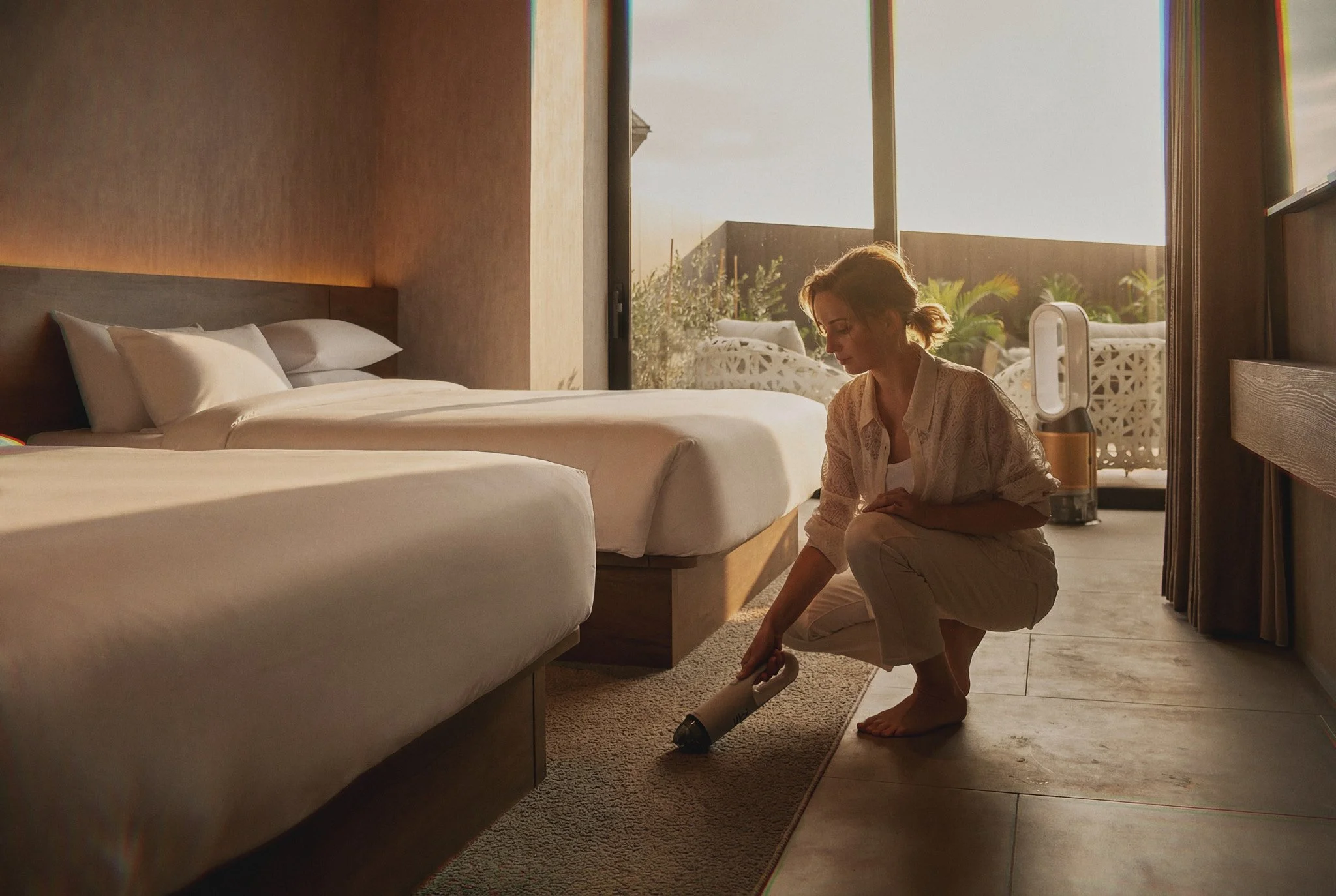
edit your stay.
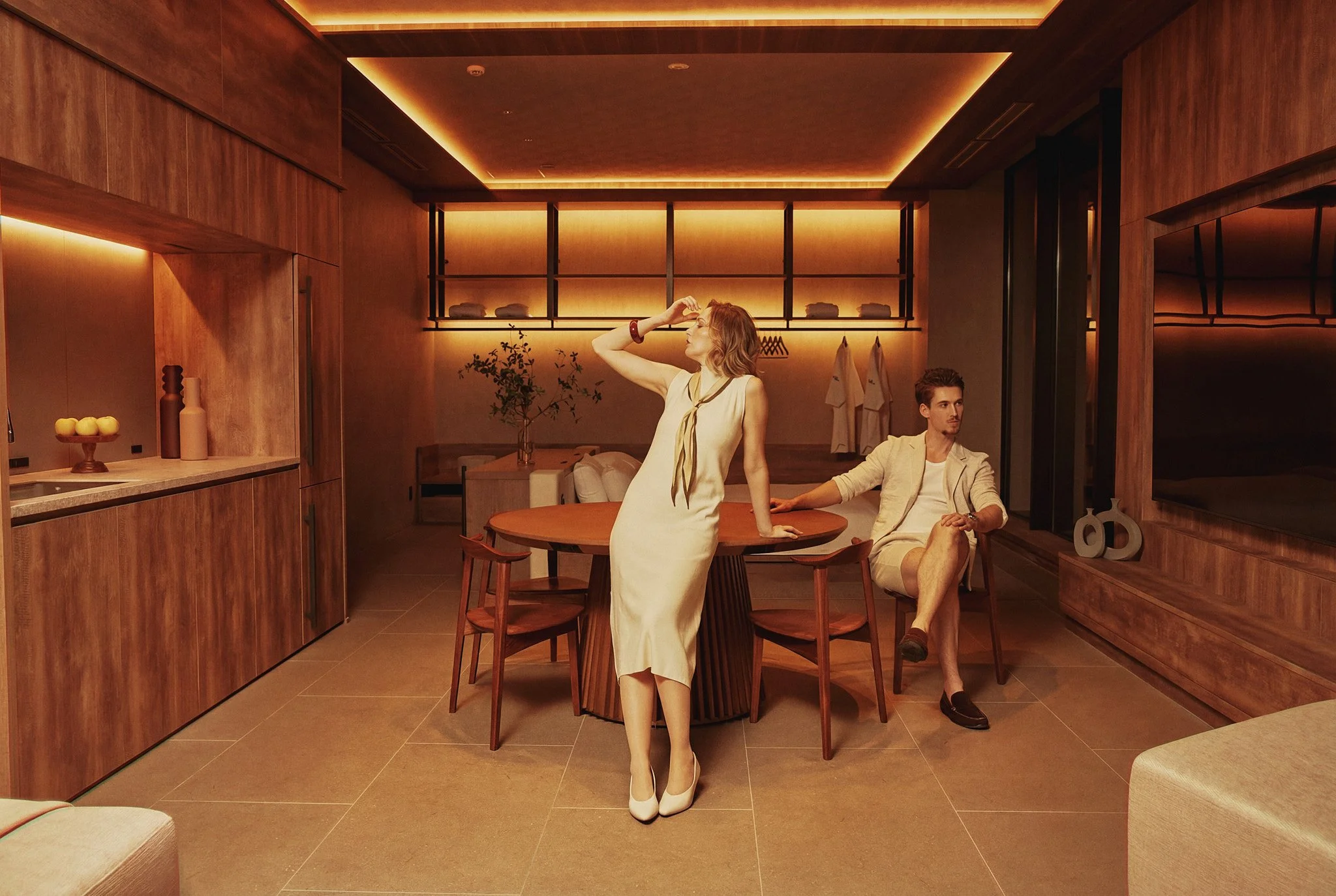
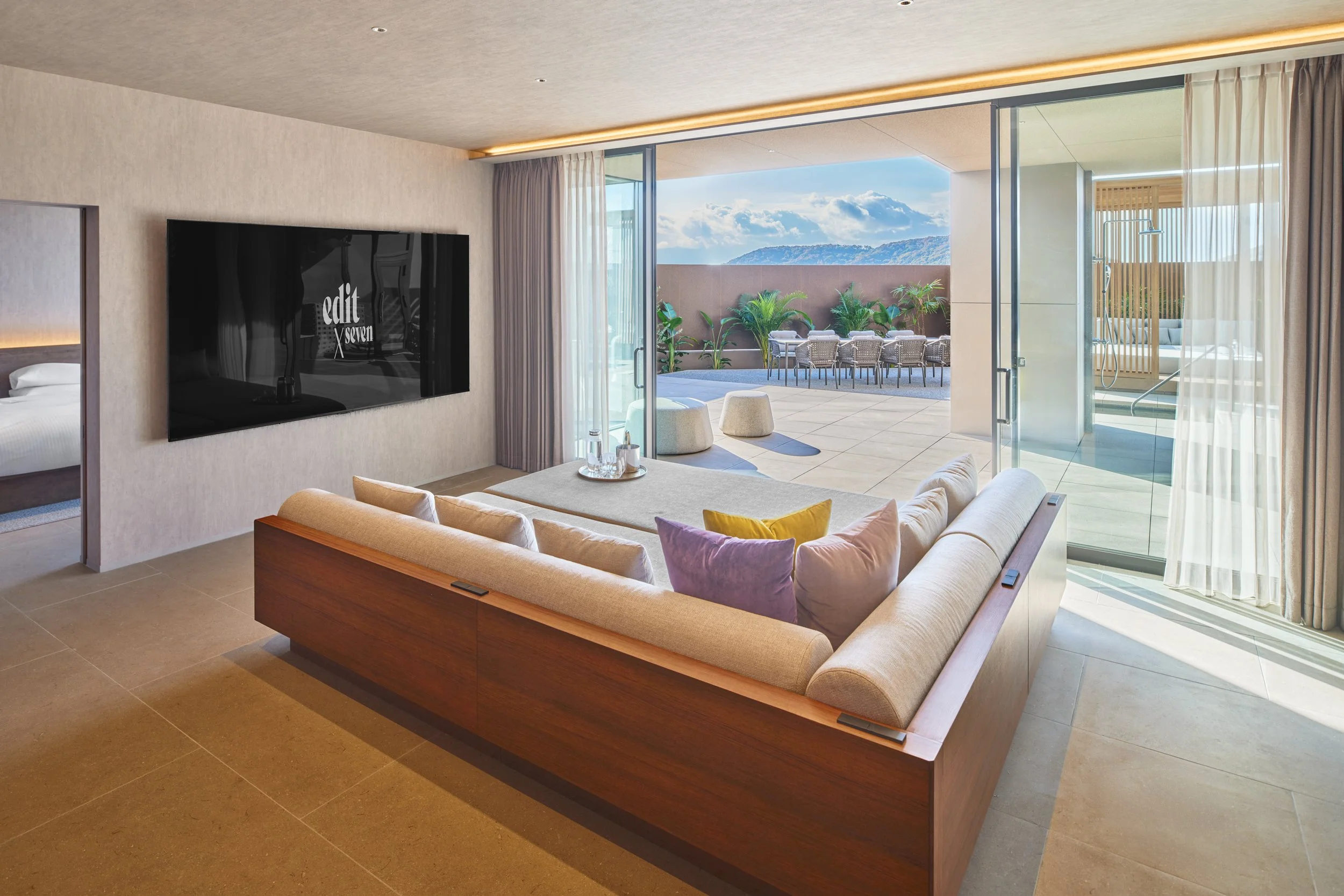
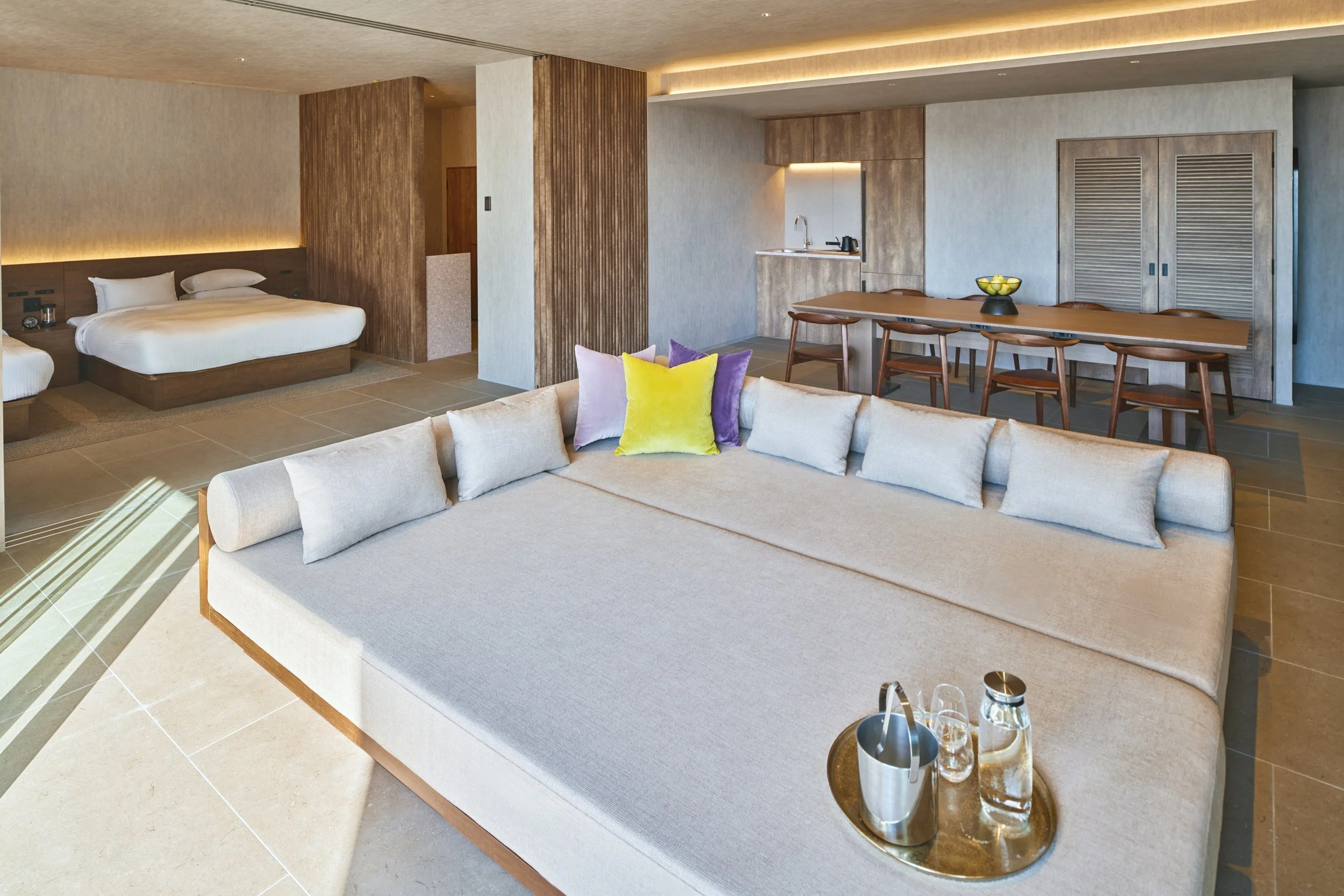
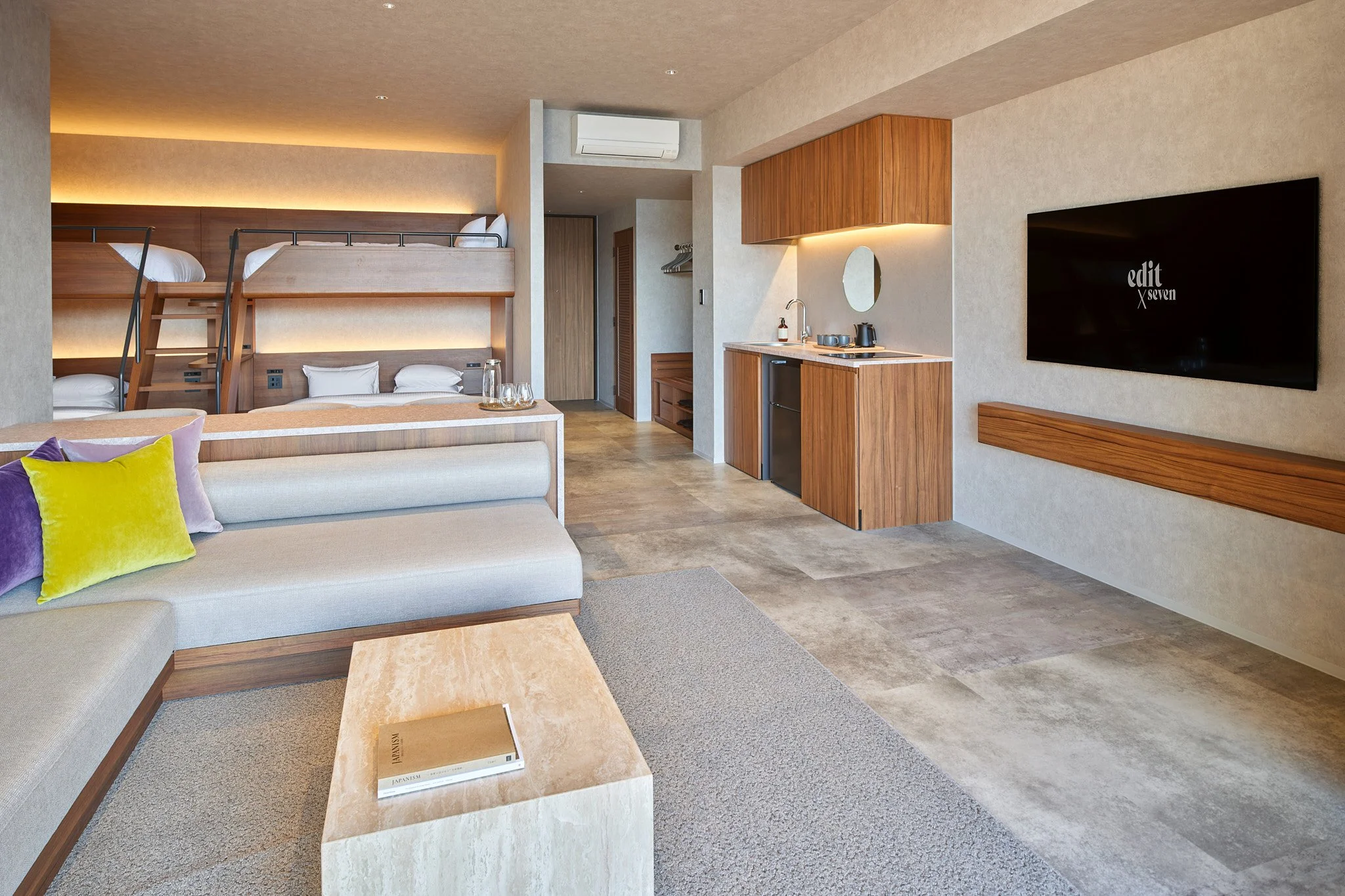
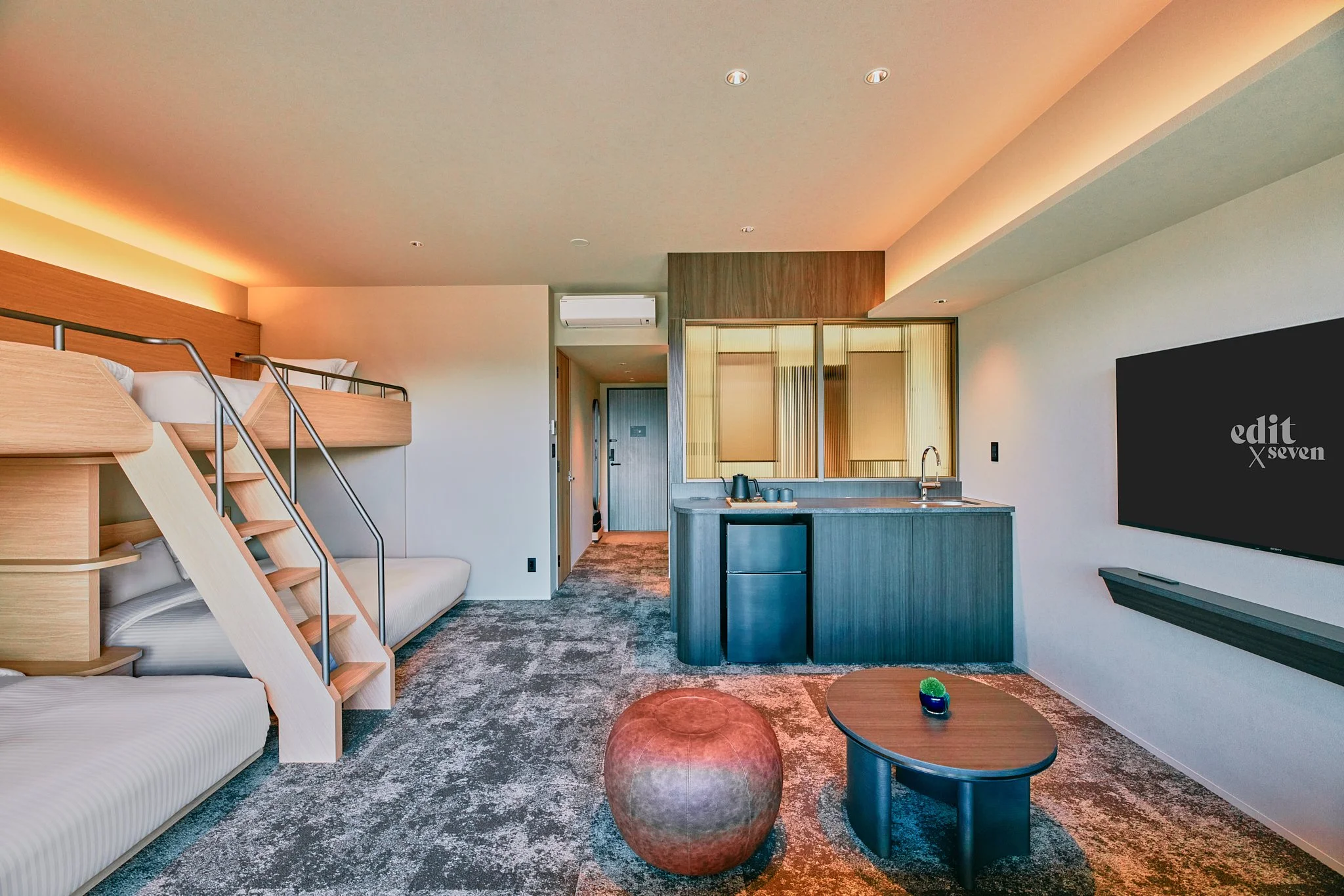
At its core, edit x seven is an abbreviated extension of the seven x seven model simplified, but not diluted. Developed as a secondary layer of the platform, designed to extend the seven x seven philosophy into a more distilled, flexible format. Where seven x seven operates as the flagship expression, edit x seven is a curated reduction, focused on clarity, efficiency, and adaptability across different locations and asset types. I approached edit x seven as a system that could scale more fluidly while maintaining the core principles of the brand. The emphasis is on architectural restraint, warm minimalism, and highly considered spatial planning. Every decision from material selection to room layout and circulation serves a functional purpose, reducing excess while maintaining a strong sense of identity.
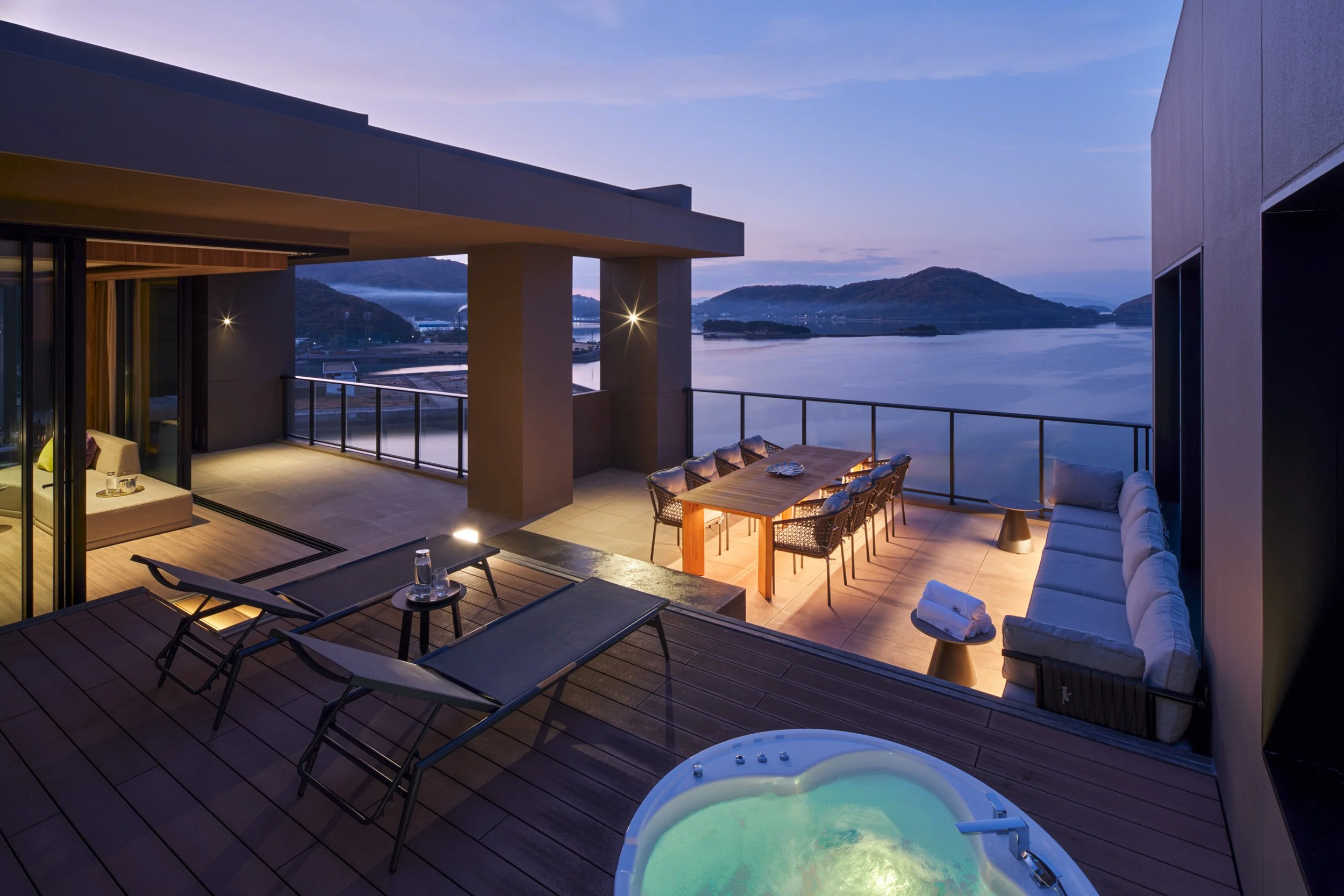
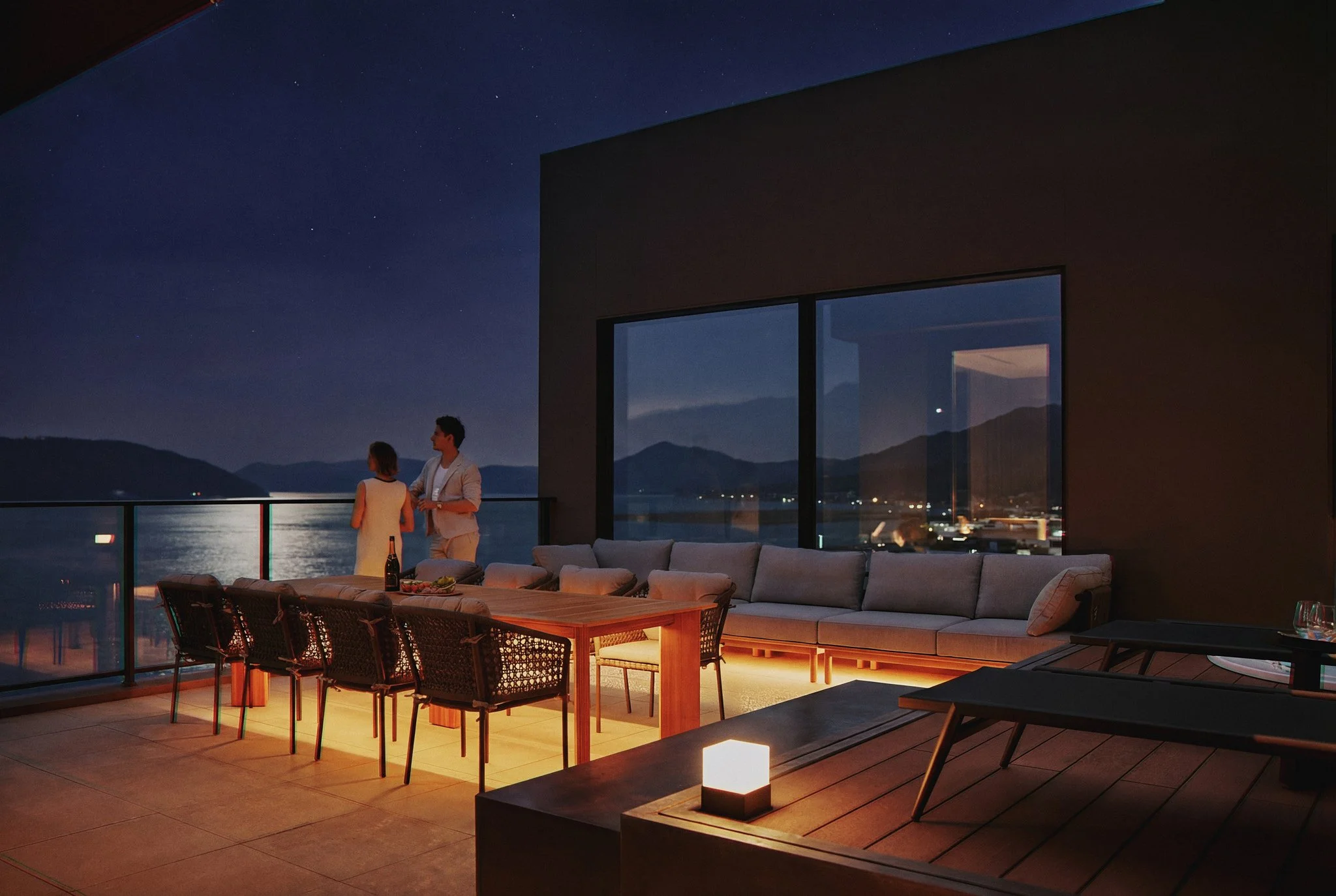
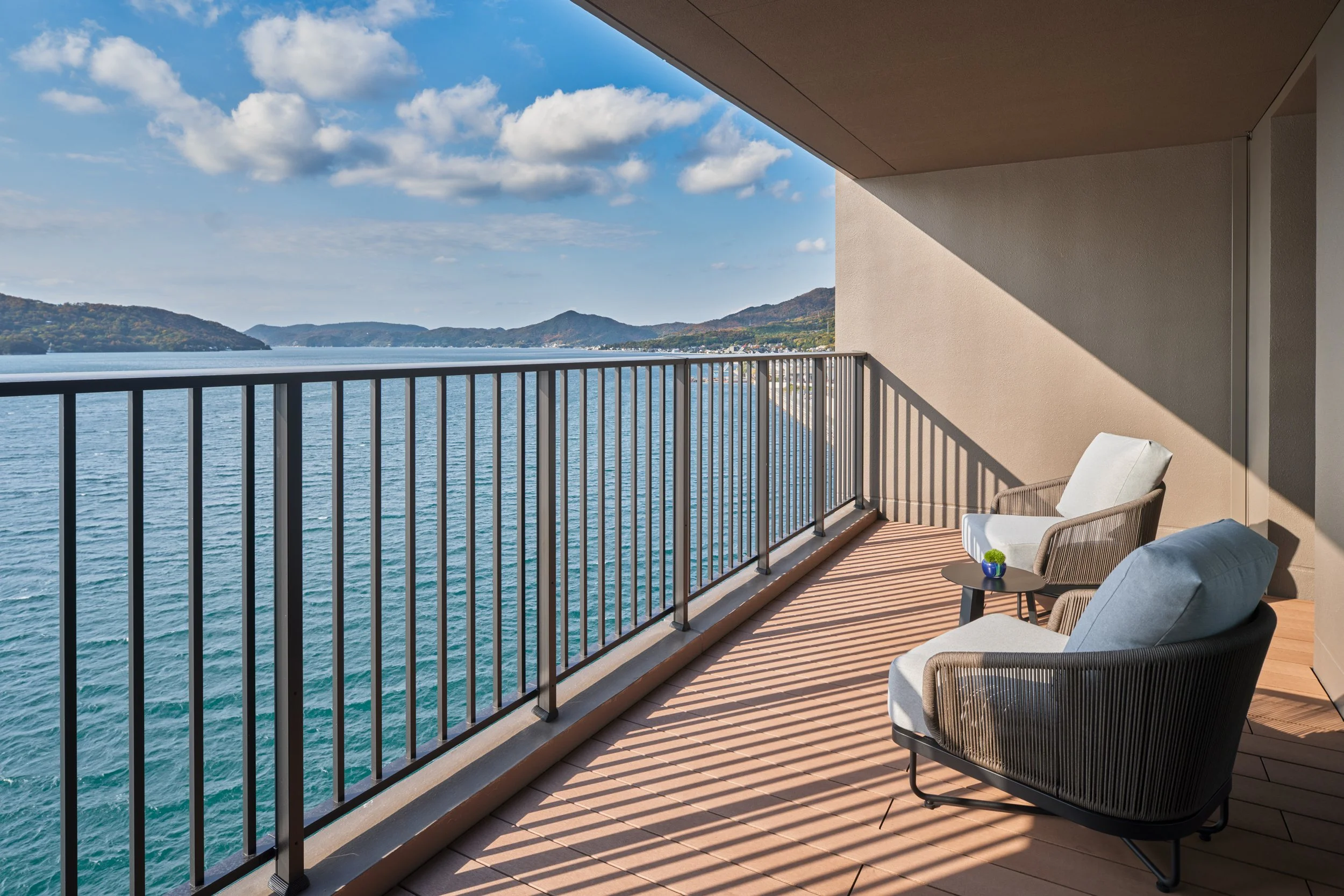
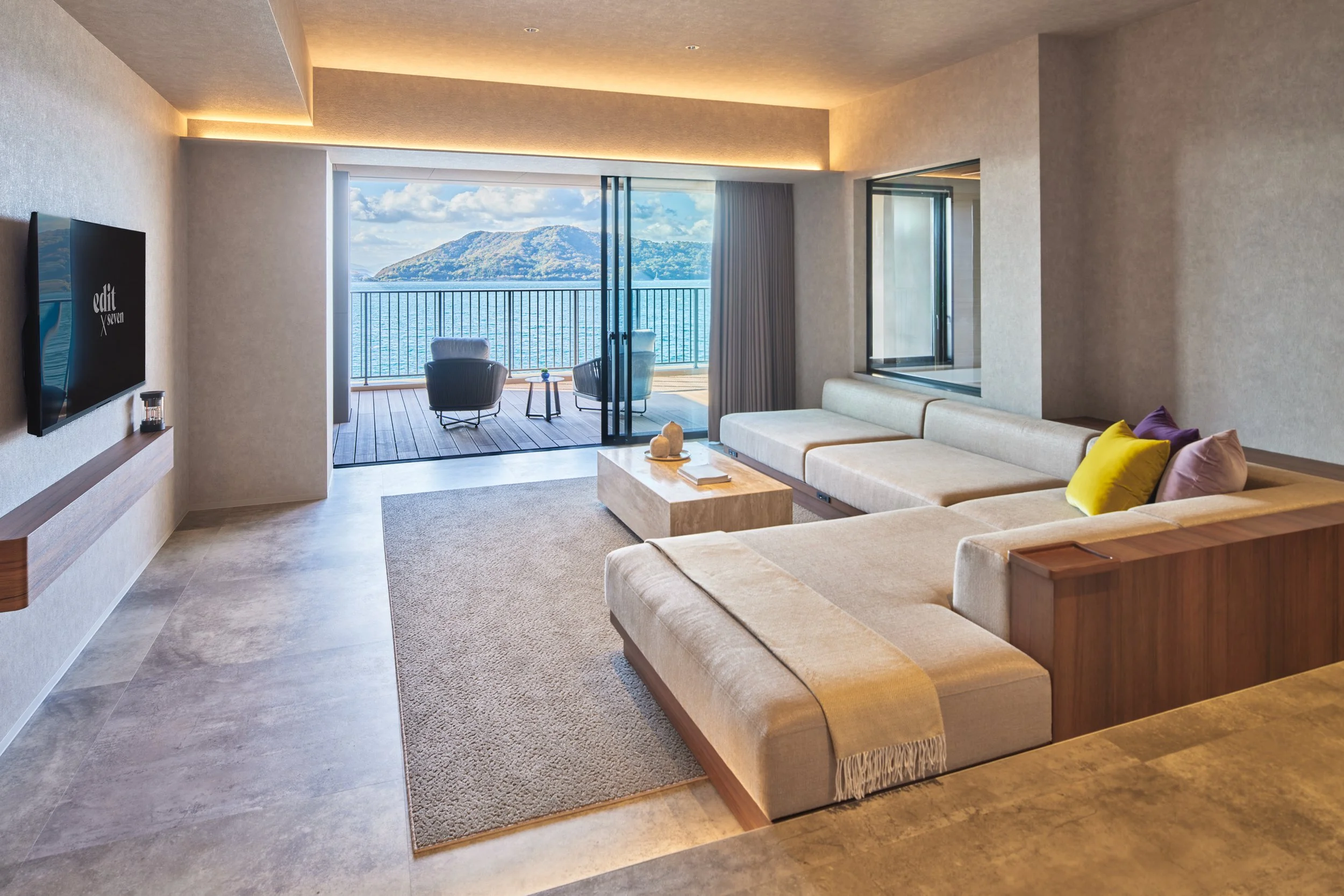
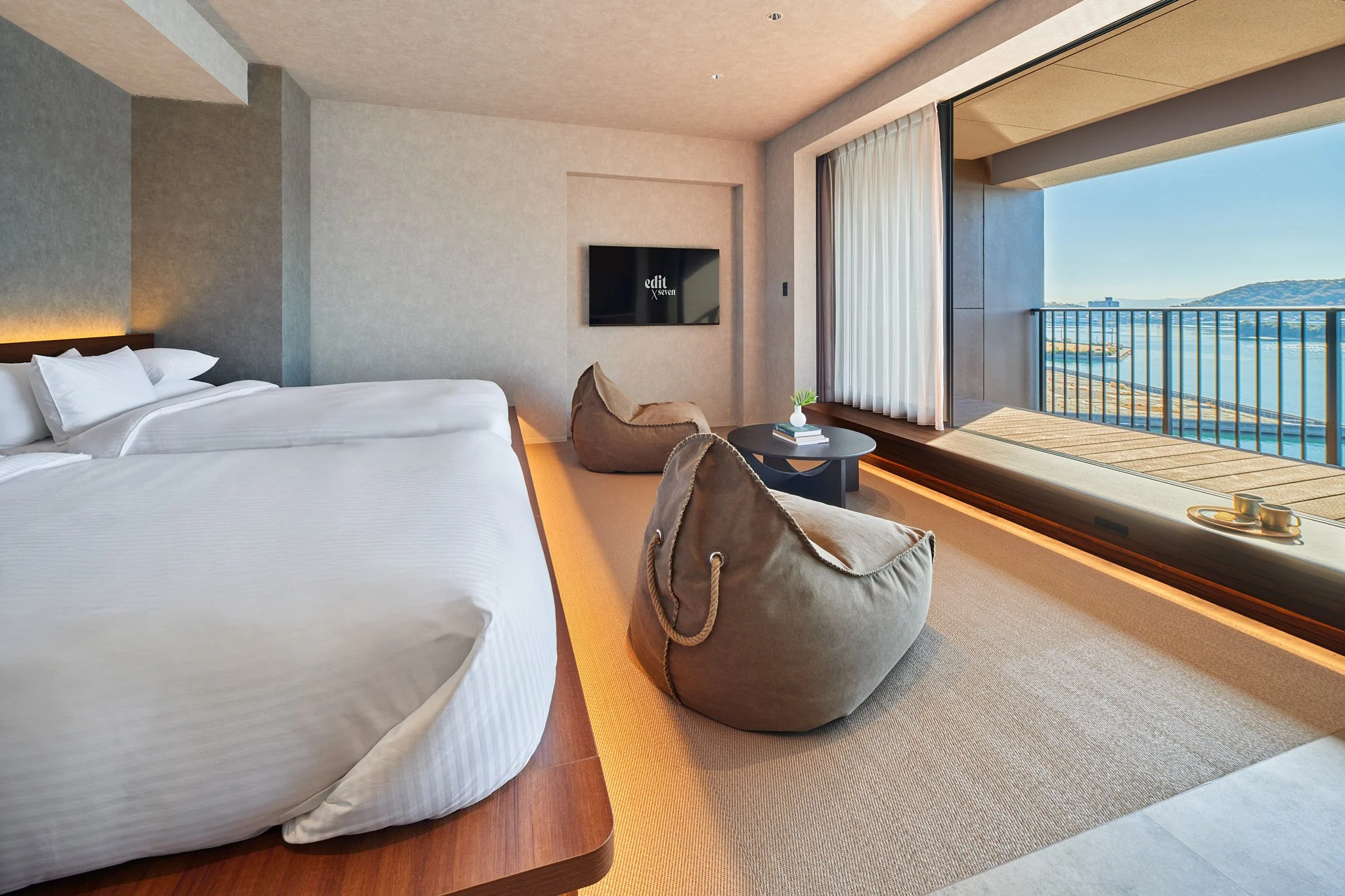
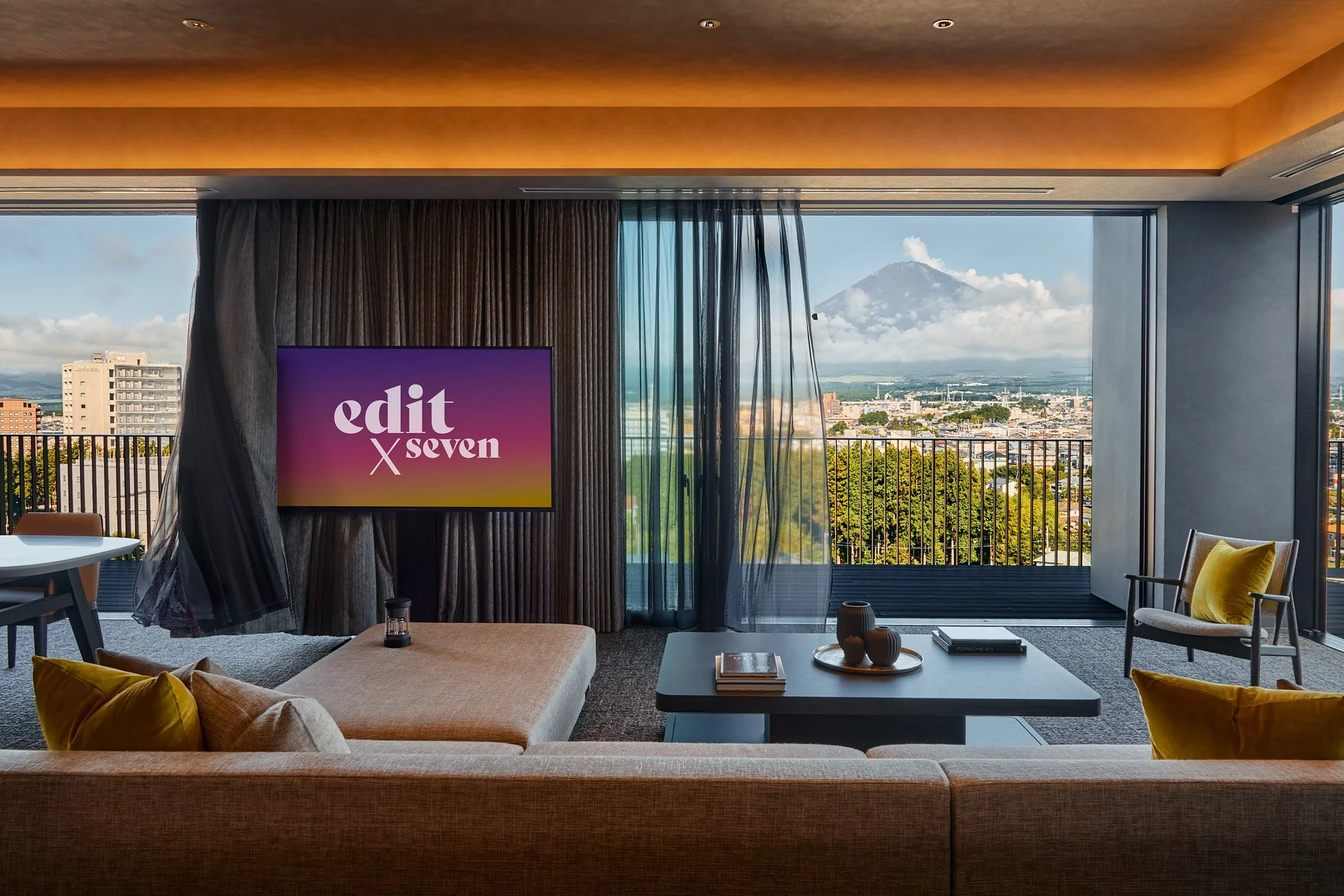
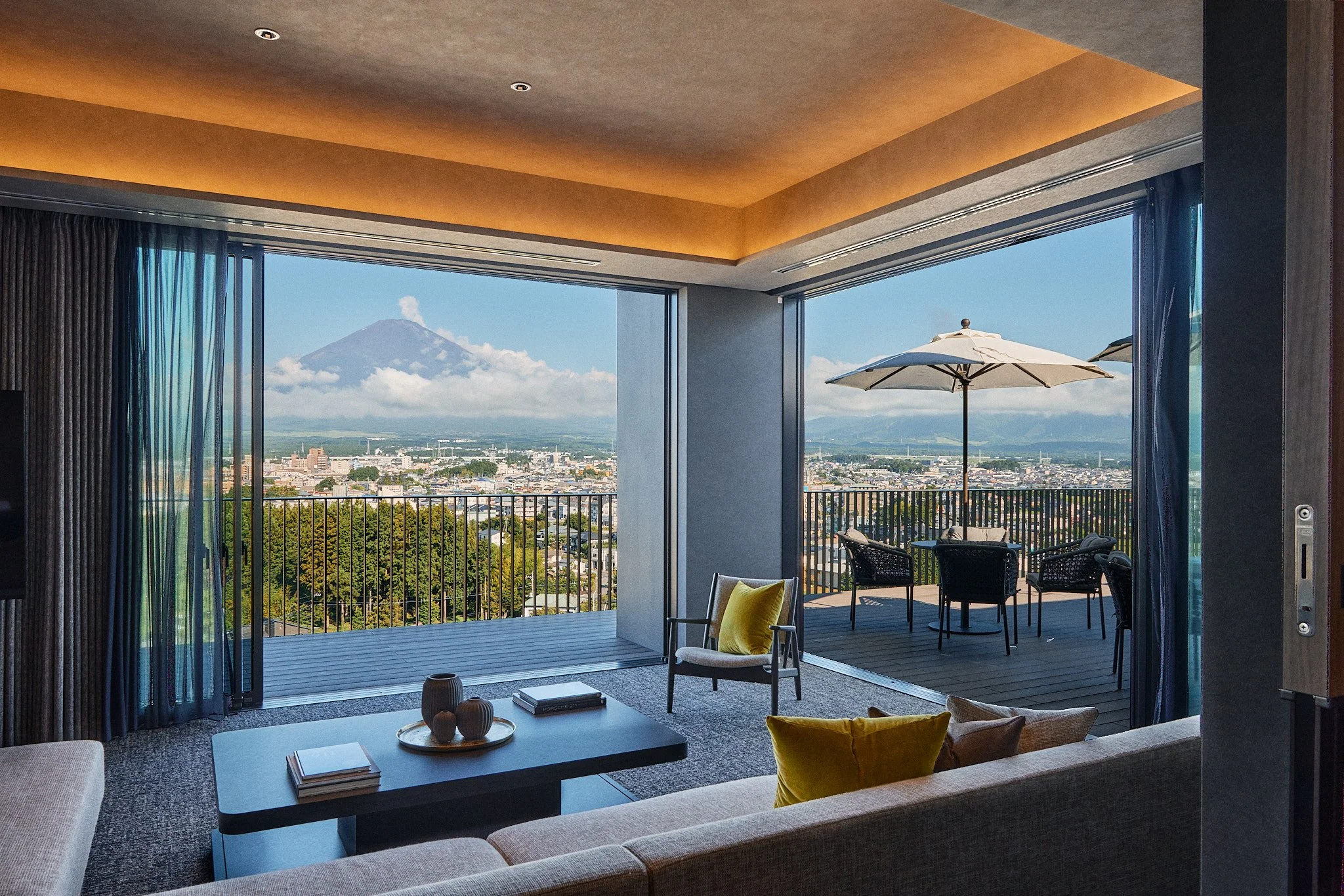
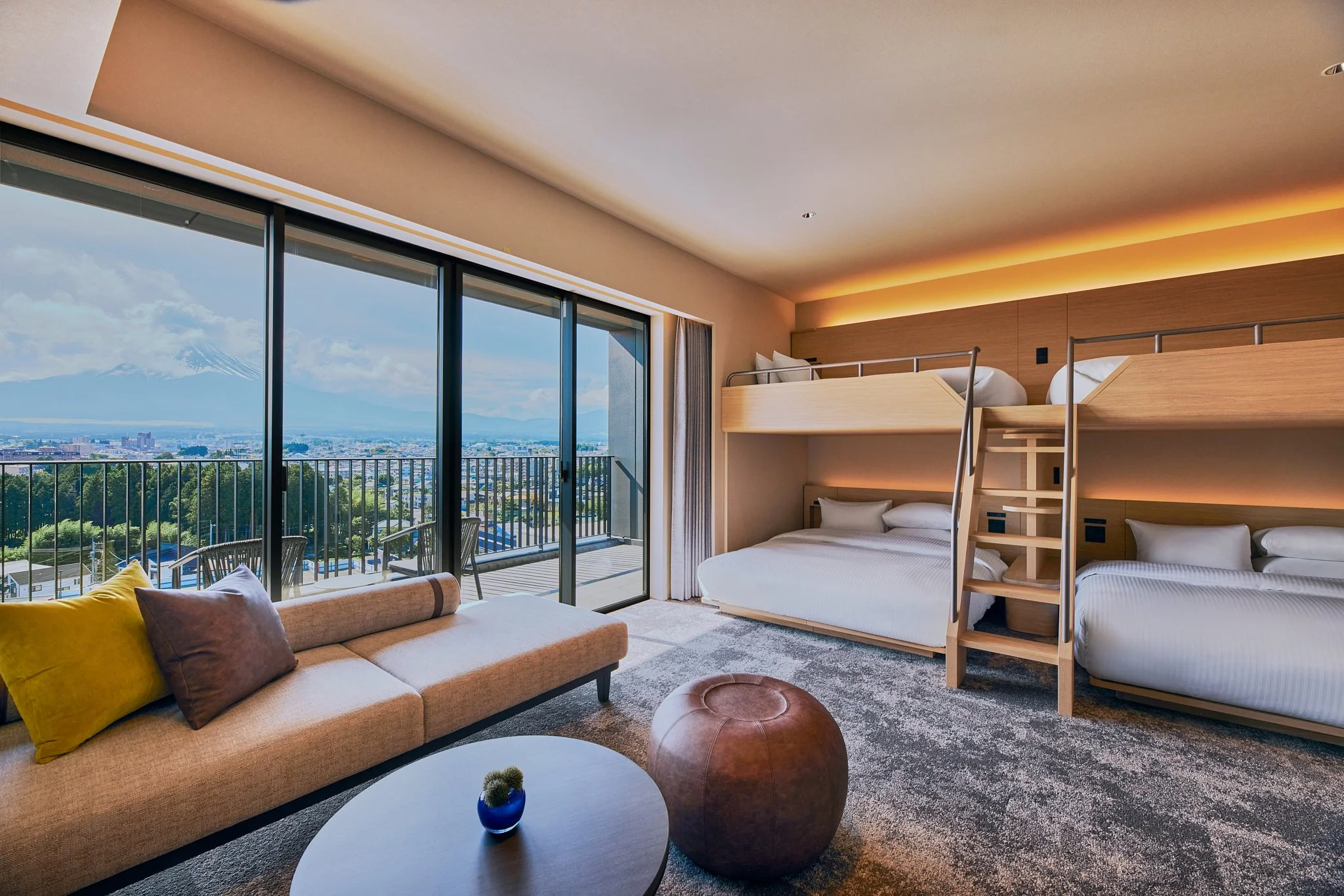
My approach in designing the guest experience, follows the same self-directed model as seven x seven platform, but with a more lightweight operational structure. Spaces are designed to be immediately understandable and easy to use, allowing guests to move through the environment without reliance on layered service. This creates a more direct relationship between the guest and the space. Each location is adapted to its context. In Gotemba, the design frames Mount Fuji as a constant visual anchor, integrating landscape into the daily experience. In Shodoshima, the approach shifts toward softness and texture, reflecting the island’s slower rhythm and natural materialism. The system remains consistent, but the expression is always site-responsive.
edit x seven operates as a modular brand platform efficient to implement, clear in its identity, and adaptable across markets. It allows for faster deployment without compromising design integrity or guest experience.
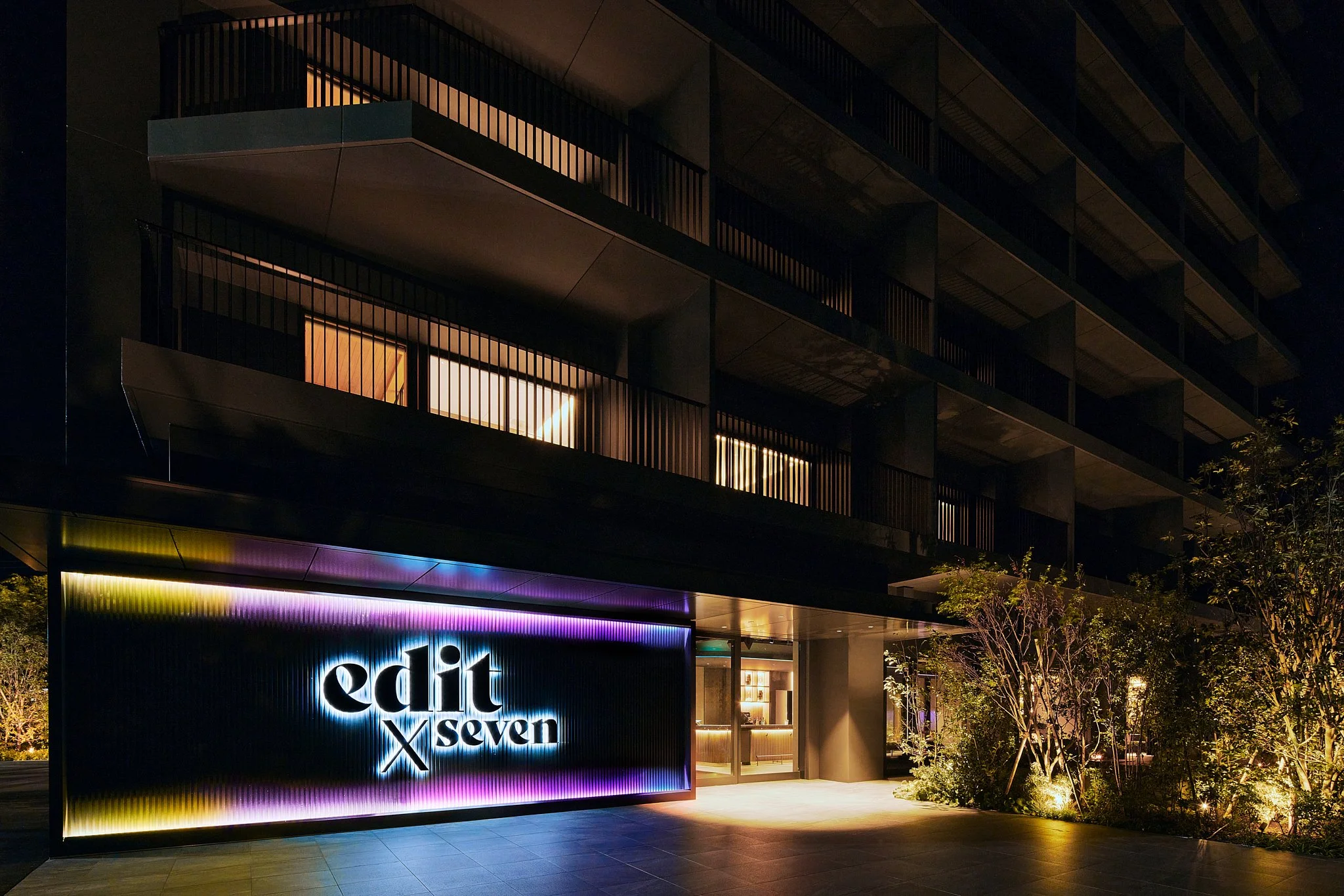

edit x seven Fuji Gotemba was developed as a site-specific implementation of the edit x seven model, designed to operate in direct relationship with Mount Fuji as its primary visual and spatial anchor.
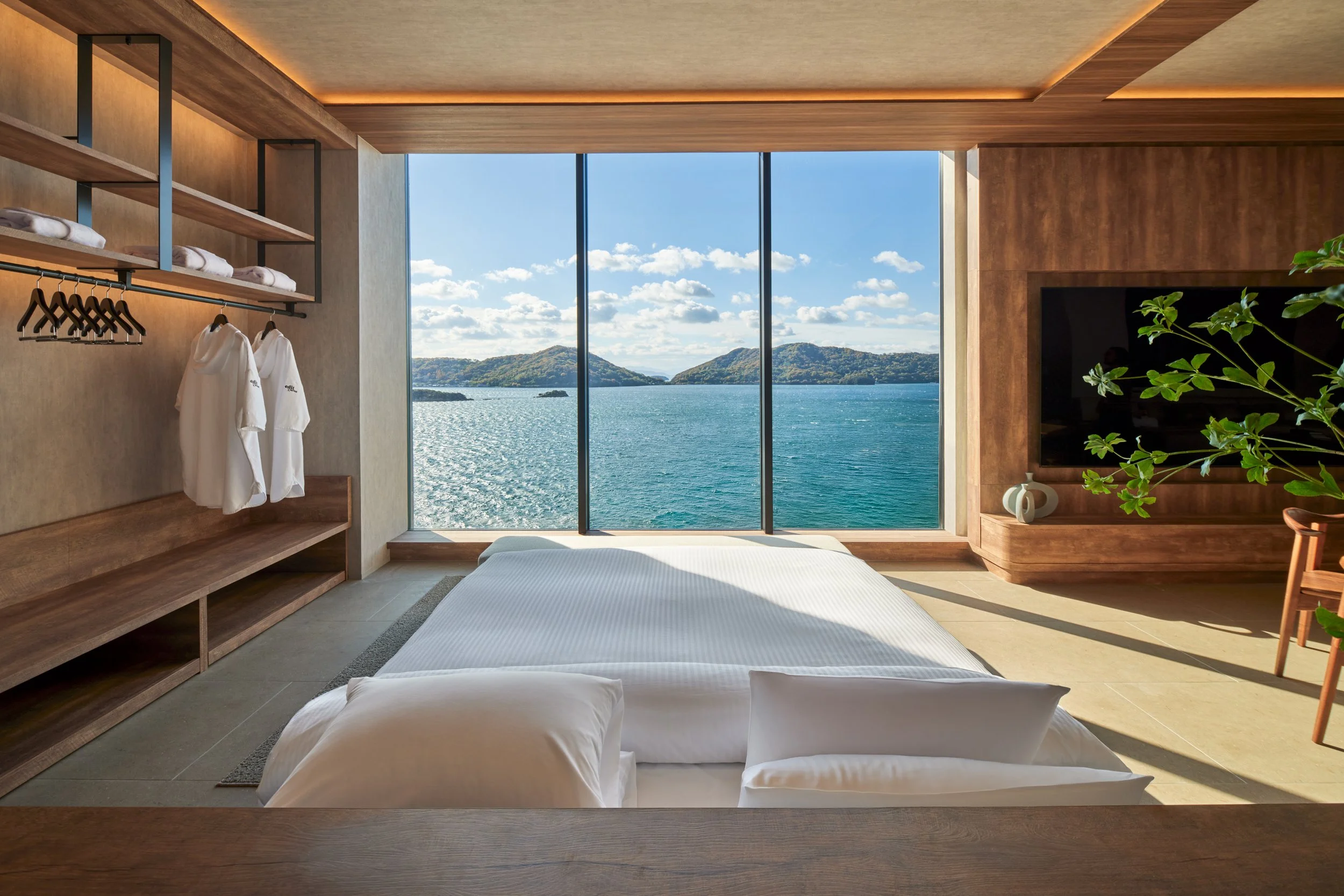
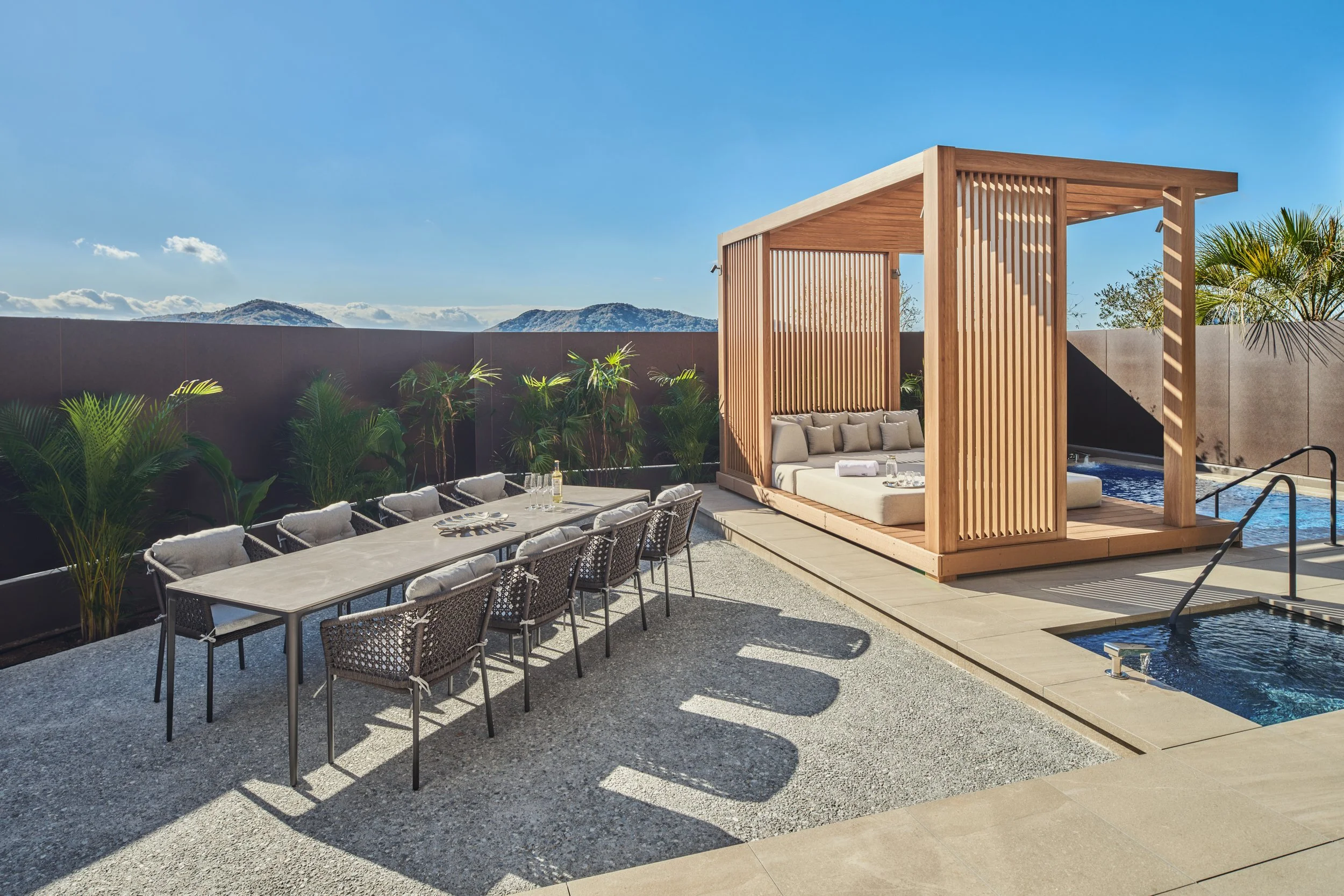
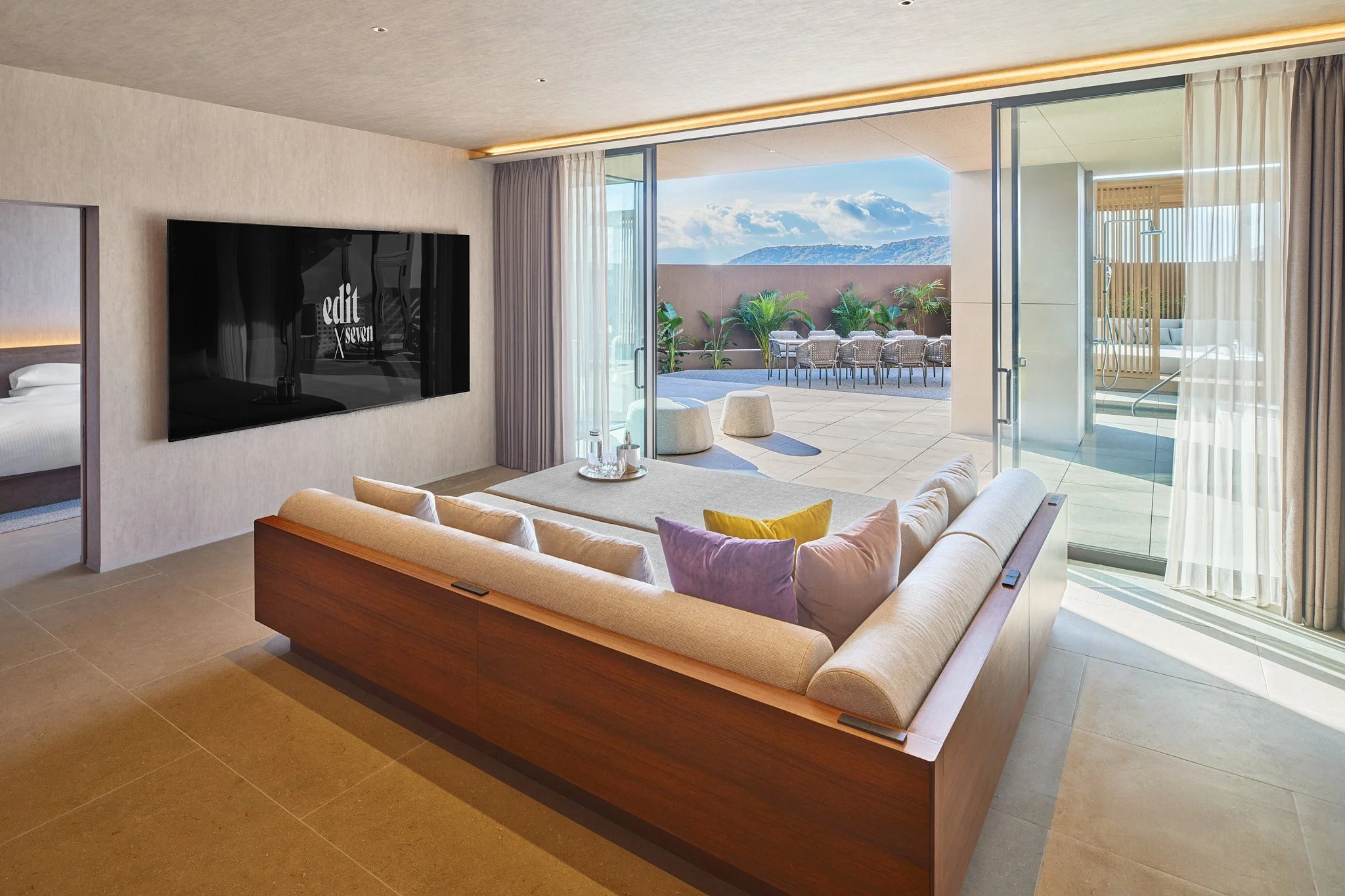
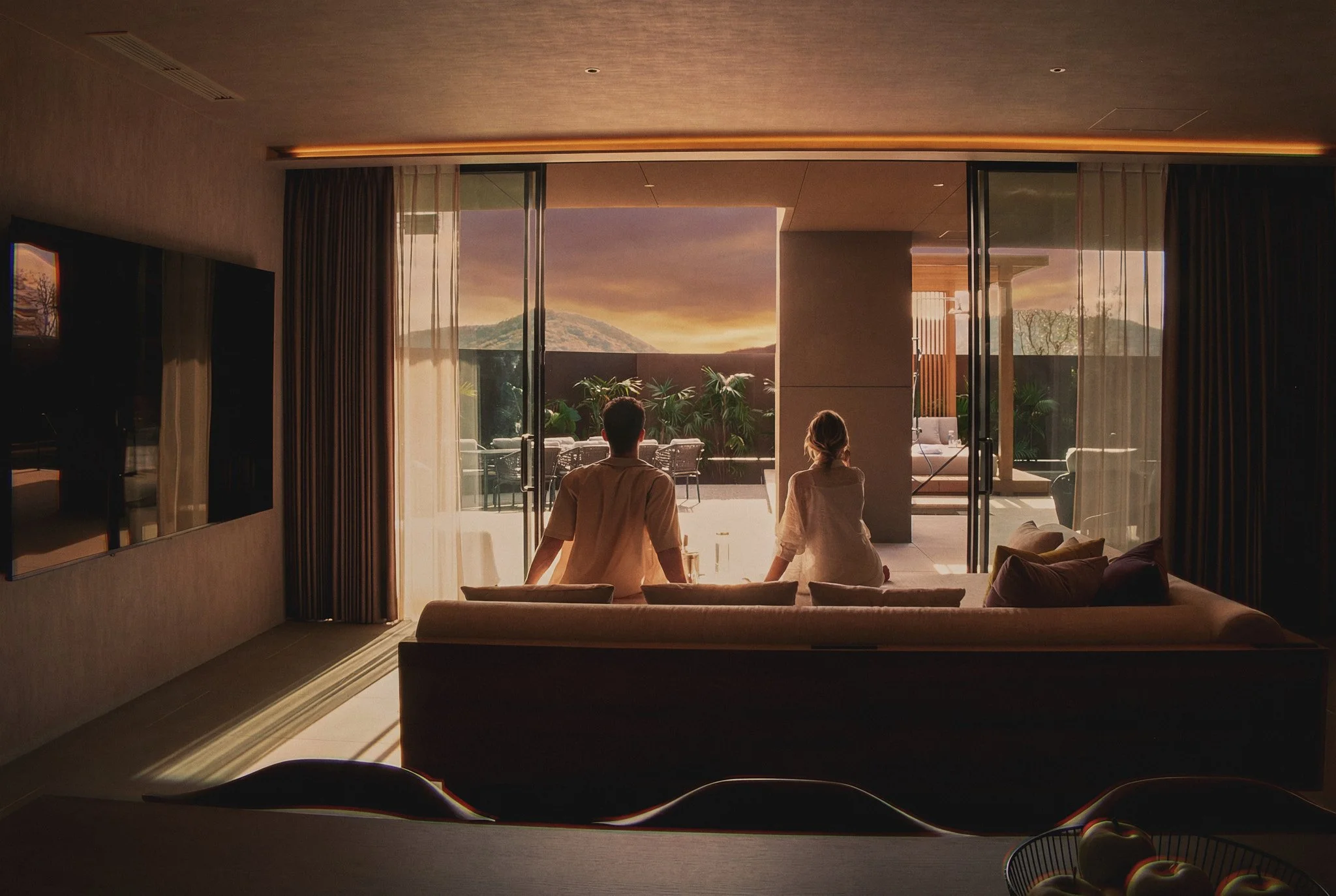
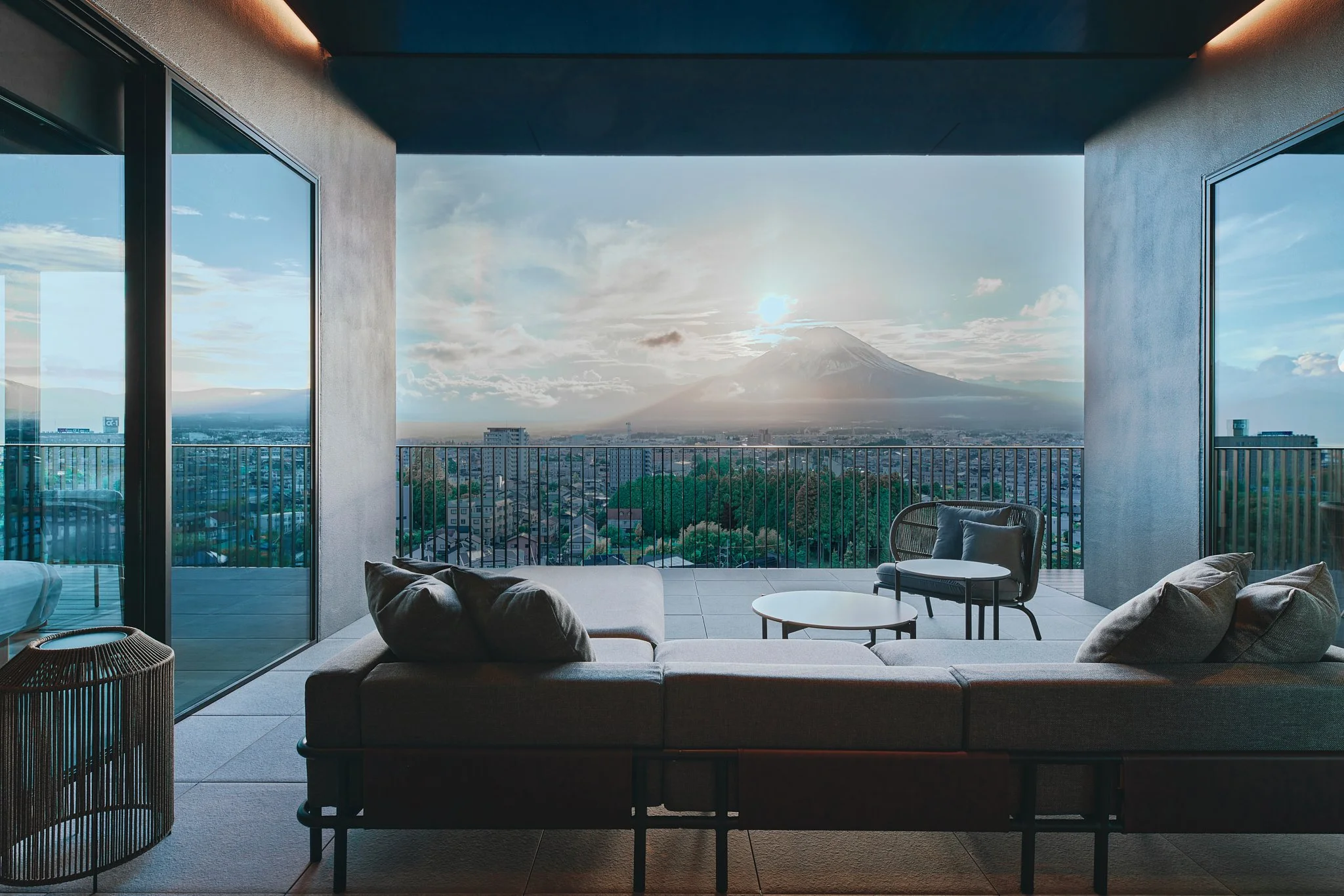
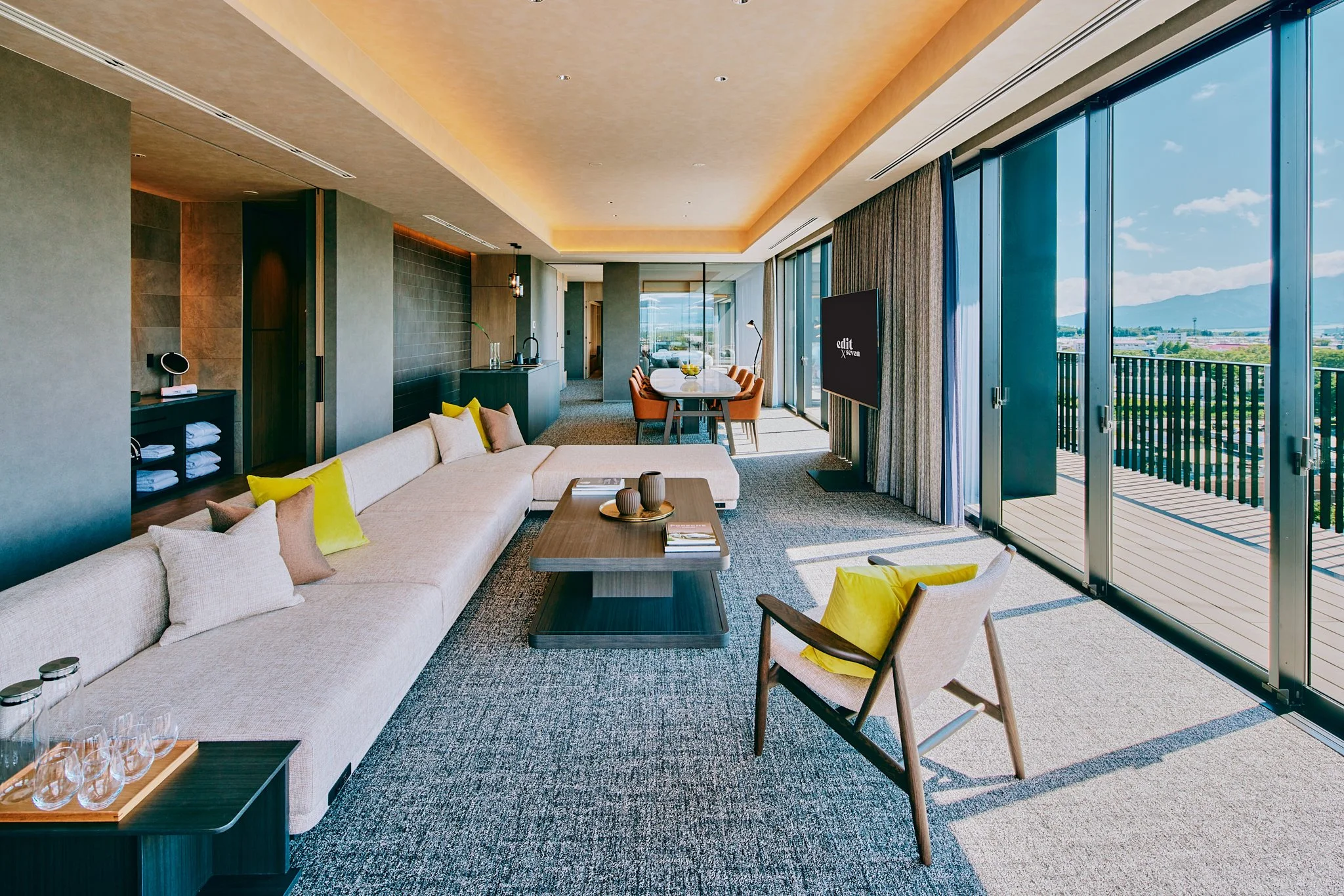
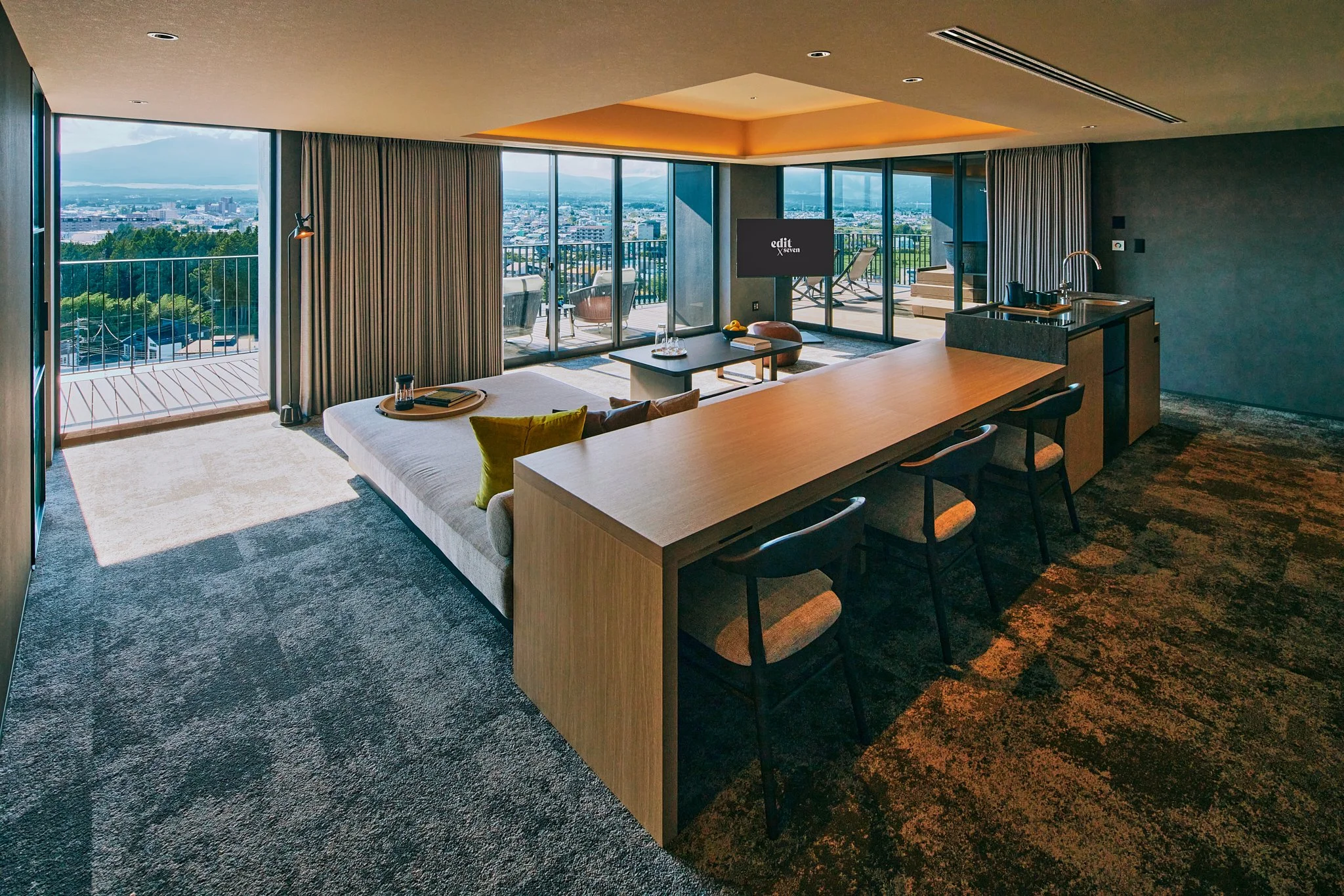
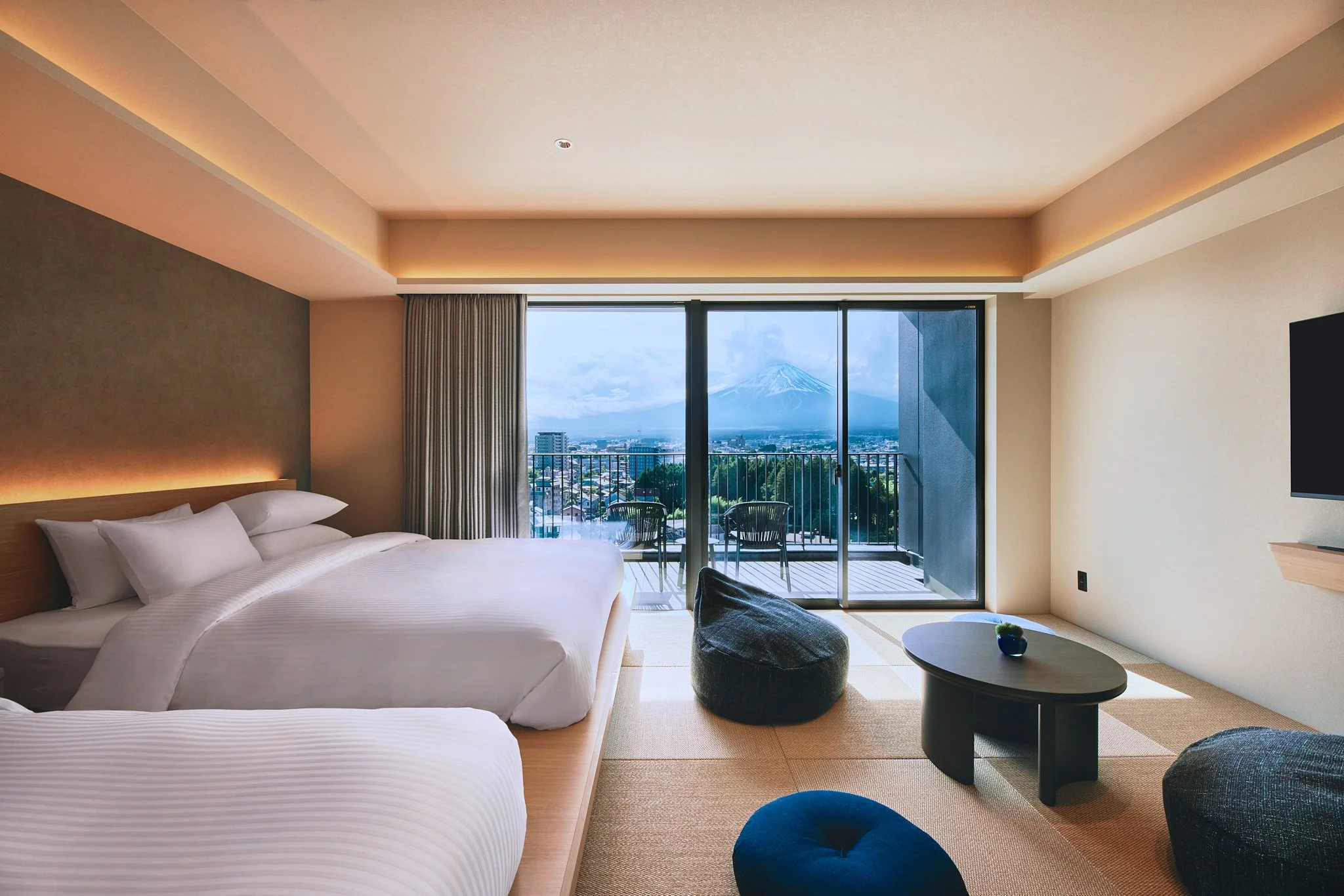
In this location, the objective was to simplify the experience even further allowing the landscape to take precedence over built form. The architecture and room layouts are intentionally oriented to frame uninterrupted views of Mount Fuji, making it a constant presence within the guest journey rather than a distant backdrop.
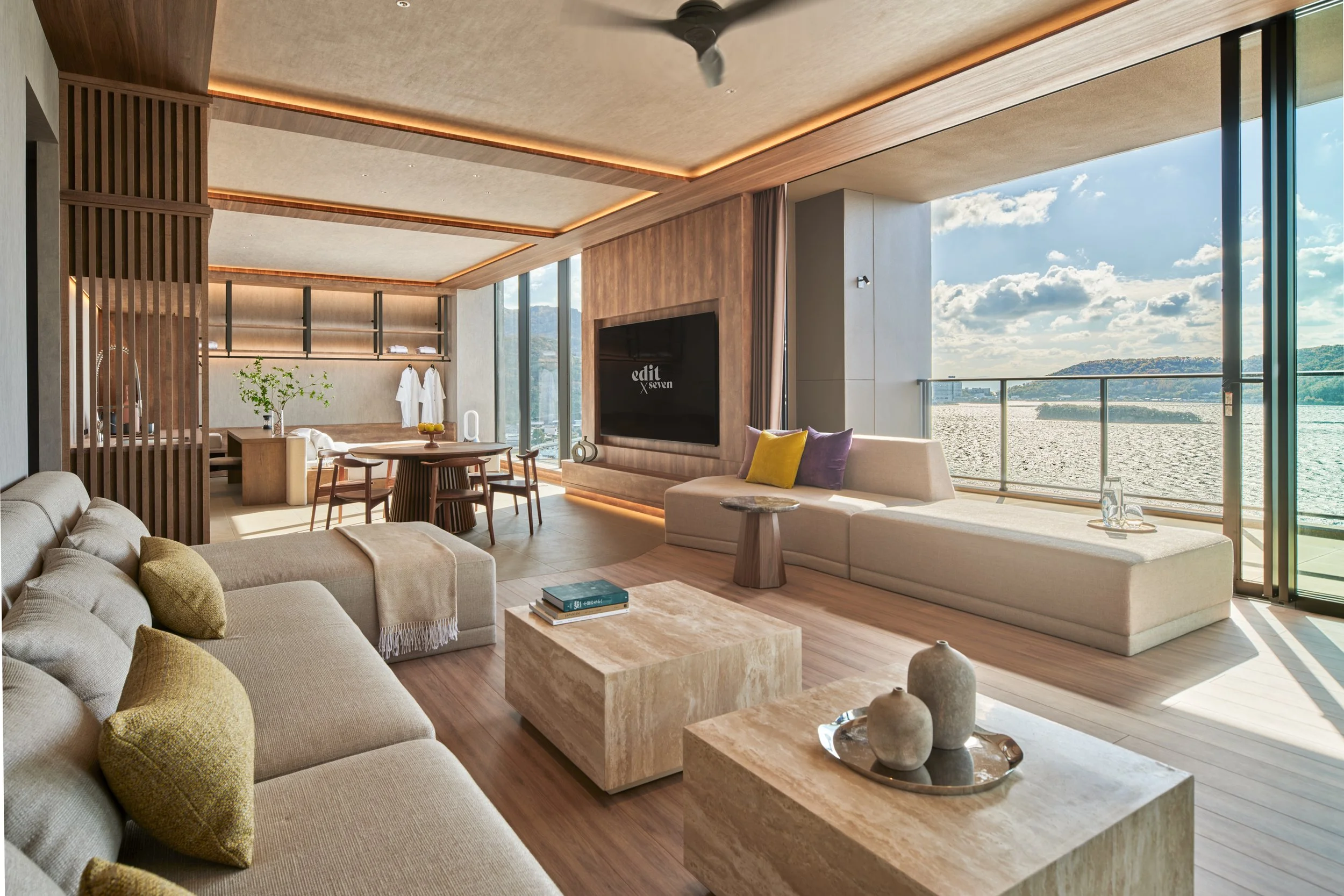
The design language follows the core edit x seven principles: warm minimalism, clean geometry, and material restraint. Interiors are reduced to essential elements, with a focus on natural textures and tonal consistency. This creates an environment that feels calm, grounded, and immediately legible.
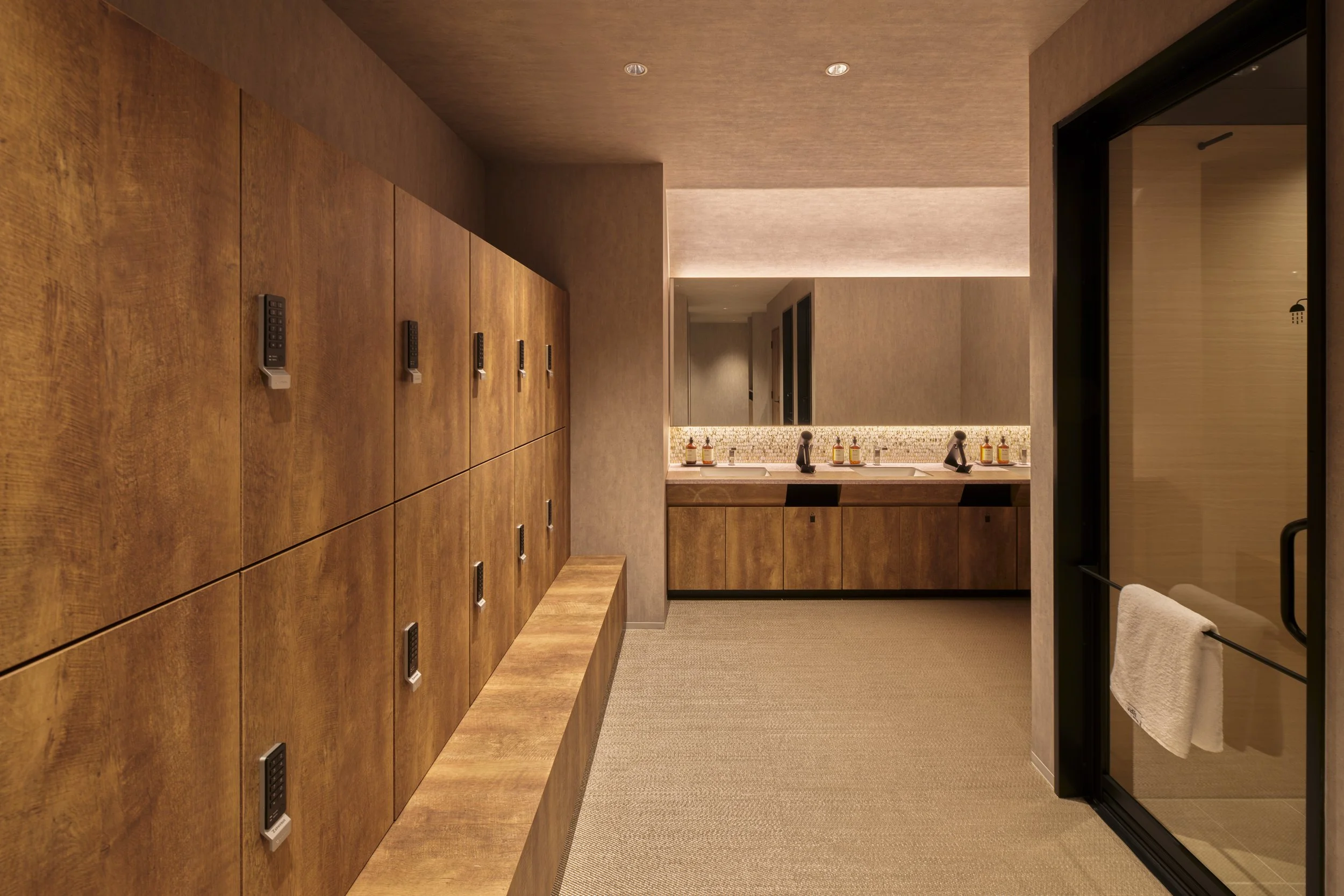
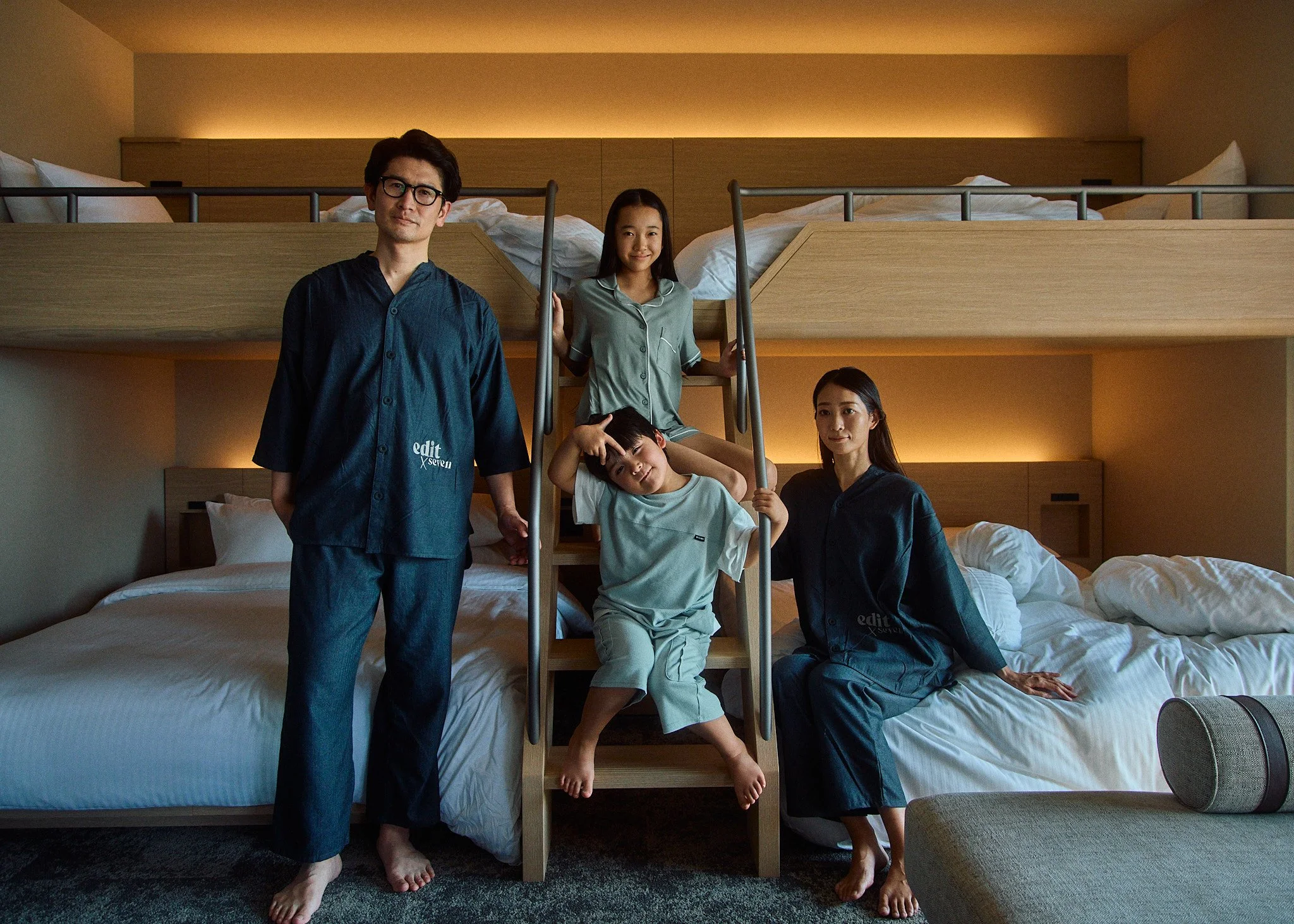
Operationally, the property runs on a highly efficient, self-directed model. Arrival, access, and in-room functionality are structured to minimize friction and remove unnecessary service layers. Guests are able to engage with the space independently, using it as a base rather than a managed experience.
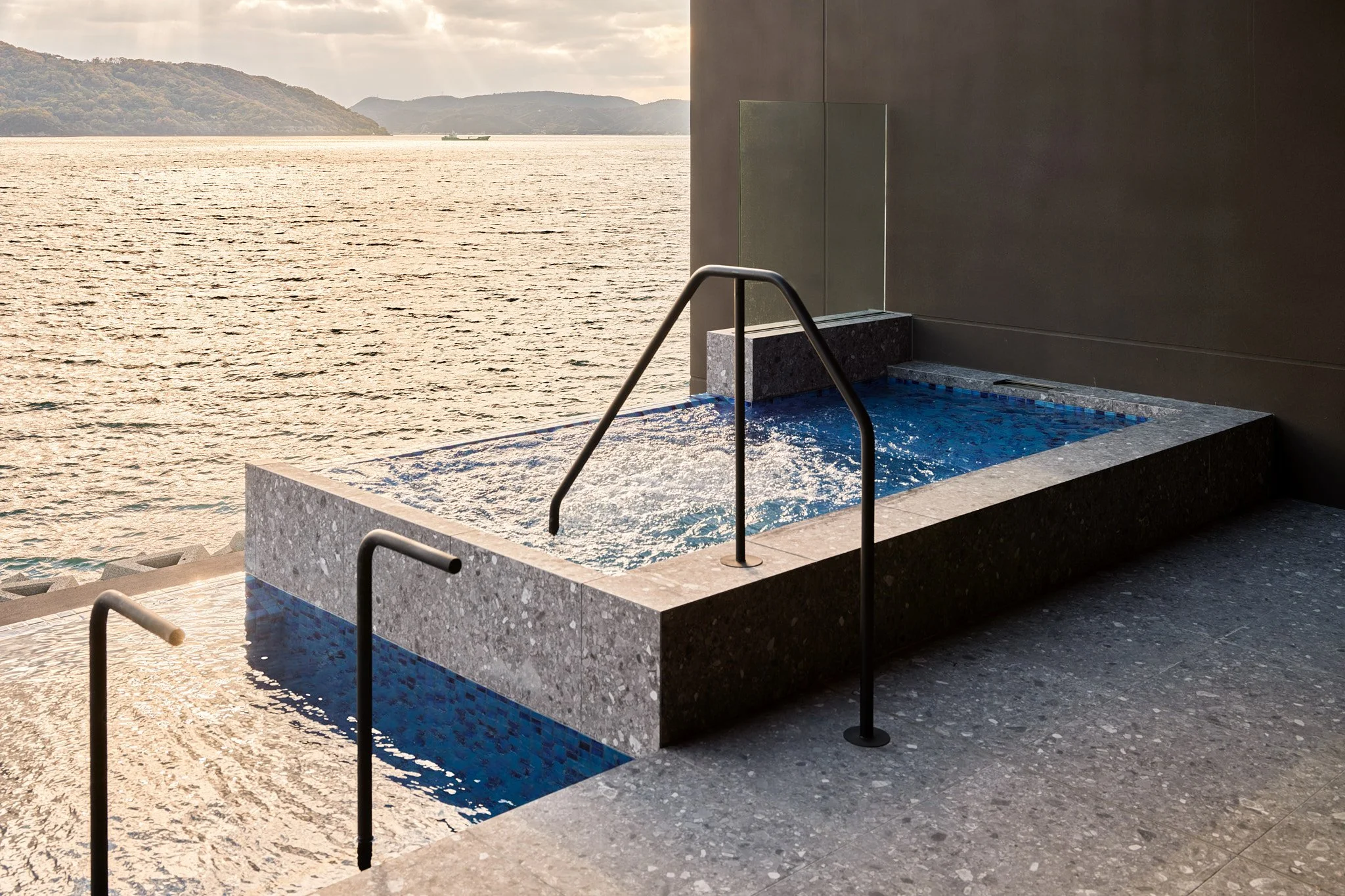
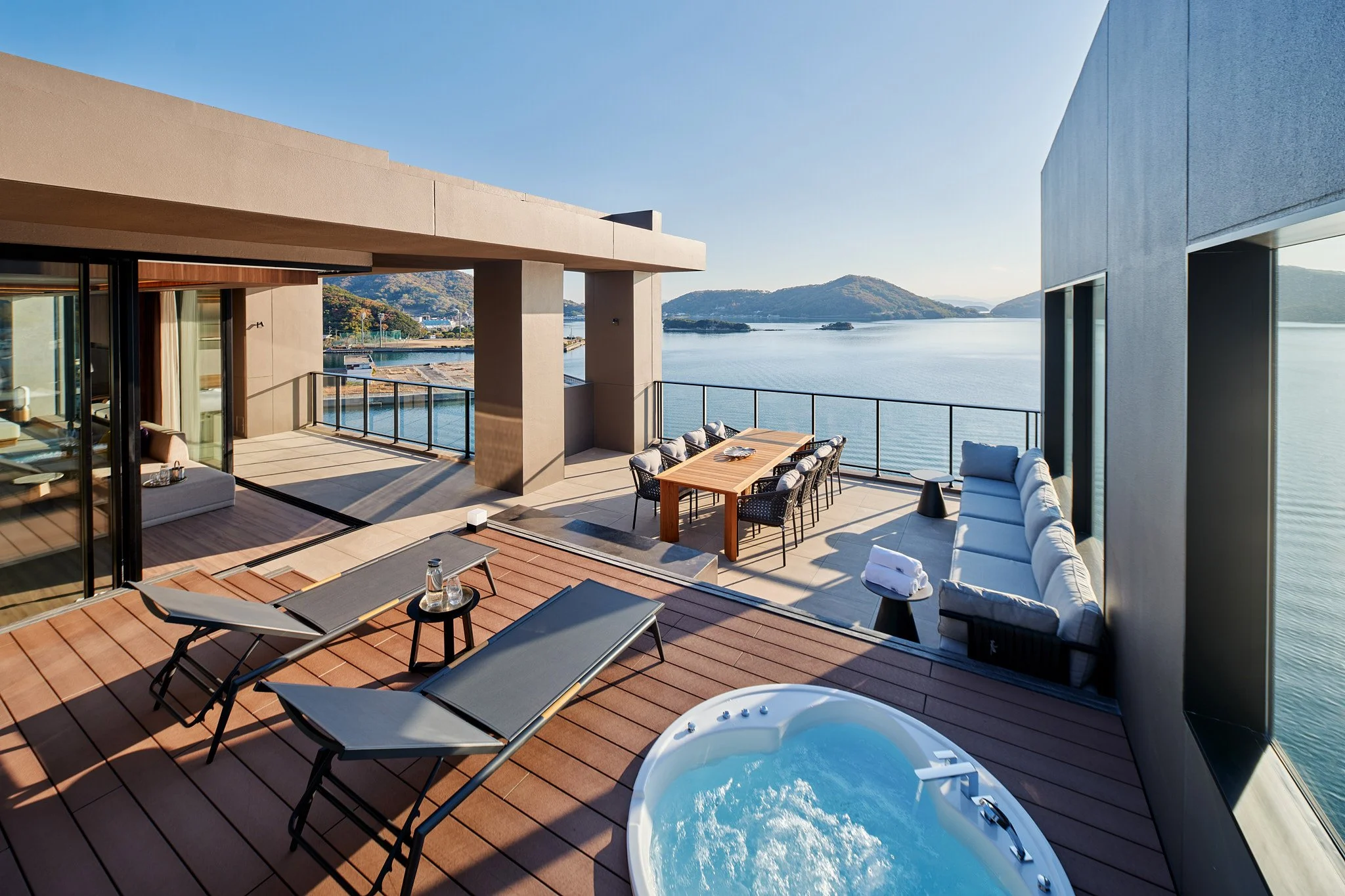
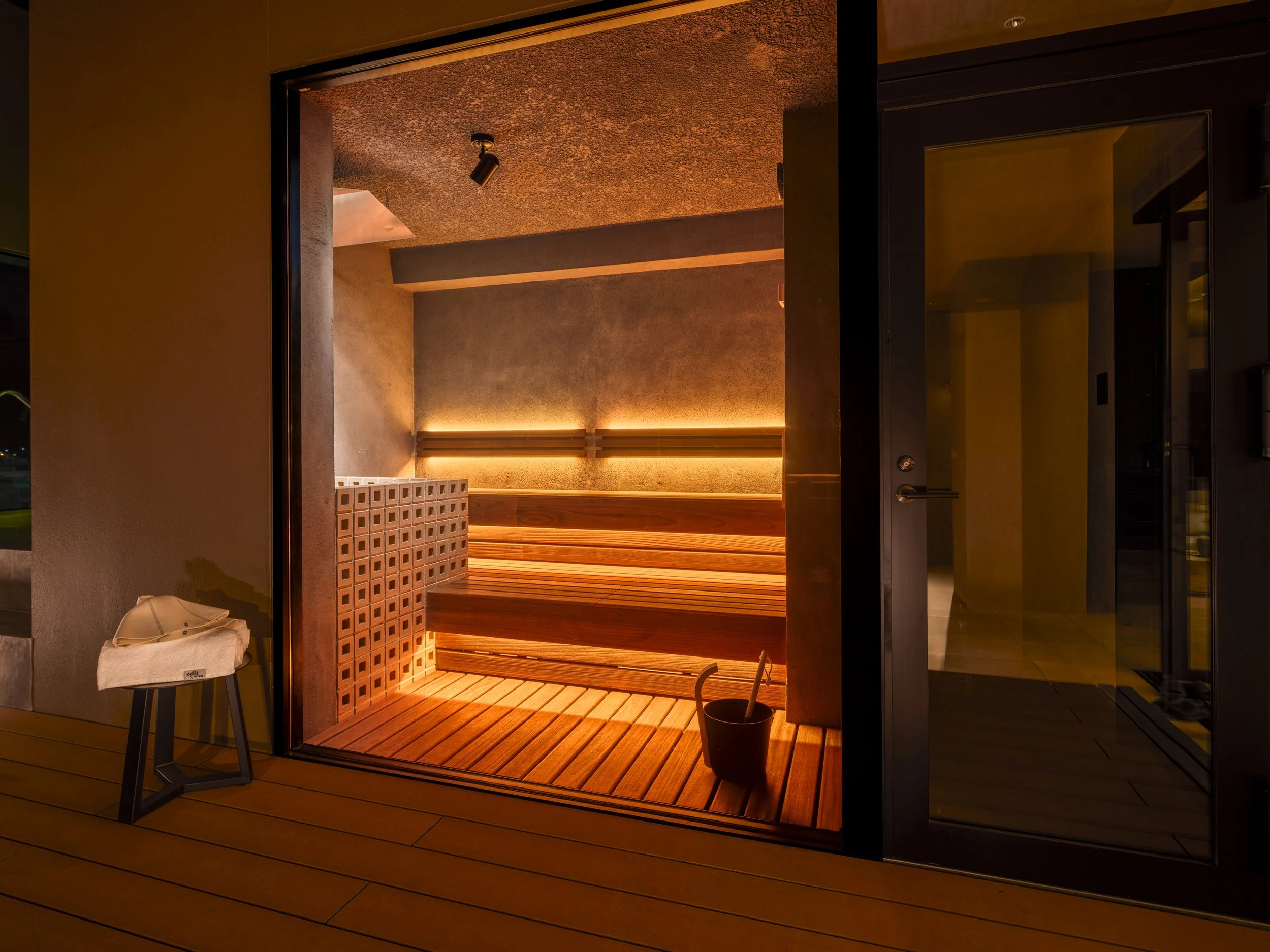
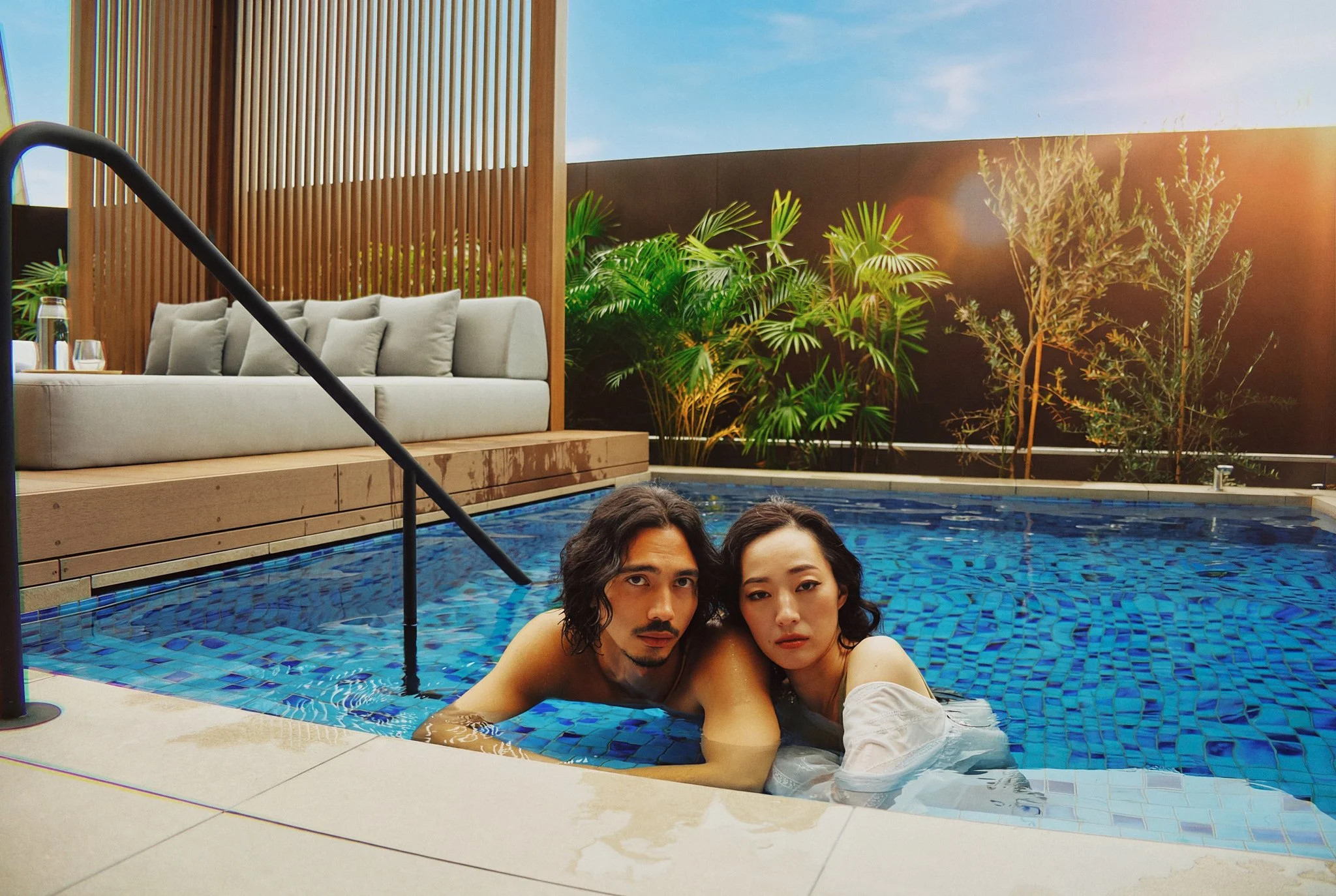
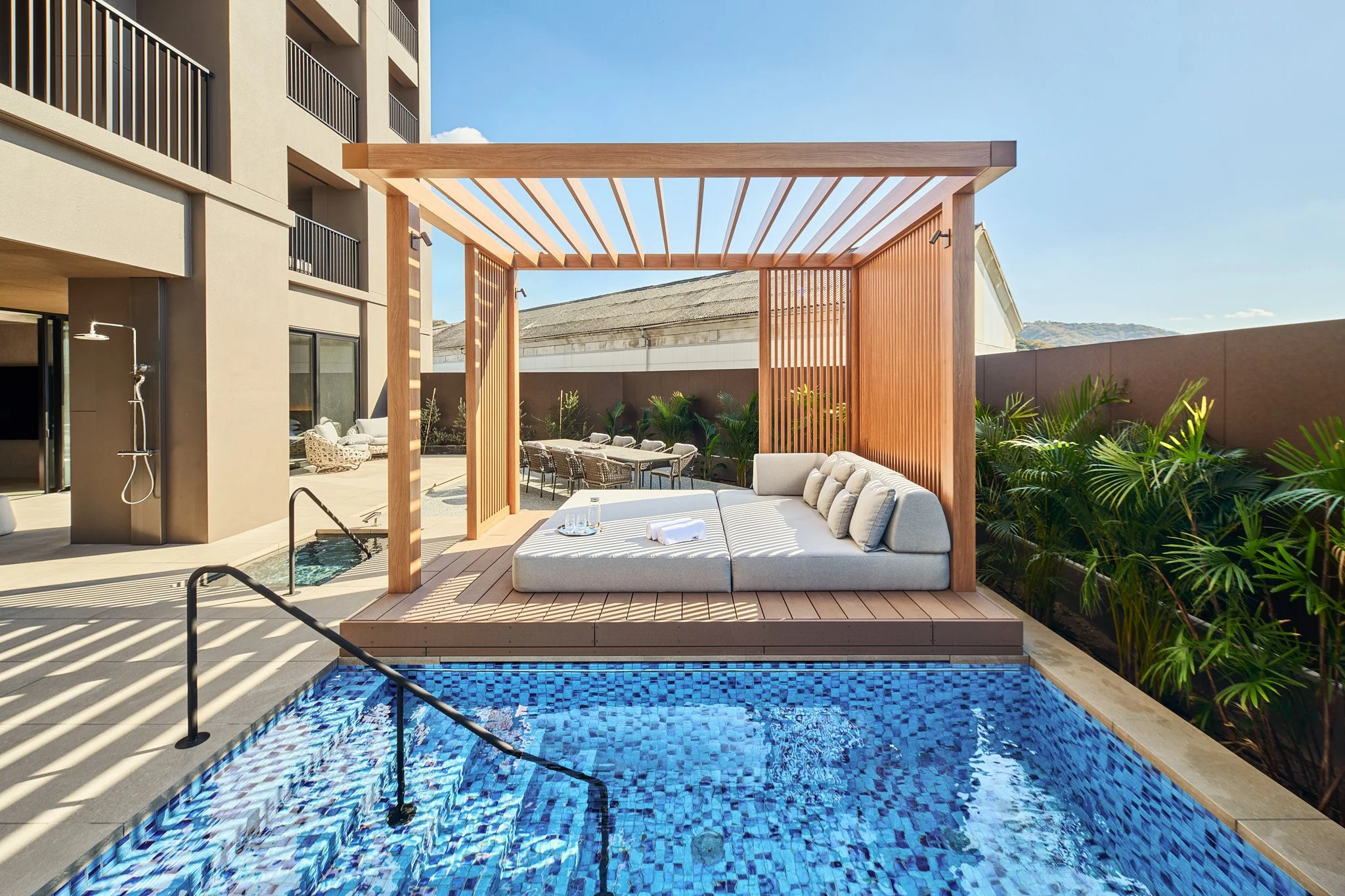
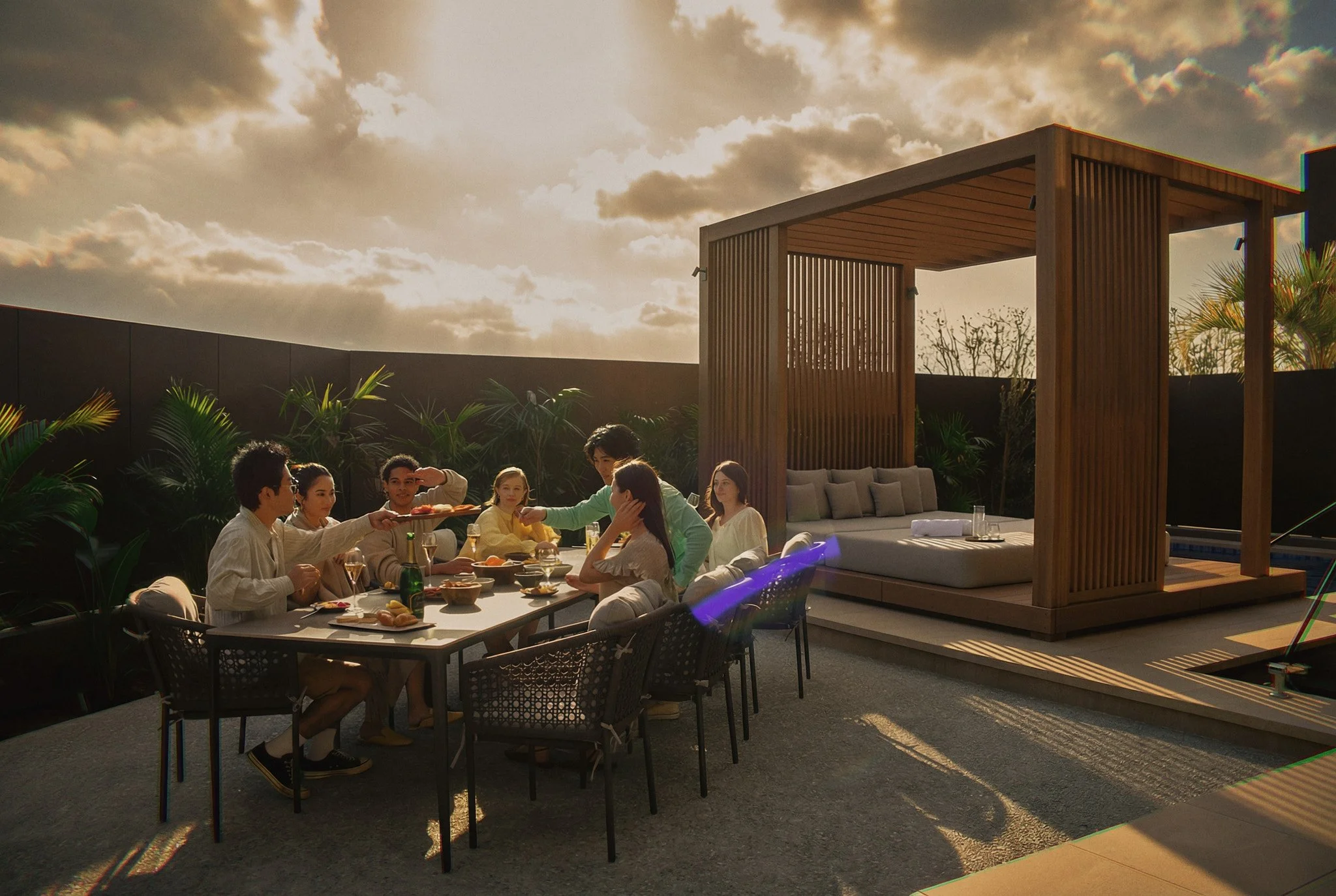
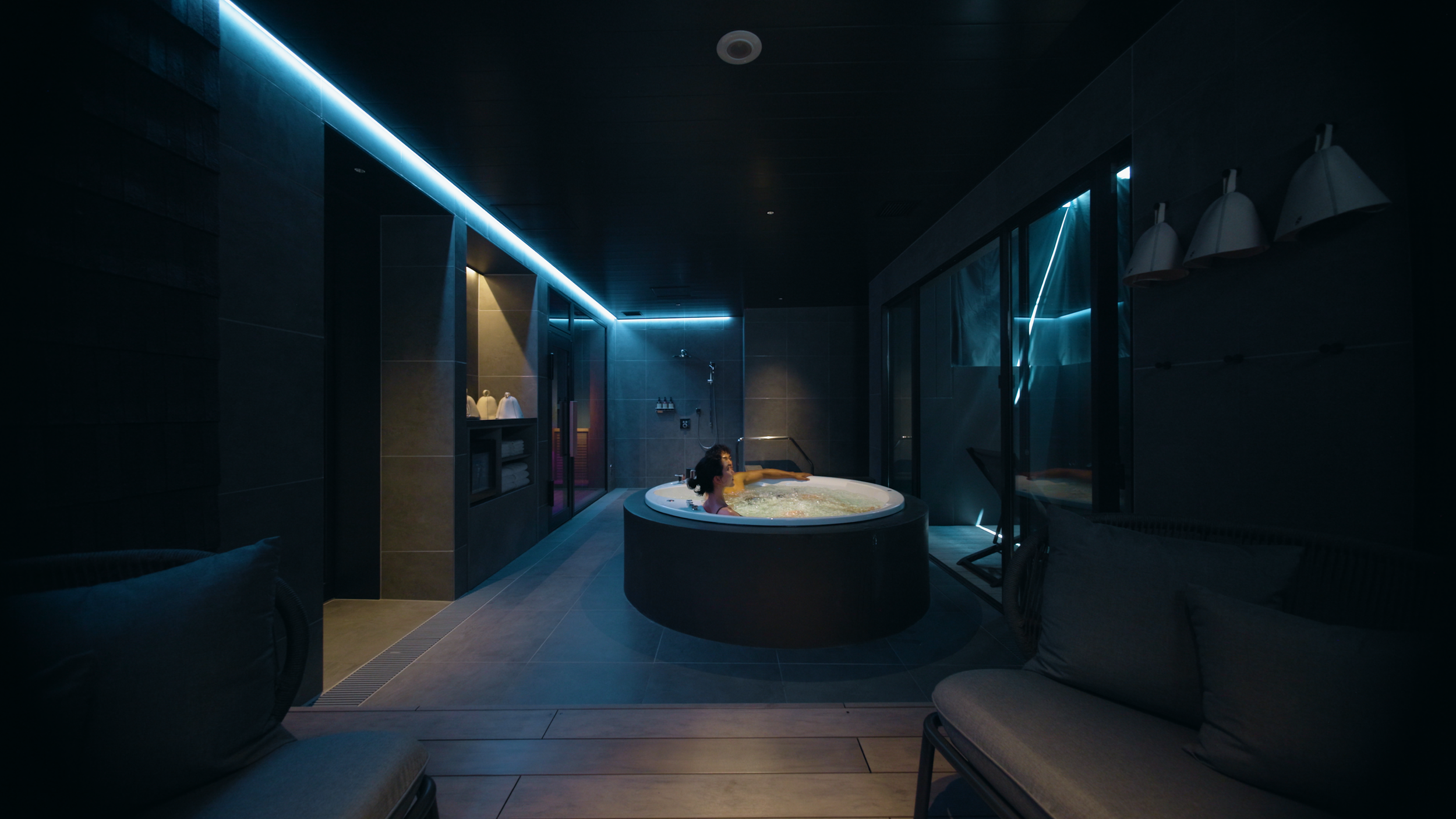
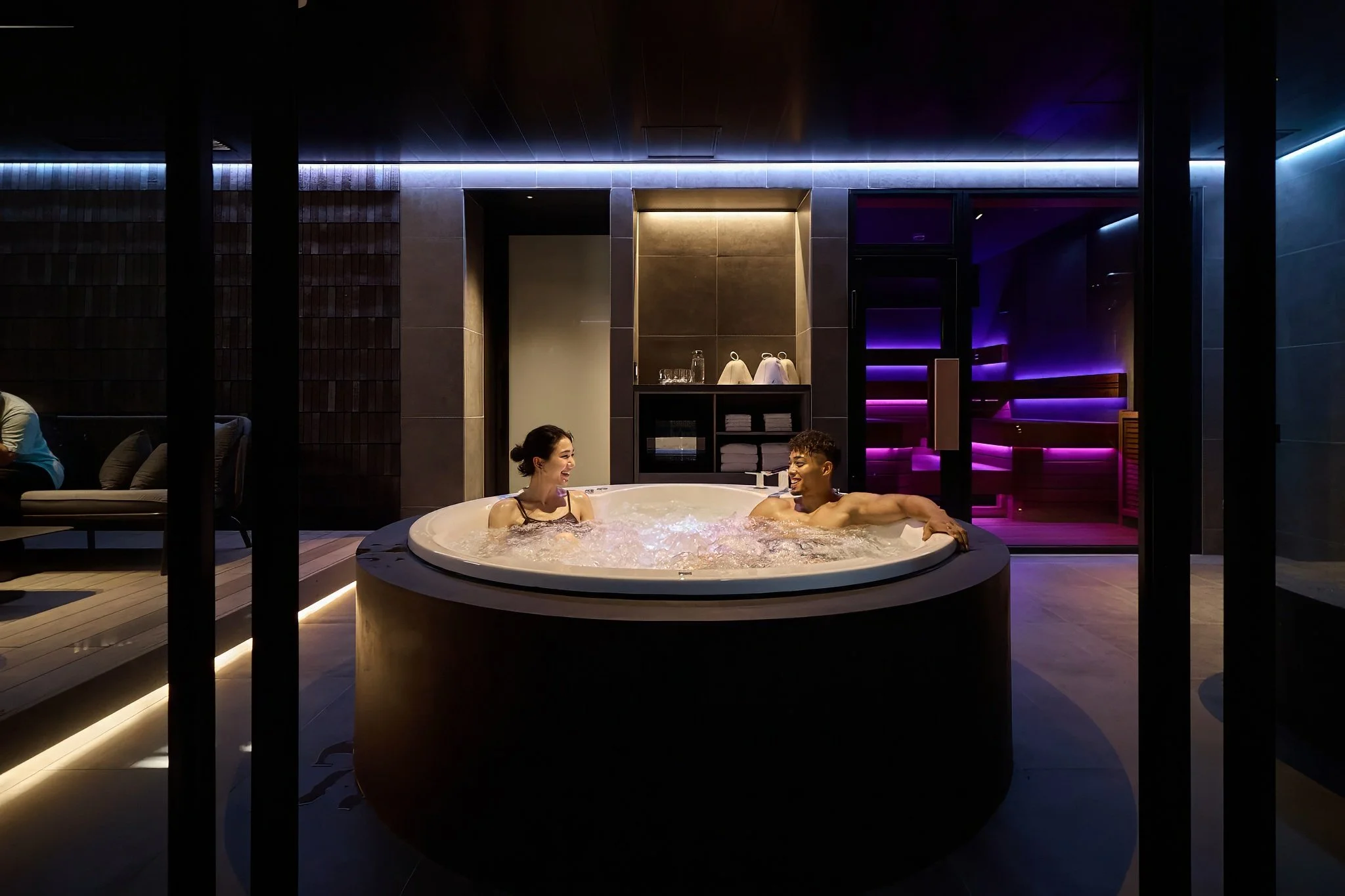
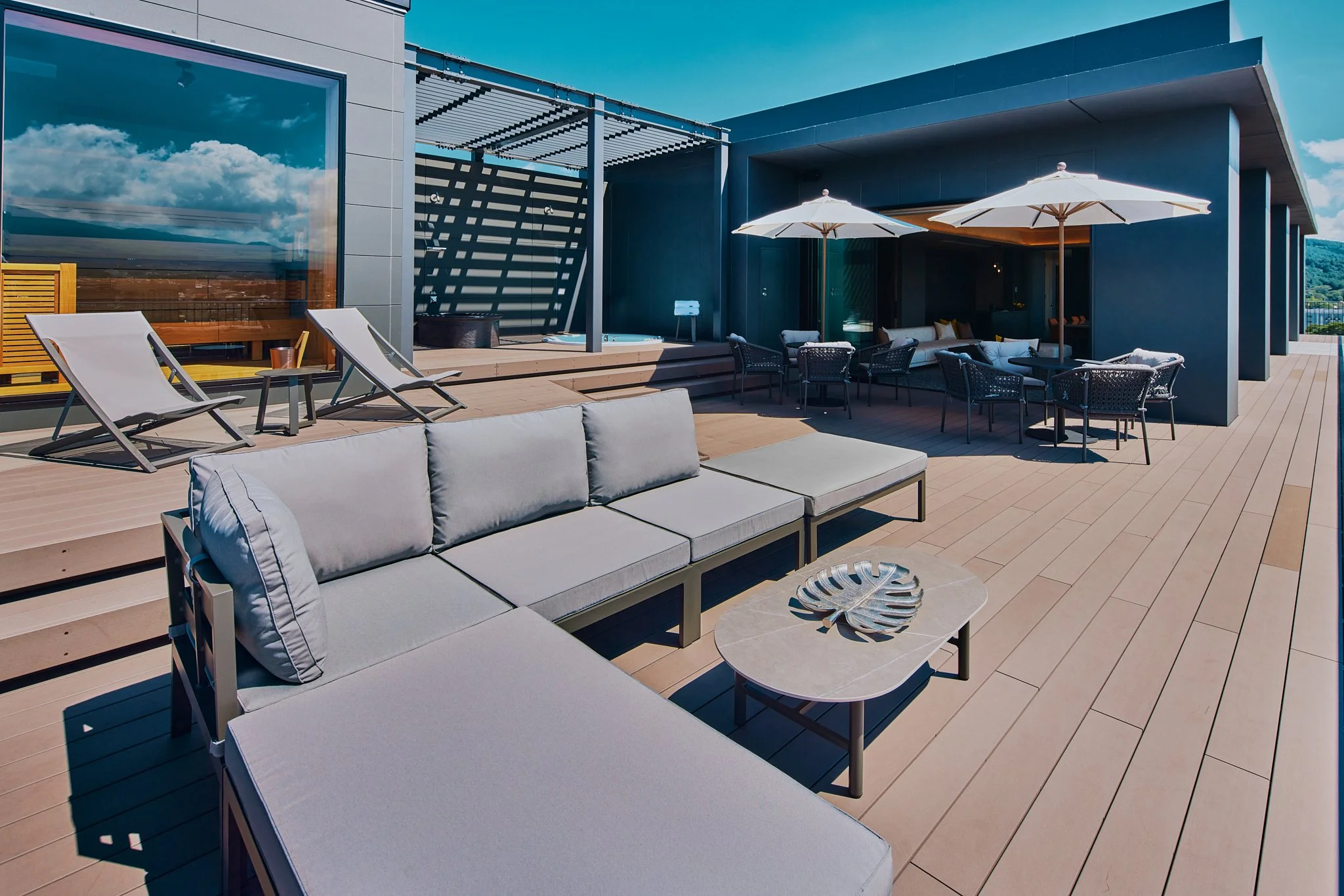
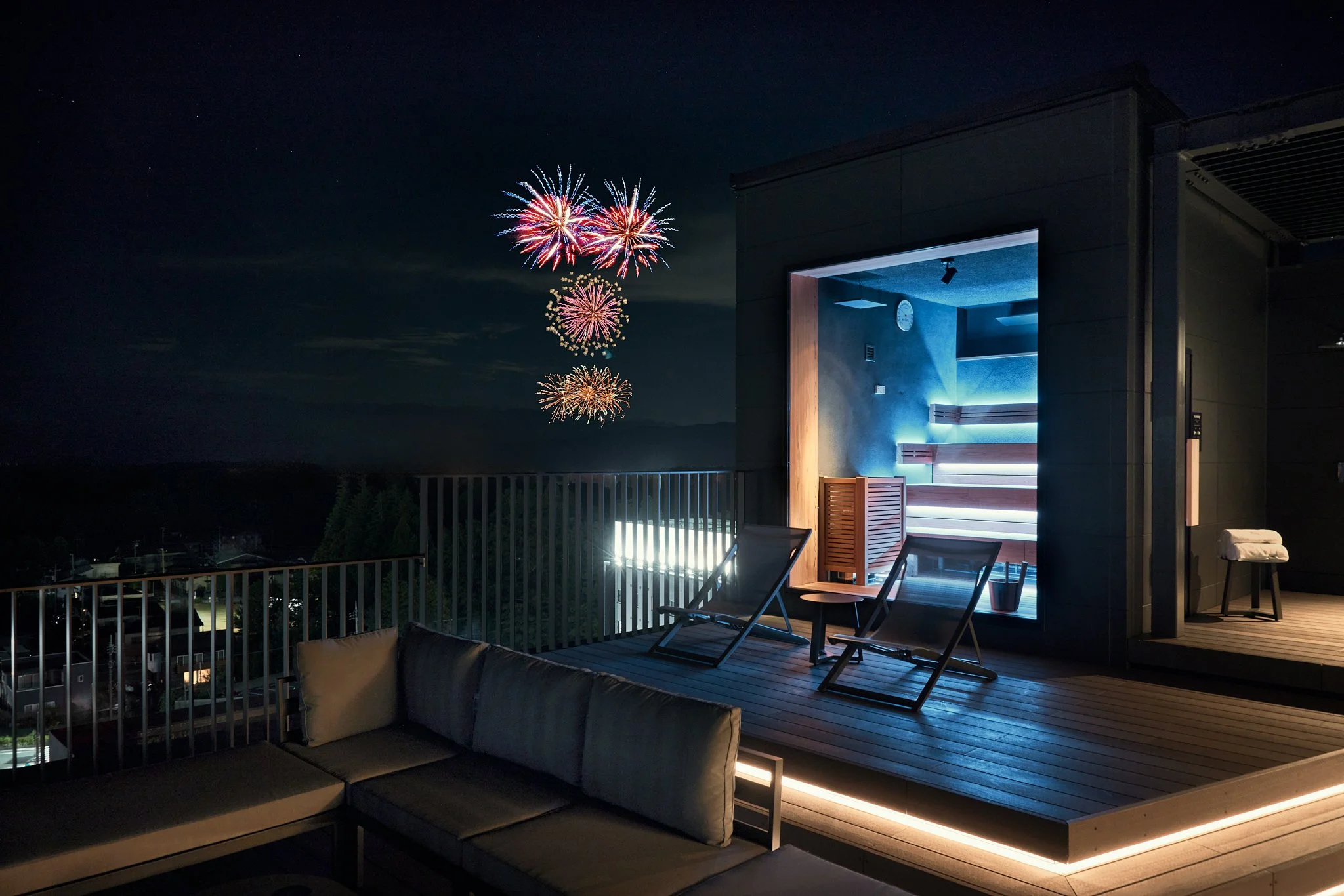
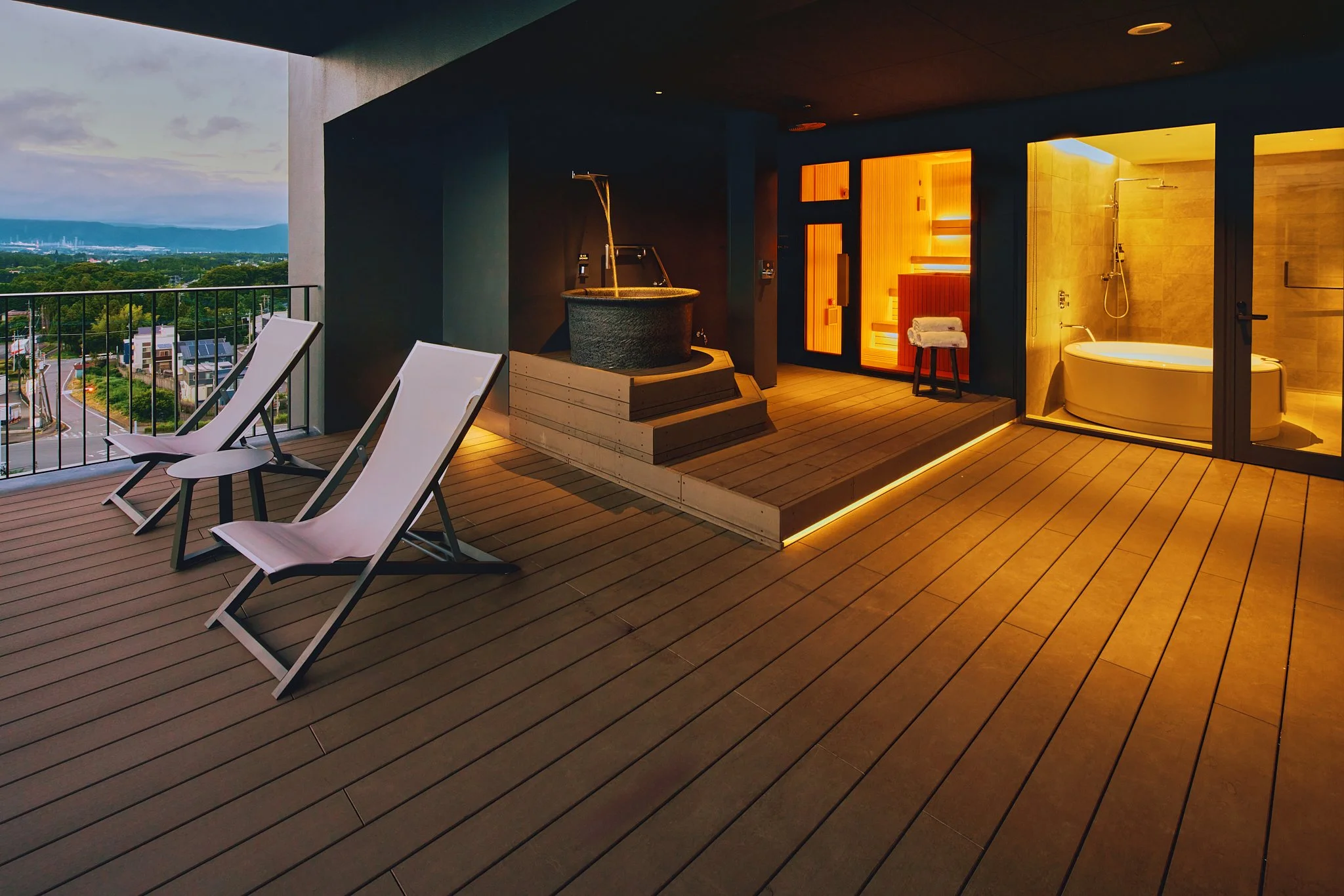
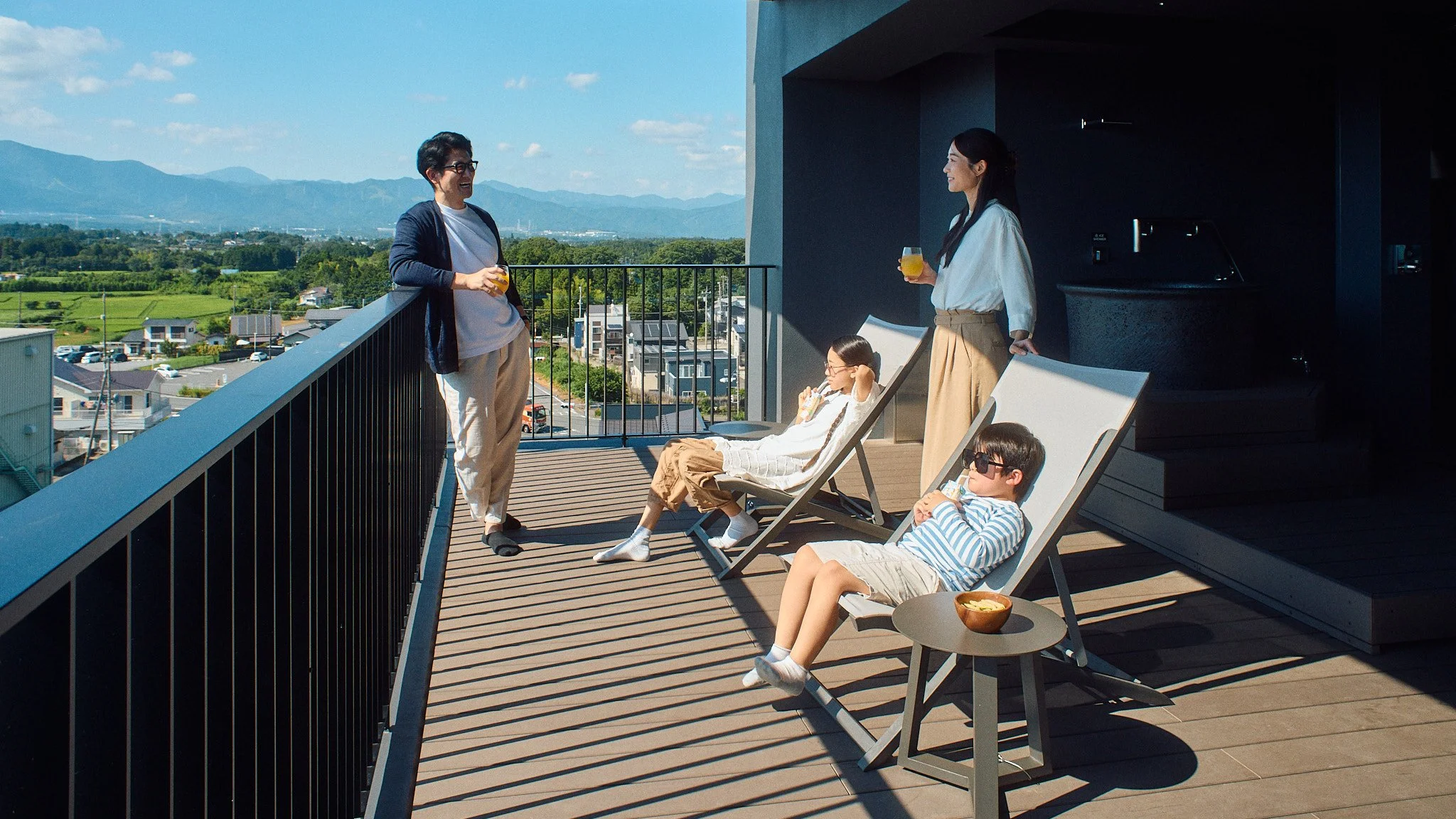
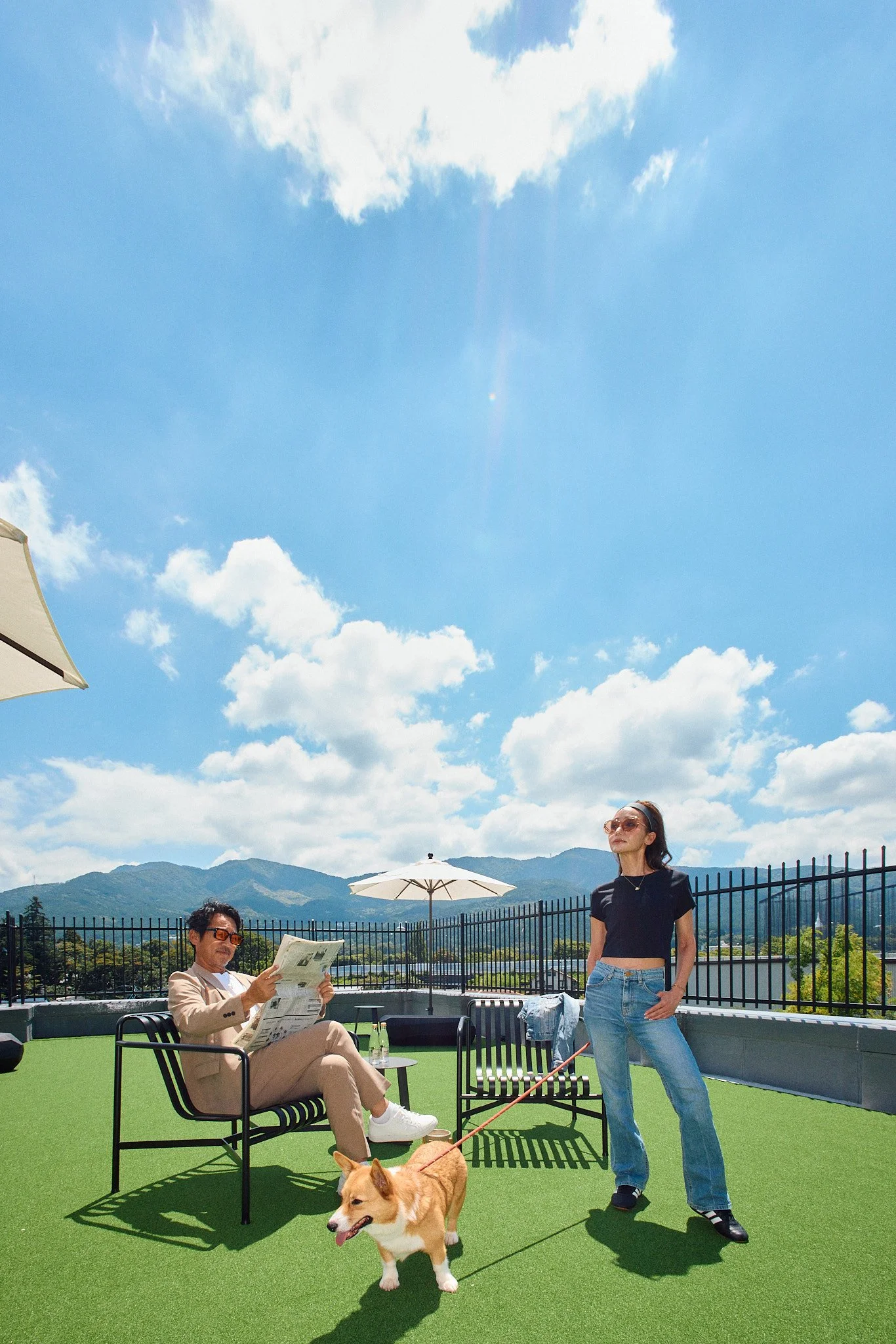
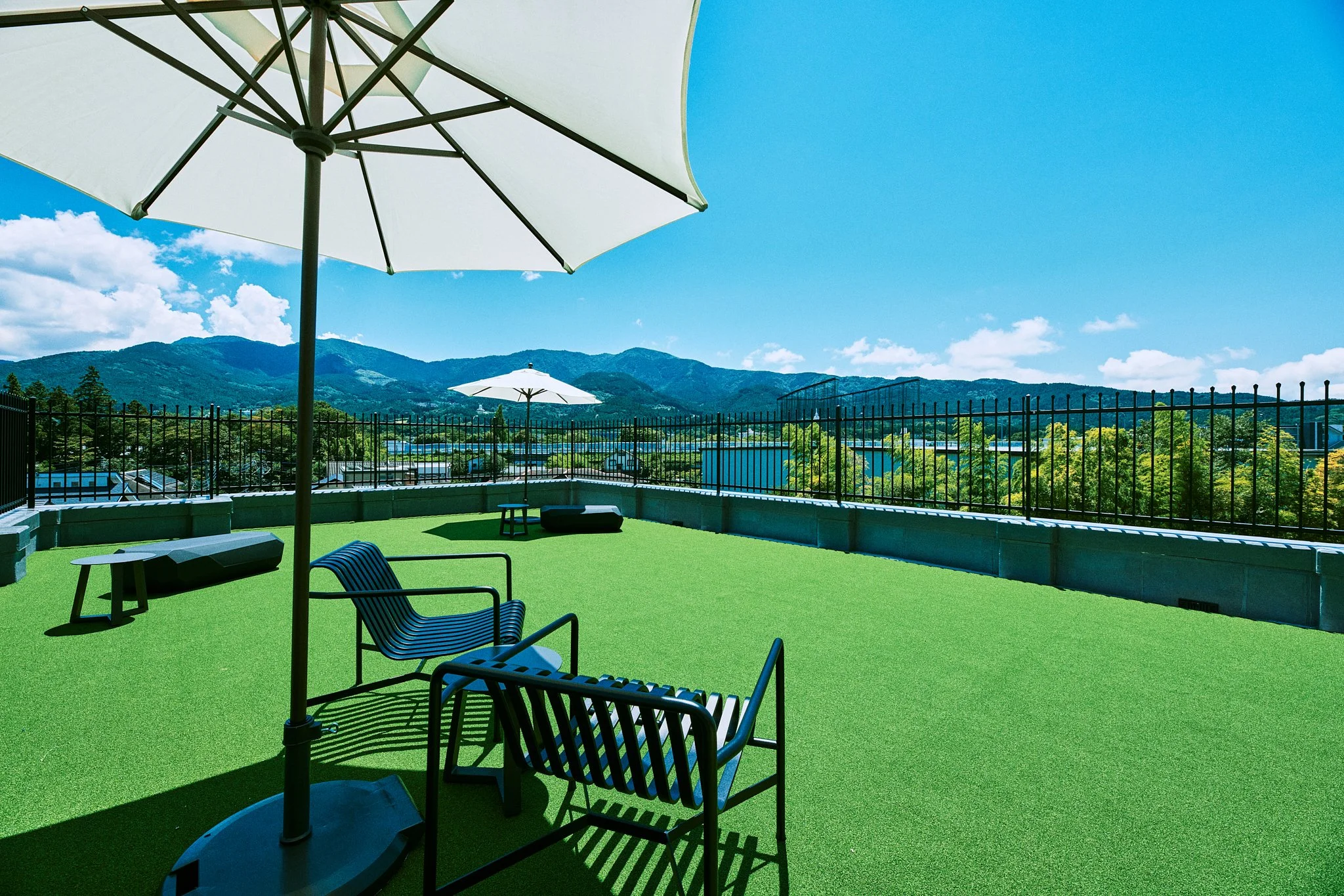
What distinguishes Gotemba is its clarity of intent. Every design and planning decision is aligned around a single idea framing Mount Fuji and allowing guests to experience it in a more personal, uninterrupted way. The inclusion of private open-air baths and terraces reinforces this connection, extending the landscape into the living space.
From a platform perspective, Fuji Gotemba demonstrates how edit x seven can operate with precision and restraint, delivering a highly focused experience that is both efficient to execute and strong in identity.
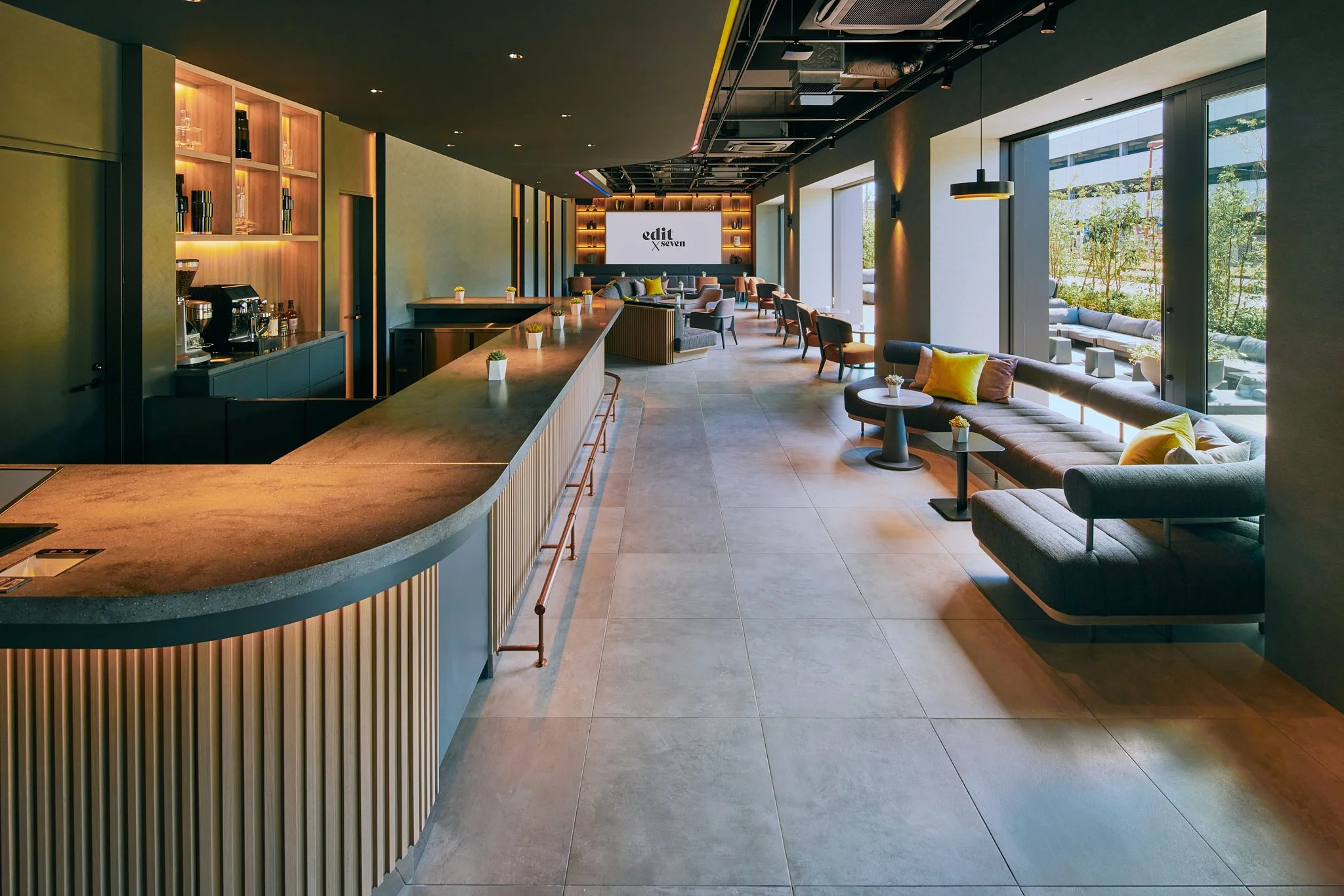
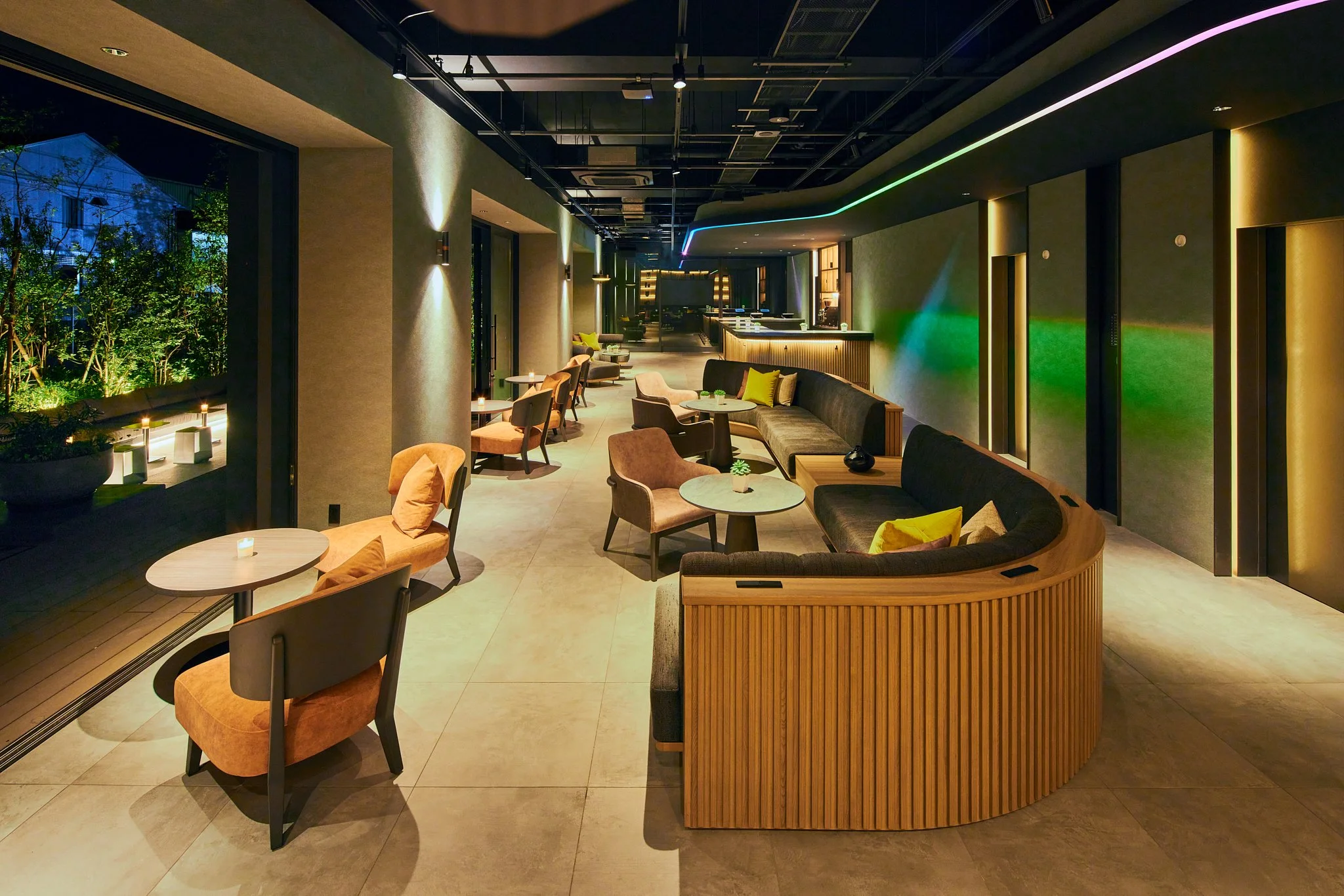
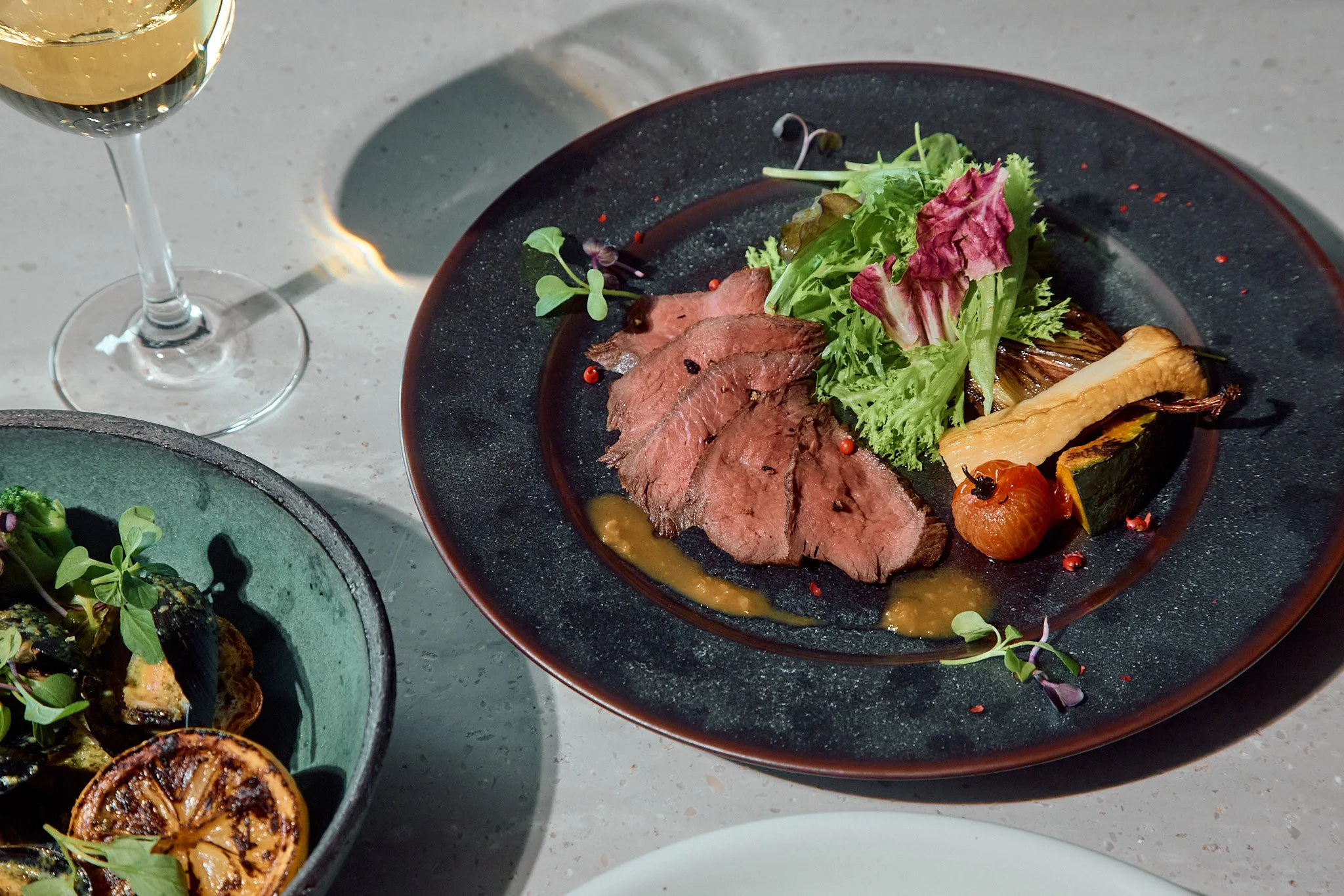
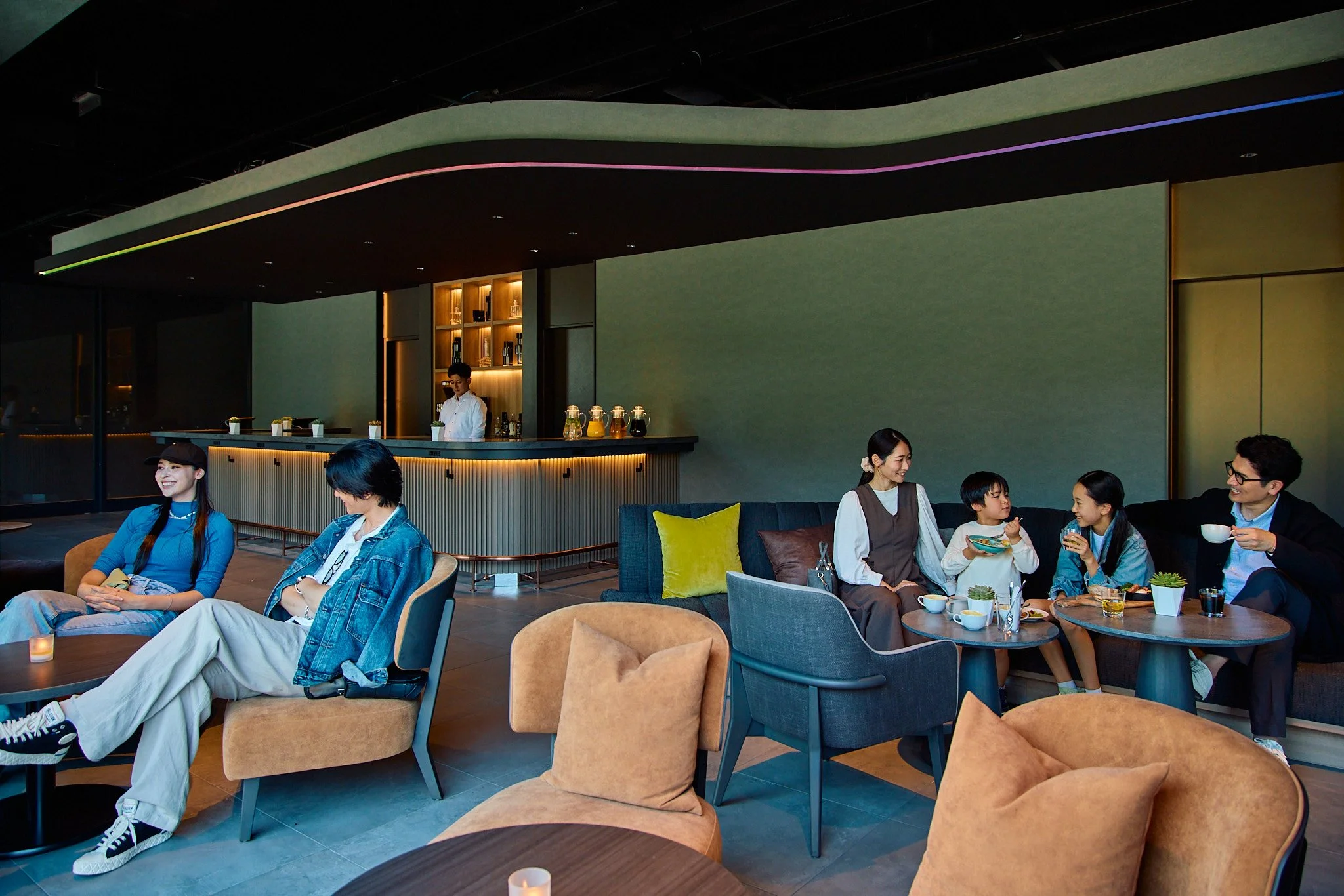


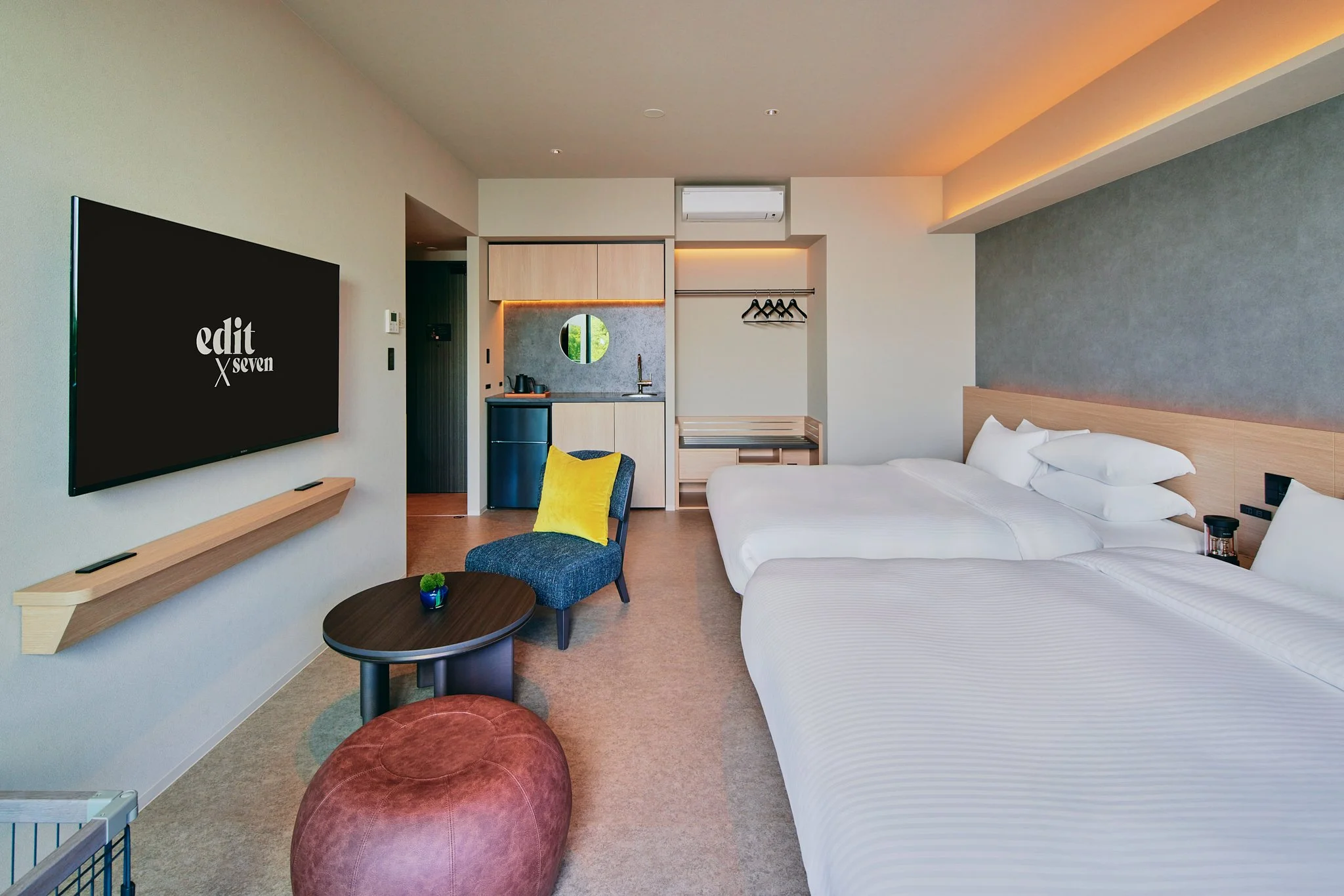
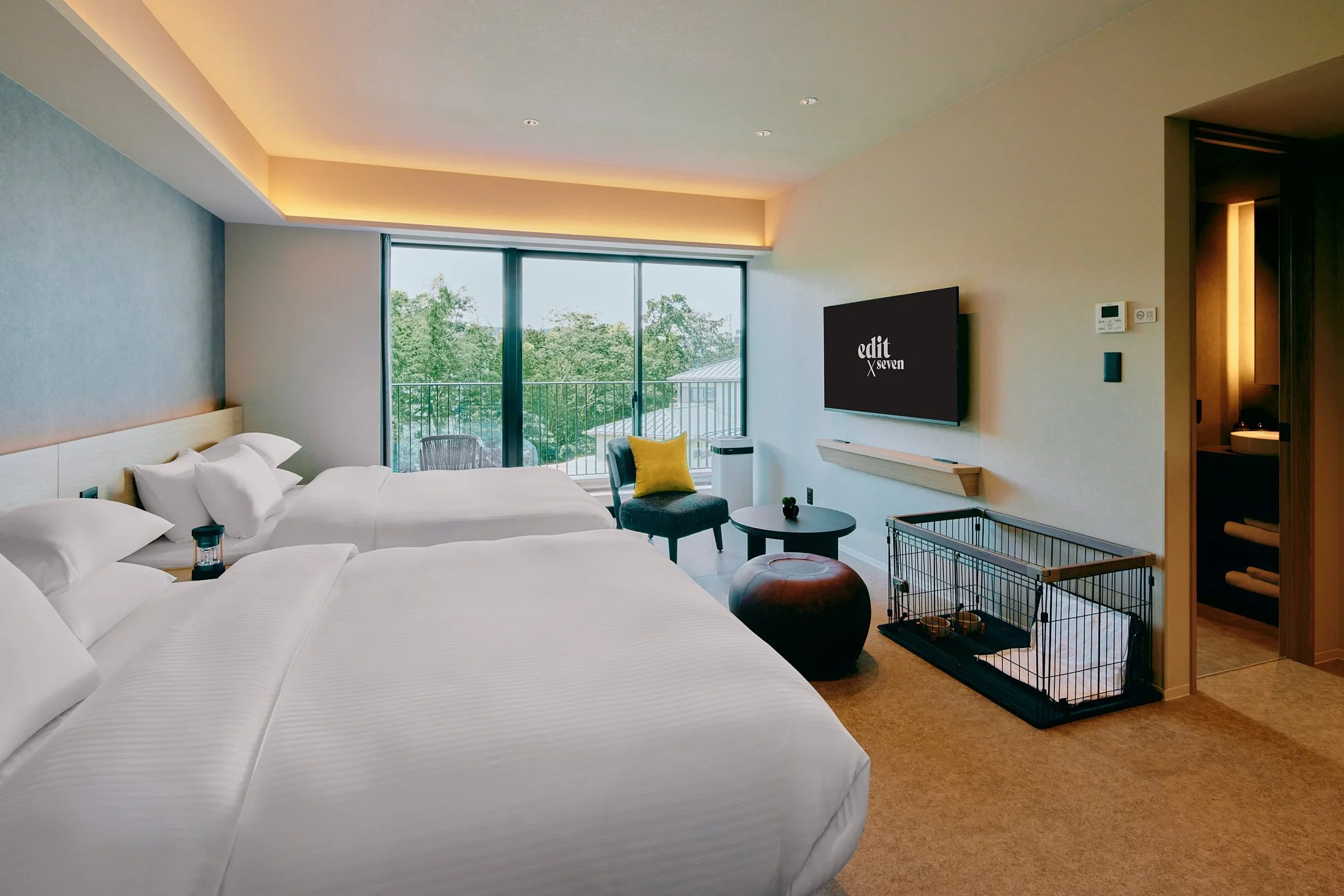
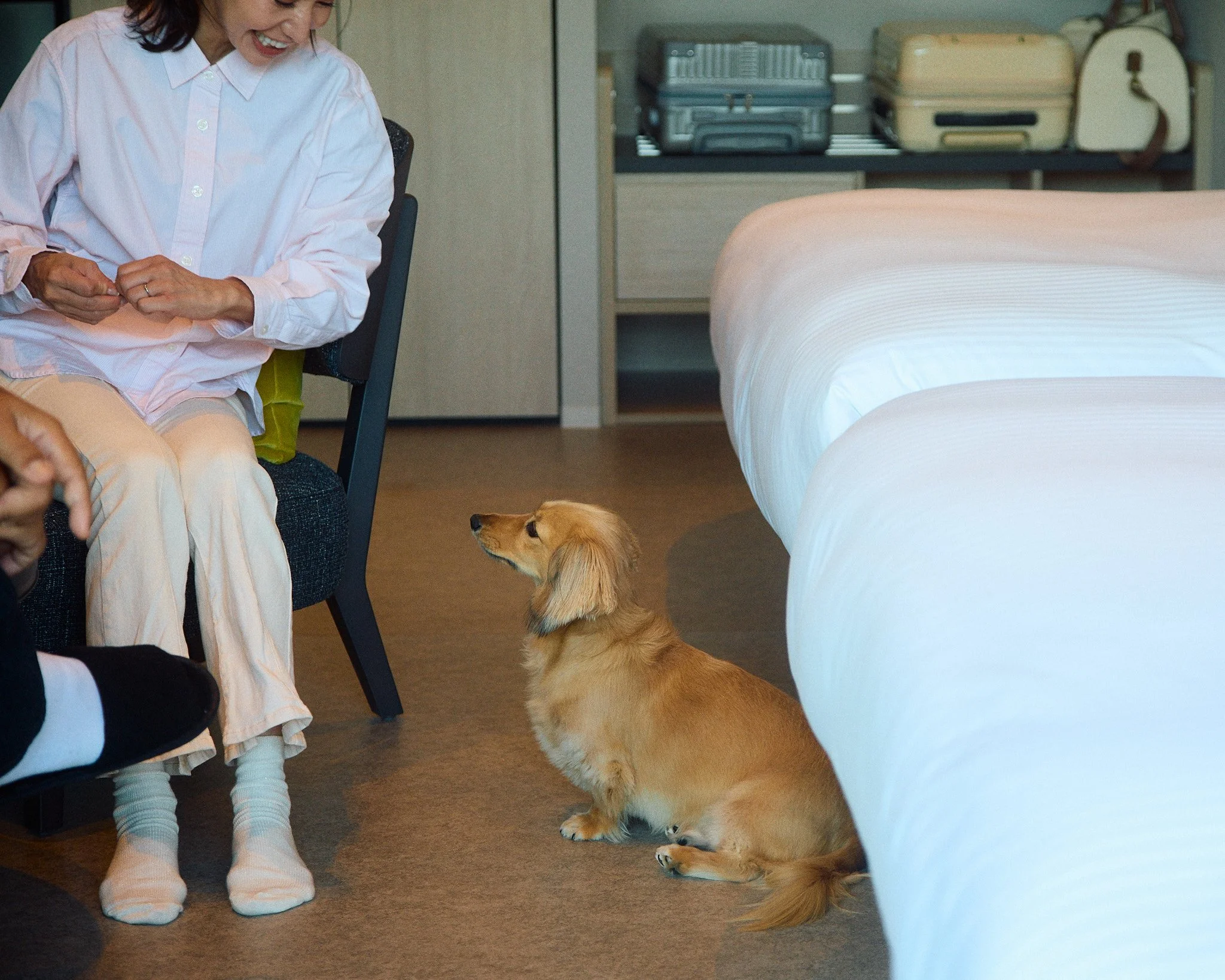
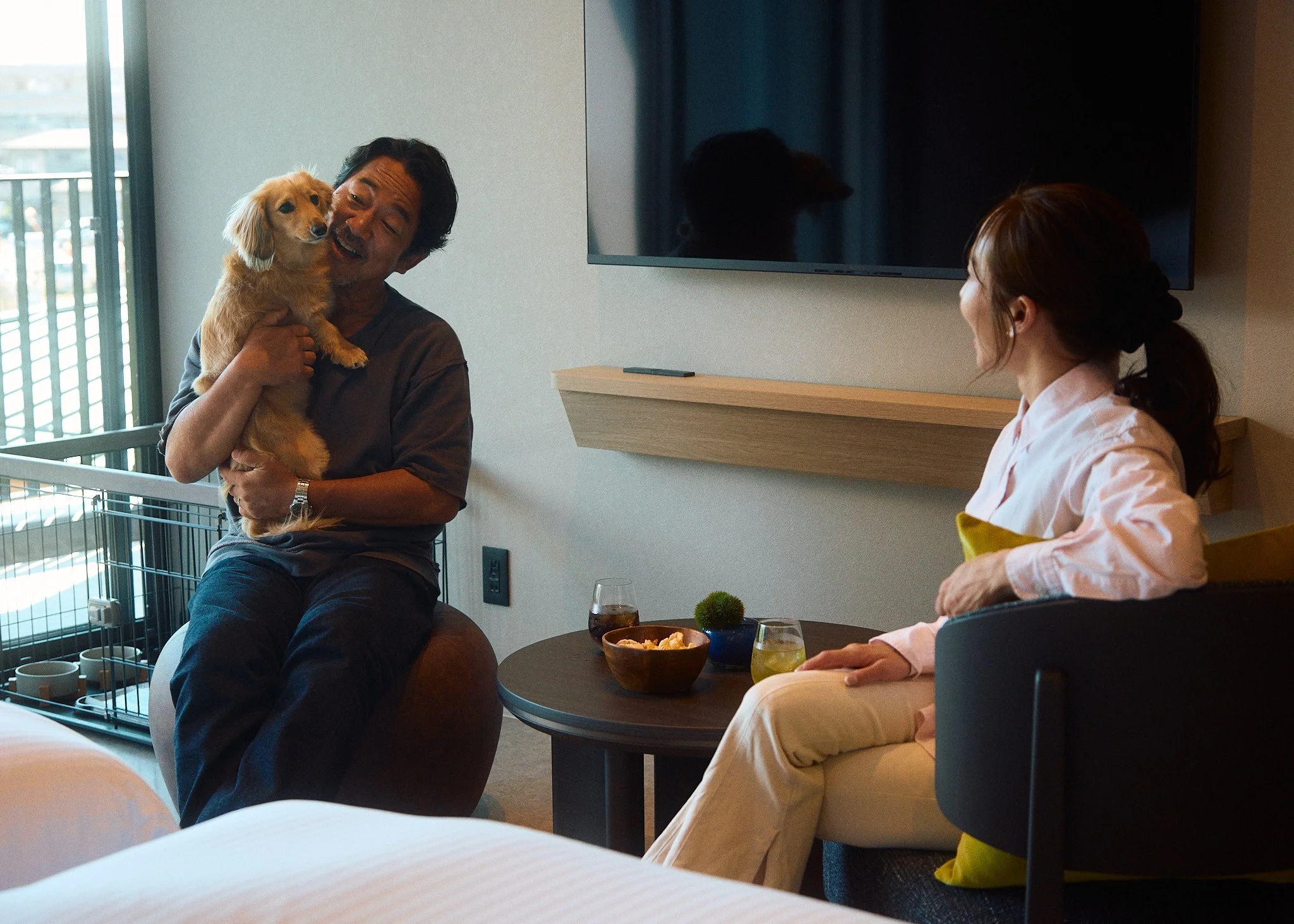
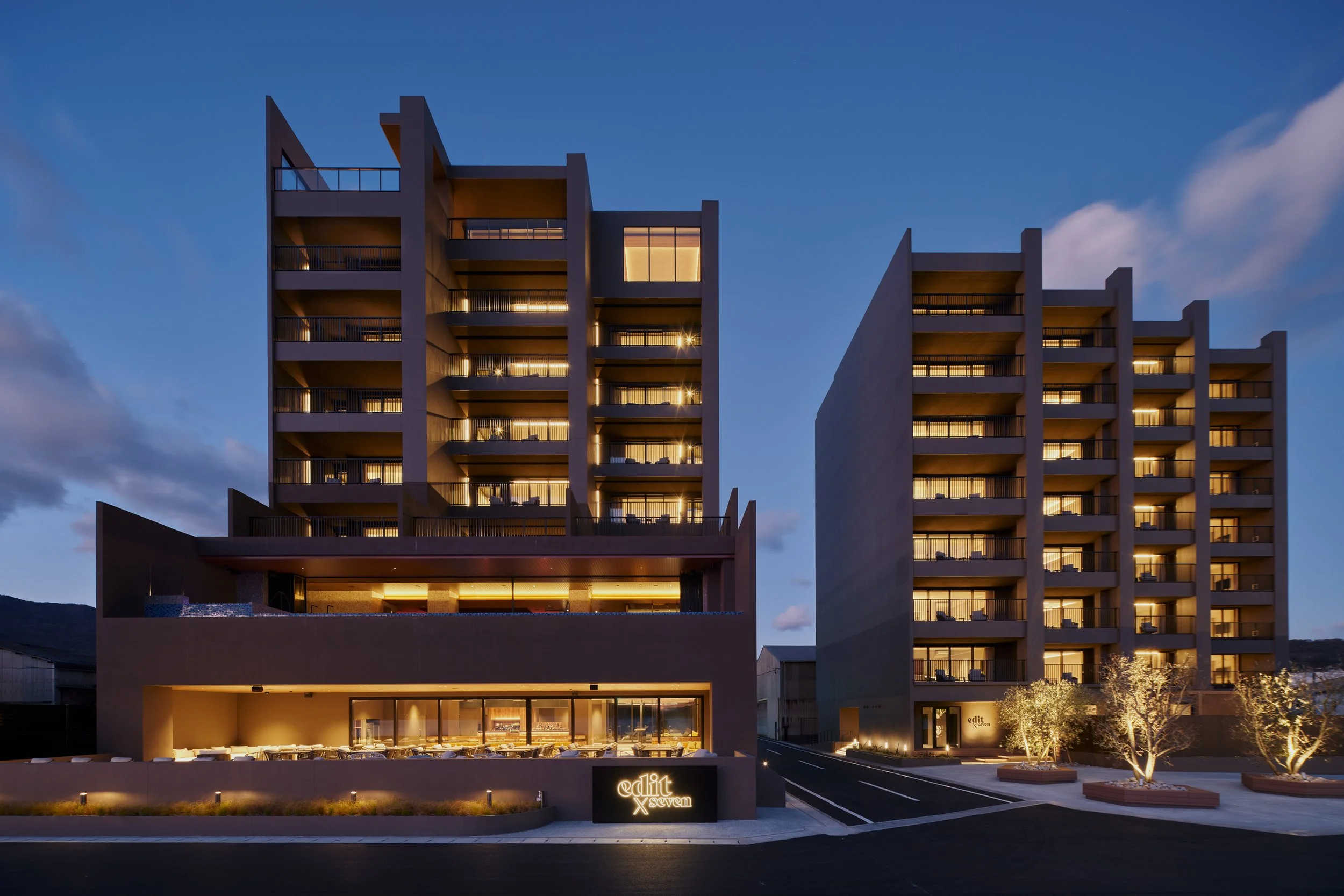
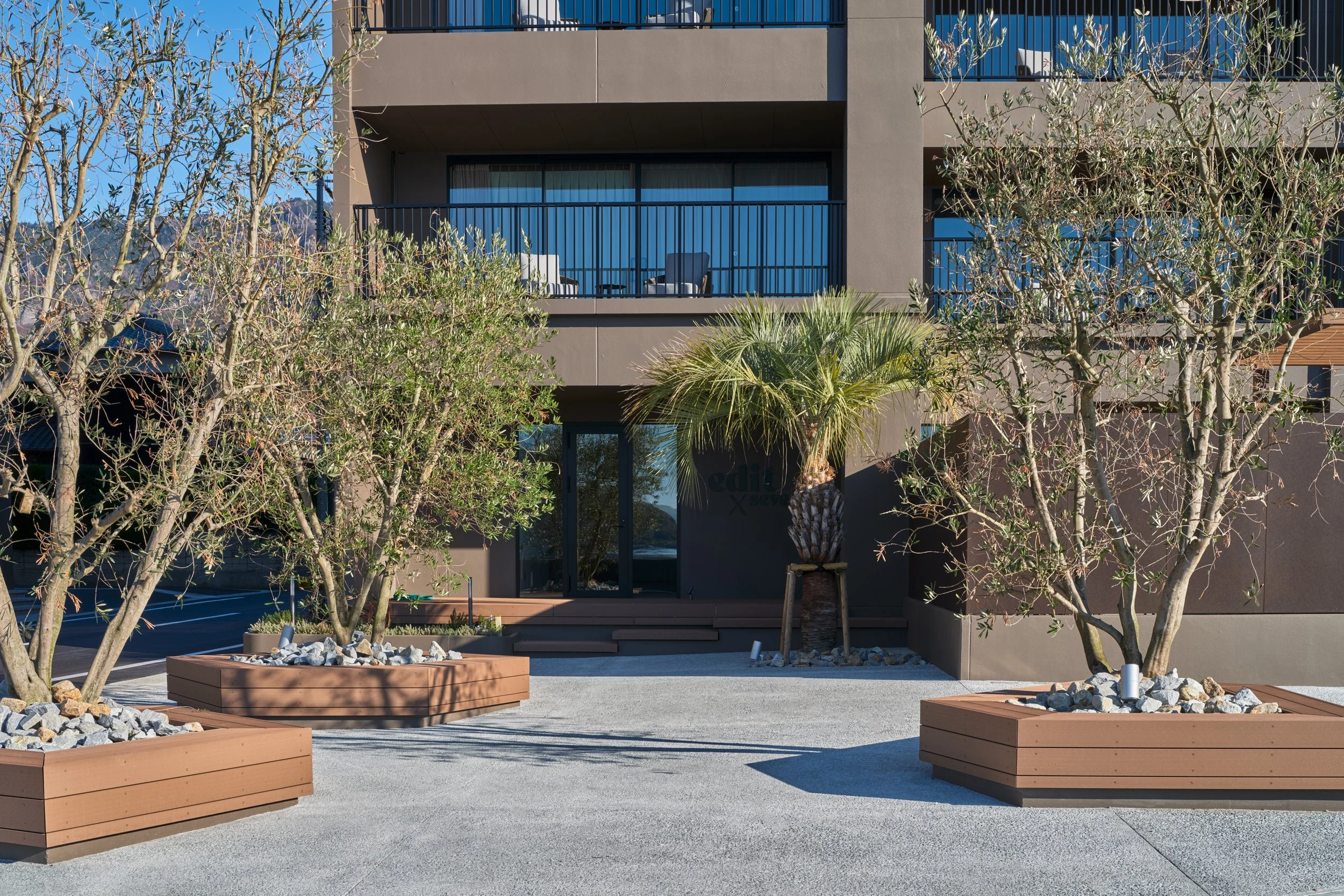
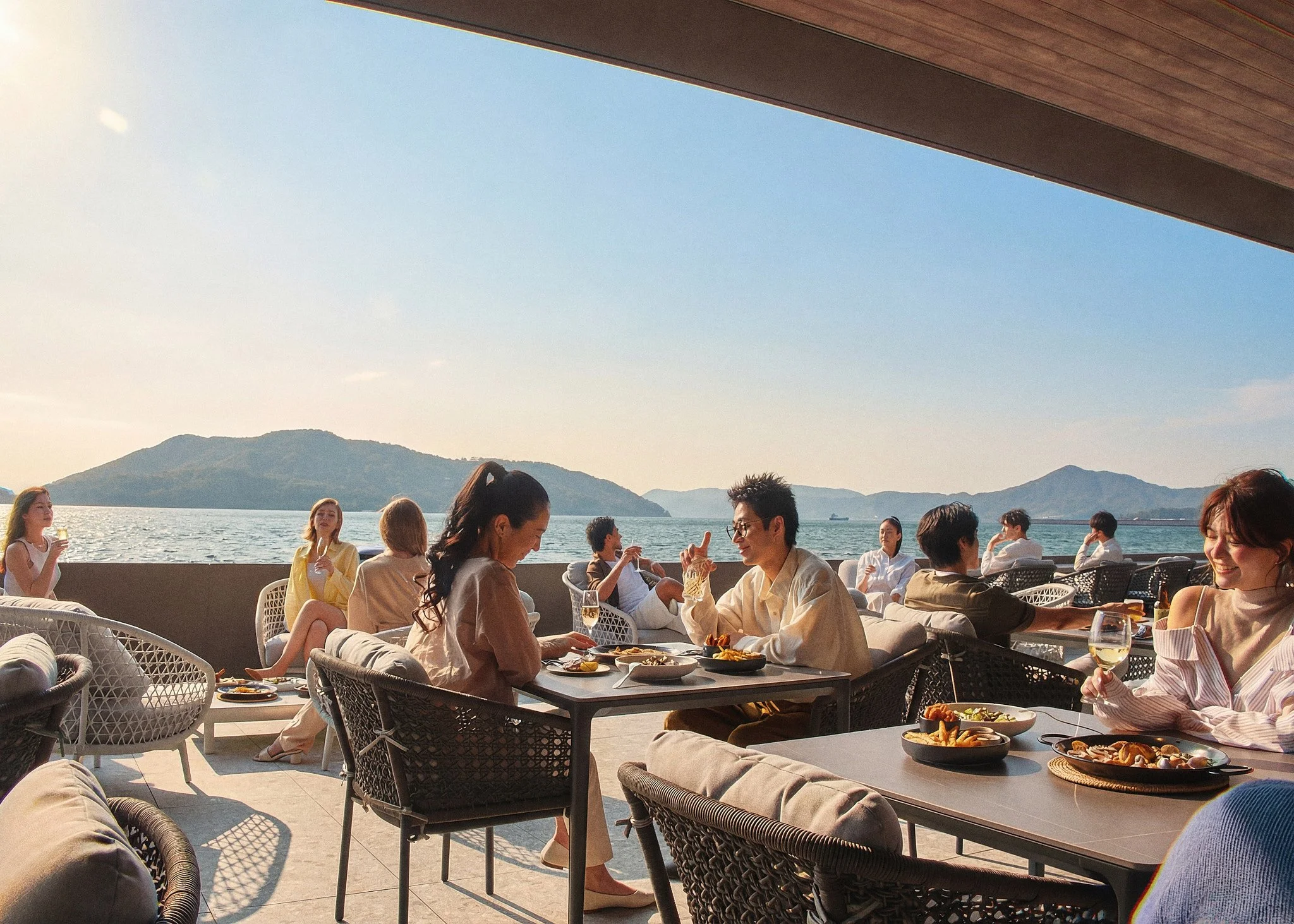
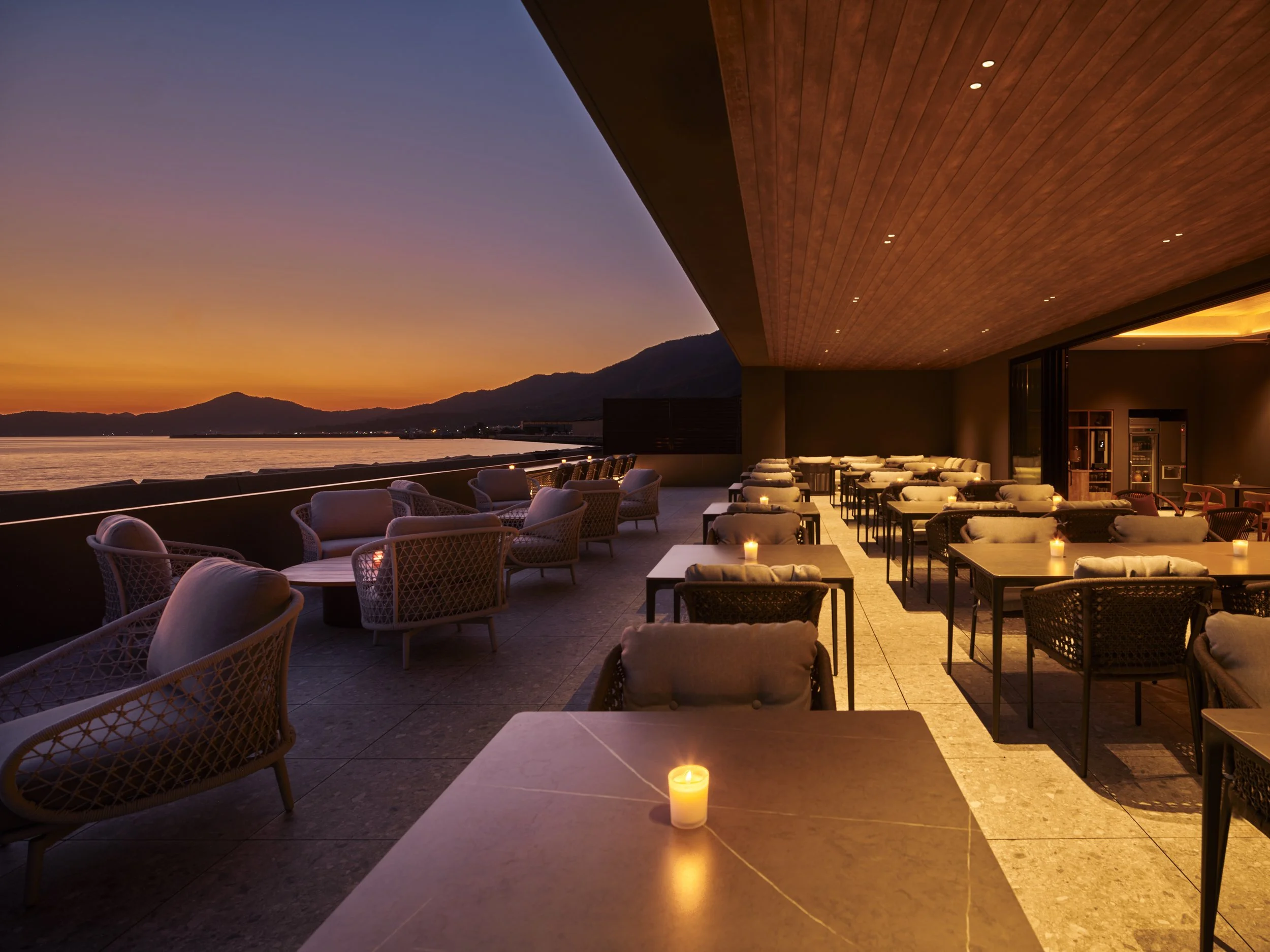
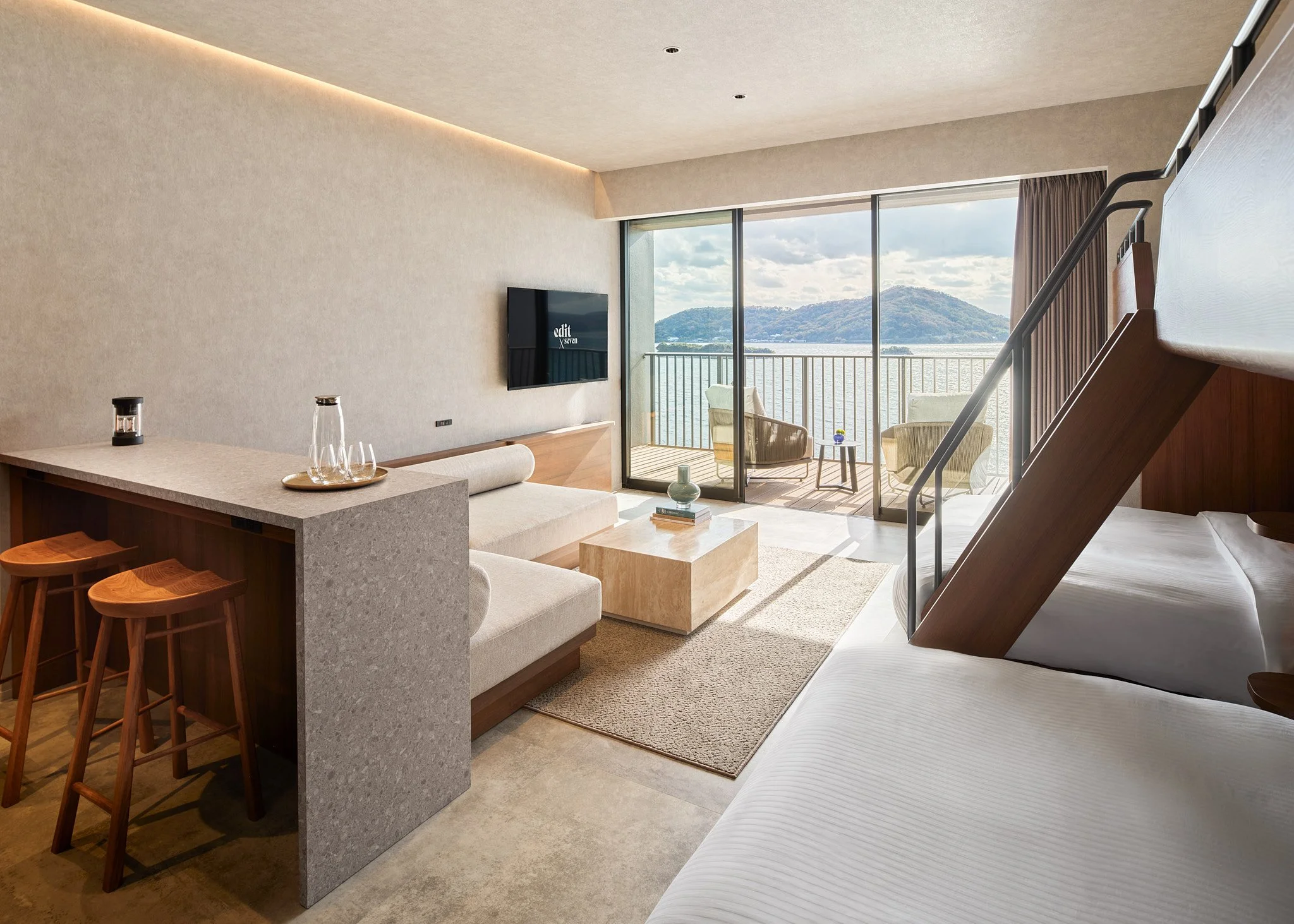
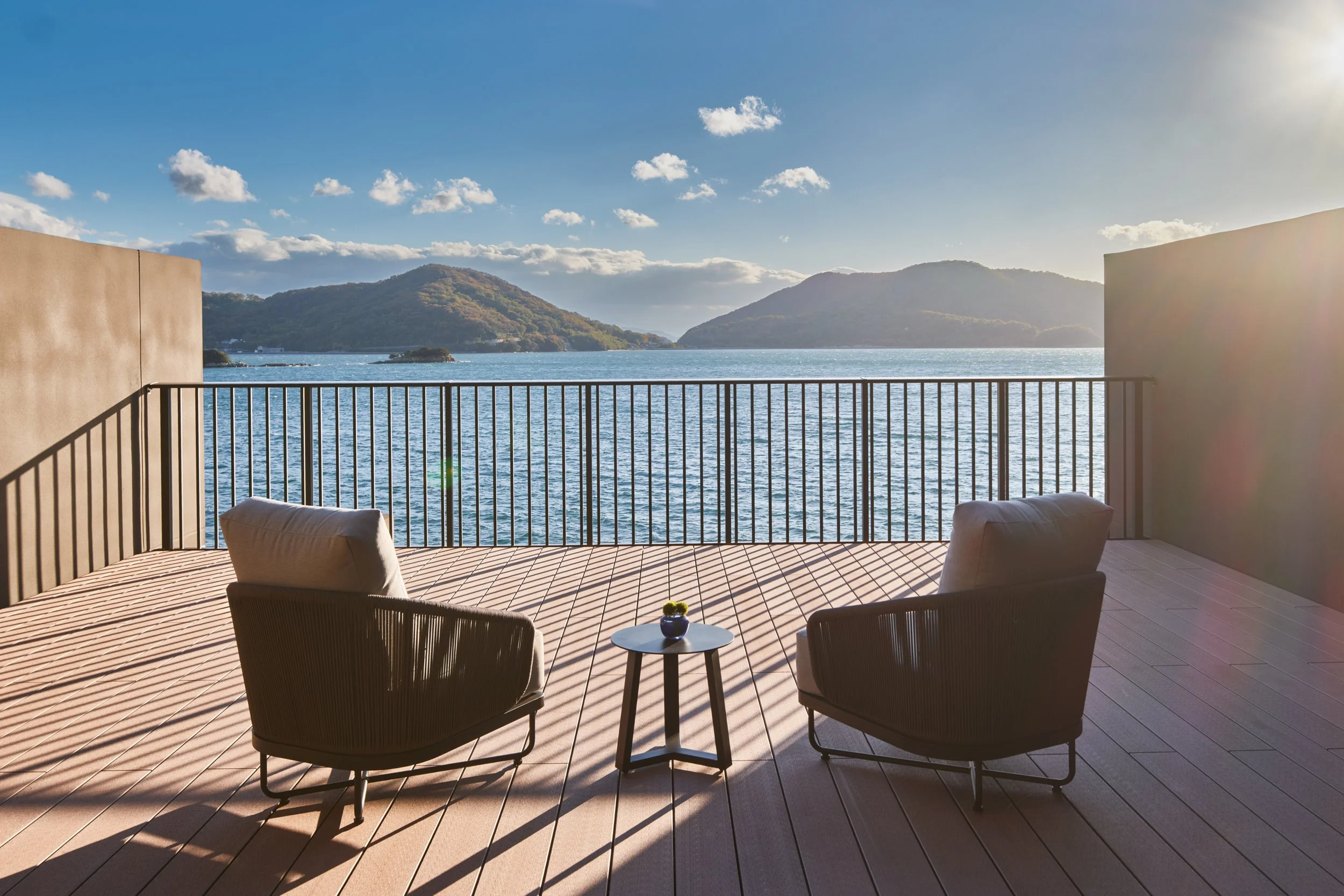
edit x seven Shodoshima was developed as a further refinement of the edit x seven model, positioned within the Setouchi region where the pace of life, materialism, and landscape require a more softened architectural response.
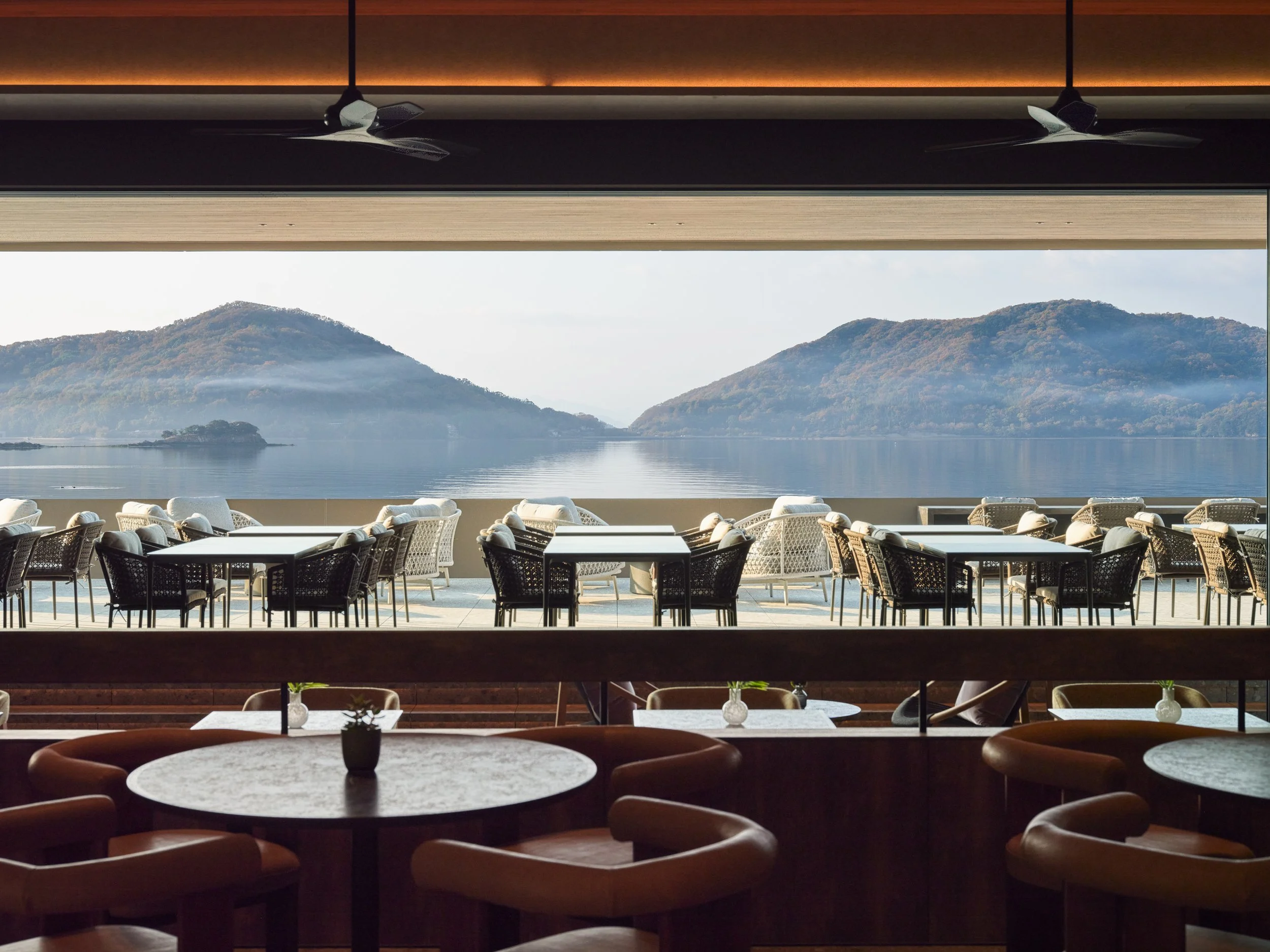
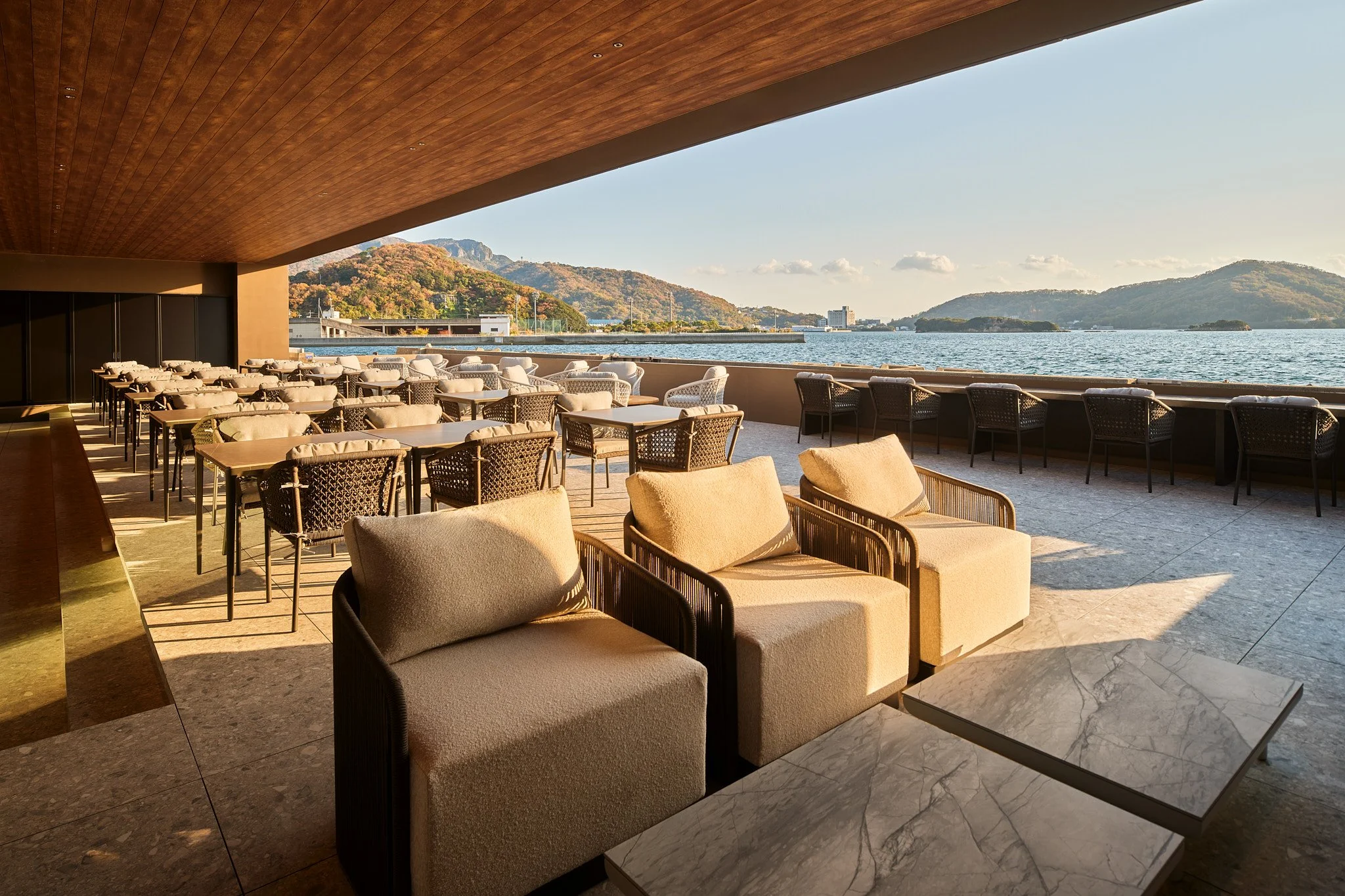
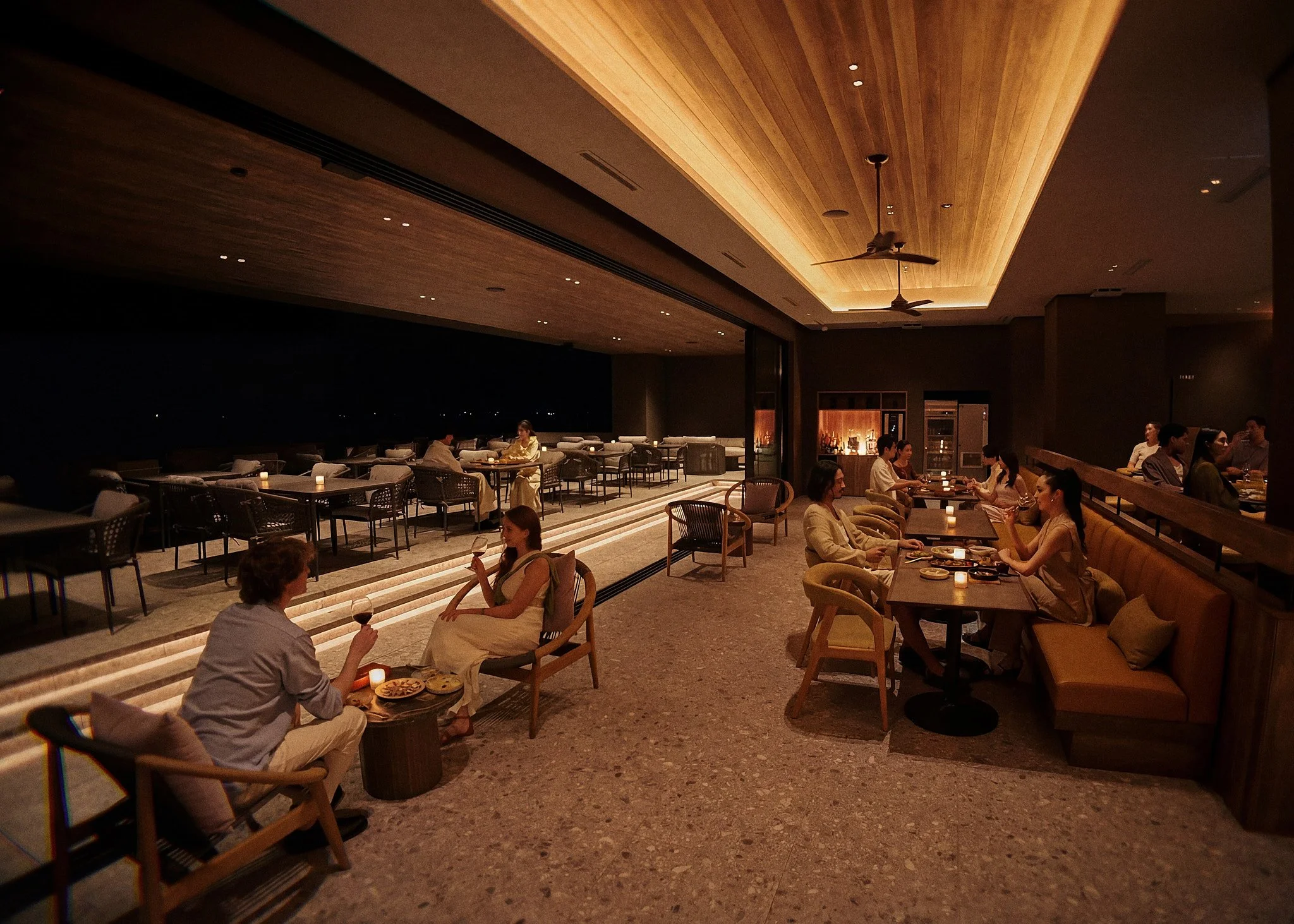
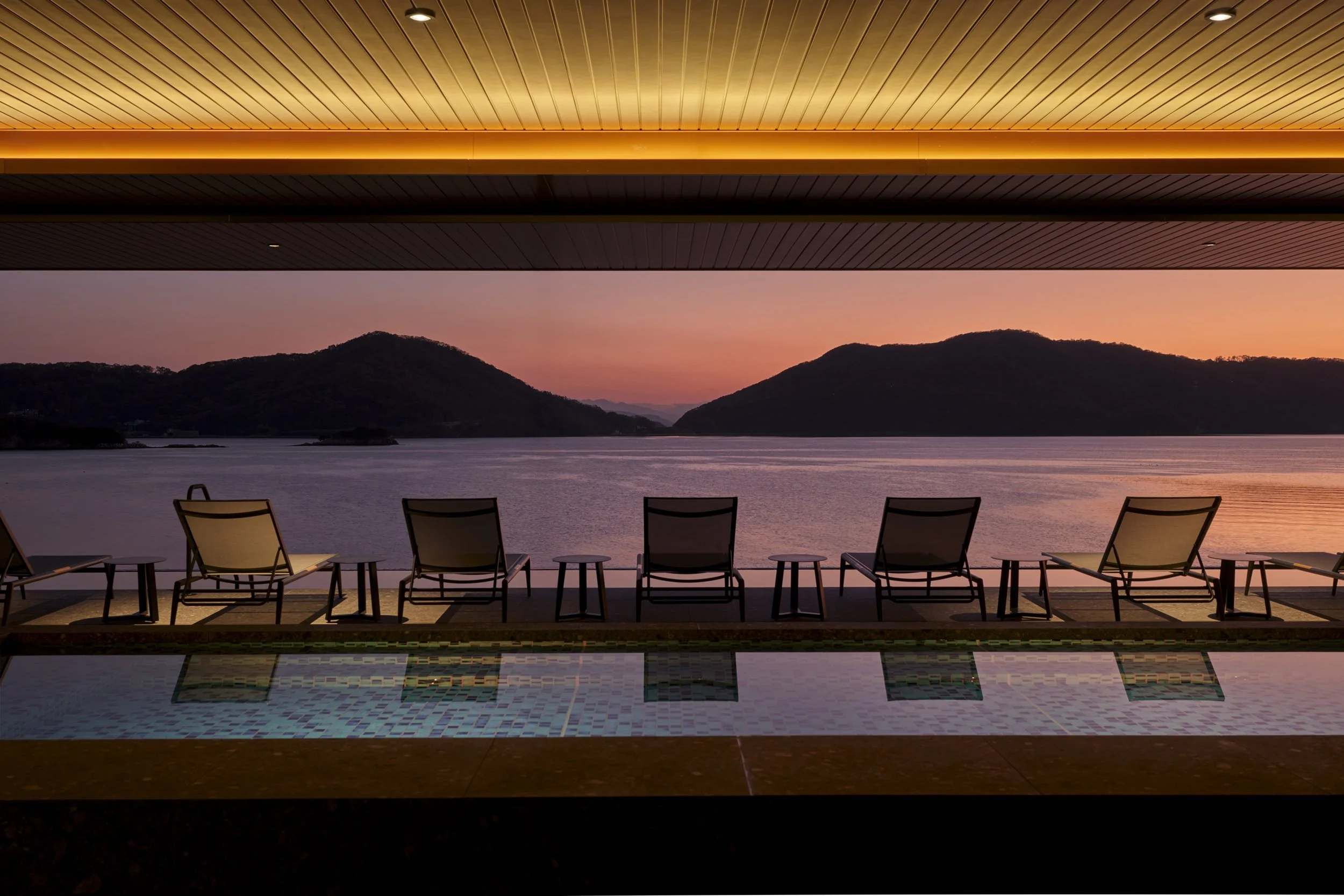
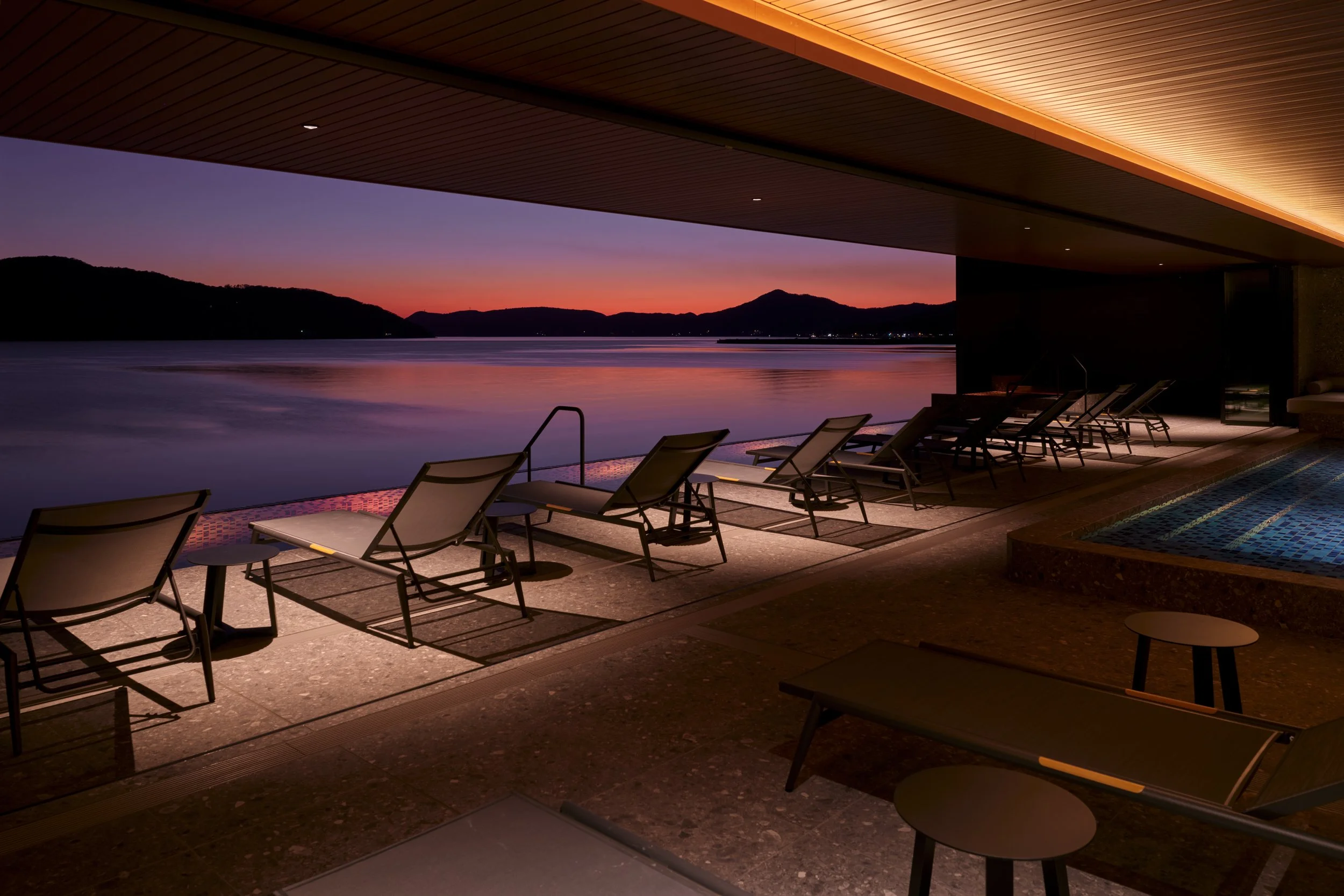
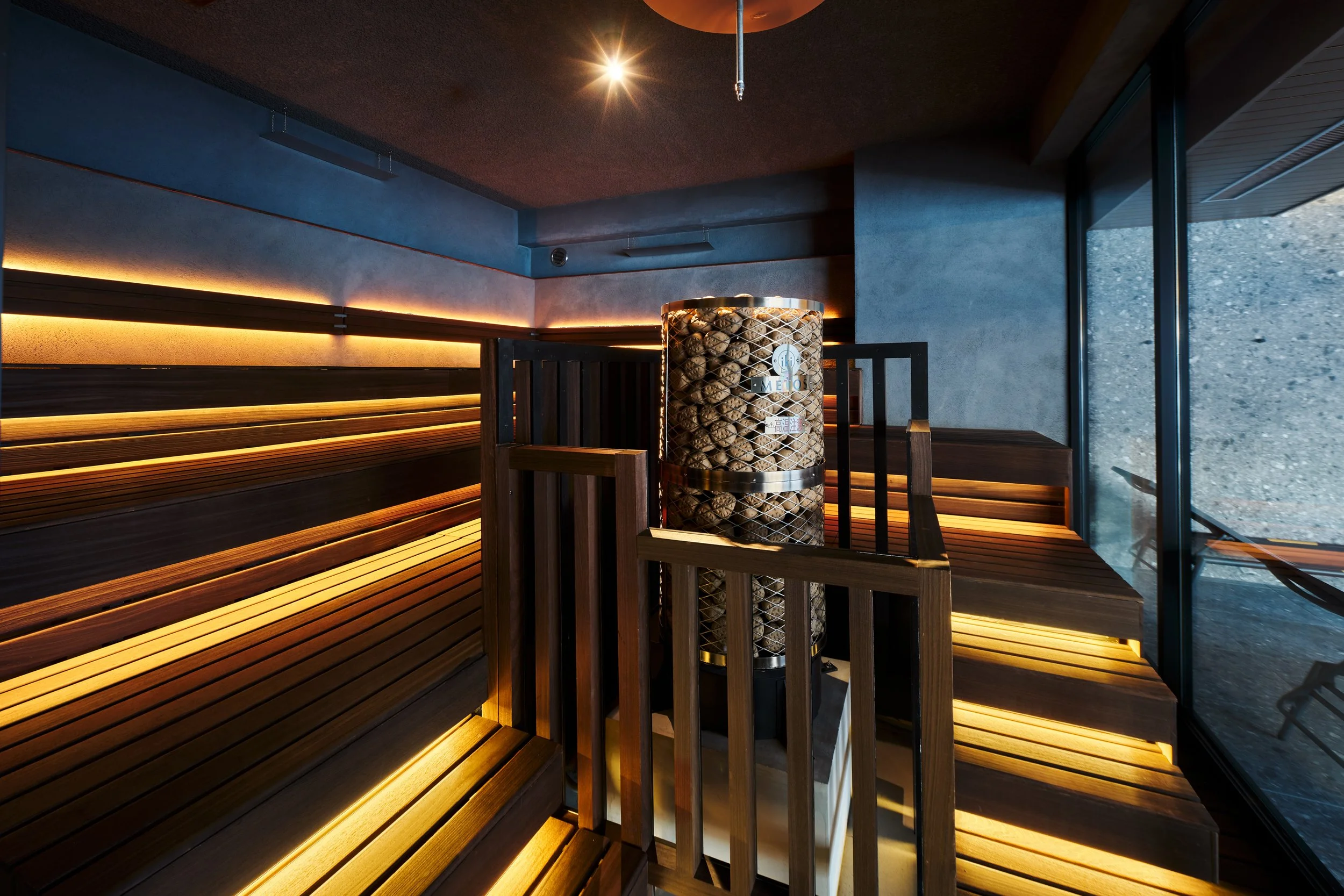
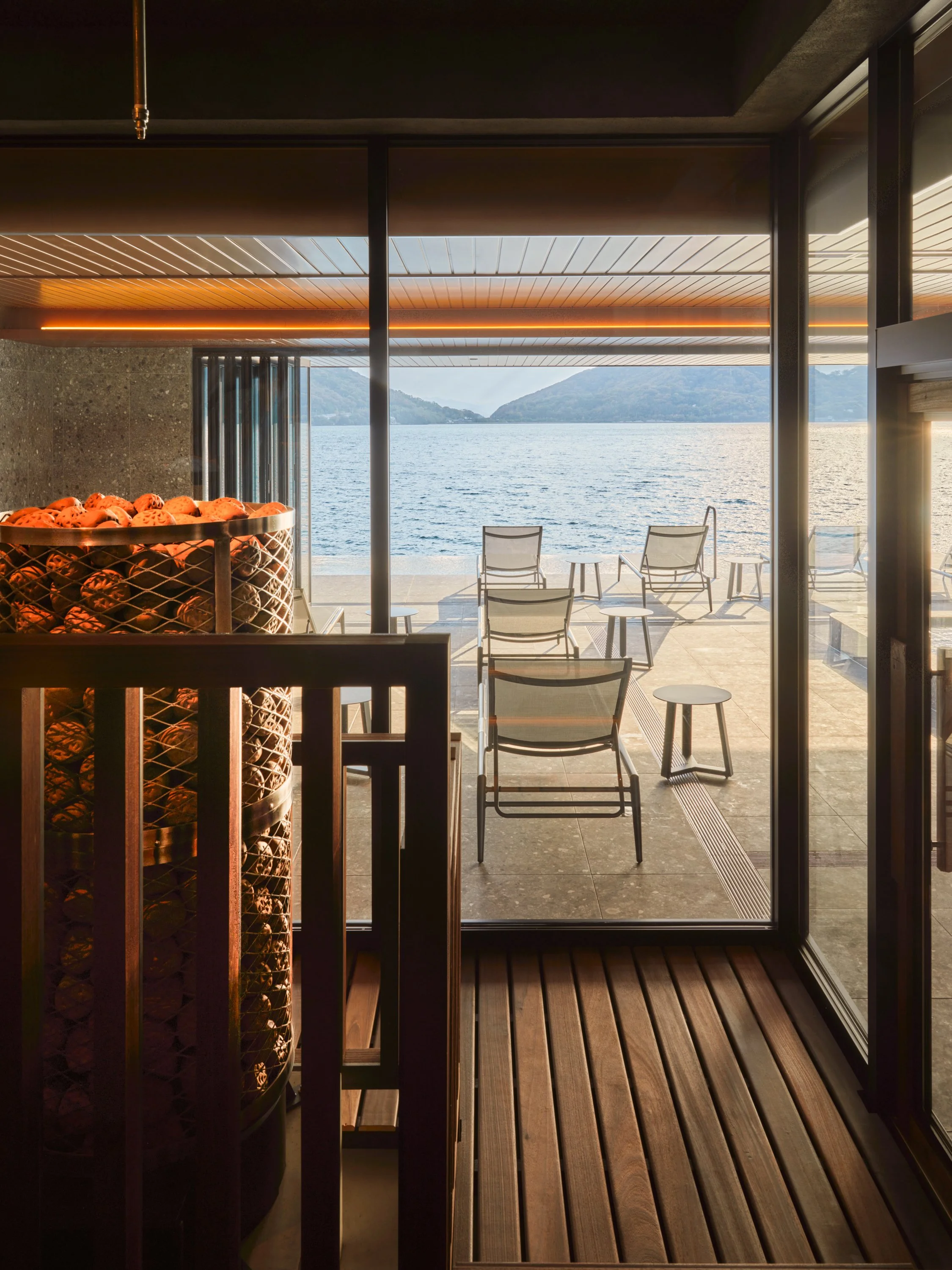
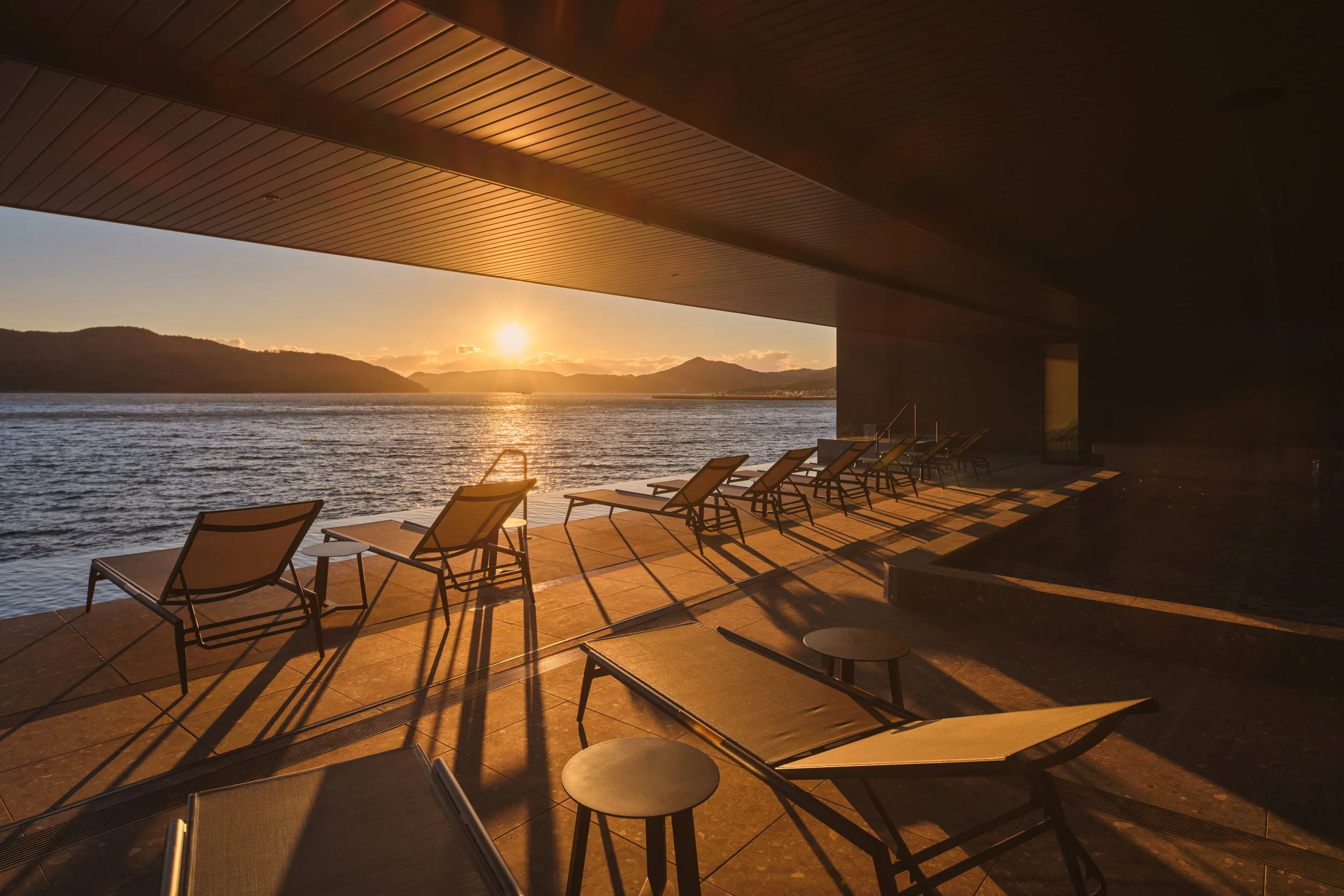
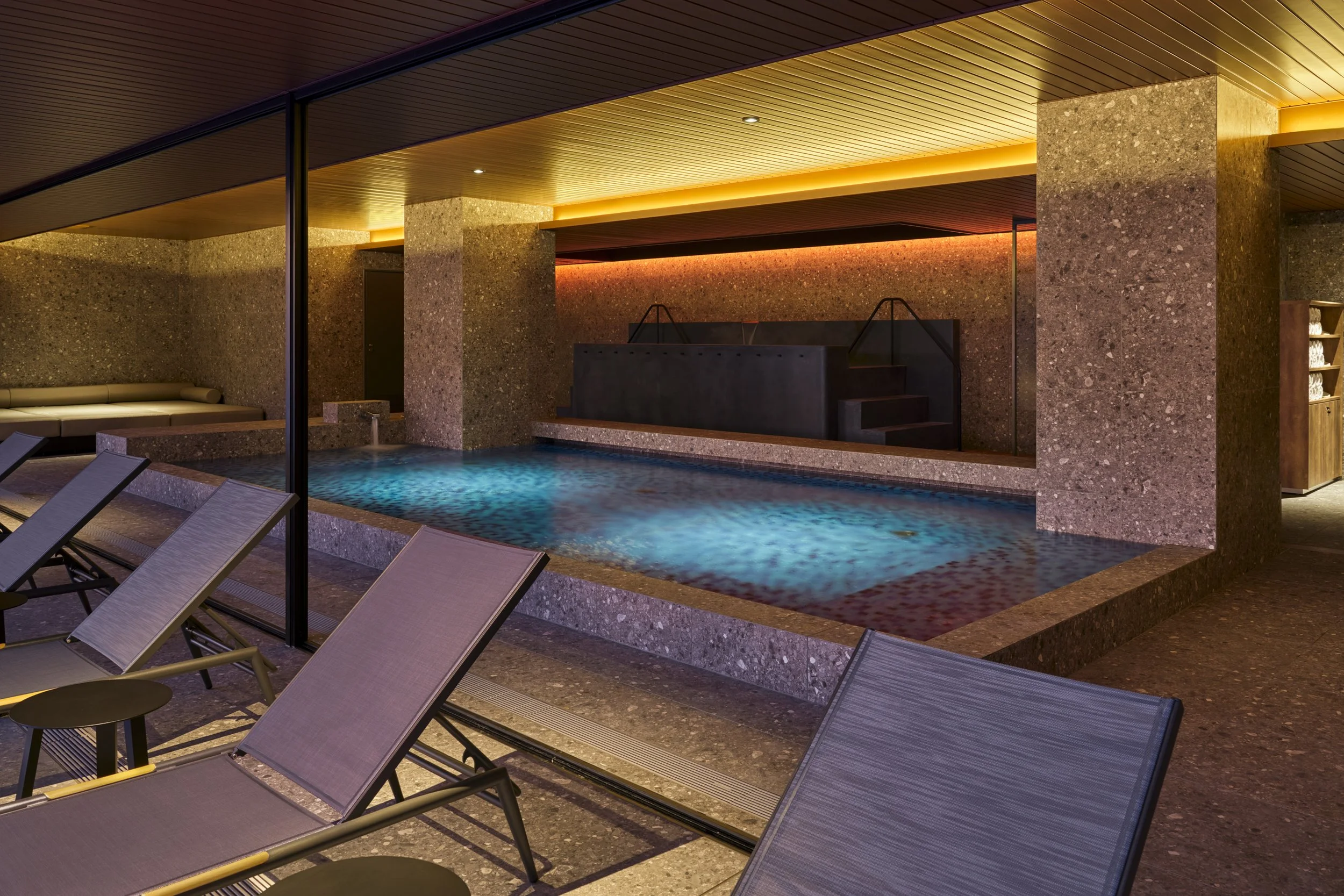
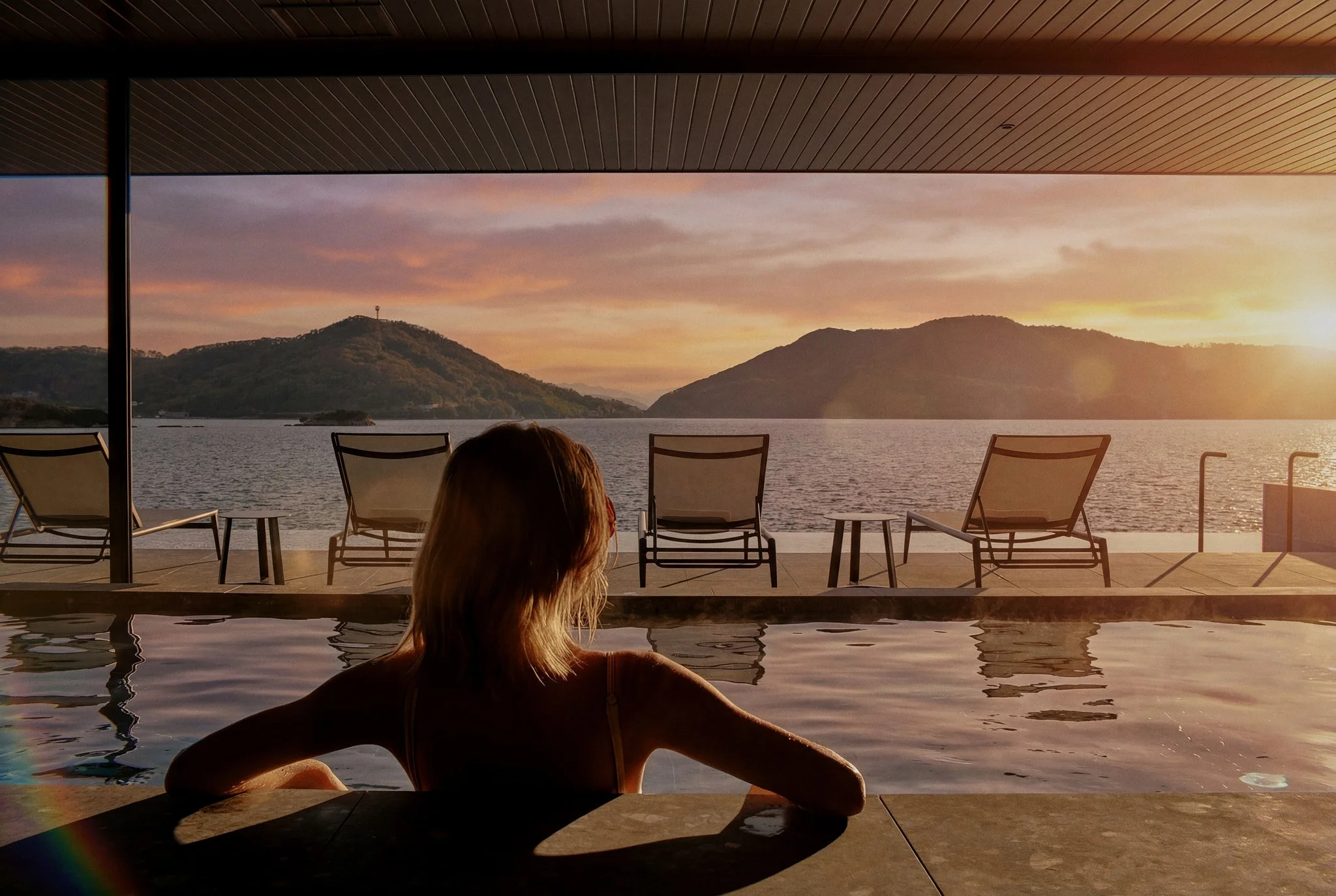
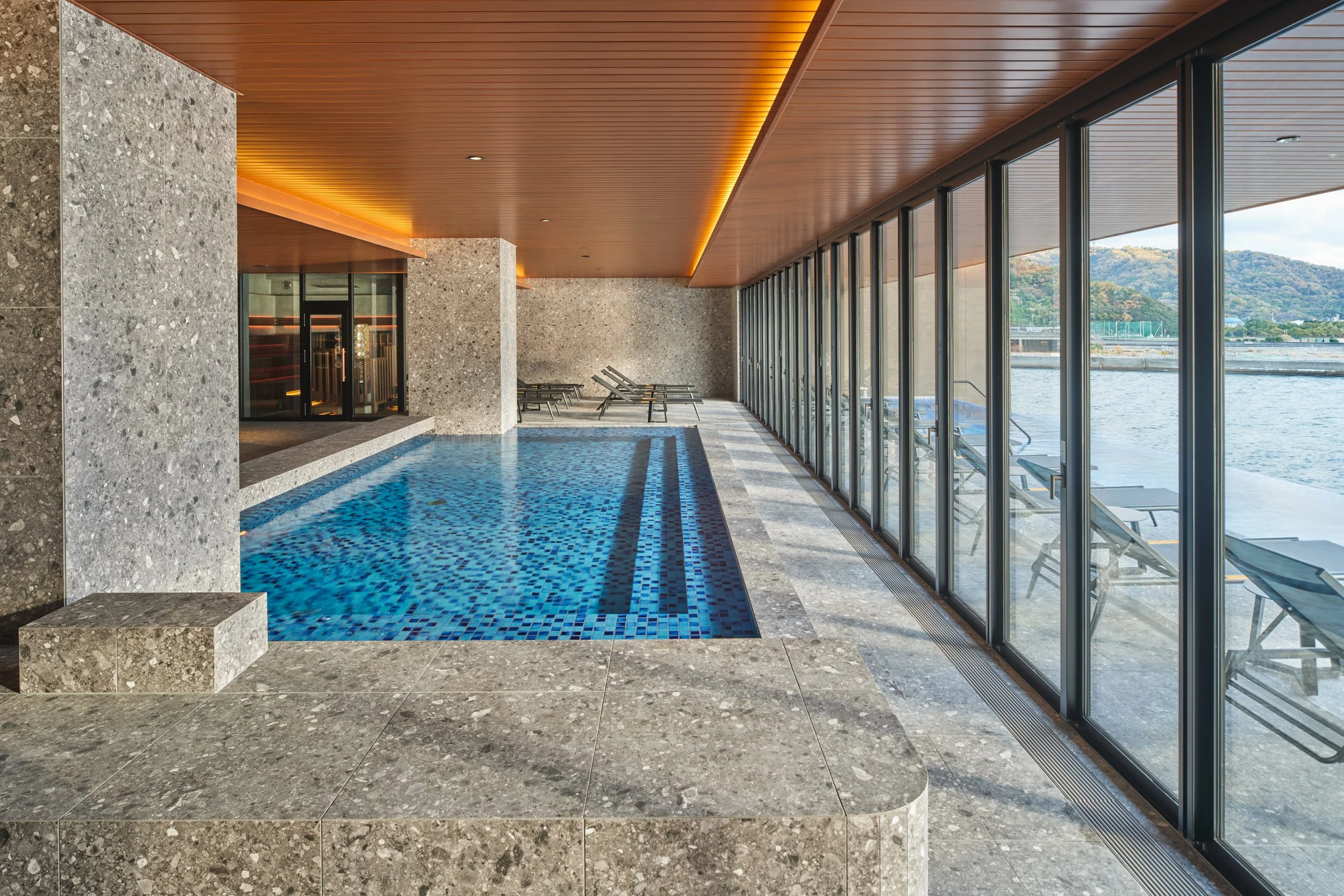
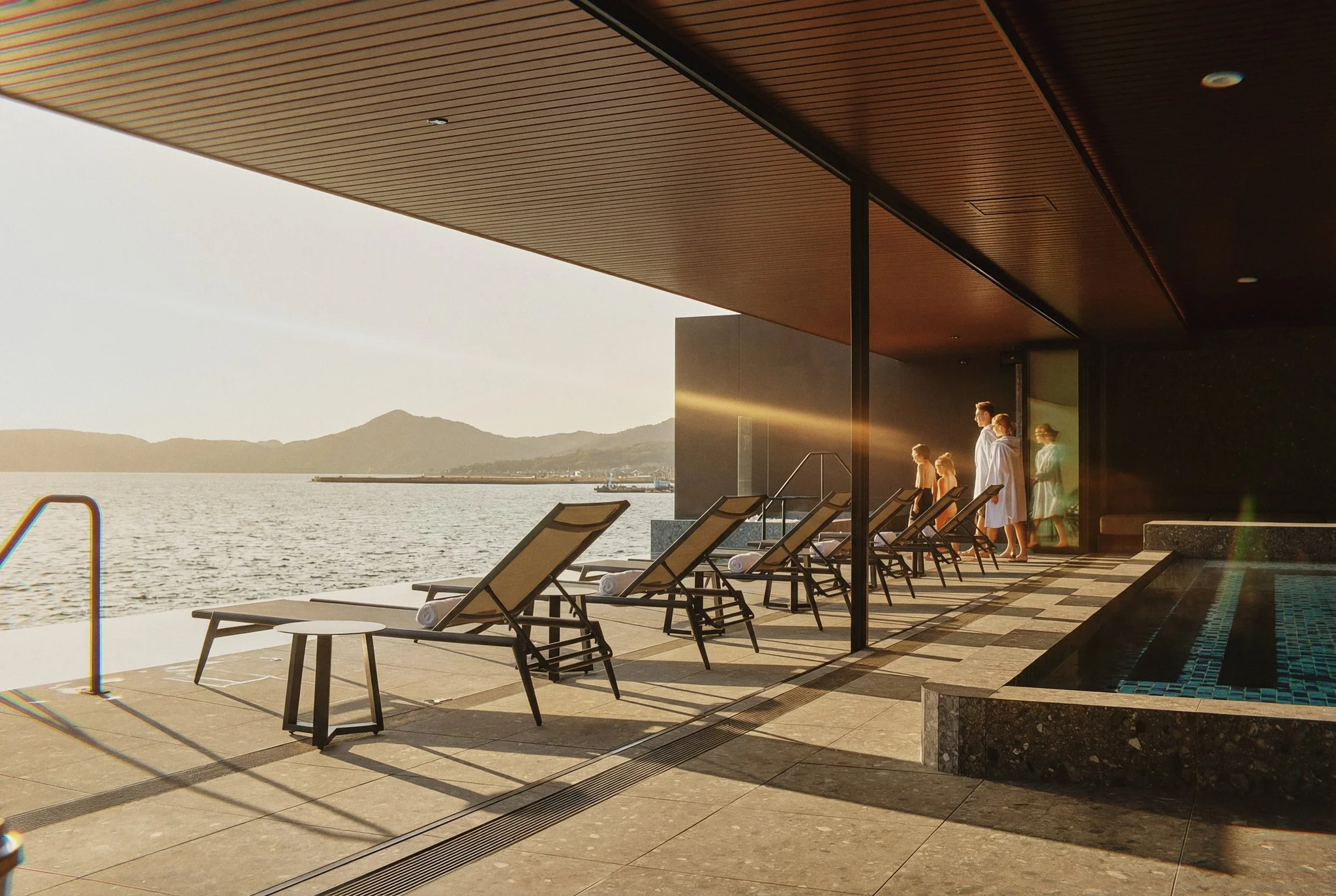
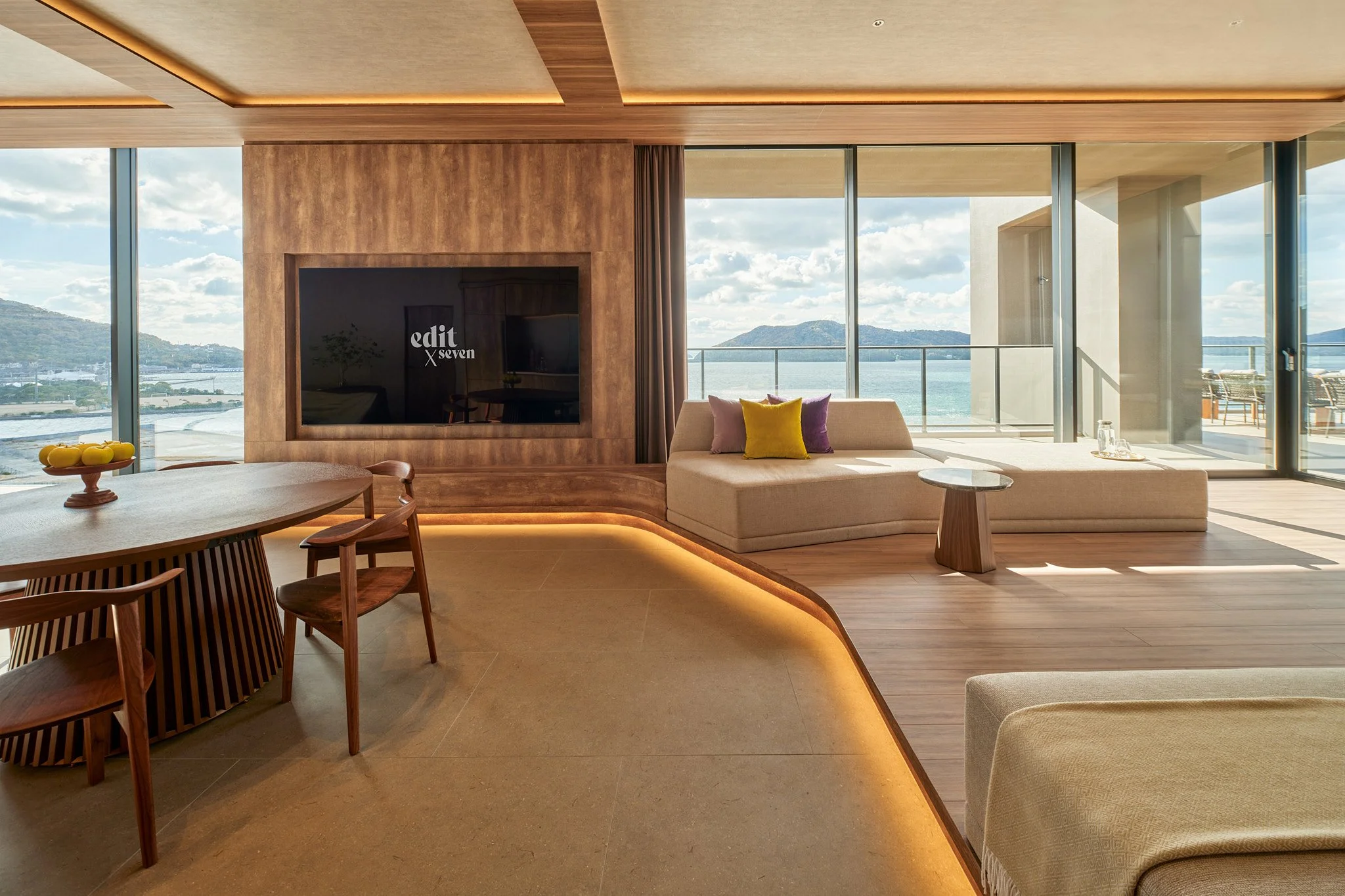
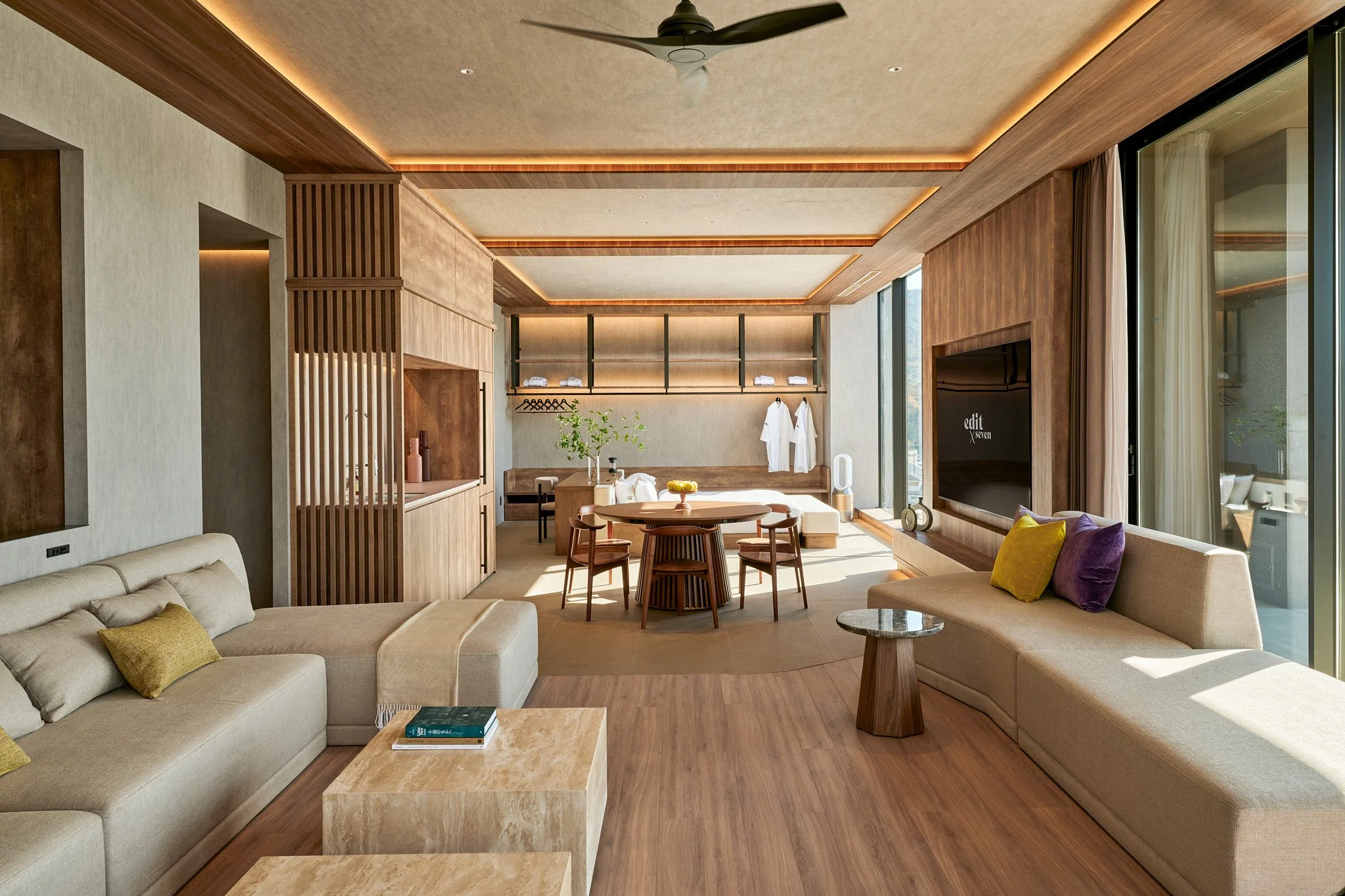
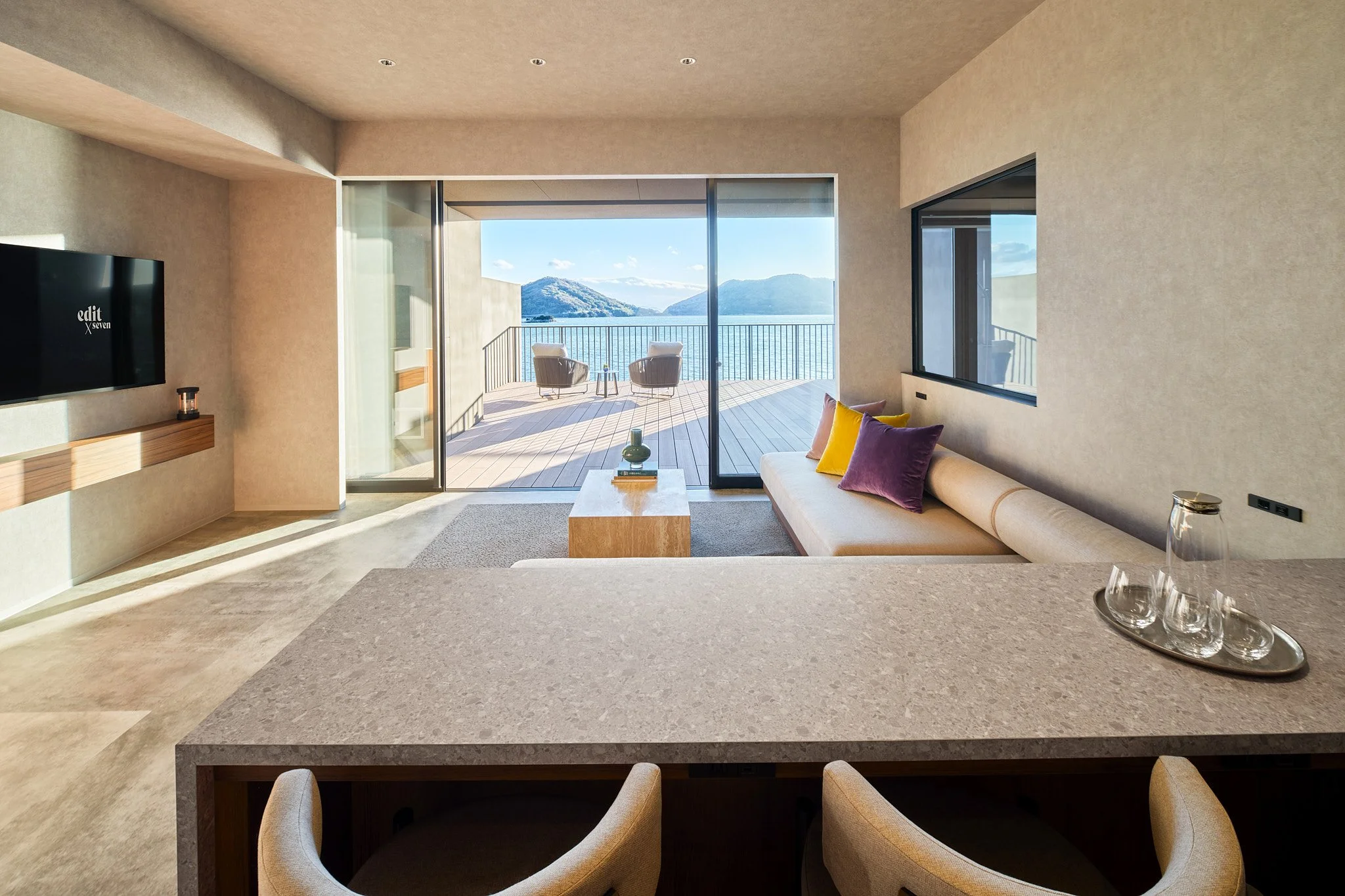
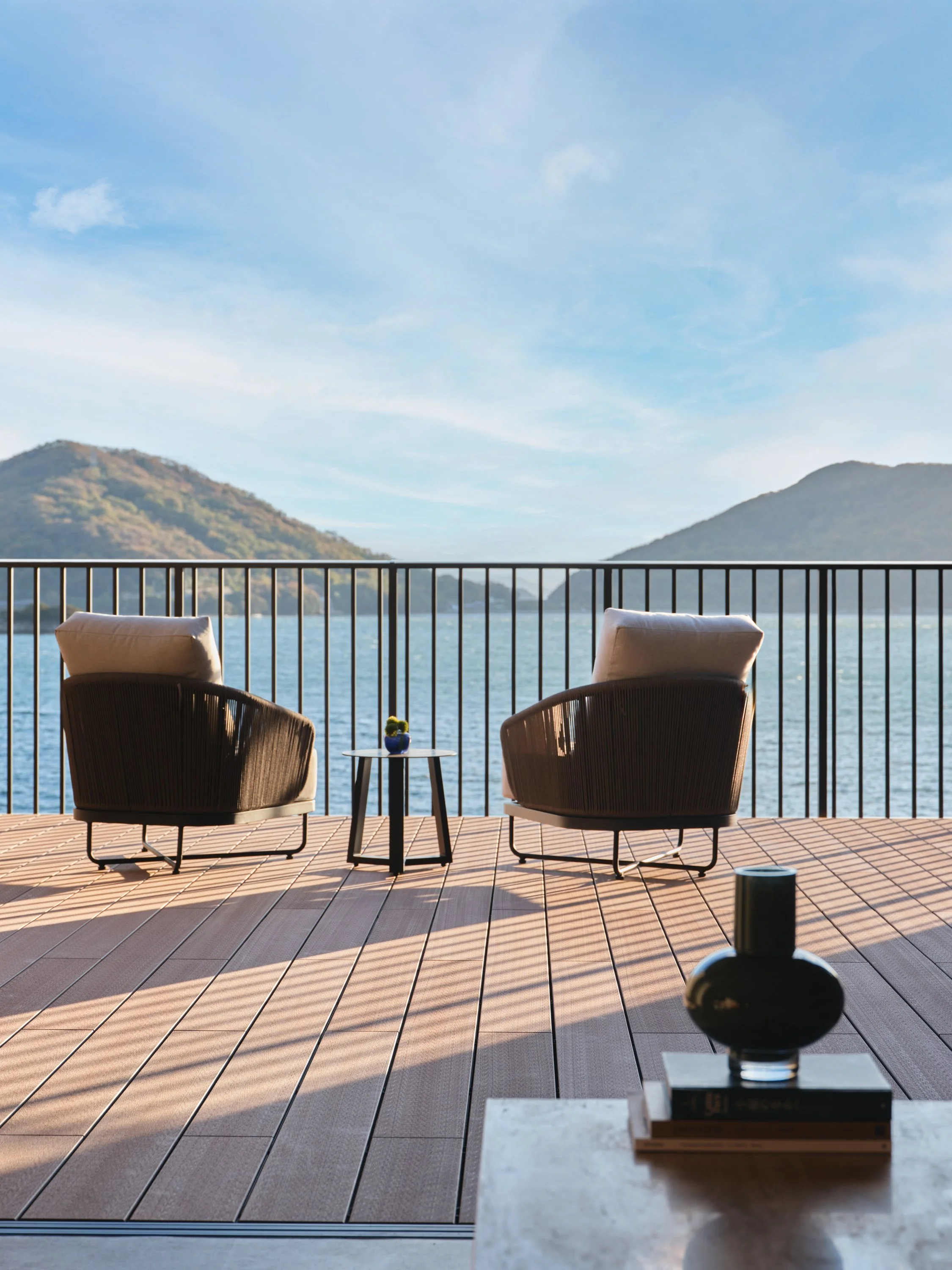
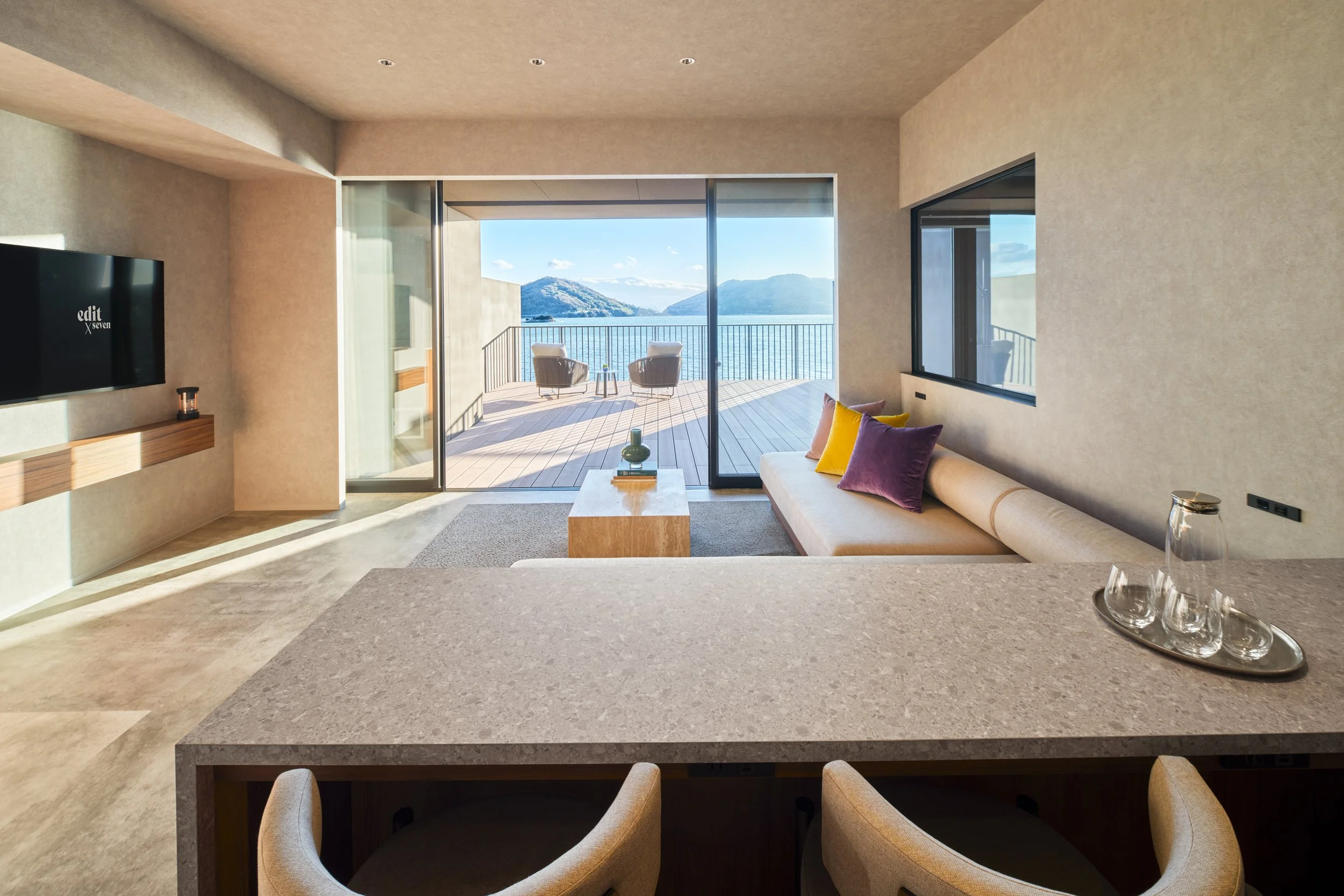
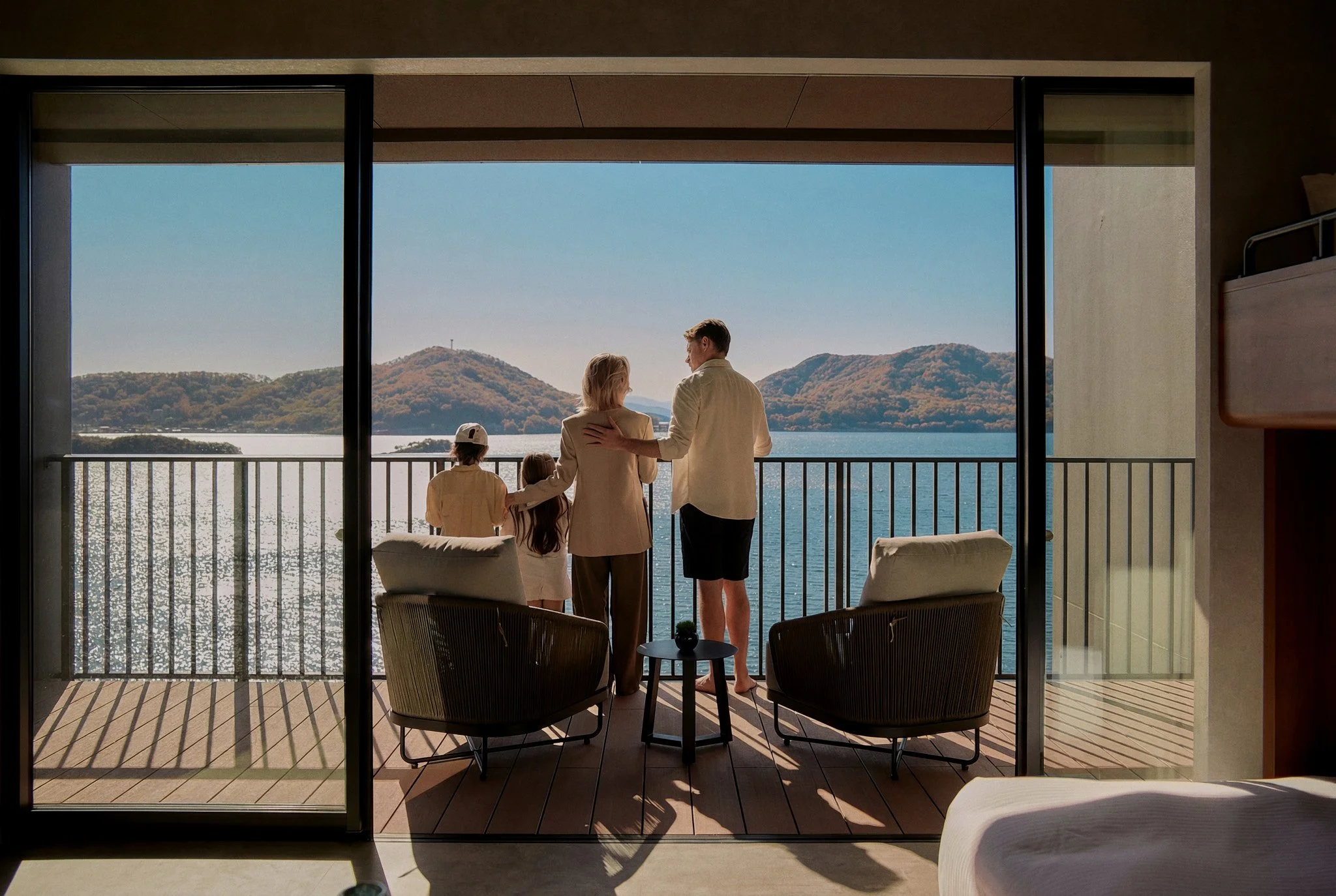
On Shodoshima, the objective was not to frame a singular landmark, but to embed the property within its surroundings. The design shifts toward a more tactile and organic expression using natural materials, warmer tones, and softer transitions between spaces to align with the island’s character.
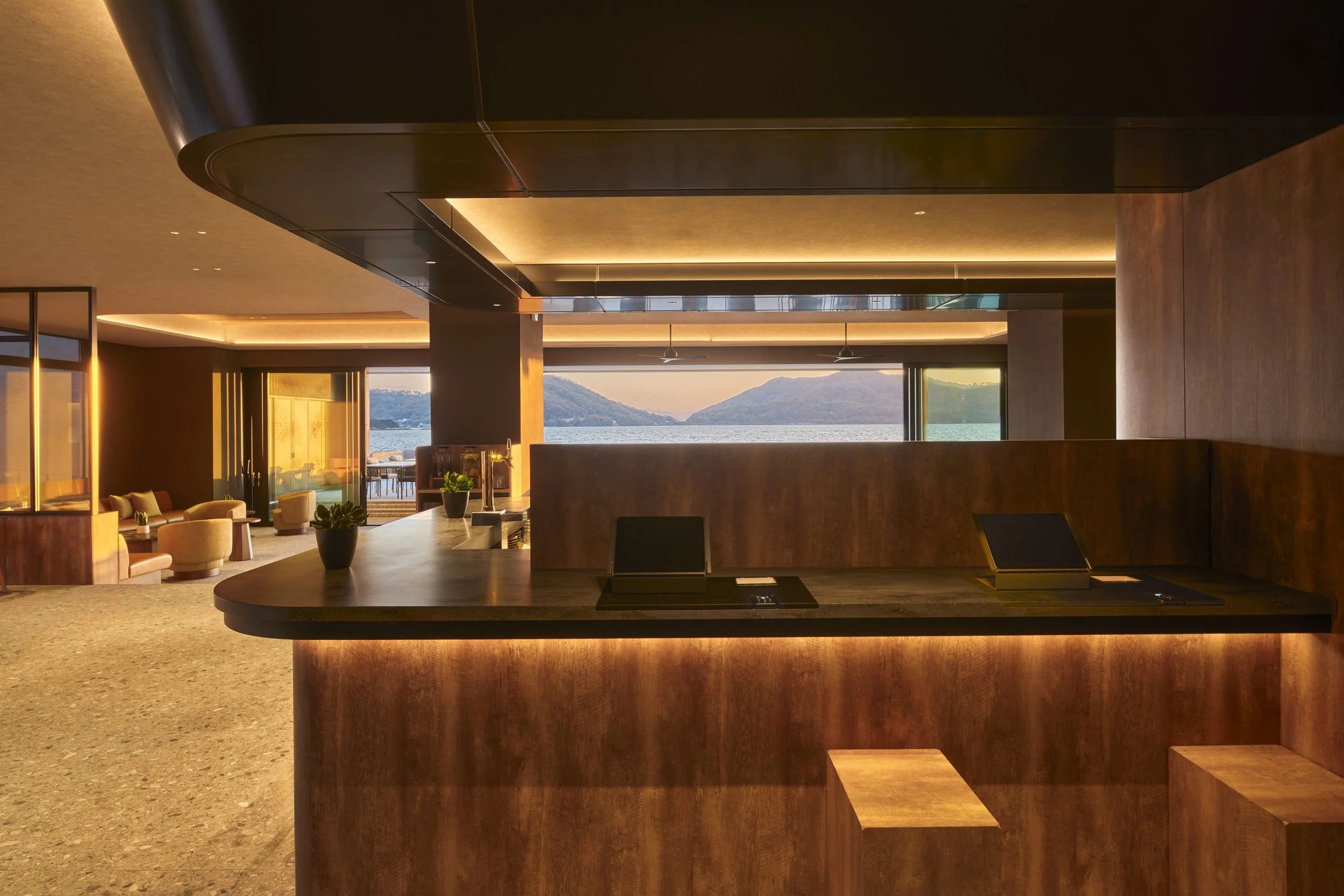
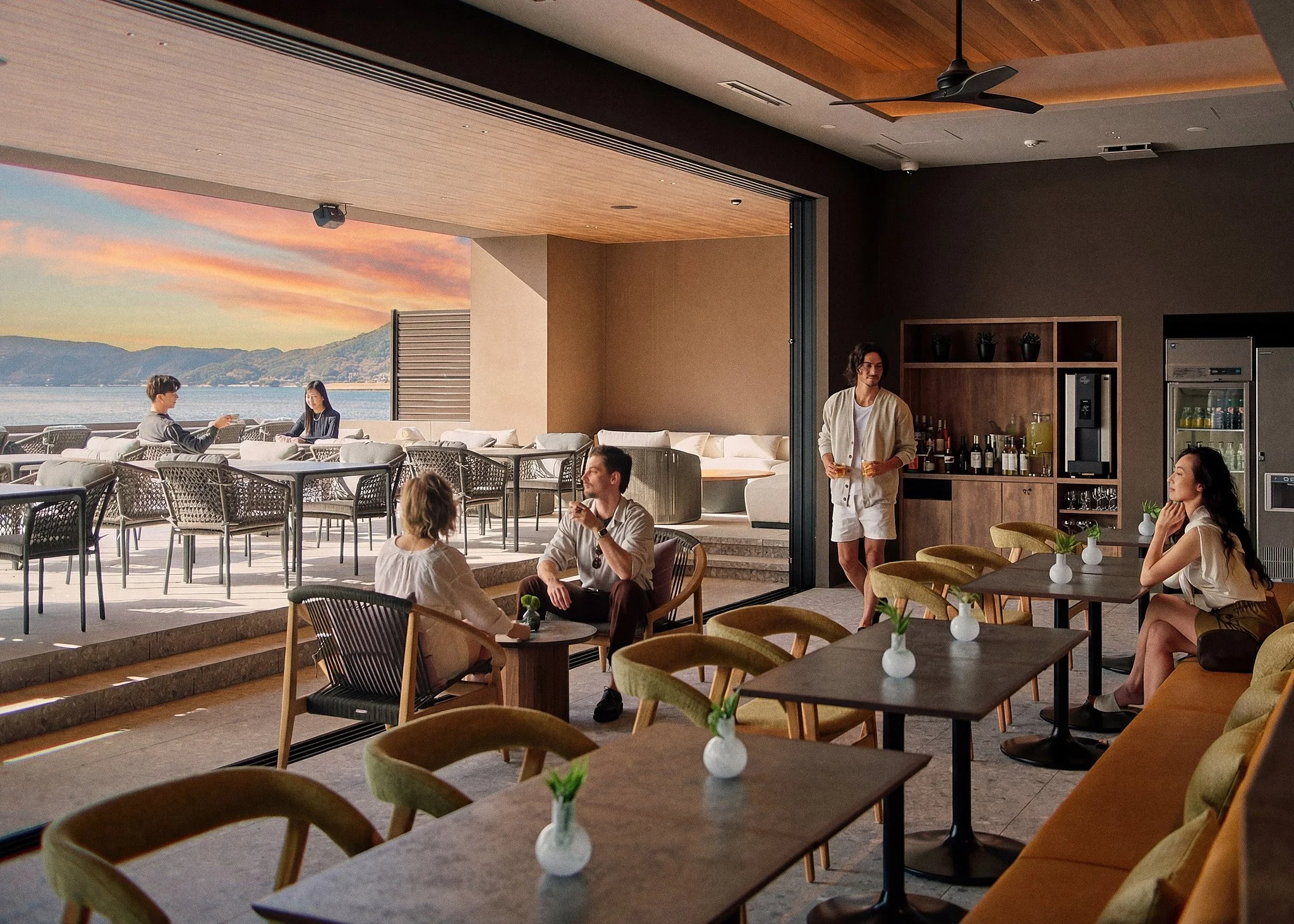
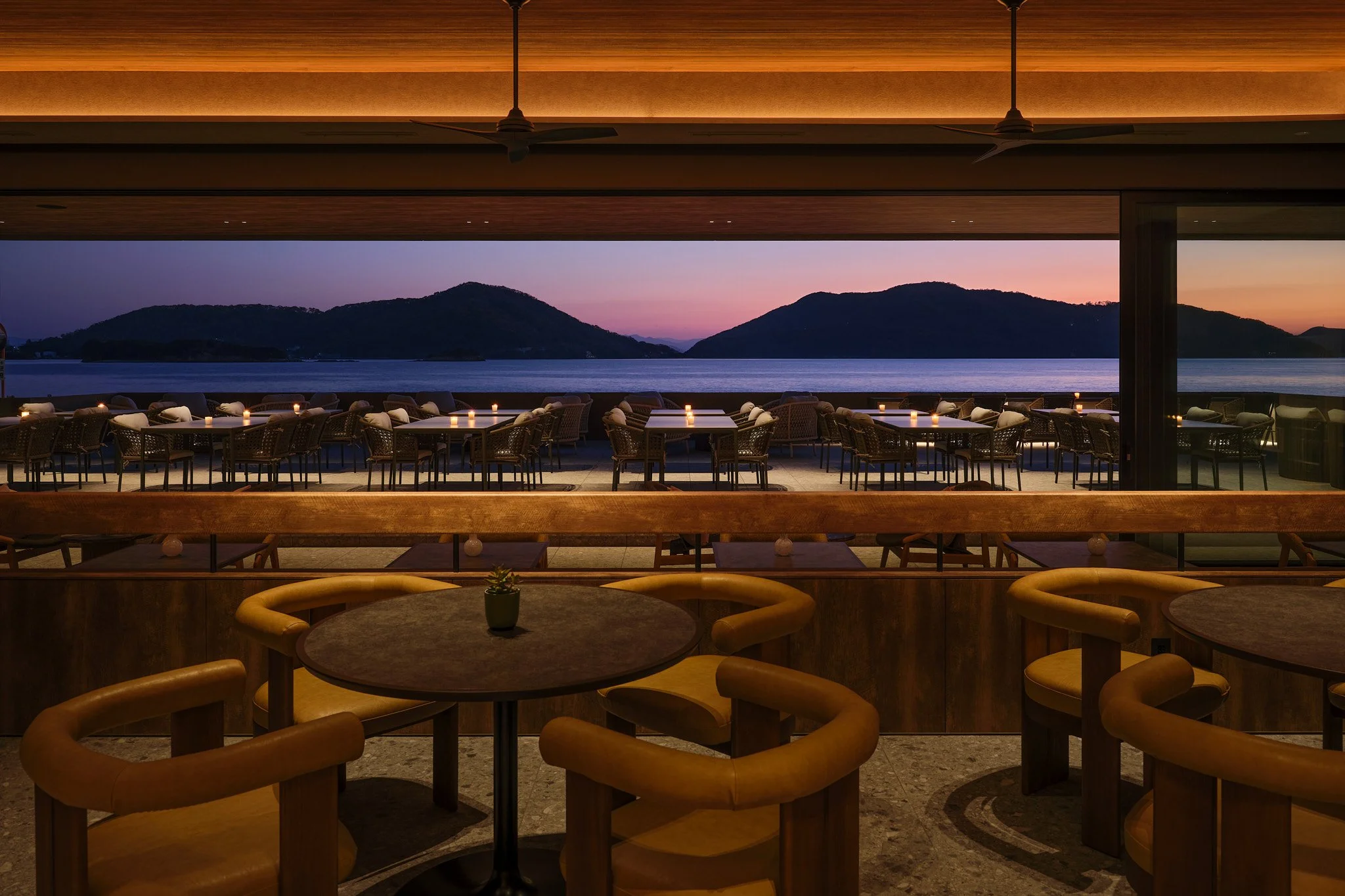
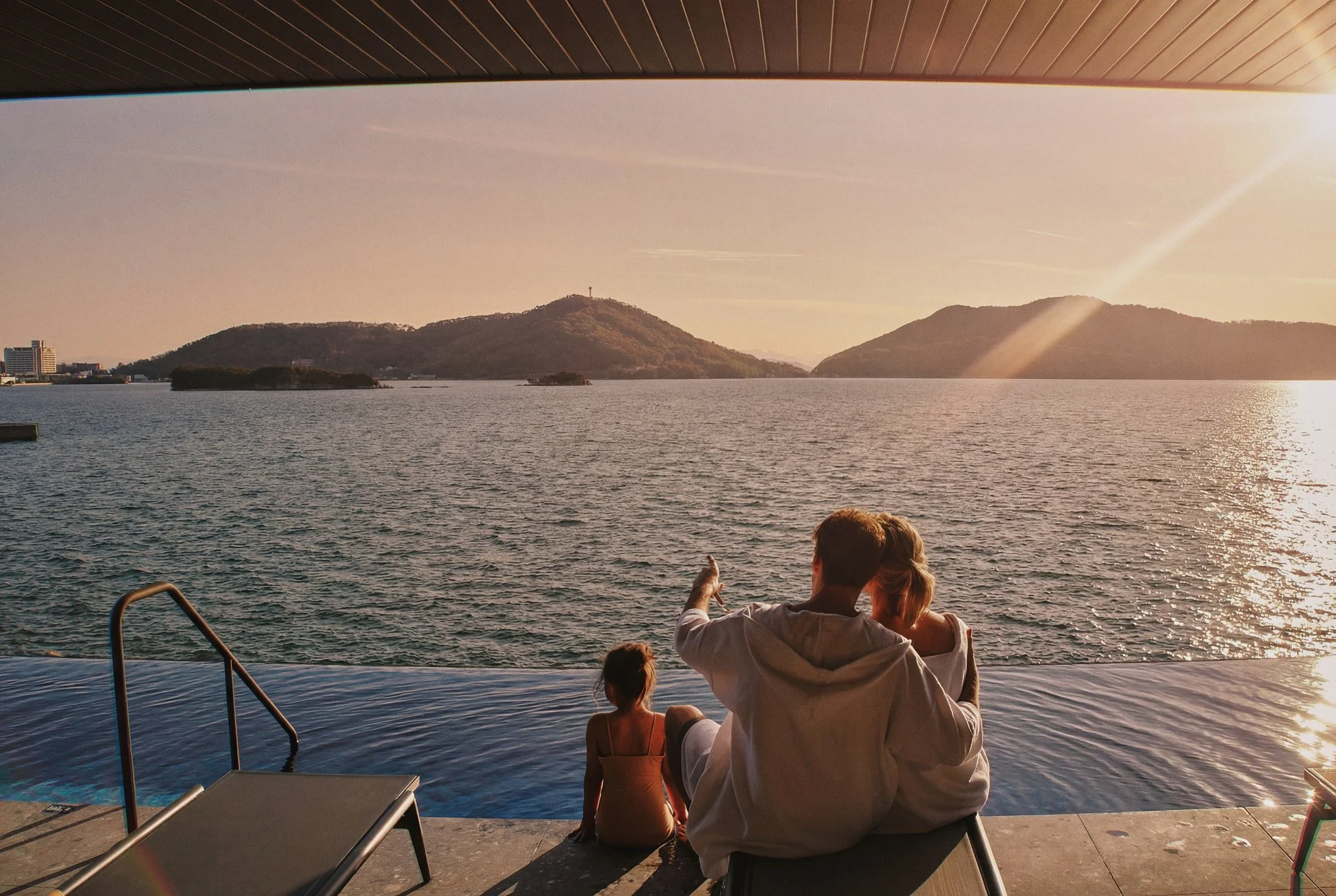
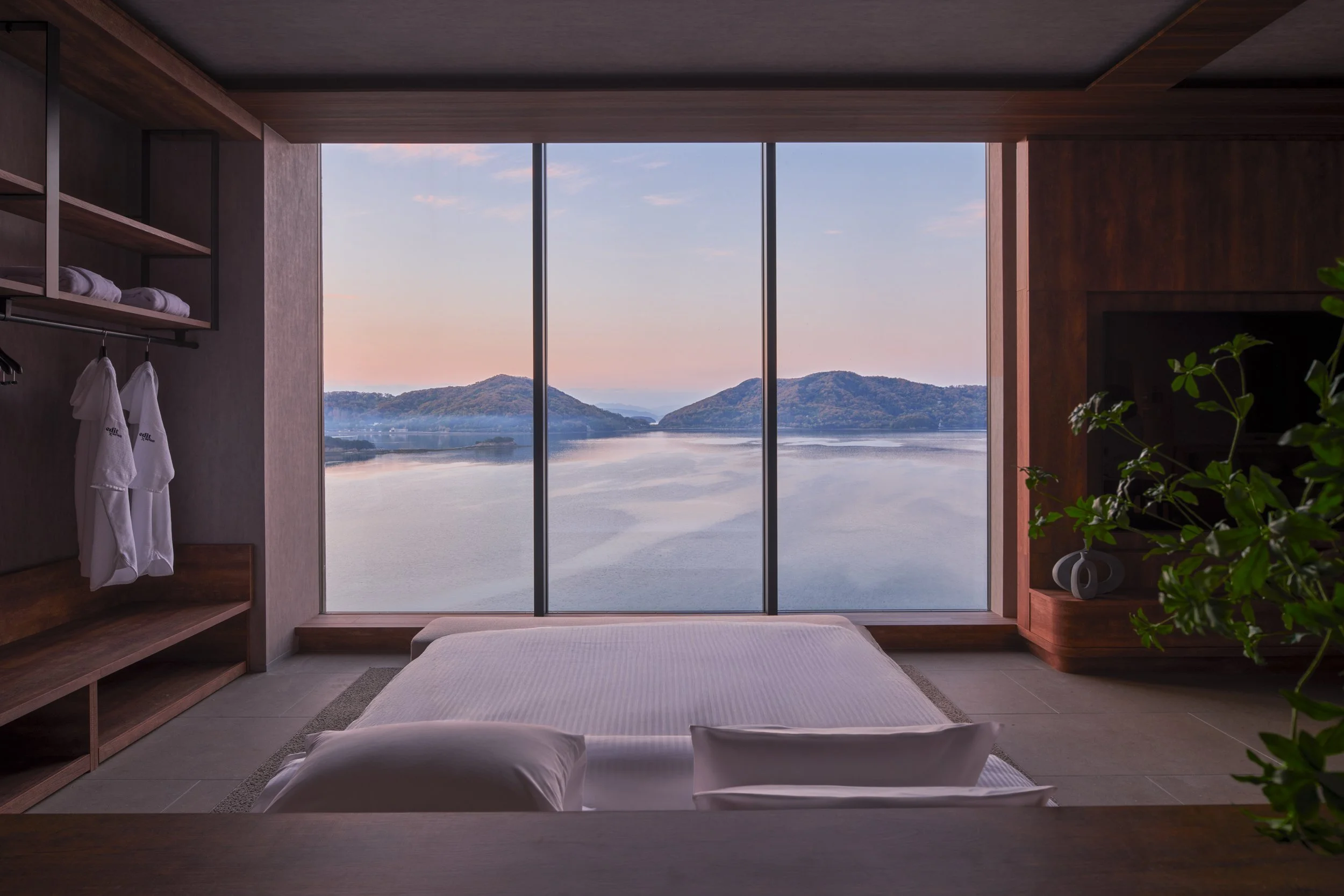
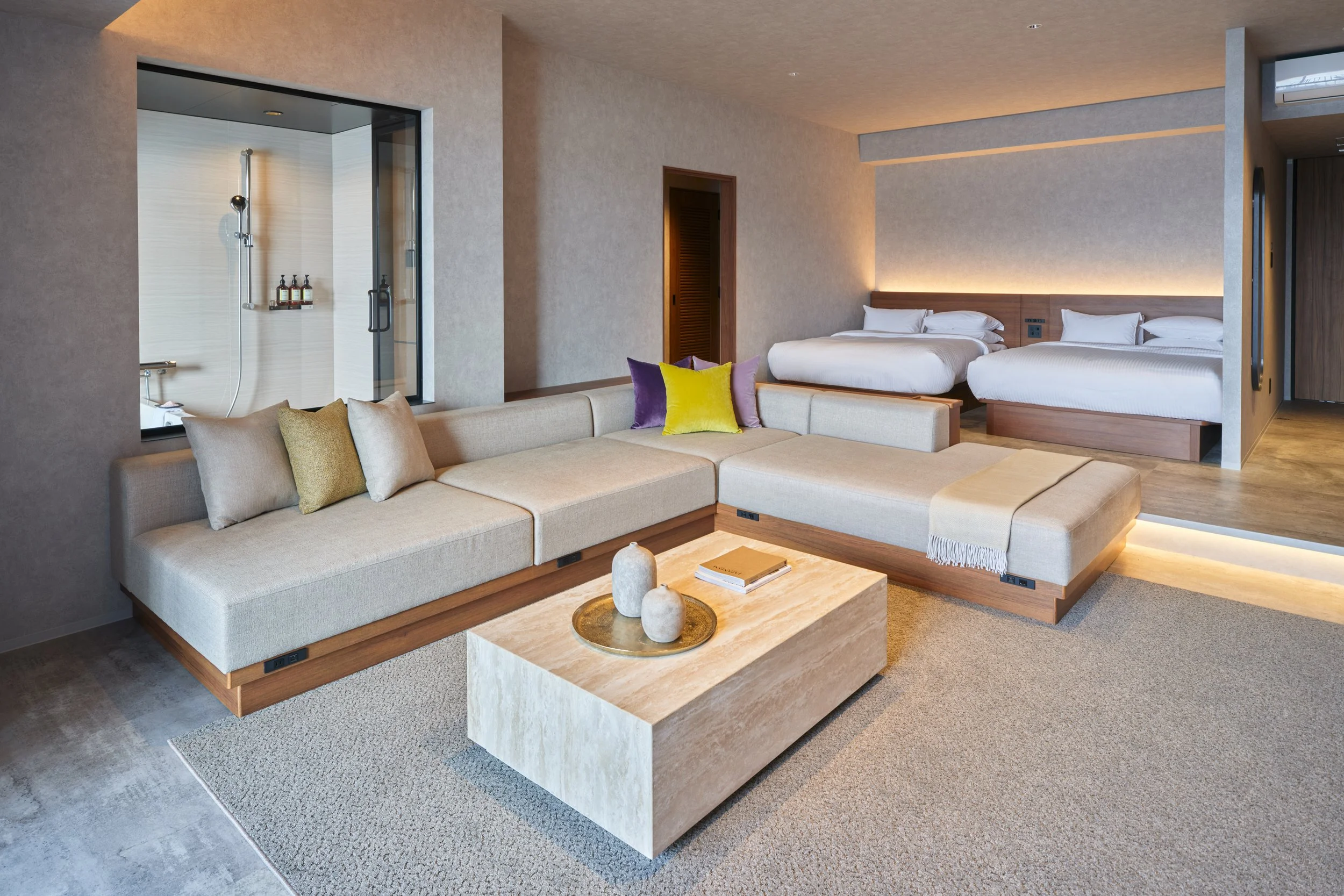
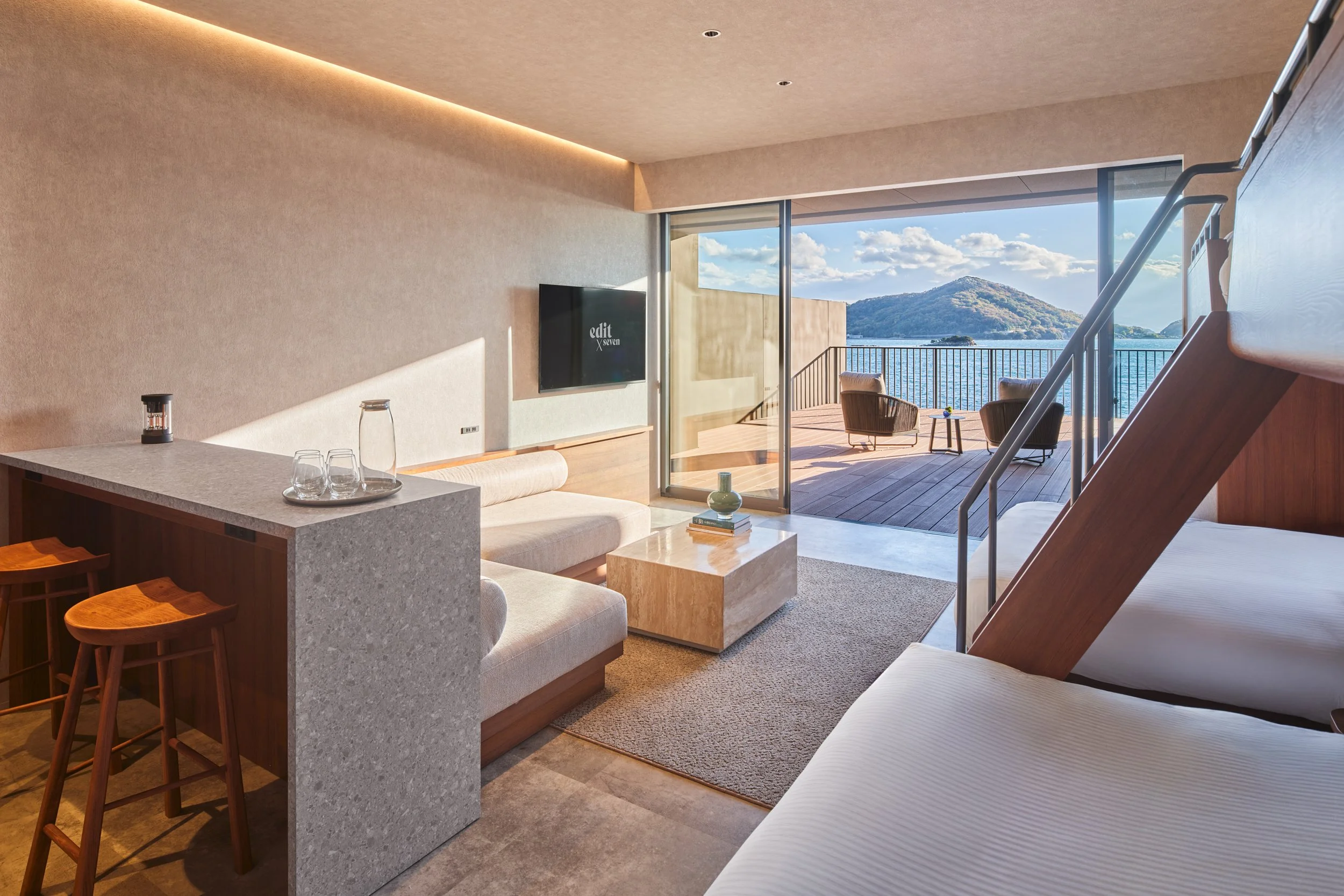
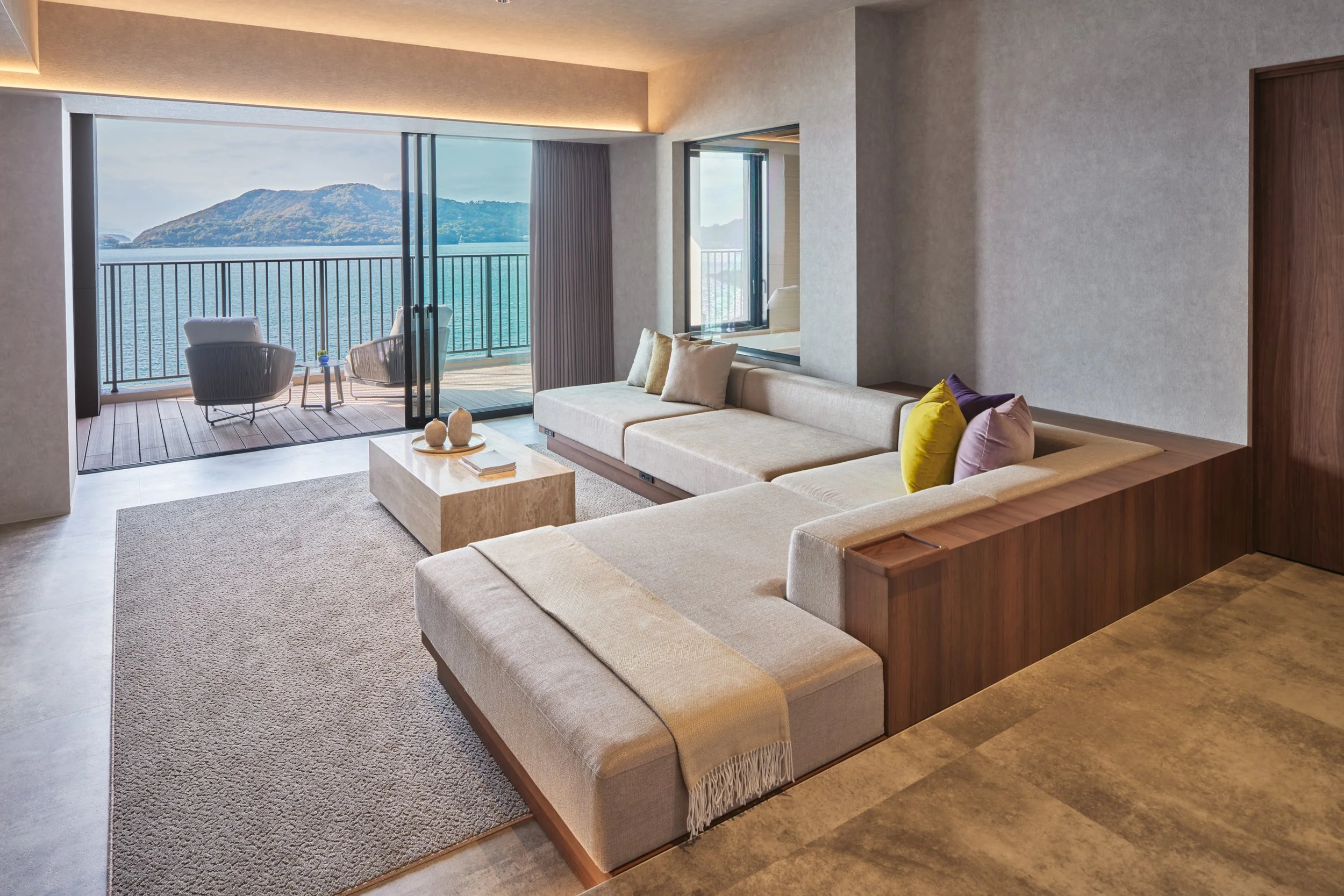
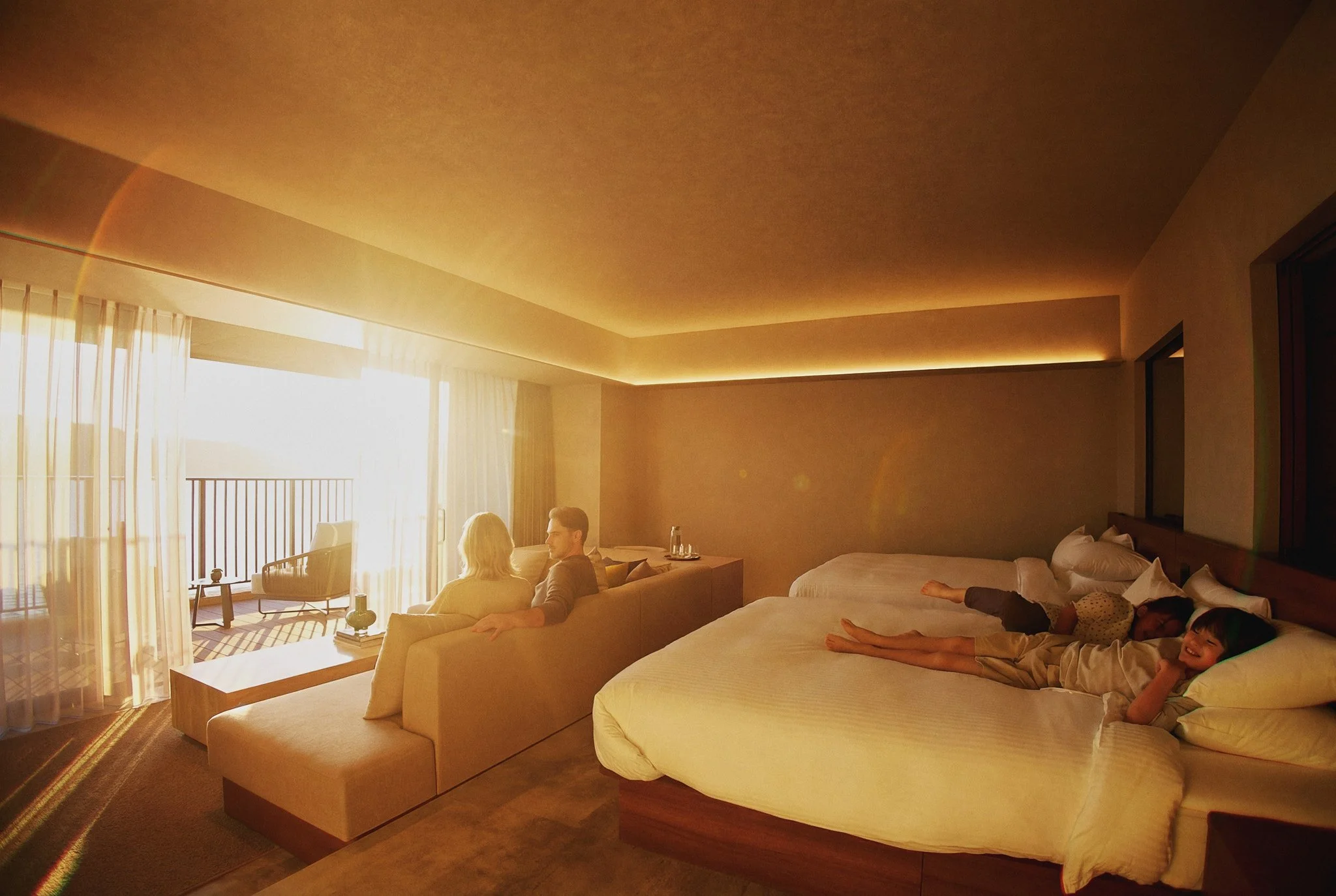
The planning prioritizes low visual impact and spatial continuity. Interiors are open, breathable, and intentionally understated, allowing light, texture, and subtle views of the Seto Inland Sea to define the atmosphere. The architecture operates quietly, supporting the environment rather than competing with it.
As with all edit x seven properties, the operational model is self-directed and efficient. Guest movement is intuitive, with minimal reliance on formal service structures. The space is designed to be understood immediately, enabling a seamless transition between arrival, living, and rest.
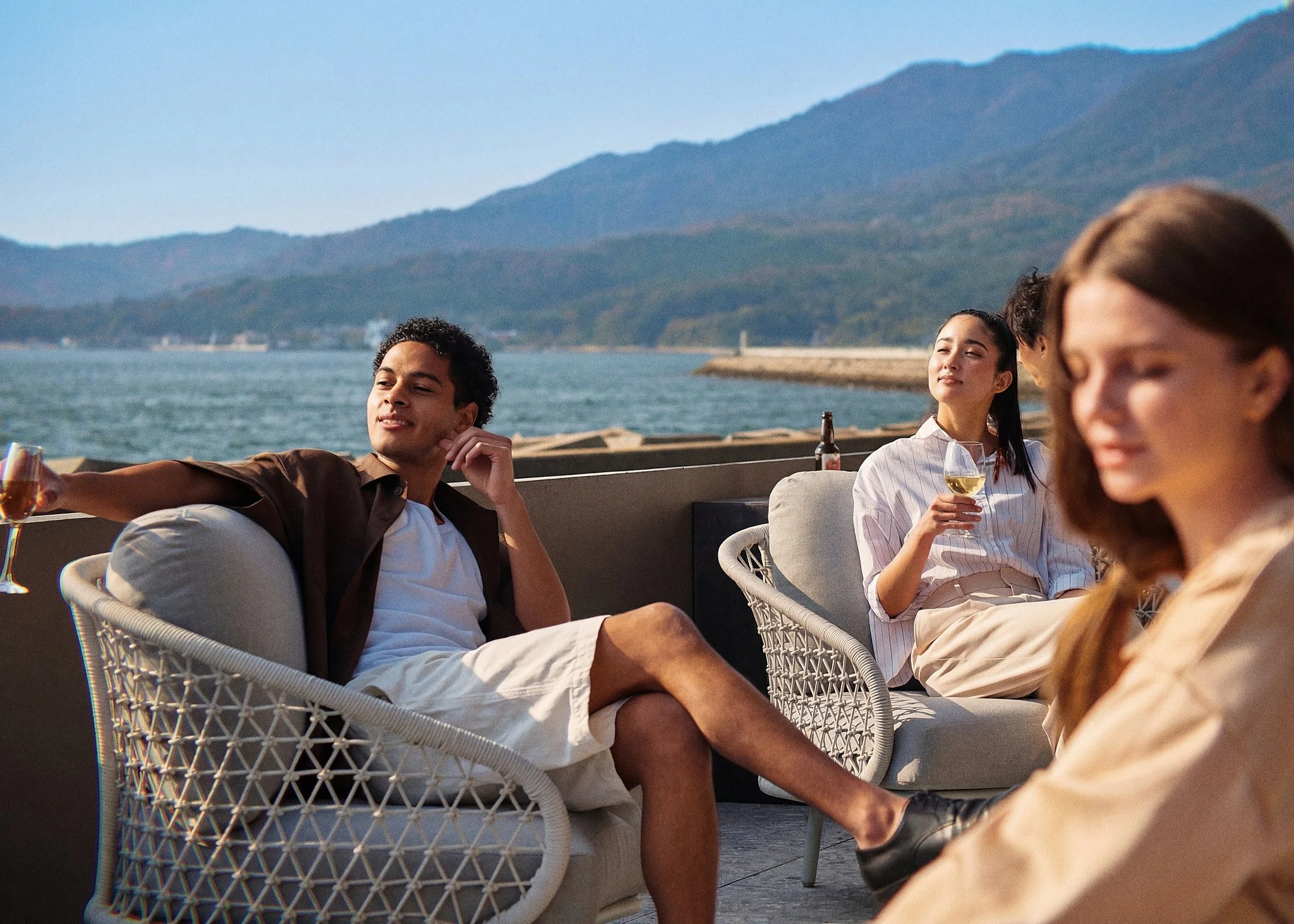
What differentiates Shodoshima is its emphasis on calm and duration. The property encourages longer stays and a slower rhythm, supported by in-room functionality and layouts that accommodate both privacy and extended use.
From a platform perspective, Shodoshima demonstrates how edit x seven can adapt beyond strong visual anchors into more subtle, experiential environments. The system remains consistent, but the expression becomes quieter, more immersive, and more materially driven.
It is a softer iteration of the platform designed for guests seeking stillness, texture, and a deeper connection to place.